
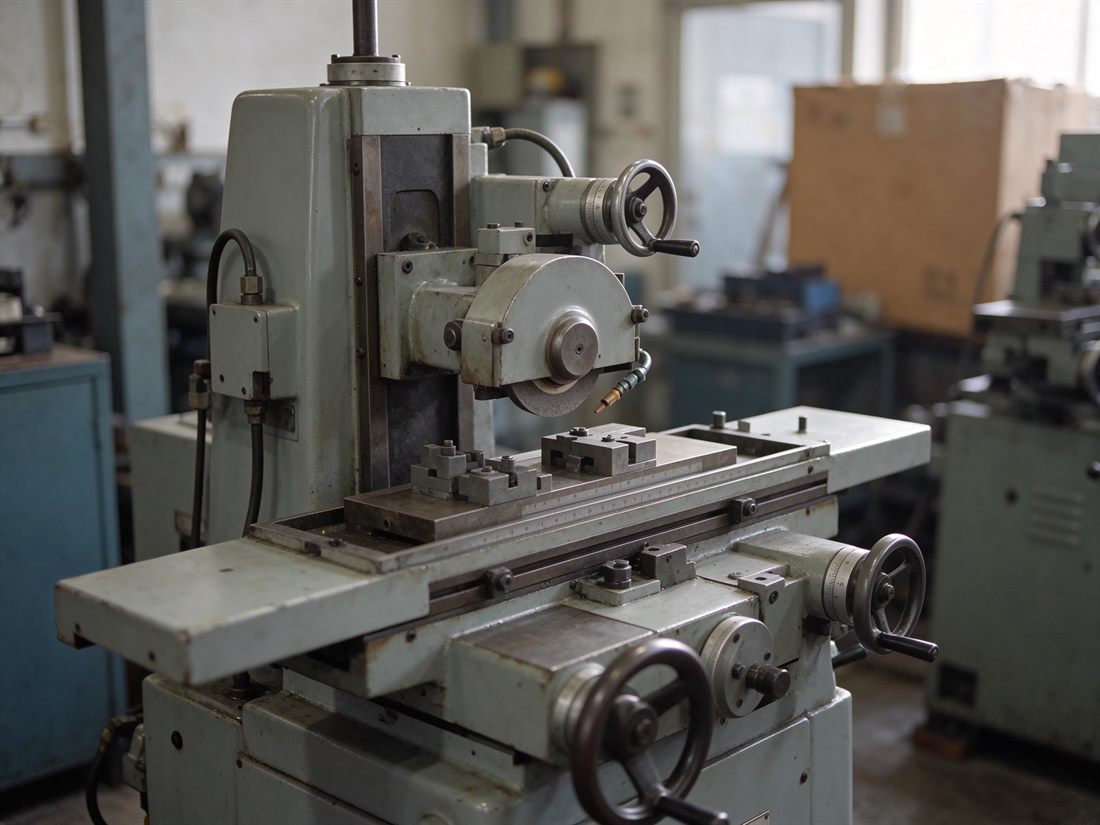
How to Use a Surface Grinder: First Setup to First Part
A step-by-step surface grinder procedure: wheel check, dressing, clamping, touch-off, roughing, finishing and the checks after each stage.
Insights, guides and industry news from our team
Most surface problems — burn, chatter, taper, an inconsistent size across a batch — come from five variables: wheel grade and condition, coolant delivery at the contact zone, pass depth versus wheel sharpness, clamping distortion released when the part comes off the chuck, and thermal growth in the machine or the part.
This section explains each one with the numbers that matter: grit ranges for hardened steel and carbide, coolant flow rates, dressing depths, spark-out passes, and the temperatures at which a 300 mm part starts moving more than its tolerance. It is written for the person standing at the machine, not for a procurement file.
A step-by-step surface grinder procedure: wheel check, dressing, clamping, touch-off, roughing, finishing and the checks after each stage.

How grinding wheel RPM relates to surface speed, the m/s each wheel type wants, the diameter-to-RPM table, and what overspeeding a wheel actually does.
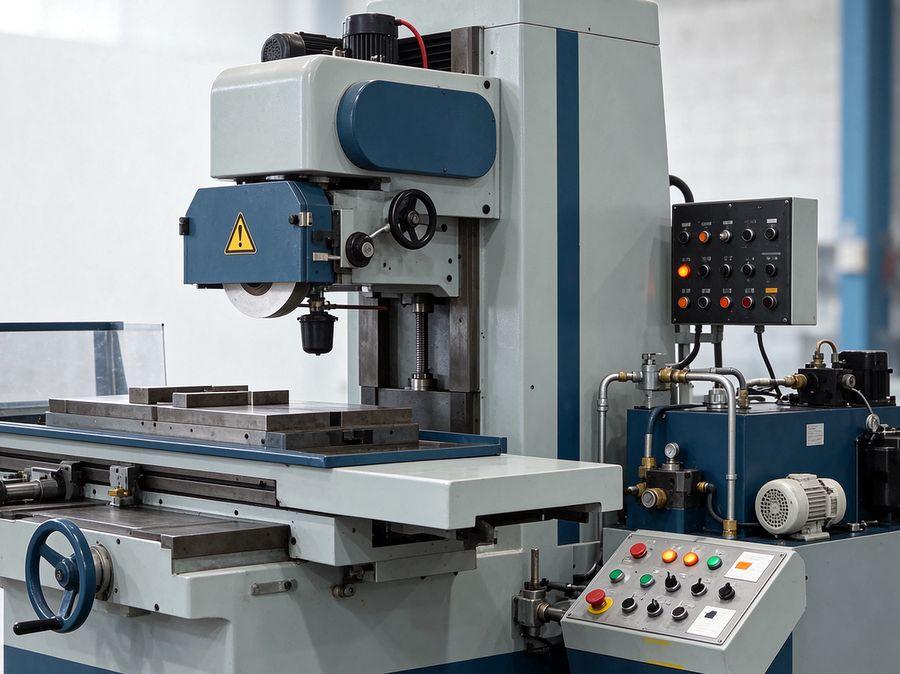
Why a grinding wheel stops cutting on a surface grinder: glazing versus loading, how to tell them apart, and the settings that stop both.

Working numbers for surface grinder table speed and cross feed, by operation, with the spark density that tells you the setting is right.
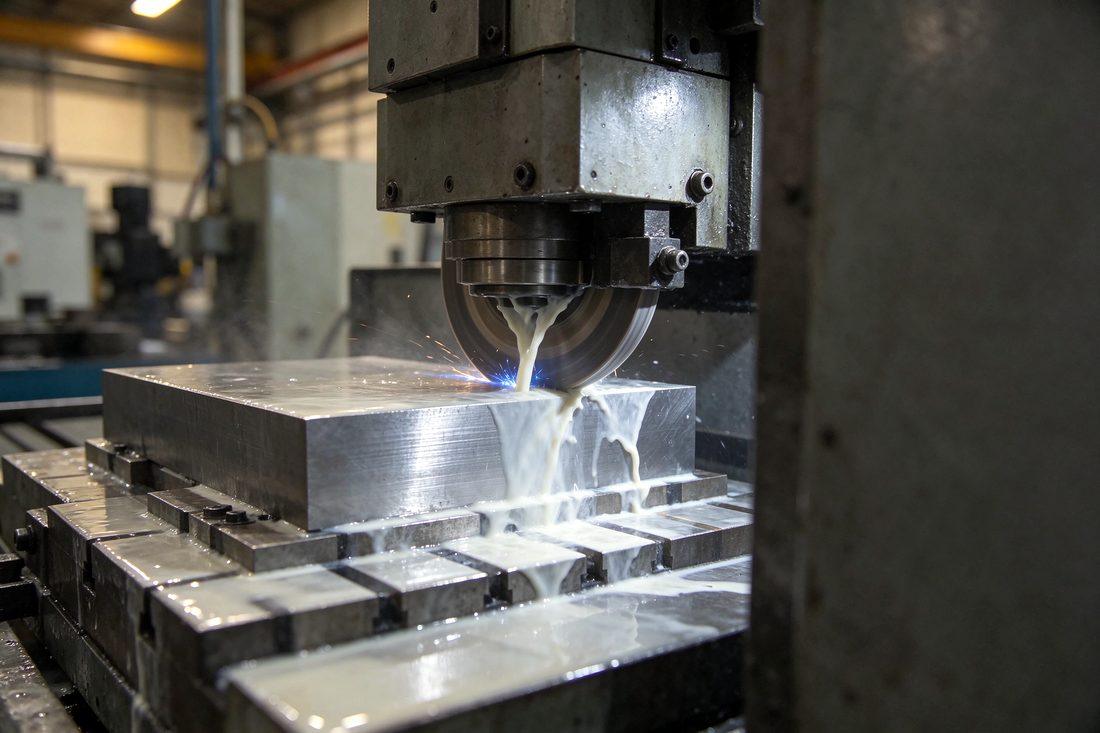
How much you can take off in one pass on a surface grinder, by material and hardness, plus why spark-out passes matter more than the big cut.
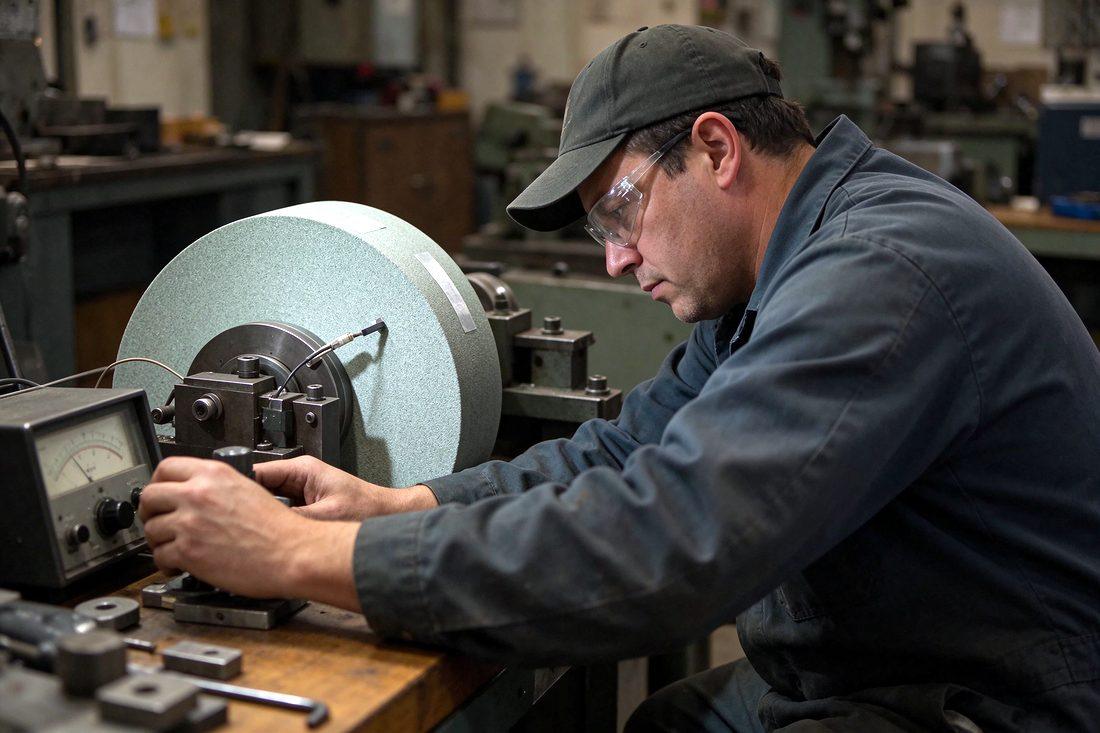
A working wheel grit chart for surface grinders: which grit gives which Ra and removal rate, and how to read a wheel marking like WA46KV.
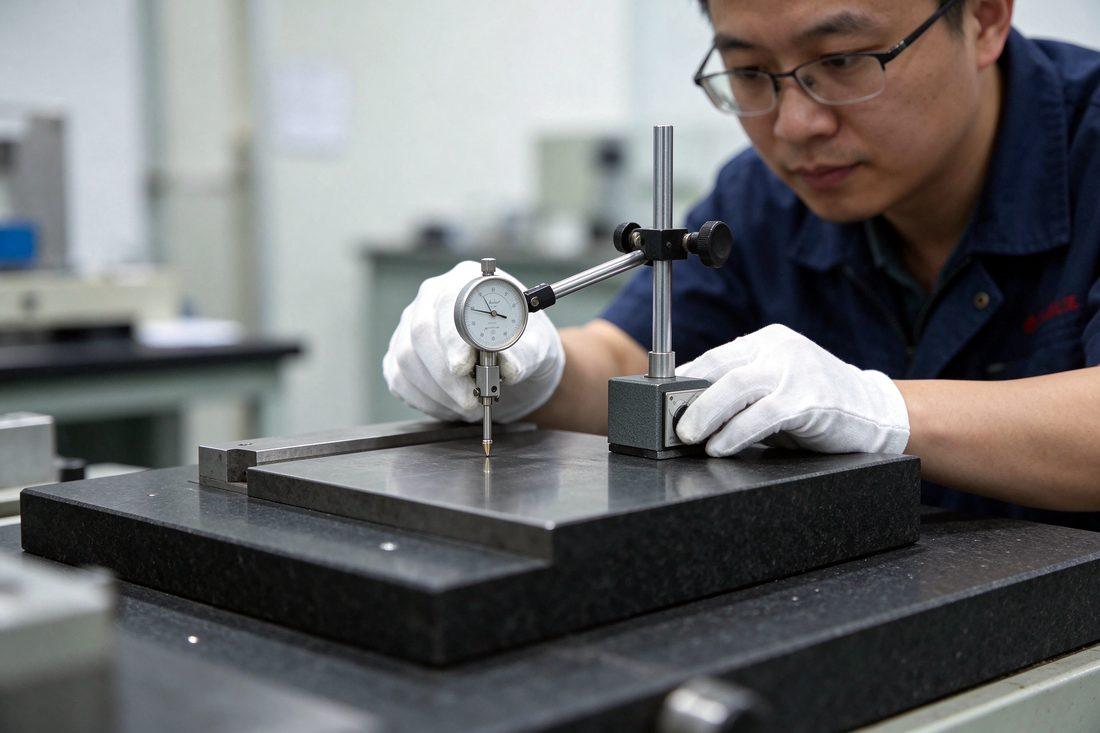
Real numbers for surface grinding tolerance: flatness, parallelism, thickness and finish, by machine class, and what breaks each one.
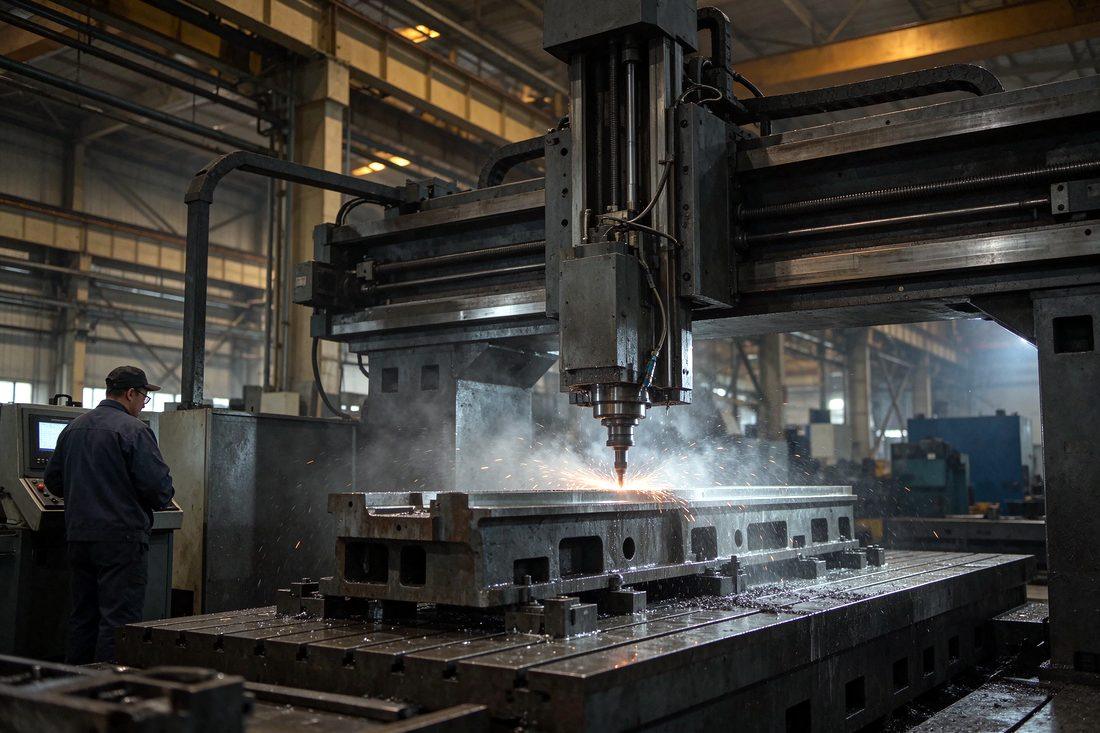
A surface grinder removes microns and holds flatness; a milling machine removes millimetres. Which one your part needs, decided by tolerance and finish.
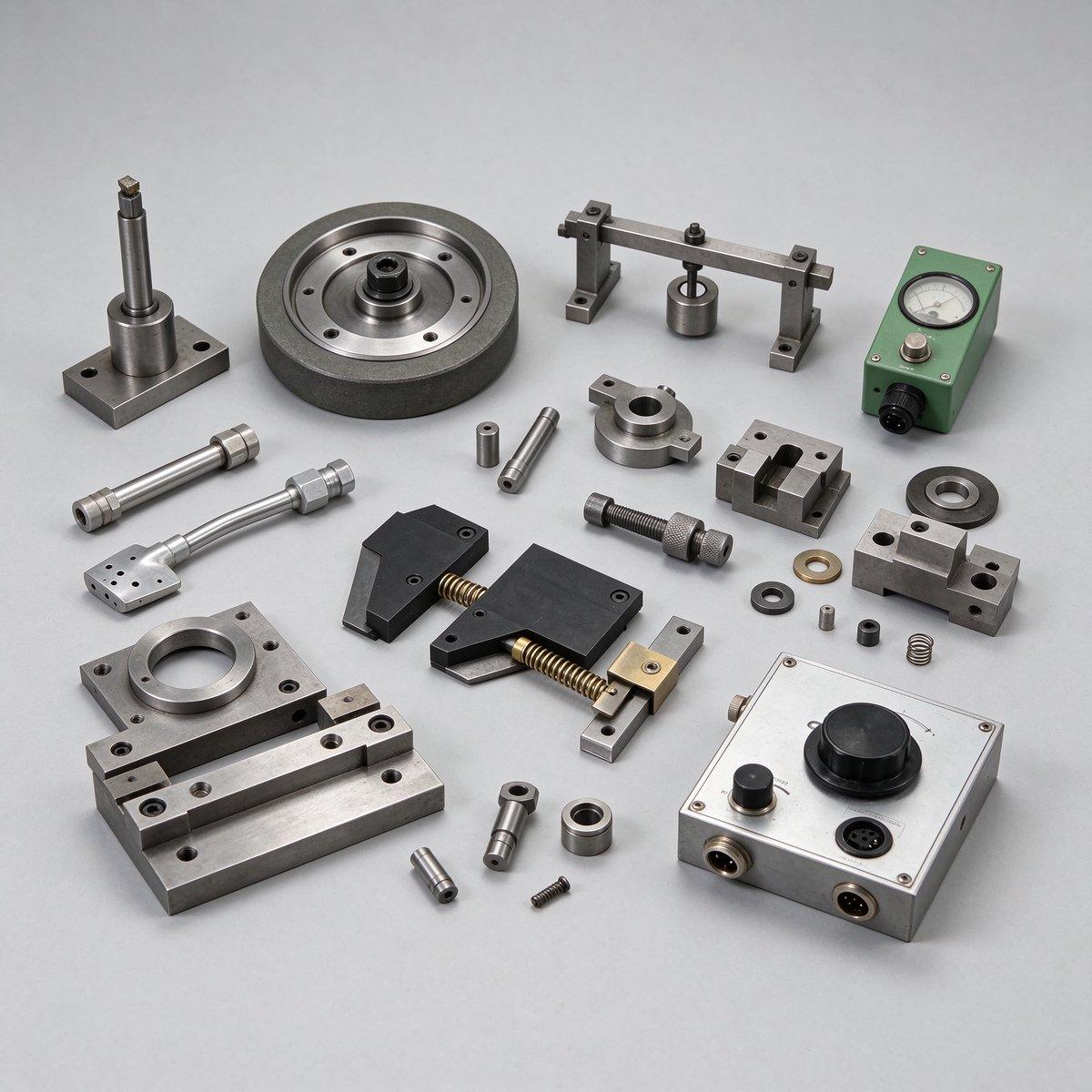
Which grinding wheel for die steel, hardened steel, aluminium, carbide and cast iron — grit, grade, bond and wheel size by material.
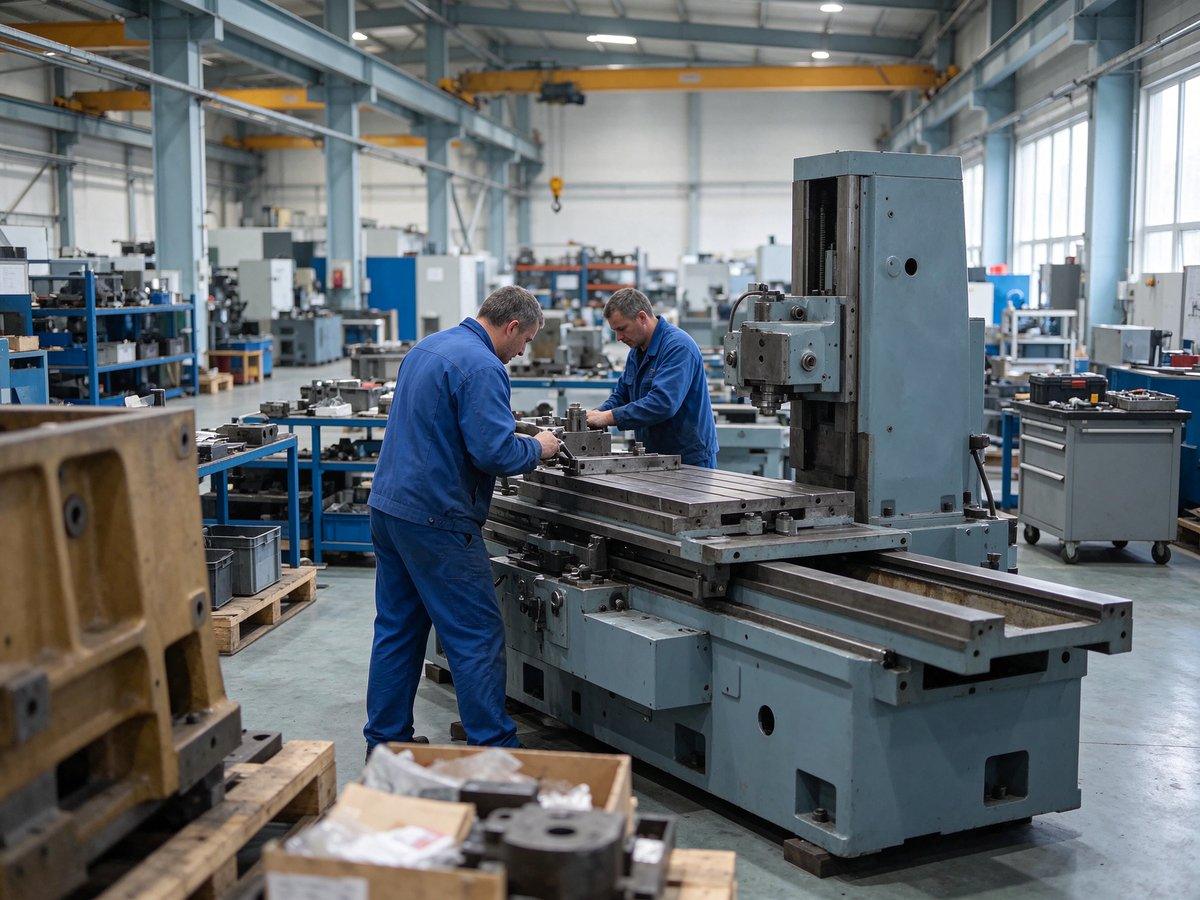
Dress depth, pass count, diamond tool angle and interval — the dressing procedure that keeps a surface grinder cutting instead of rubbing.
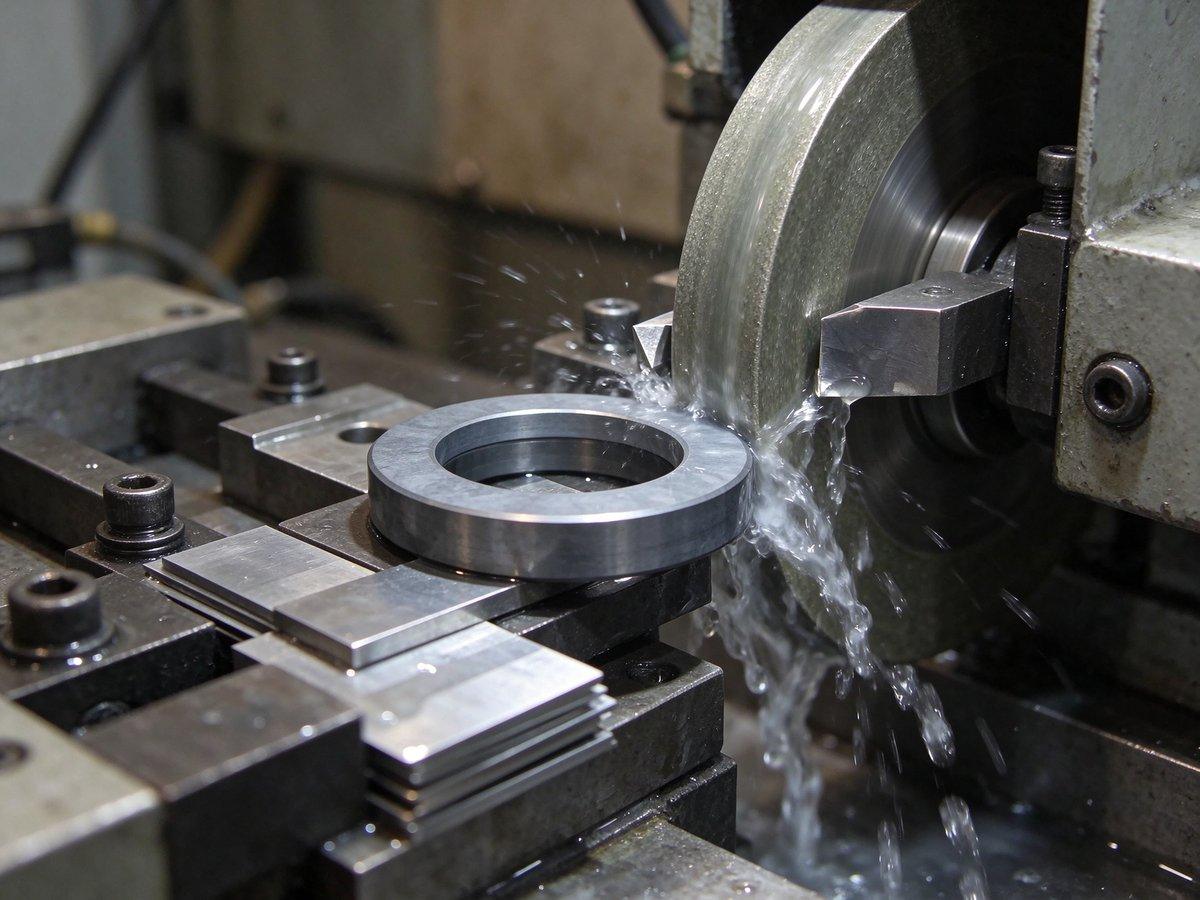
Grinding burn causes: glazed wheel, dirty coolant, too much depth of cut, wrong wheel grade. Diagnose by colour, then fix it in the right order.

Coolant concentration, flow rate, nozzle placement, filtration and change interval for precision surface grinding on steel, aluminium and carbide.
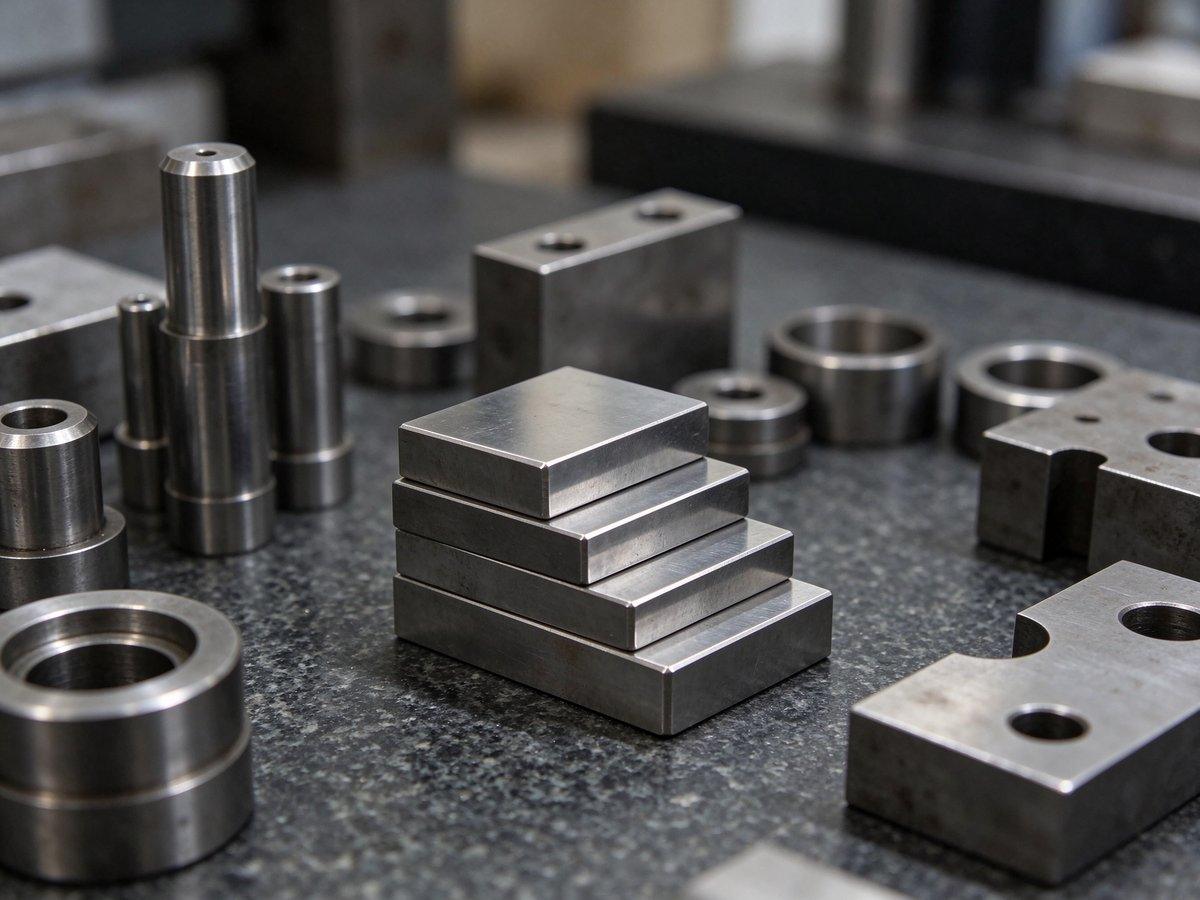
What Ra actually measures, which Ra values a surface grinder can achieve, and how wheel grit, dressing and depth of cut move the number.
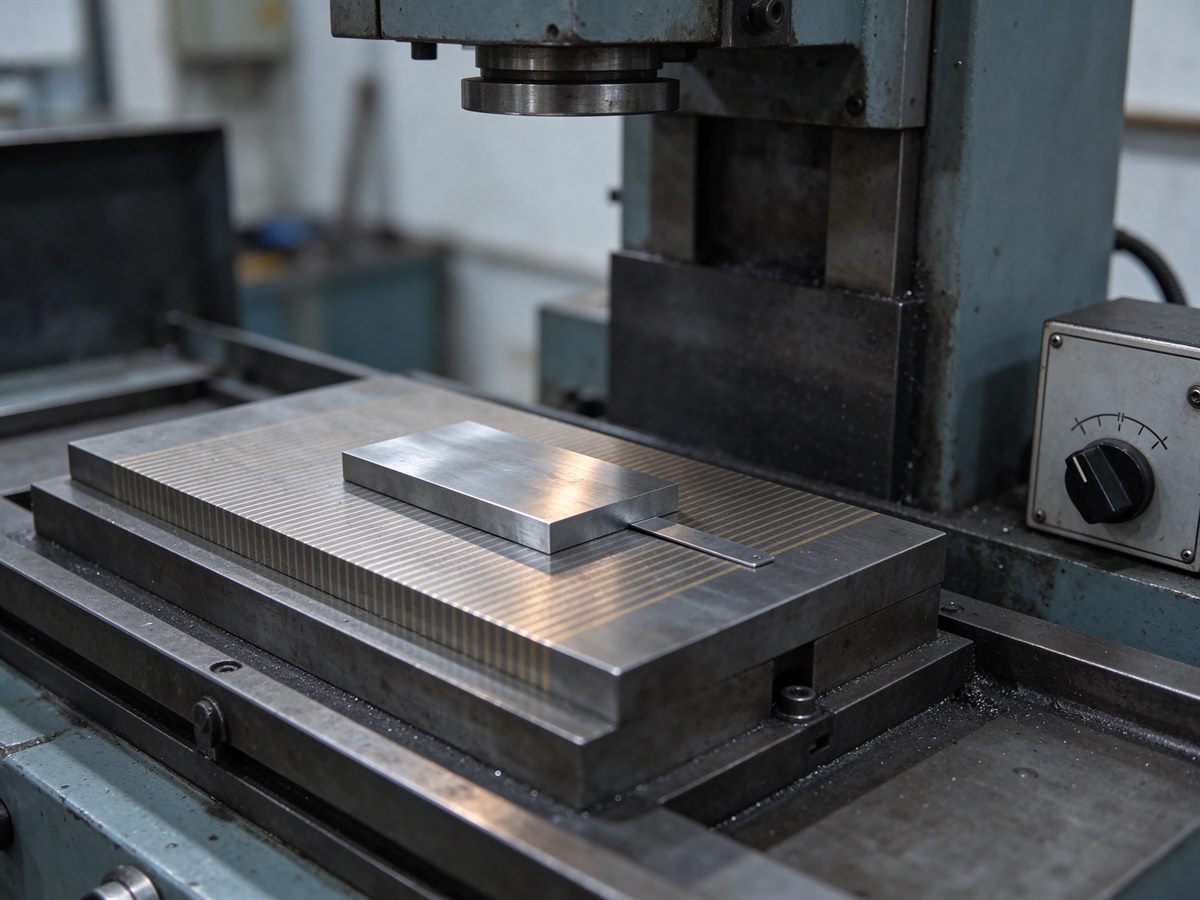
Fine pole or standard, permanent or electromagnetic, and why a 0.5 mm part needs a different chuck from a 50 mm block.
