What the plant actually does
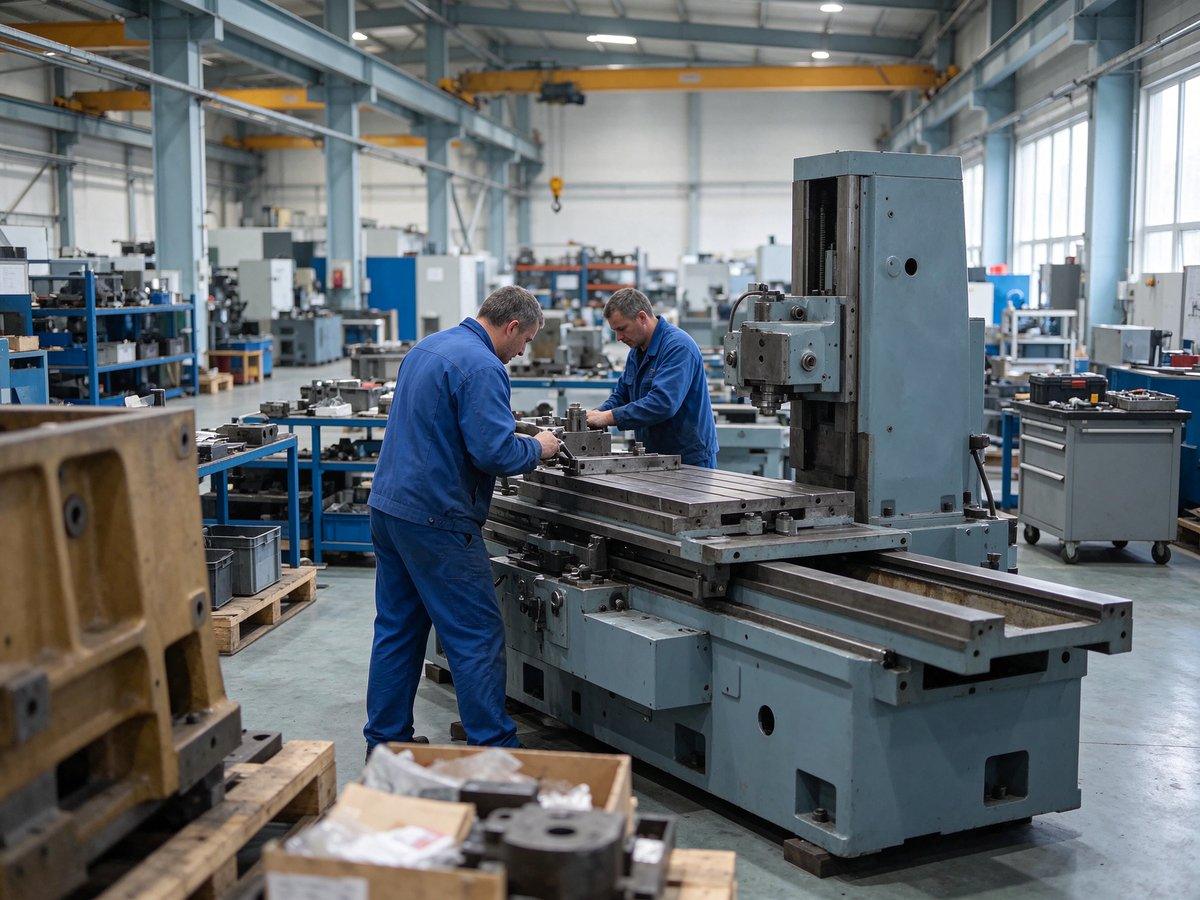
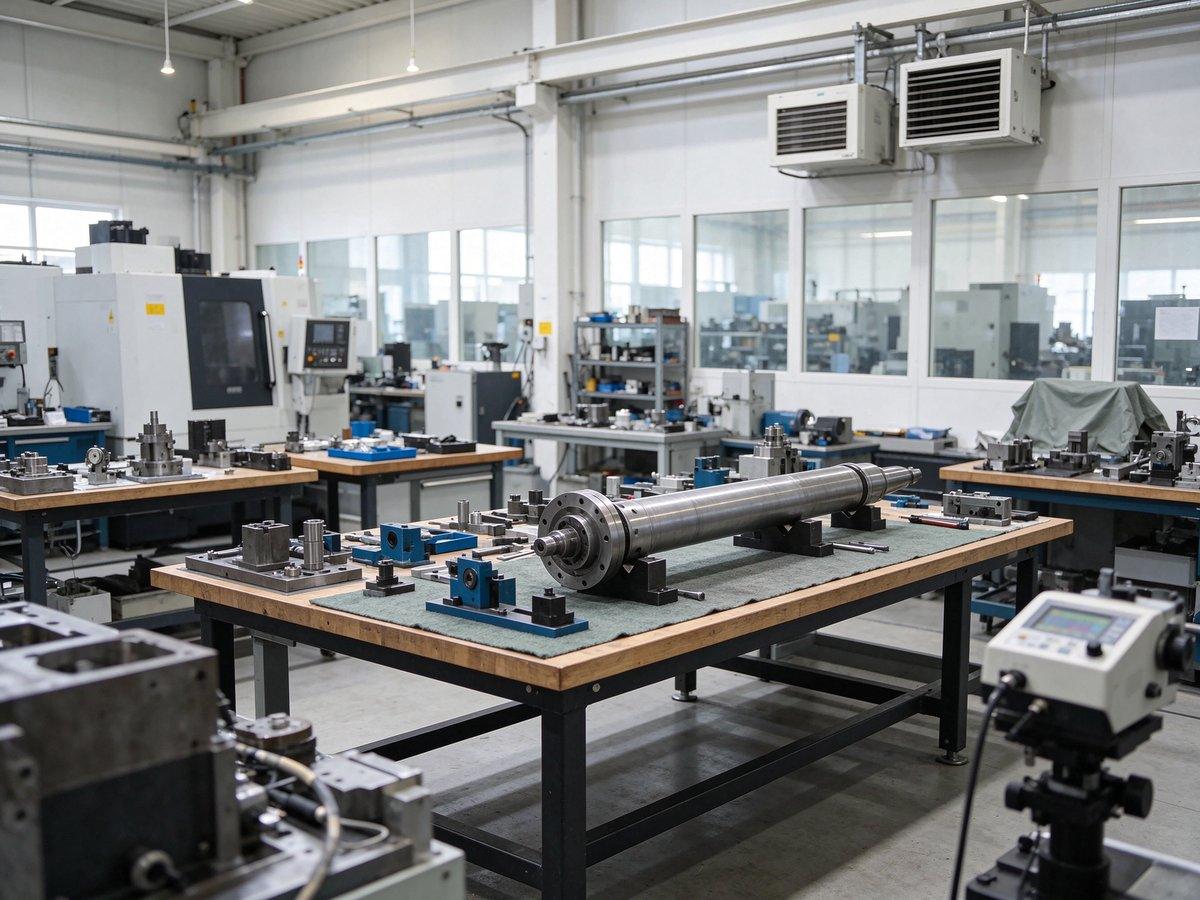
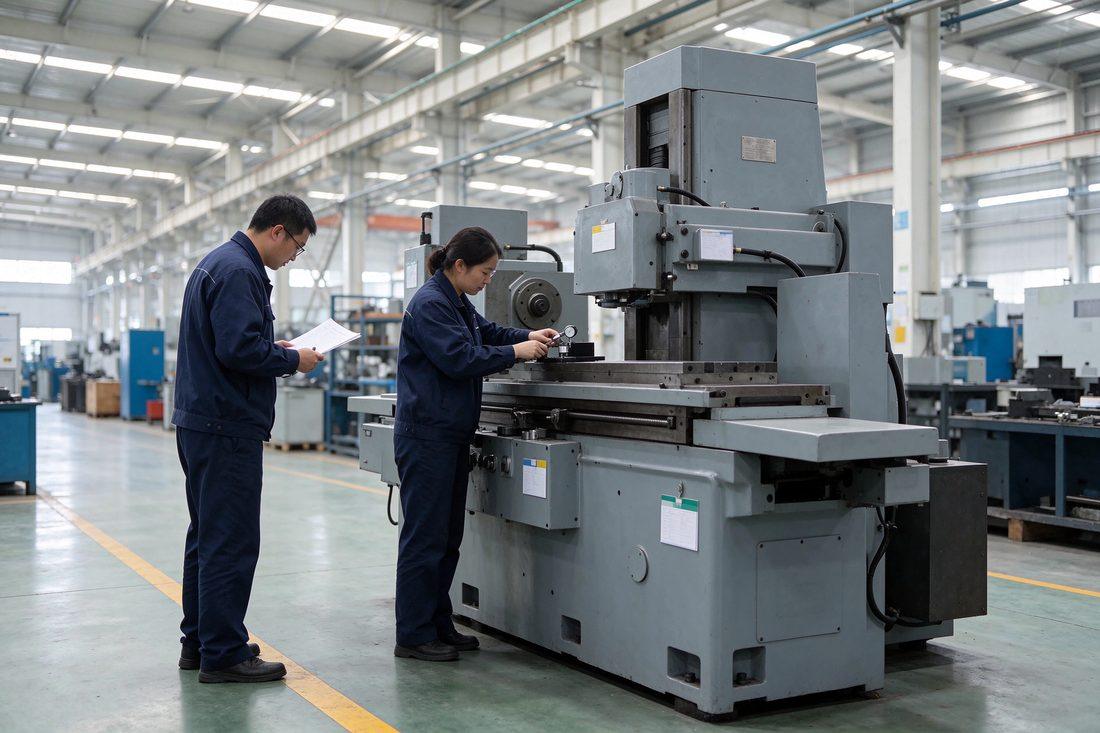
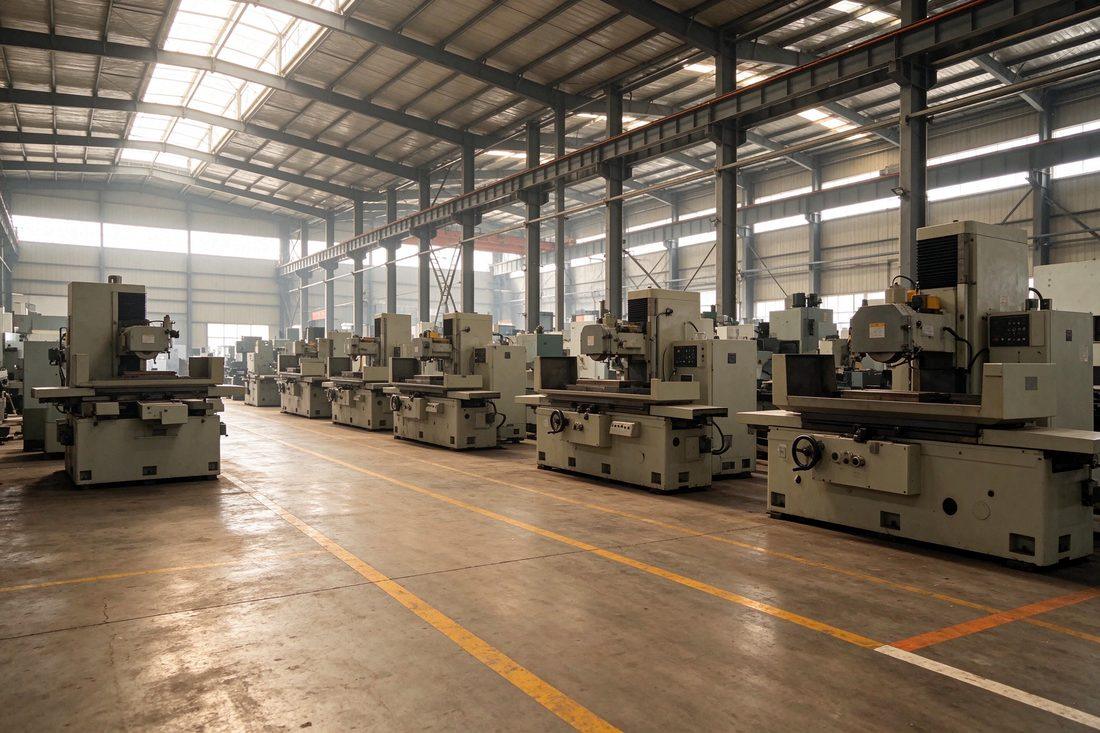
We are a machine builder, not a trading desk. The Xiaoshan plant near Hangzhou has been building surface grinders since 2002 as a Sino-Japanese joint venture, and the work is organised around five areas that a machine passes through in sequence:
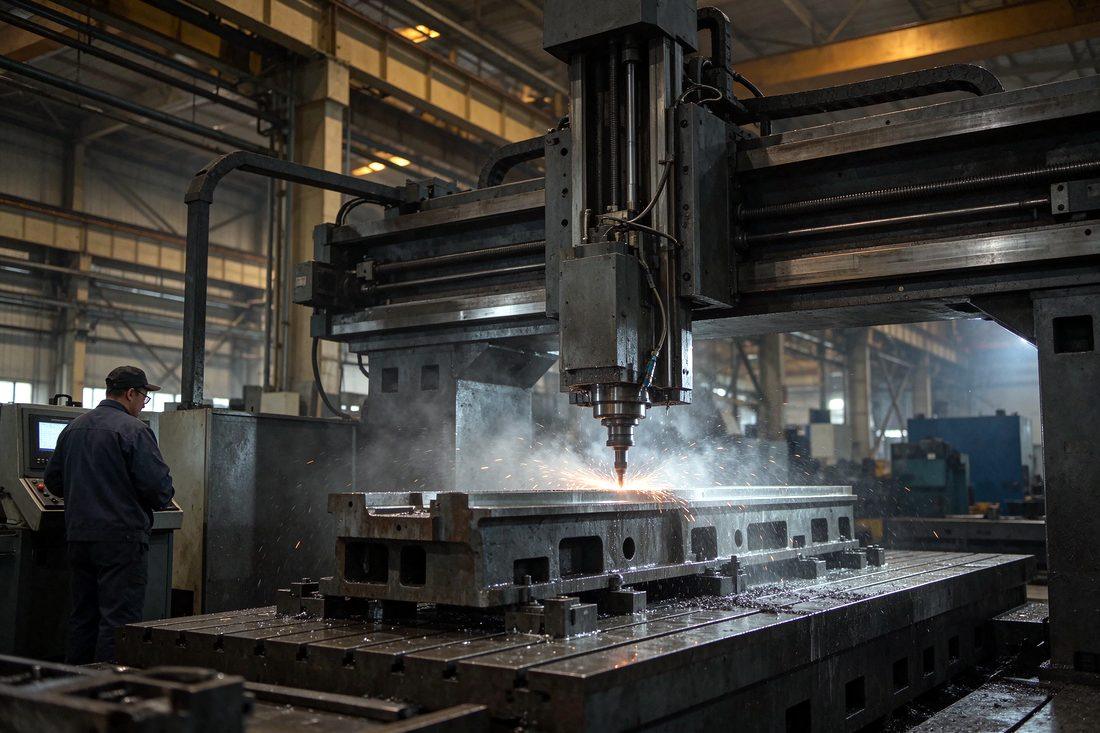
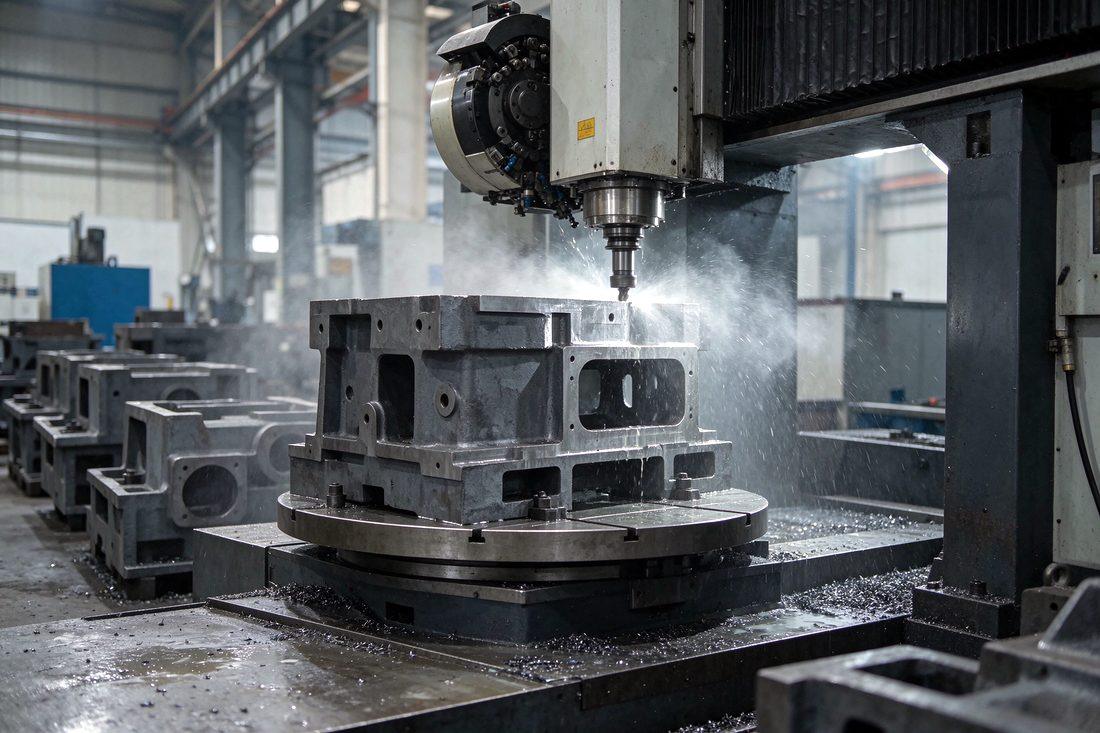
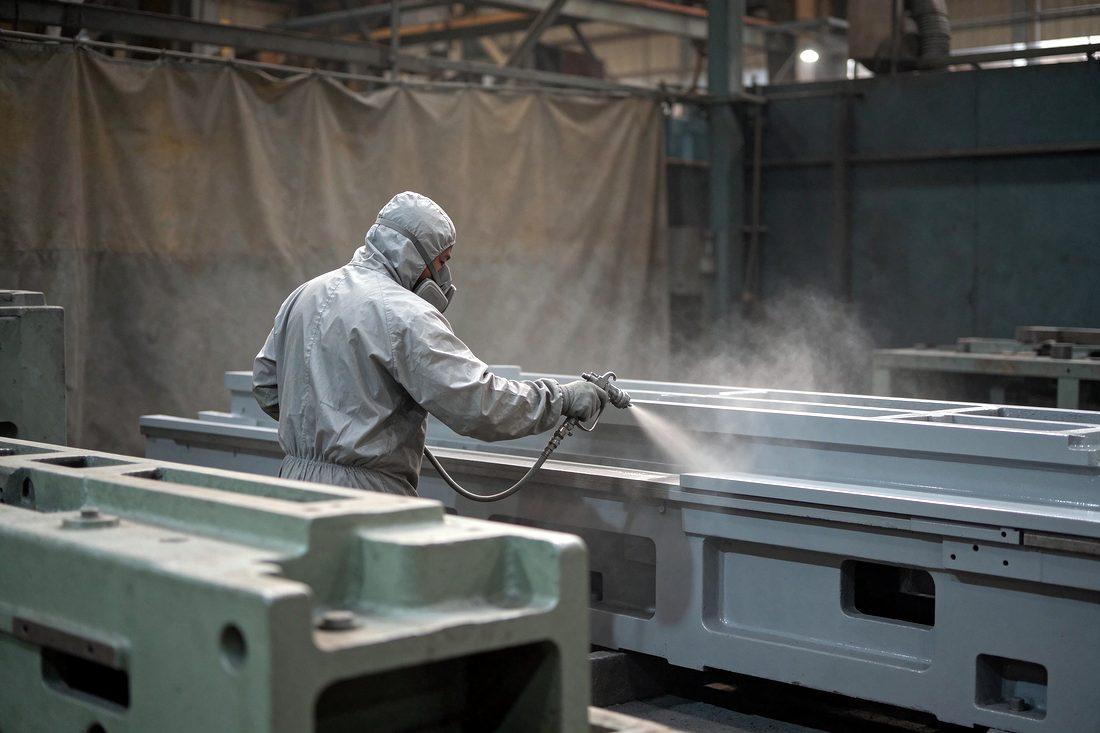
- Casting and machining — beds, columns and saddles are cast, stress-relieved, then machined. The stress relief matters more than the machining: an unrelieved casting moves after three months in a customer's shop and takes the flatness with it.
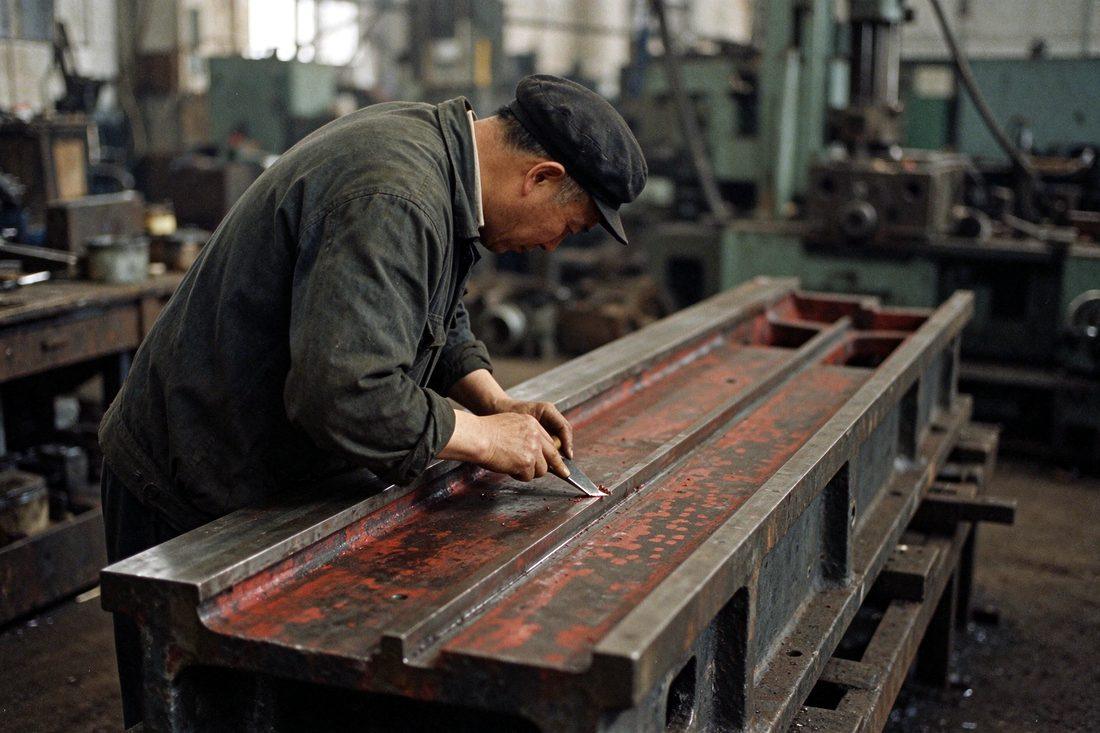
- Hand-scraping bay — the slideways are scraped by hand, not ground. Scraping gives oil-retaining spots and lets a fitter correct the geometry after assembly, which is where a 0.005 mm specification is actually made.
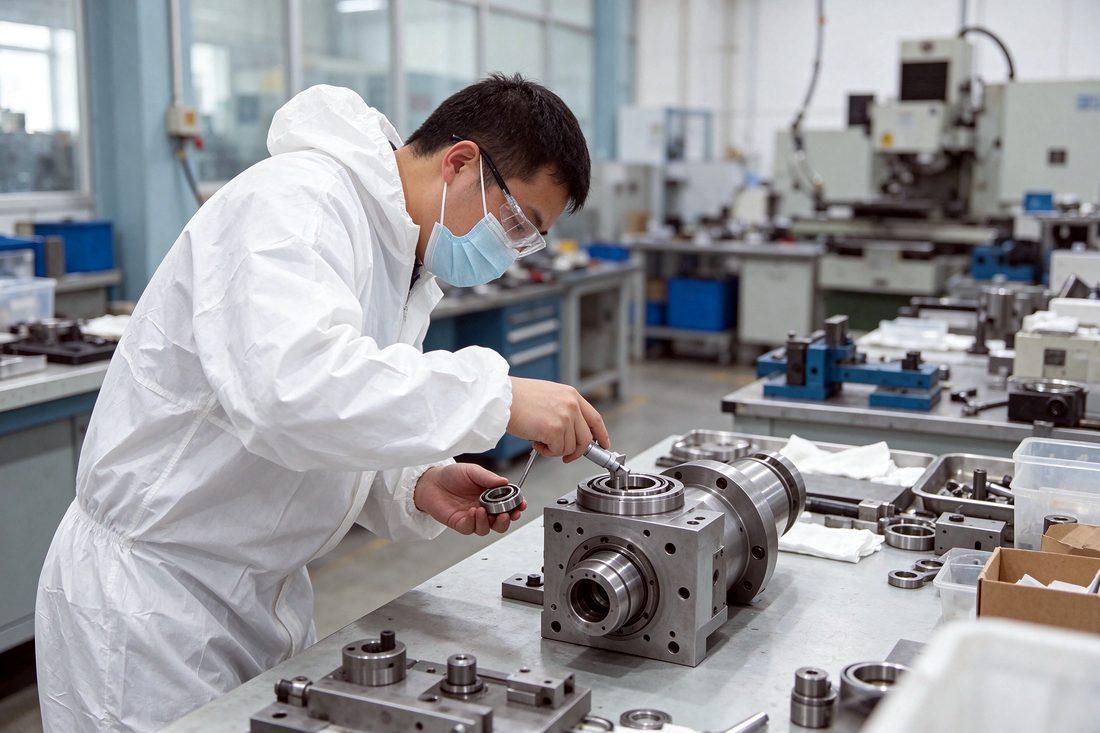
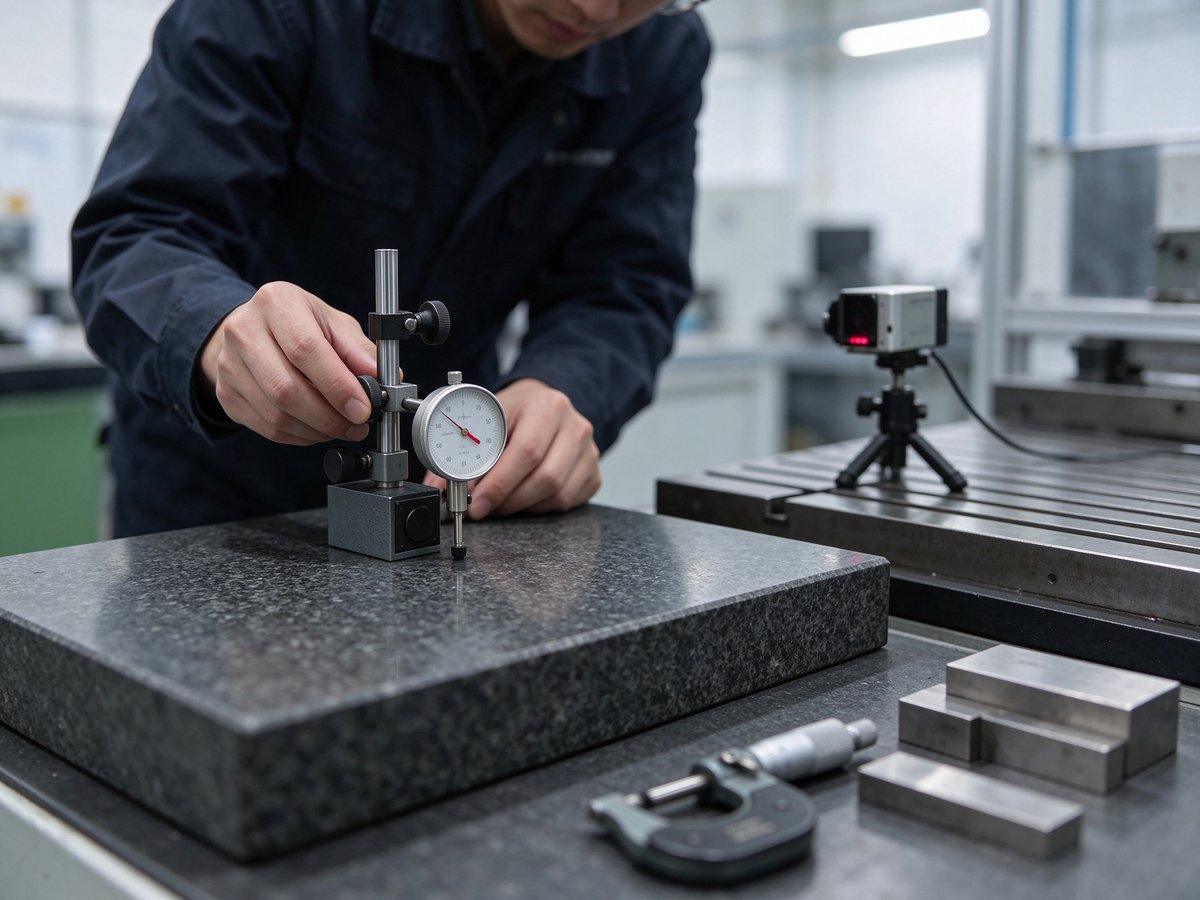
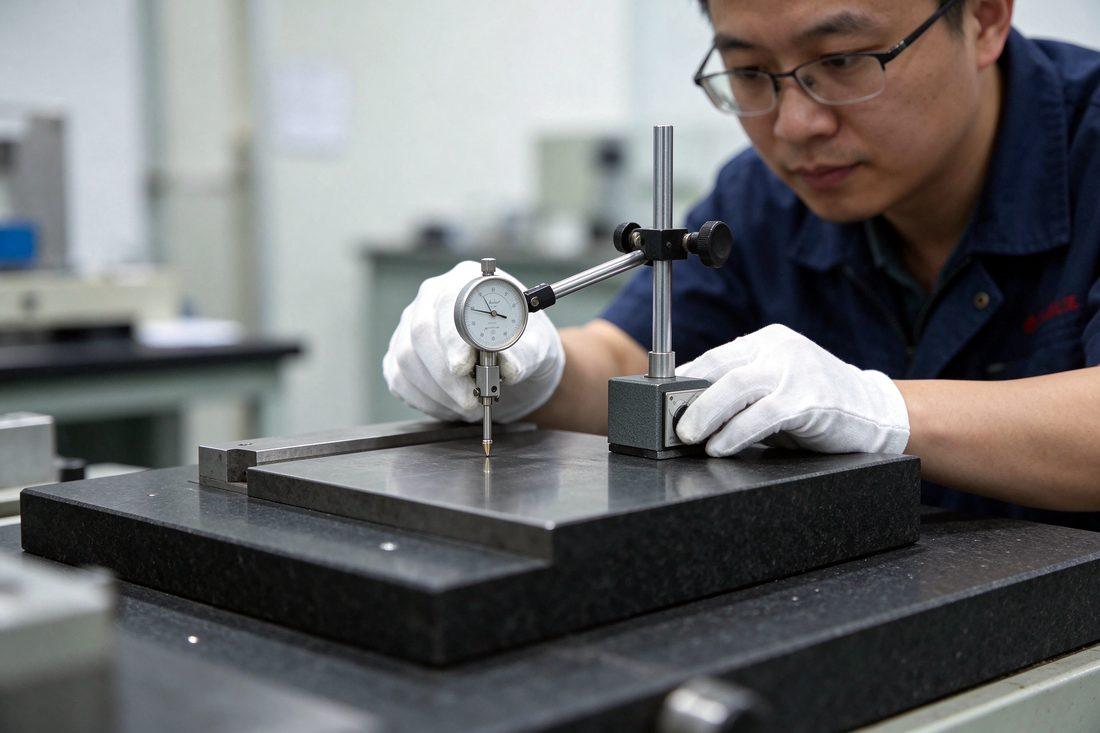
- Spindle room — spindle units are assembled, pre-loaded and balanced in a temperature-controlled room, with runout checked on a granite plate. Every spindle leaves with its own measurement record.
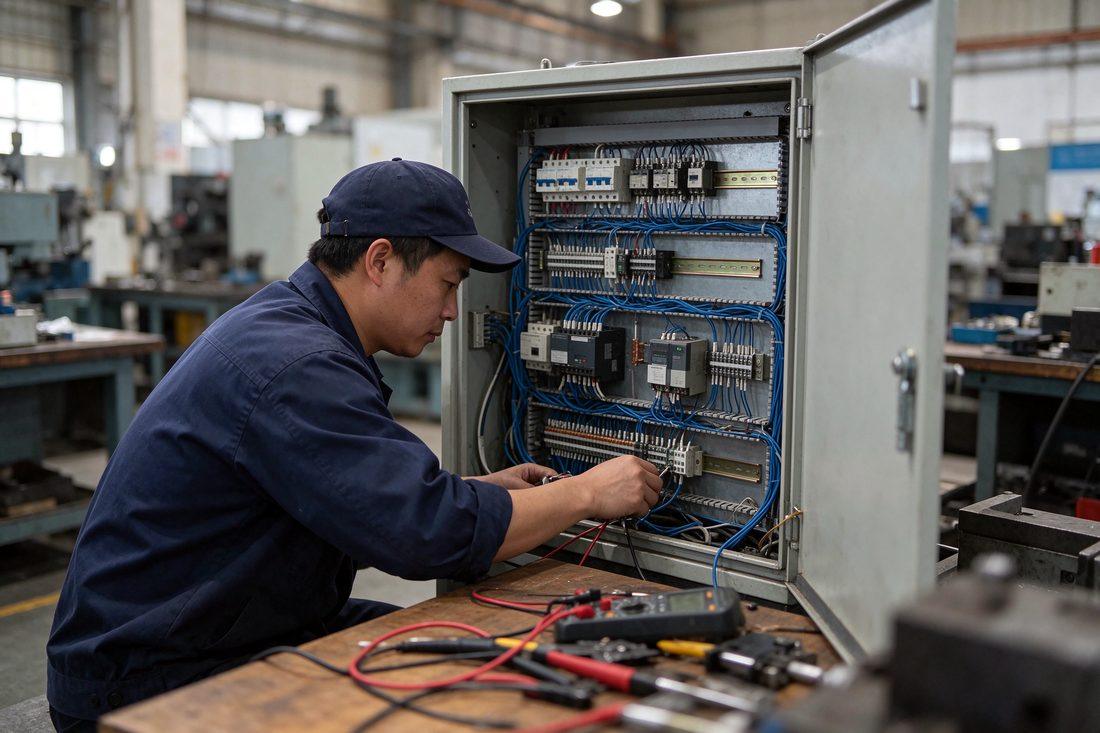
- Assembly lines — one line for the 250–500 mm class, one for the long-table and gantry class. Machines are assembled, wired, and run under power before they are allowed into the test bay.
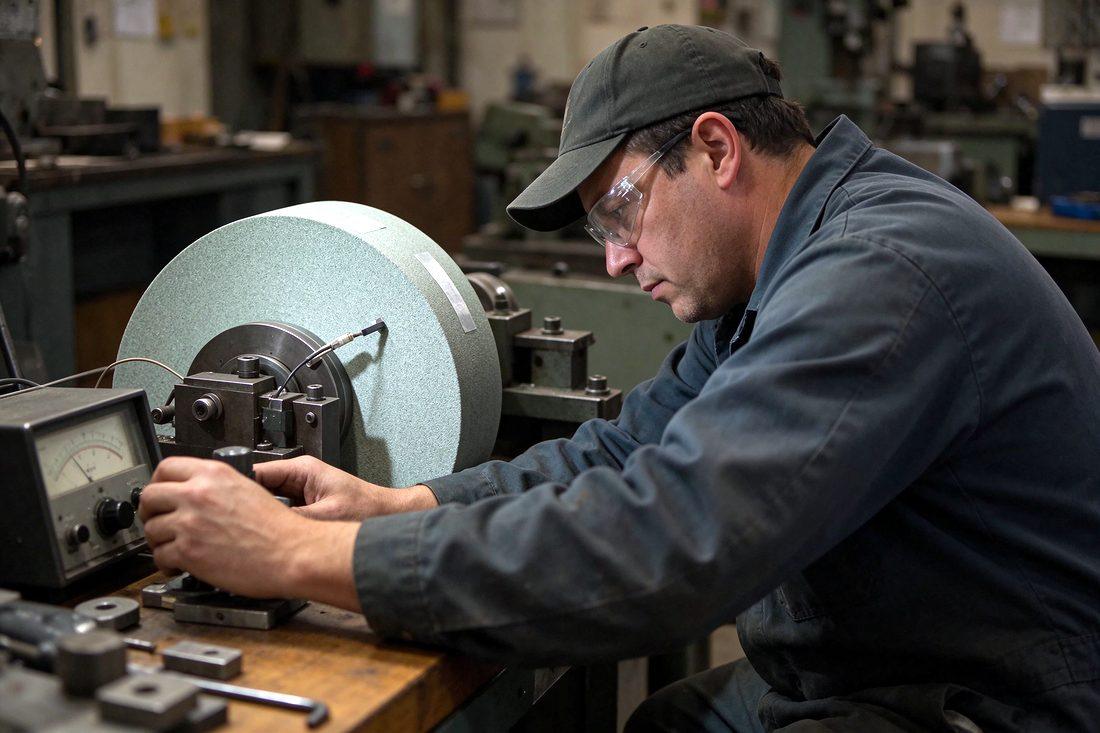
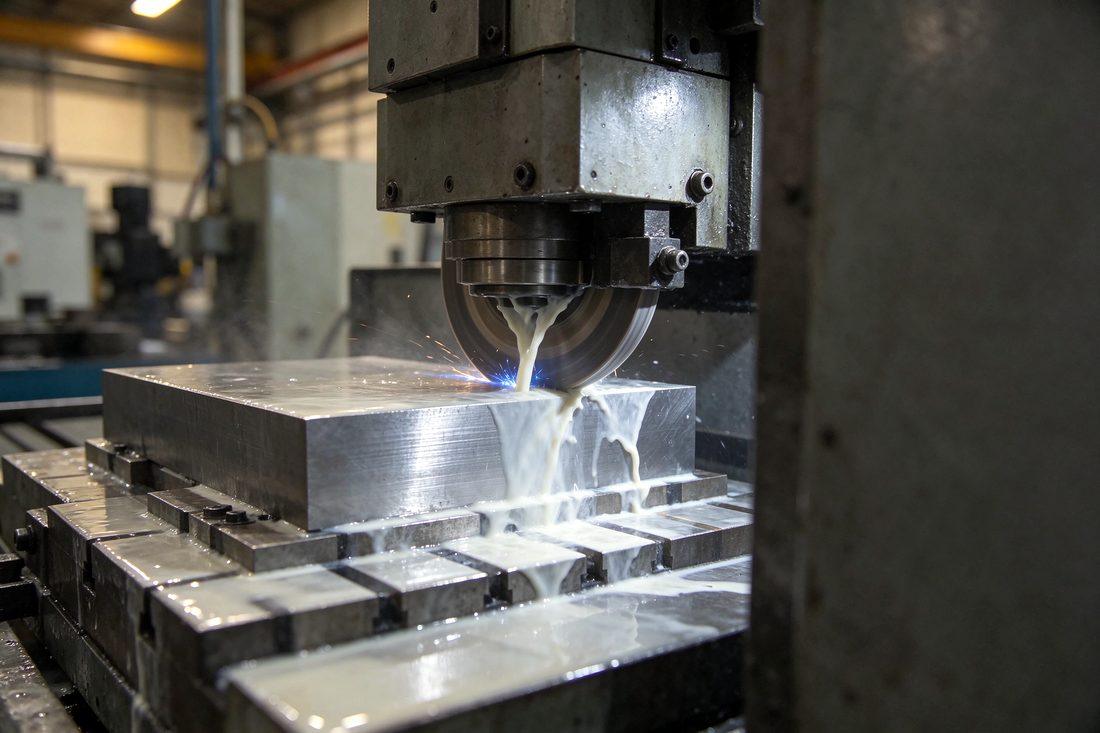
- Metrology and test grinding — laser checks on positioning and squareness, then an actual grind on a hardened sample. A machine that cannot produce an acceptable test part does not get crated, whatever the laser says.
How quality is gated
There are four gates, and each one can send a machine back:
- Gate 1, incoming castings and bought-in parts — dimensional check plus a material certificate for the castings. Bearings, screws and drives are checked against the supplier's certificate.
- Gate 2, sub-assembly — spindle runout, slide fit and lubrication verified before the assembly line sees the part.
- Gate 3, machine under power — every axis run through its full travel, hydraulic pressure and flow checked, coolant and electrical safety tested.
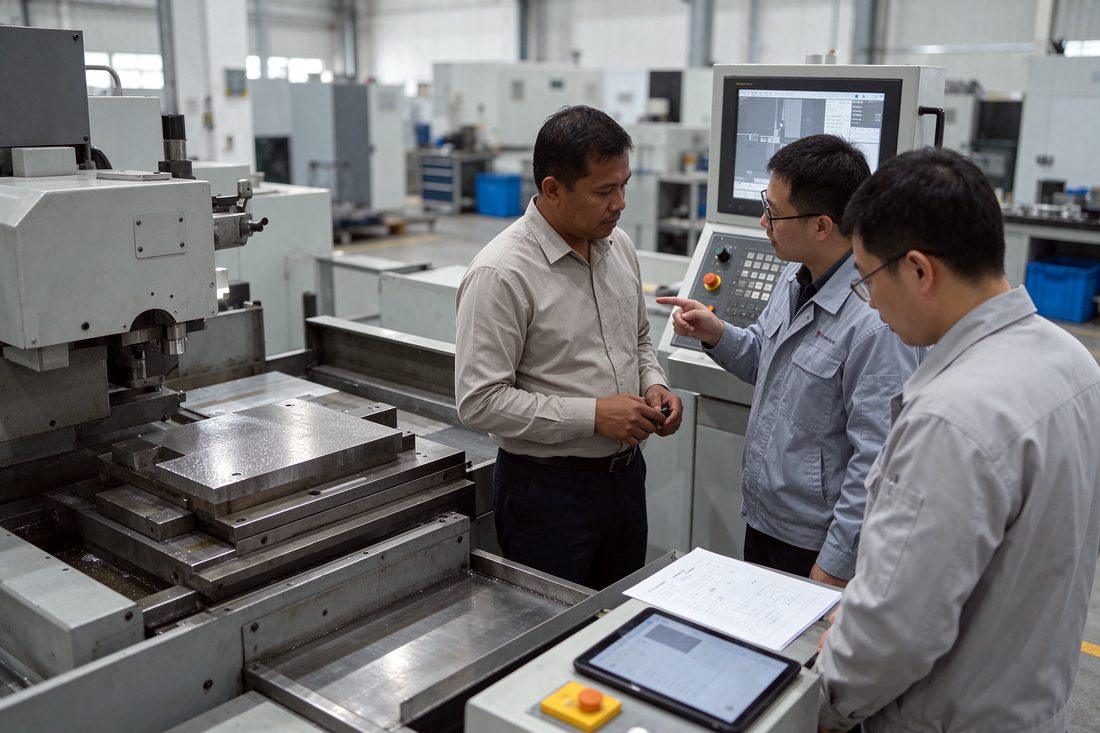
- Gate 4, test part — a hardened block ground and measured for flatness, parallelism and roughness. The figures go onto the machine's record, which travels with the machine.
What ships in the crate
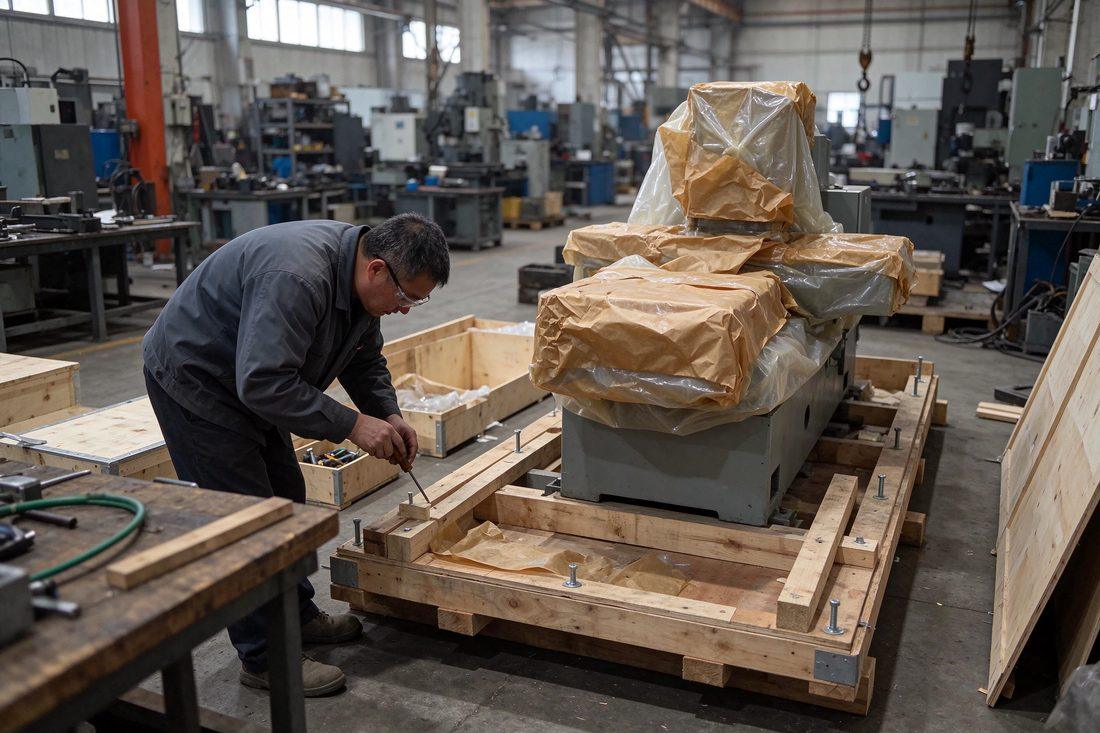
A machine leaves with more than a machine: the test-part record, the laser record for CNC, PLC and gantry builds, the electrical diagram, the English operation and maintenance manual, a spare-parts list with part numbers, the tool kit, the wheel and flange, and the balancing arbor. If you need documentation in another language or a third-party pre-shipment inspection, tell us at the order stage — an SGS or Bureau Veritas inspection can be arranged before crating.
Capacity, lead time and how orders run
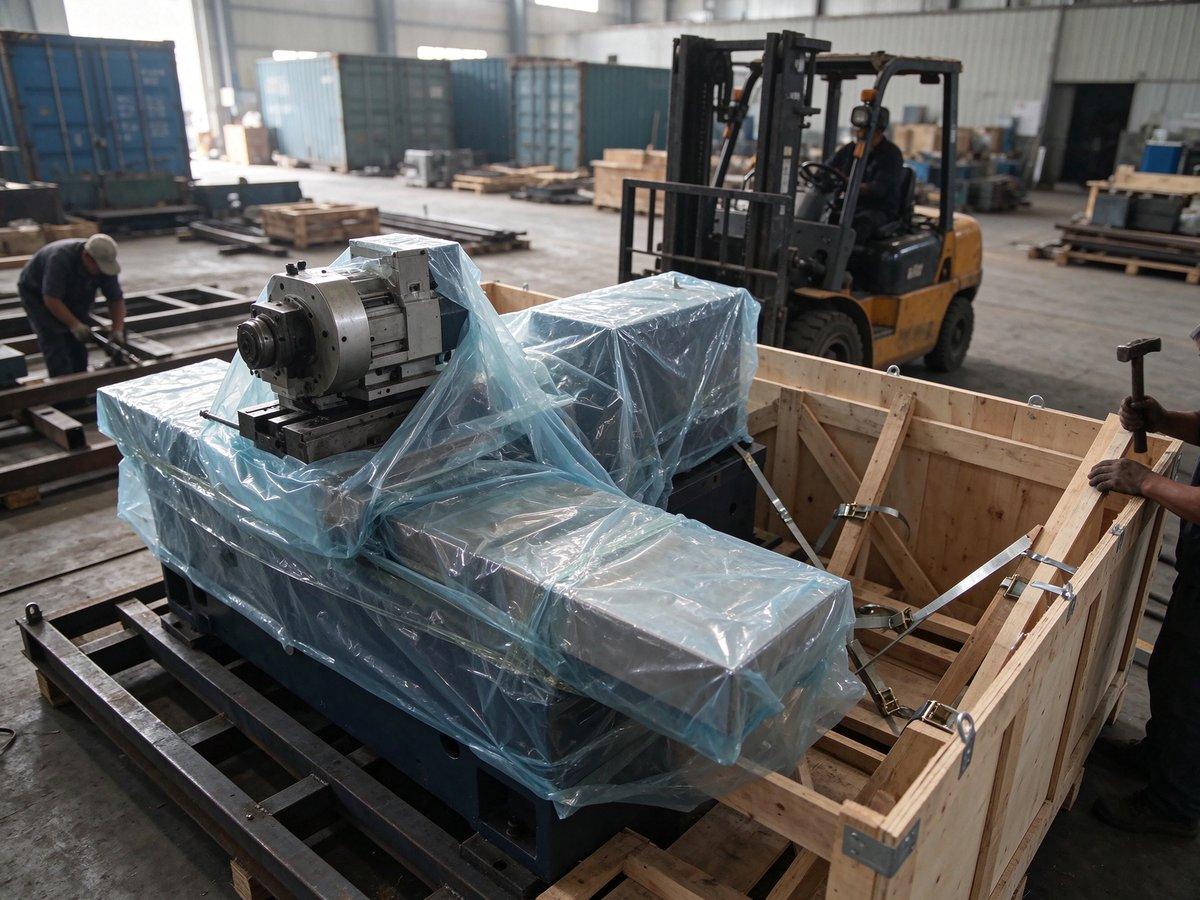
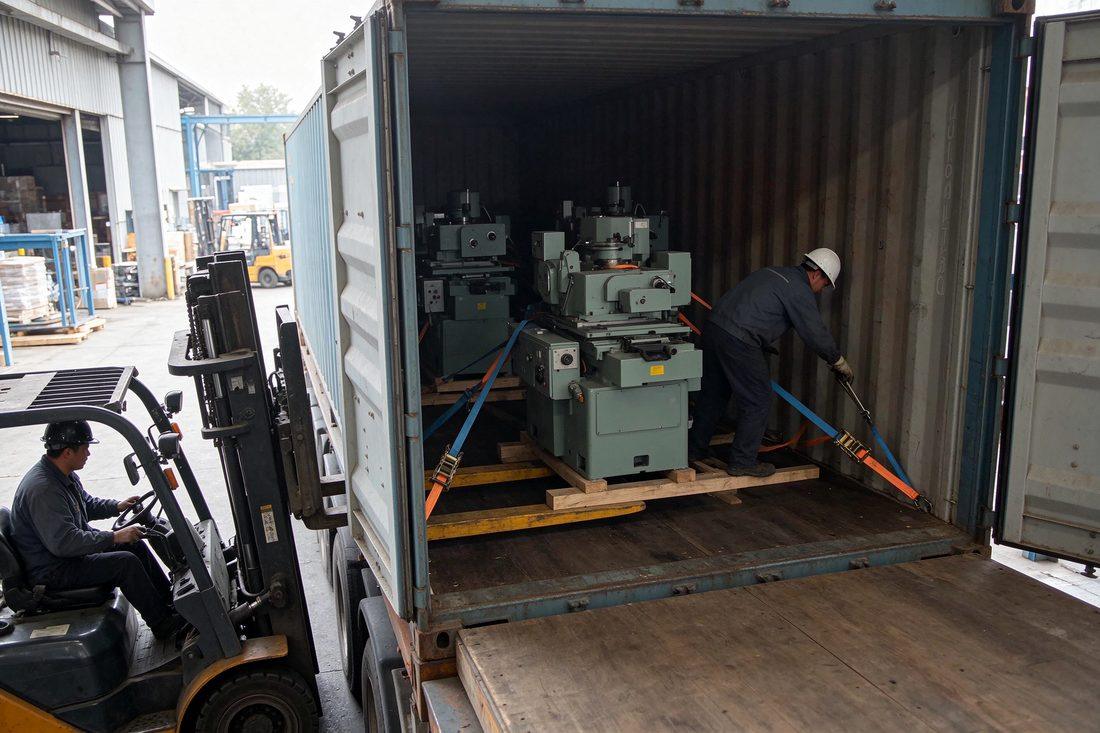
Standard models run 25–45 days from order to crating; long-table and gantry builds take 60–90 days because the guideways are scraped in sections and verified over full travel. A typical order runs: drawing confirmation and deposit, casting and machining, assembly, test grinding, pre-shipment inspection if requested, crating with VCI film and fumigated plywood, then FOB Ningbo or Shanghai — or CIF/DAP if you prefer we handle the freight.
Where to check us before you commit
Three things a buyer can verify without visiting: the certifications and the documents that ship with each machine, the field reports from customers already running our machines in Thailand, Vietnam, Indonesia, Malaysia, Turkey, Mexico and the Gulf, and the catalogues and spec sheets, which carry the same figures as the specification tables on this site. If you want to see the plant, we host customer visits in Xiaoshan — arrange one through the contact page.