Quality certifications and compliance credentials
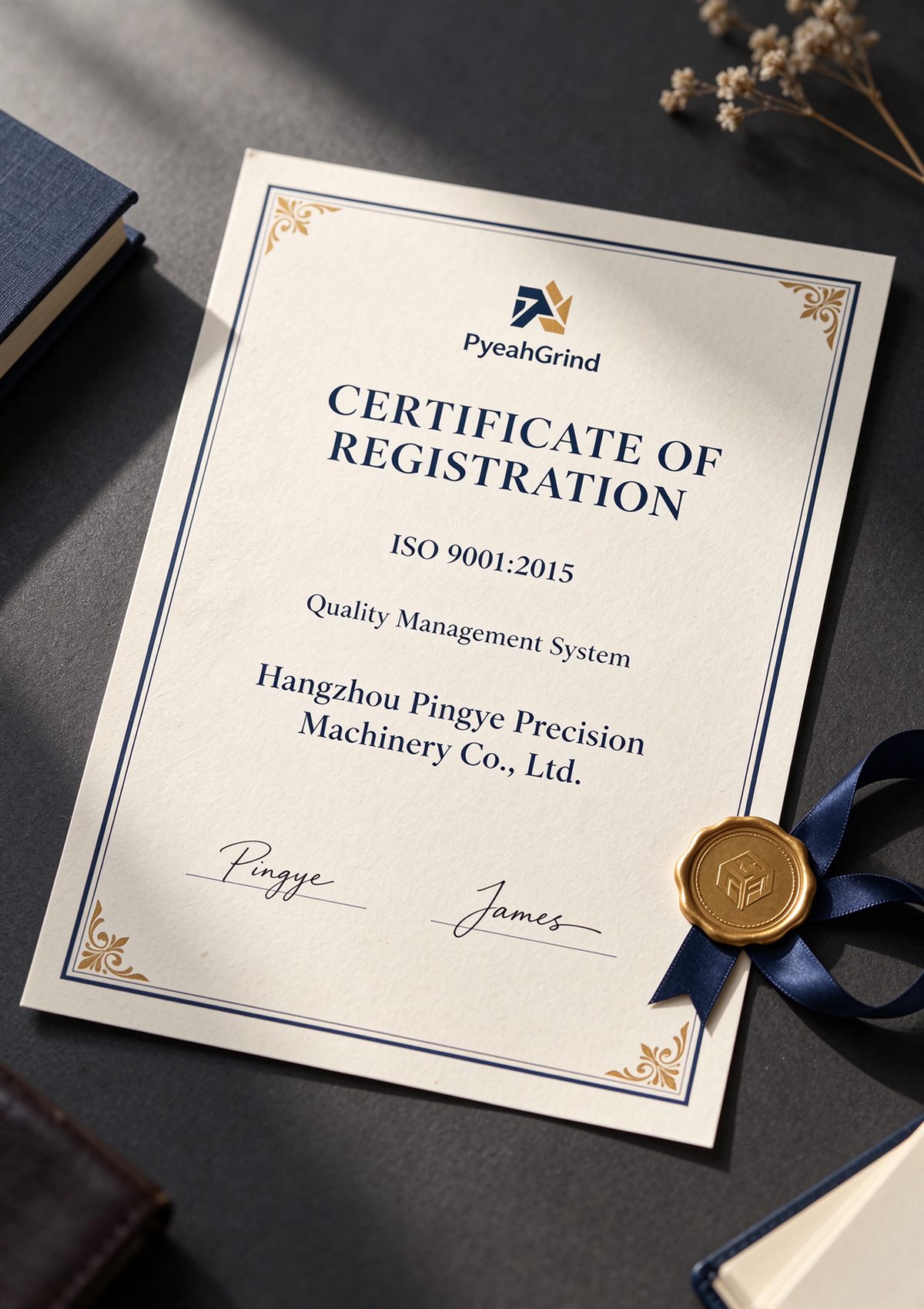
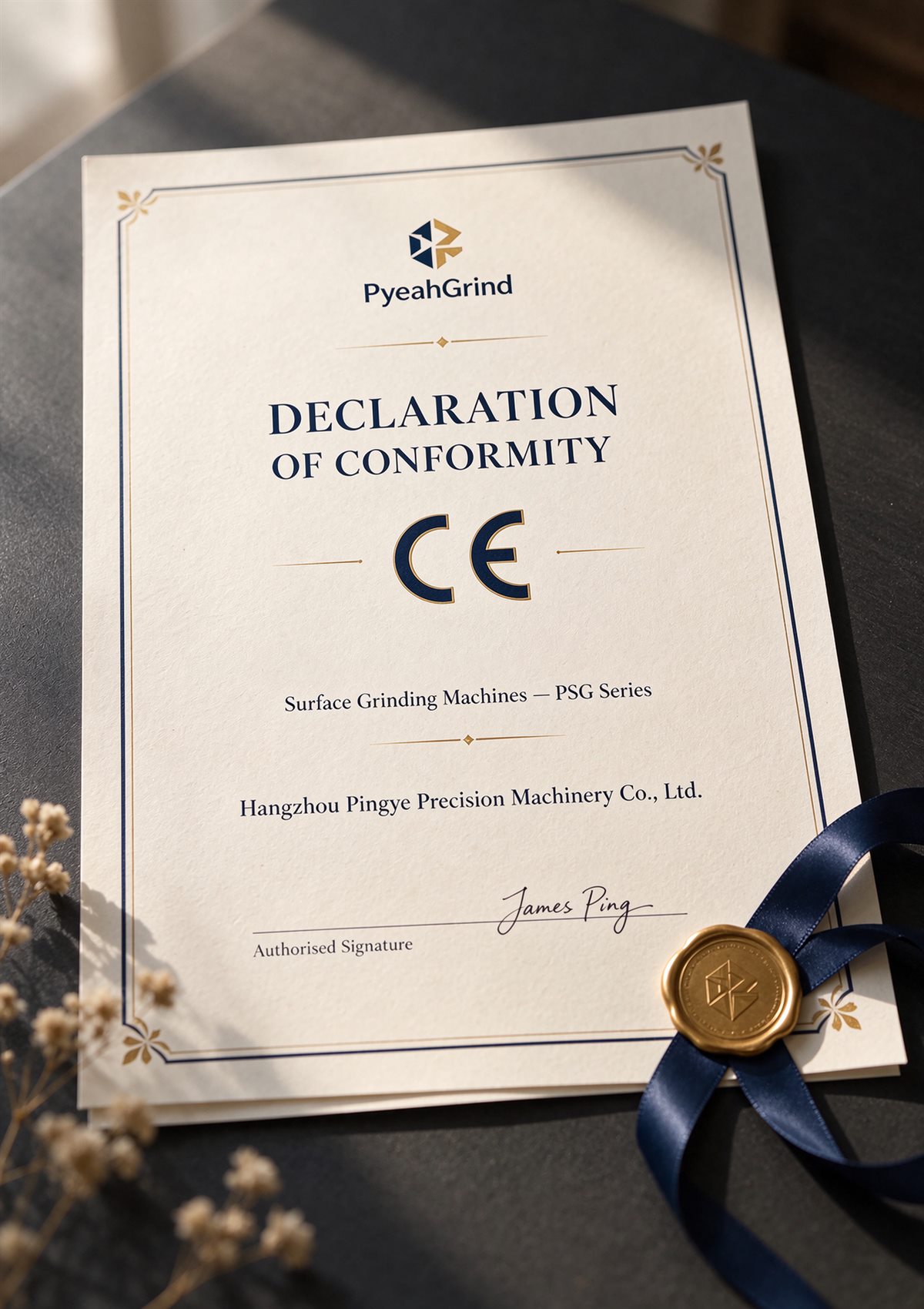
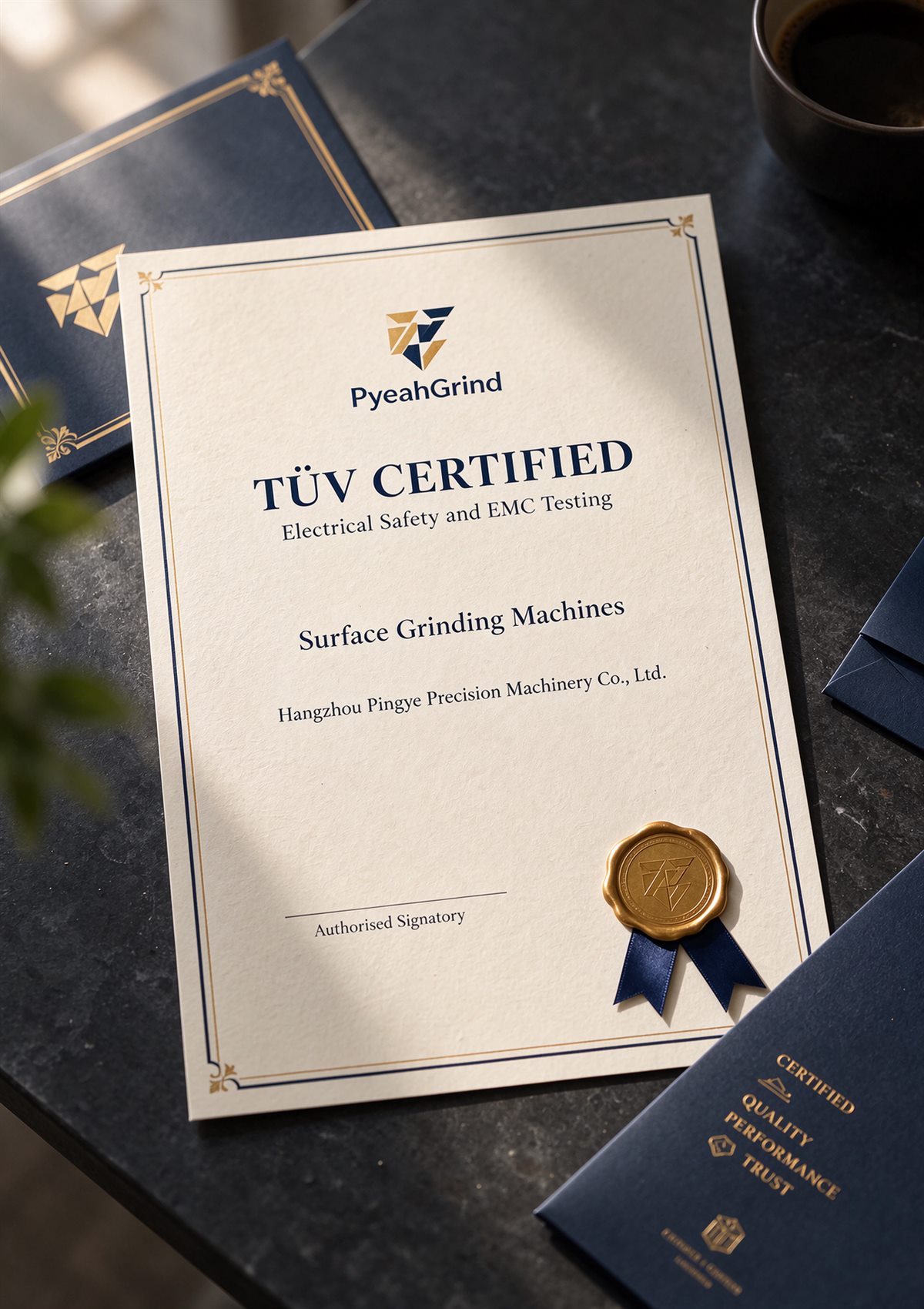
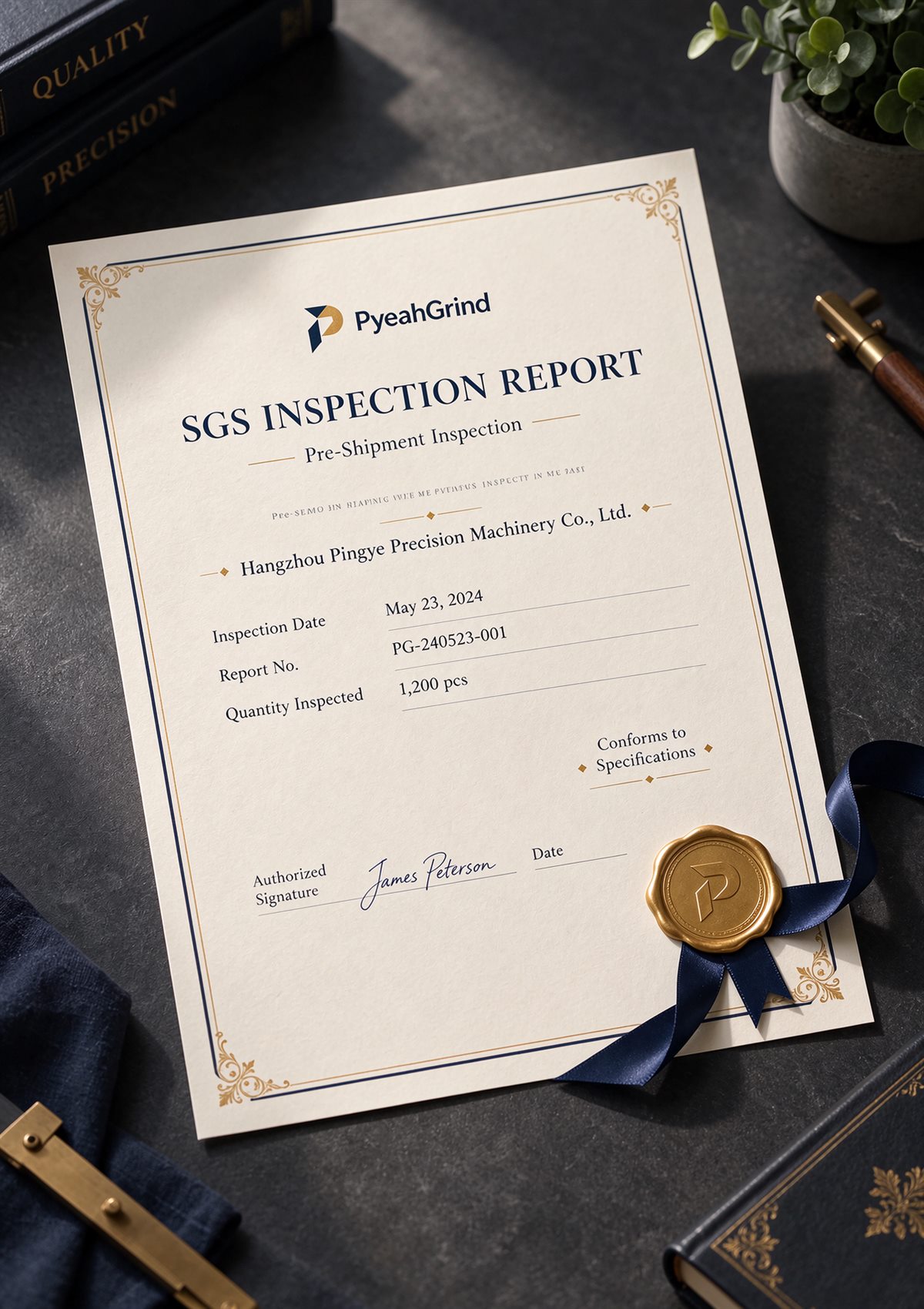
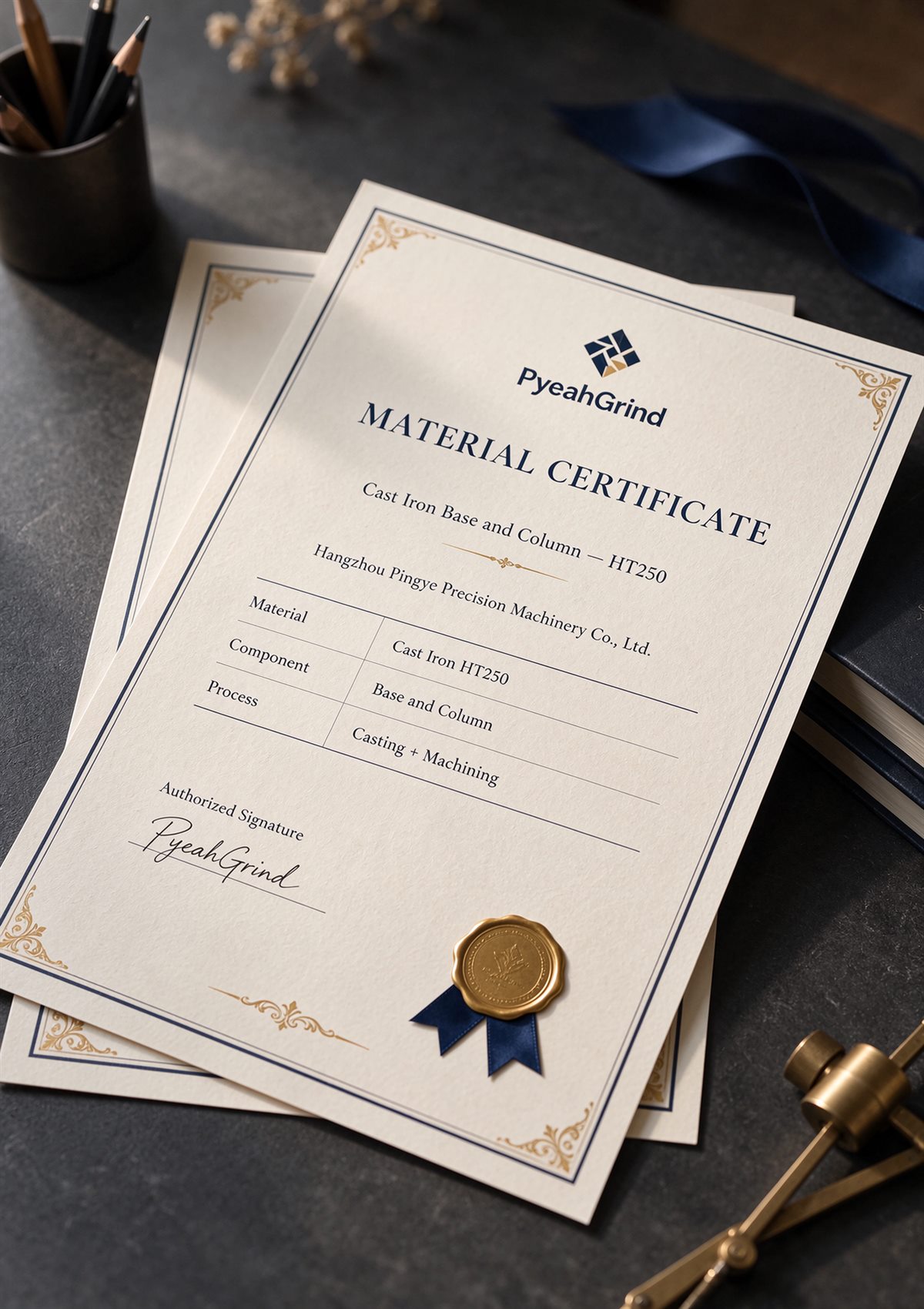
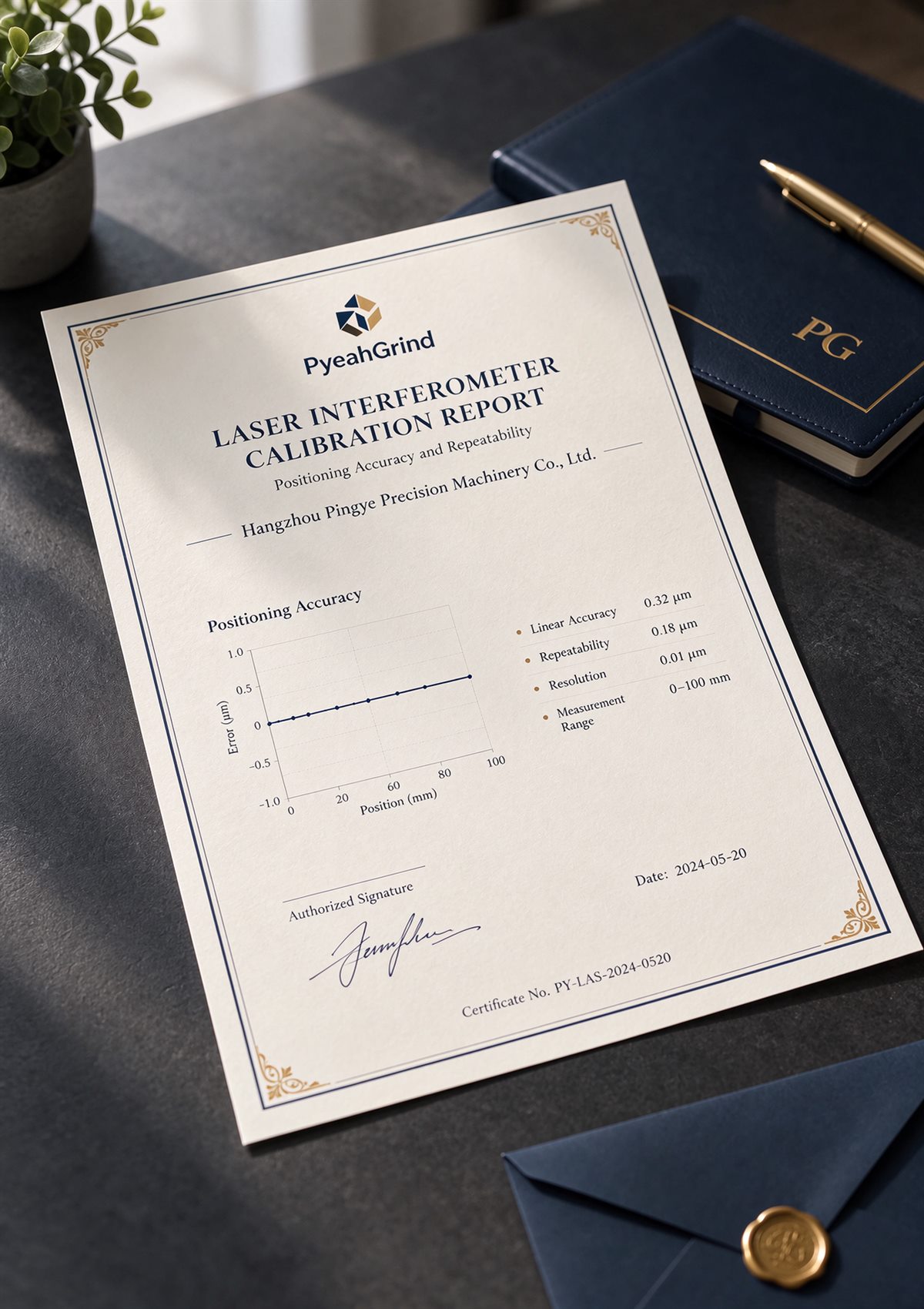
A certificate on a website proves a system exists; it does not prove a machine is accurate. Both matter, and it is worth knowing which one you are looking at:
What none of them do is replace the acceptance test. Ask for the test-part record and the laser record for the specific serial number you are buying — that is the document that tells you what your machine does, and we send it as standard. How each tolerance is measured, and on what, is set out on the accuracy and inspection page.
Can you supply a certificate of origin? Yes, on request with the order.
Can a third party inspect before shipment? Yes — SGS, Bureau Veritas or your own inspector, at the plant before crating. Tell us at the order stage so the schedule allows for it.
Is the electrical configuration certified for my country? The machine is built to your destination's voltage and frequency, and components carry their own approvals. Where a local equivalent of CE is required, say so at the order stage and we confirm what we can supply.
What about spares and warranty documentation? 12 months warranty with a defined scope, and spares held for 15 years. Both are written into the warranty and service terms, which is the page to read alongside this one.
Next: see how this works in practice on the factory page, or read what customers actually measured after installation.

