
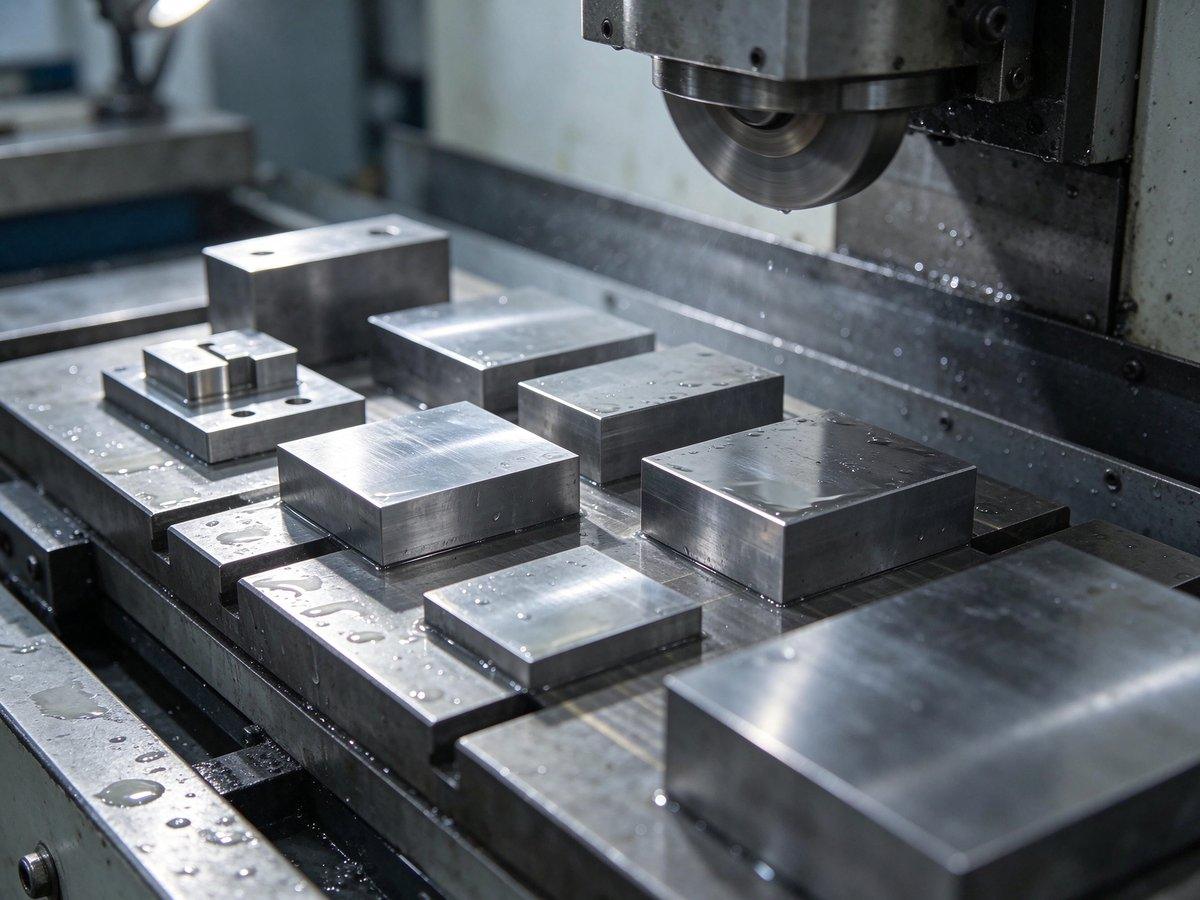
Two-machine cell for an 800 × 400 mm mould base shop
A Vietnamese mould shop replaced two worn manual grinders with a PSG-4080AH and a PSG-250AHR, cutting plate flatting from 3 hours to 70 minutes per set.
Read more →Case studies for Mould & Die shops — part size, tolerance and measured cycle time
Four surfaces, and each has its own failure mode:
Under 500 × 250 mm, the 250-class hydraulic machines do the work: PSG-250AH for general plates, PSG-4080AH once plates pass 500 mm. Between 500 and 900 mm, a PSG-8020WMS gives the repeatability a mould shop needs without a programmer. Above roughly 1200 mm — or when the plate is too heavy to keep re-fixturing — the gantry line takes over, because the plate stays still and the bridge moves.
The reports below are from mould shops and die makers in Vietnam, Indonesia, Malaysia and Thailand. Each one states the part size, the tolerance and the machine, so you can compare your own part against a job that has already been solved with this equipment.
A Vietnamese mould shop replaced two worn manual grinders with a PSG-4080AH and a PSG-250AHR, cutting plate flatting from 3 hours to 70 minutes per set.
Read more →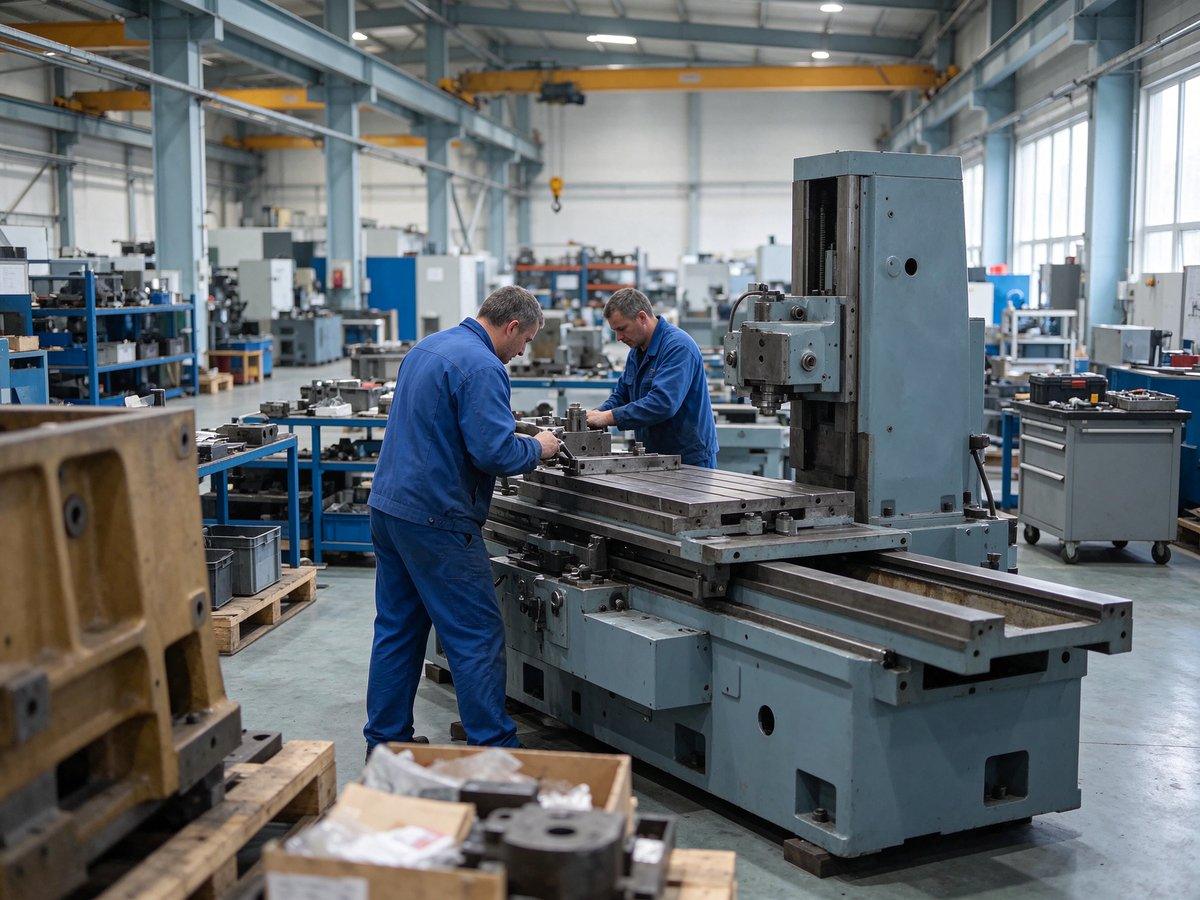
A Thai mould maker moved core and cavity inserts from a manual grinder to a PSG-5012WMS with stored cycles, holding 0.005 mm on the parting face with one operator running two machines.
Read more →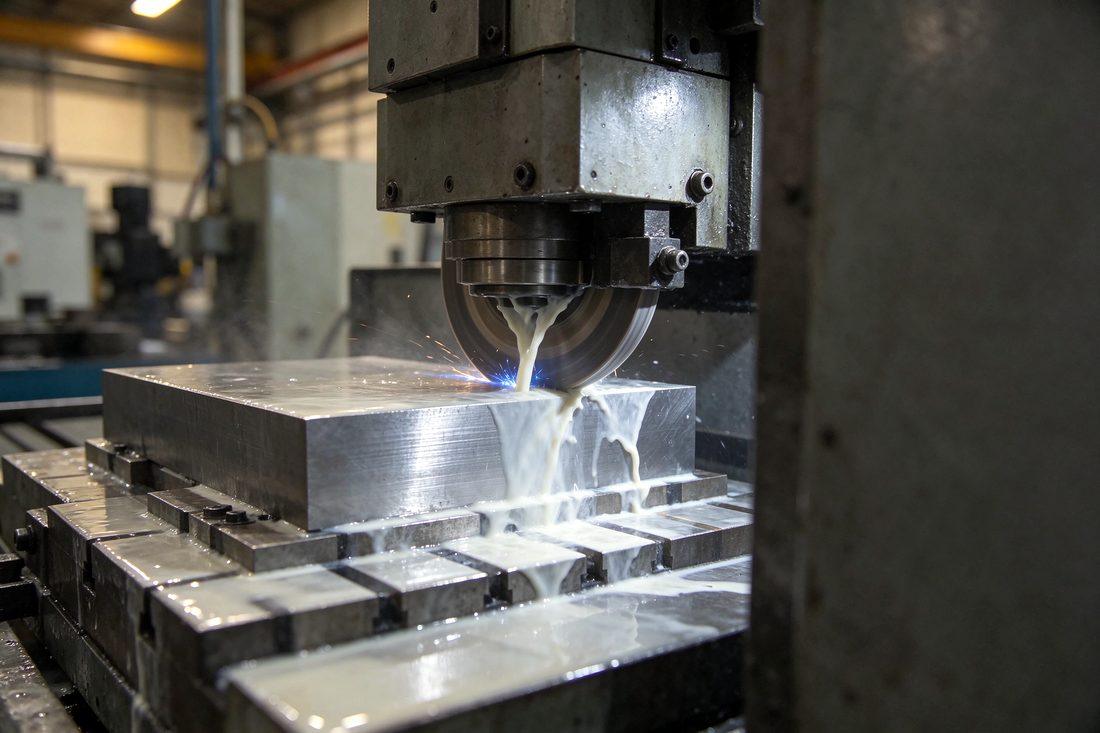
An Indonesian mould shop grinding 600 × 400 mm ejector plates cut plate-to-plate variation from 0.03 mm to 0.012 mm after switching to a PSG-4080AH with automatic down feed.
Read more →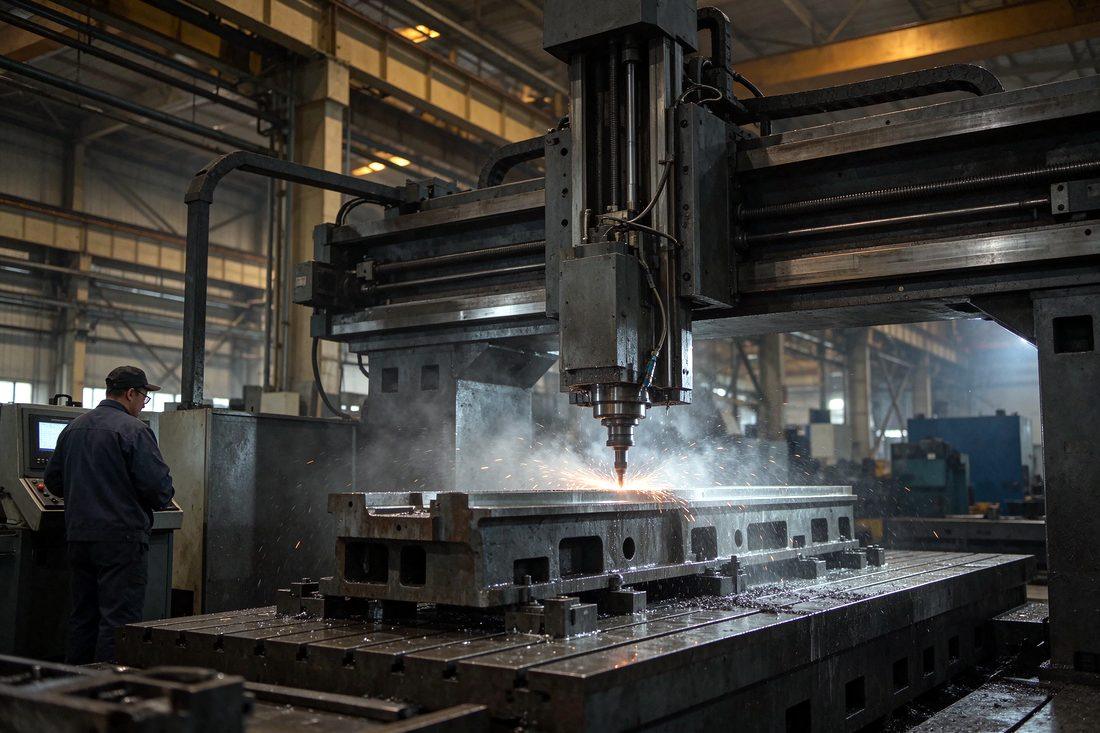
A Malaysian stamping shop set up a dedicated rework cell around a PSG-6015AHD, taking die plate recovery from an outsourced two-week round trip to an in-house overnight job.
Read more →
A Chonburi mould maker was shimming inserts to hit cavity depth. A PSG-8020WMS held the depth in the cycle instead, and shim stock left the building.
Read more →
A Querétaro die supplier was outsourcing plate flatting and losing a week per die set. A PSG-V1000 vertical-spindle grinder brought it in-house.
Read more →