Two-shift die plate flatting at a Mexican stamping supplier
A Querétaro die supplier was outsourcing plate flatting and losing a week per die set. A PSG-V1000 vertical-spindle grinder brought it in-house.
Case at a Glance
The situation
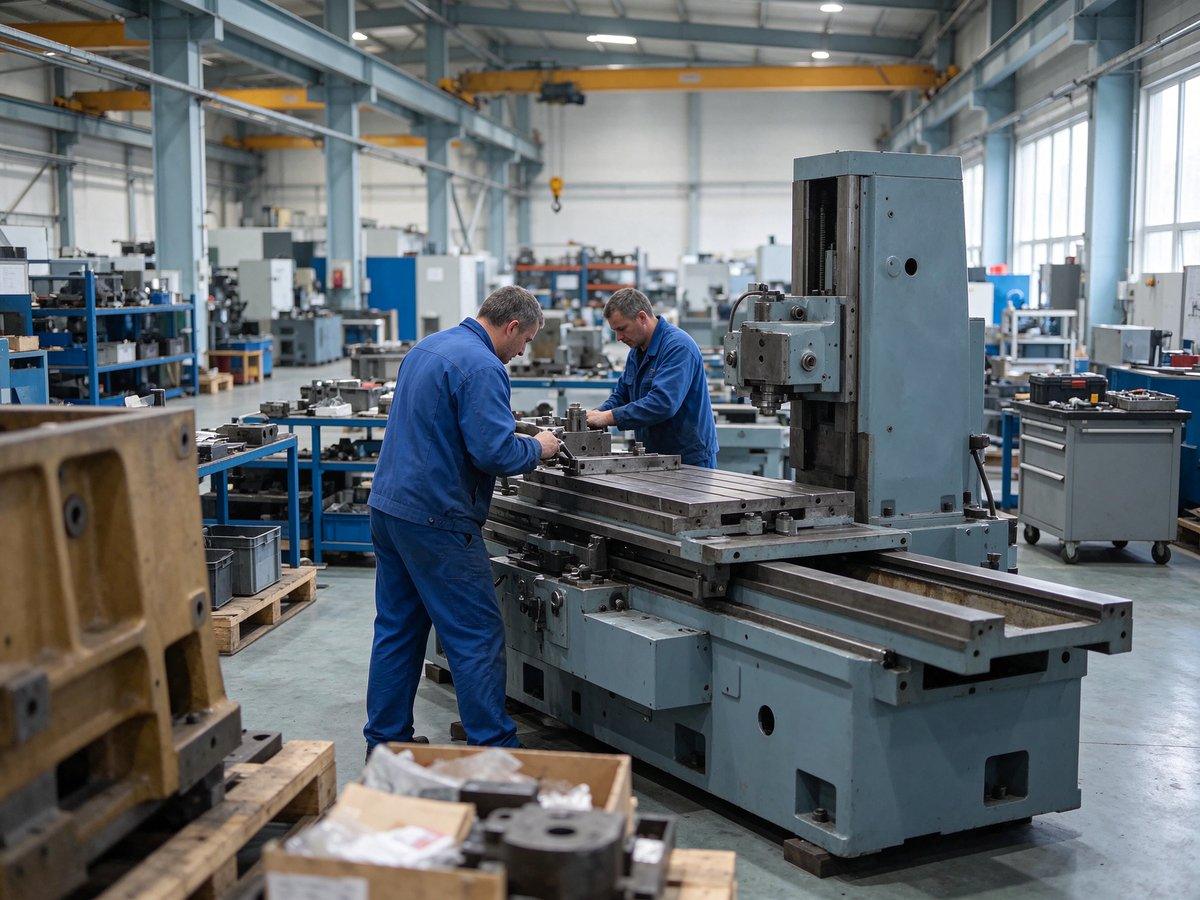
A stamping die supplier in Querétaro builds progressive dies for appliance panels. Every die set starts with two 1000 × 500 mm plates that must be flat to 0.02 mm and parallel to 0.03 mm before machining begins. Those plates were being sent to a subcontractor, and the round trip — transport, queue, grinding, return — was taking six to eight working days. Dies were late not because the shop was slow but because plates were absent.
What we specified
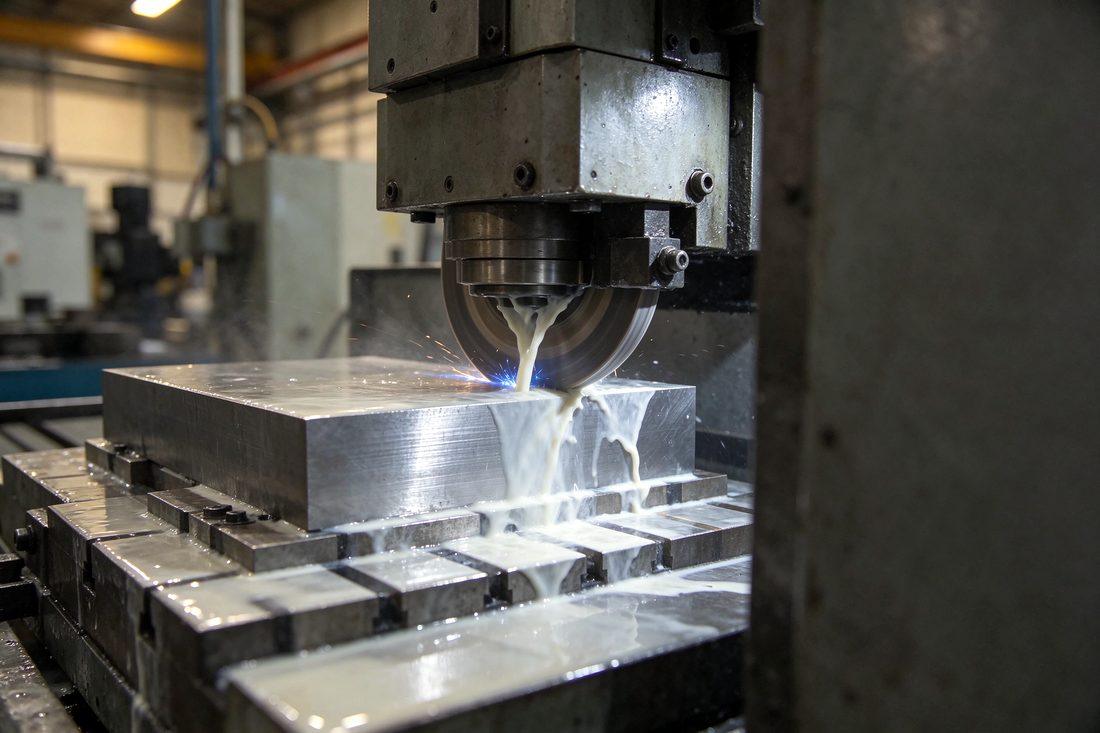
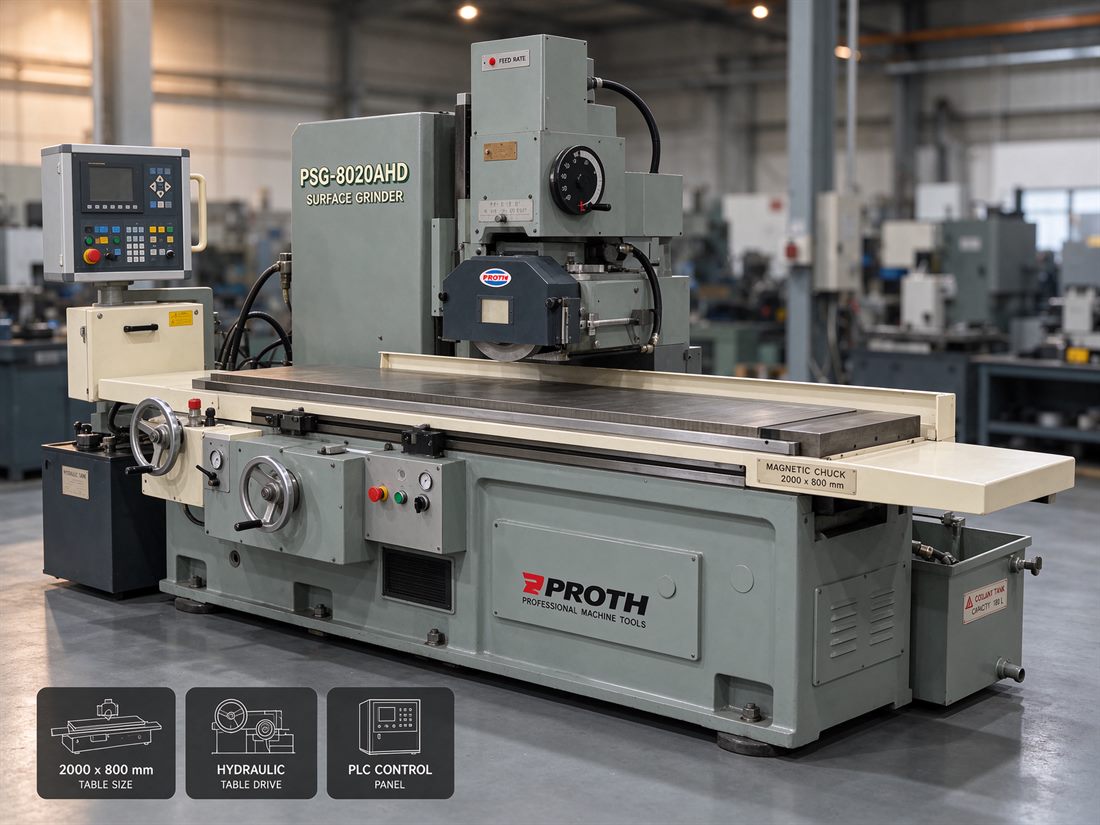
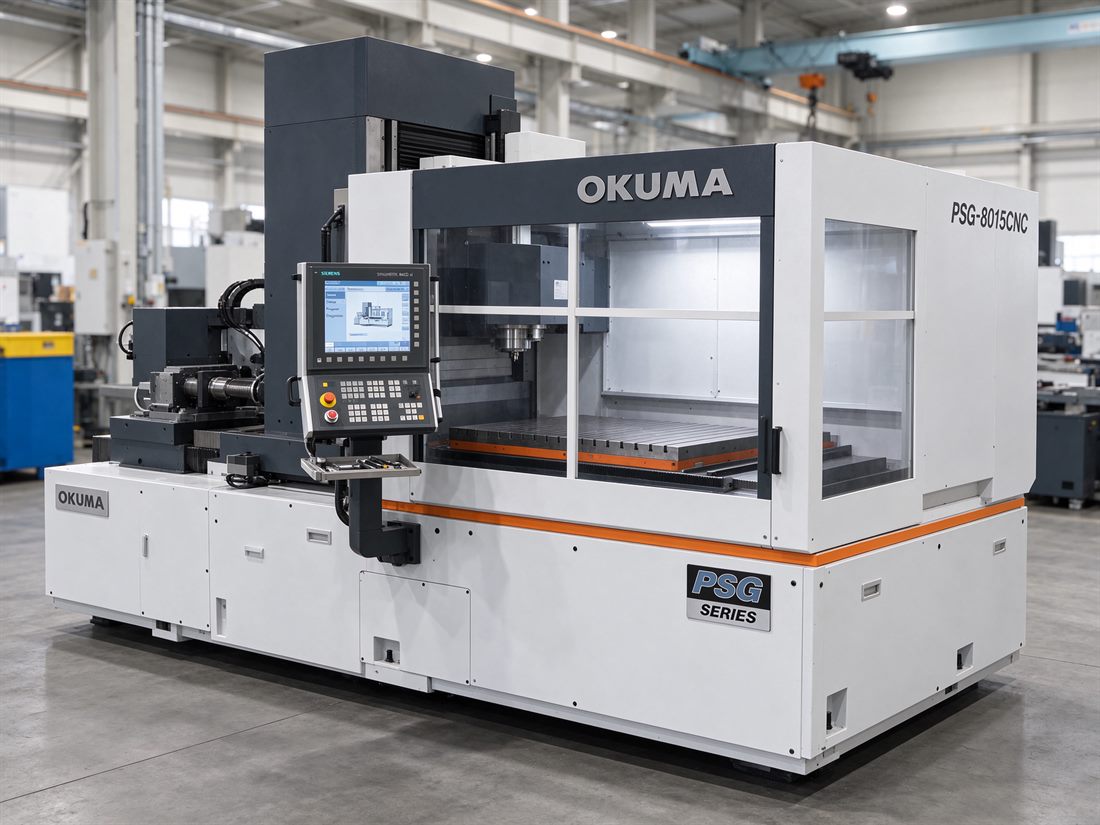
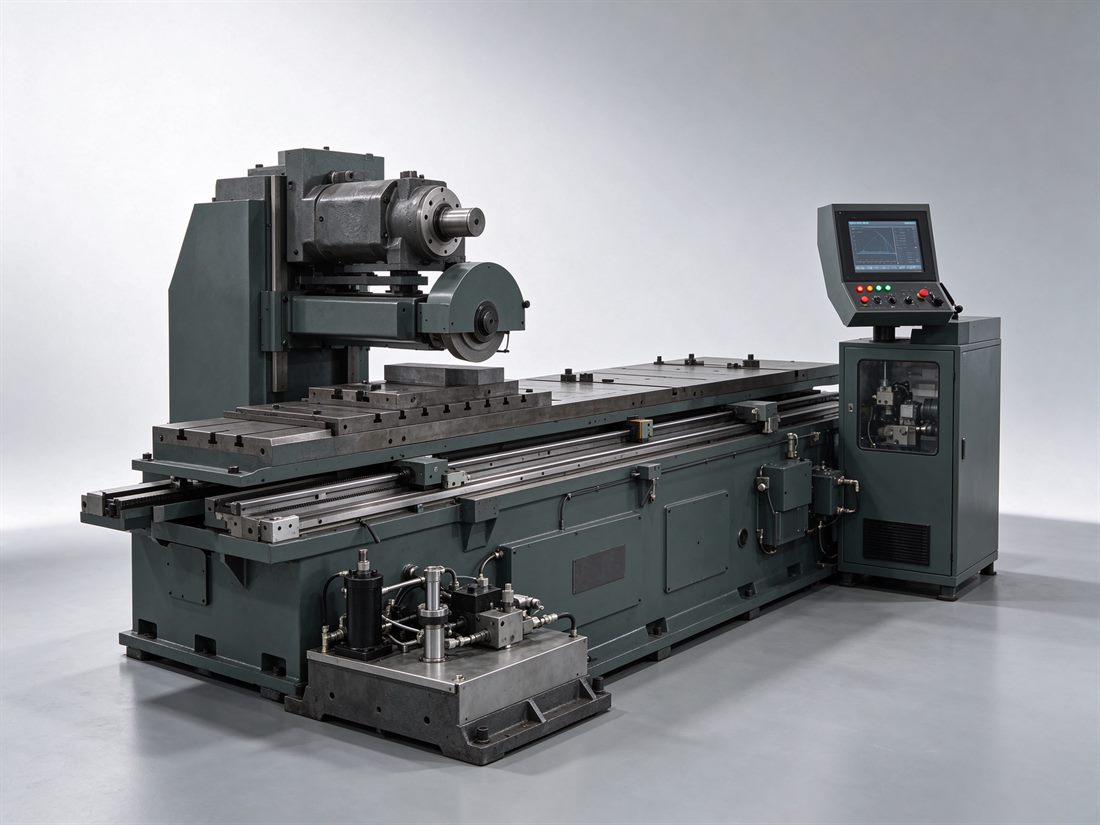
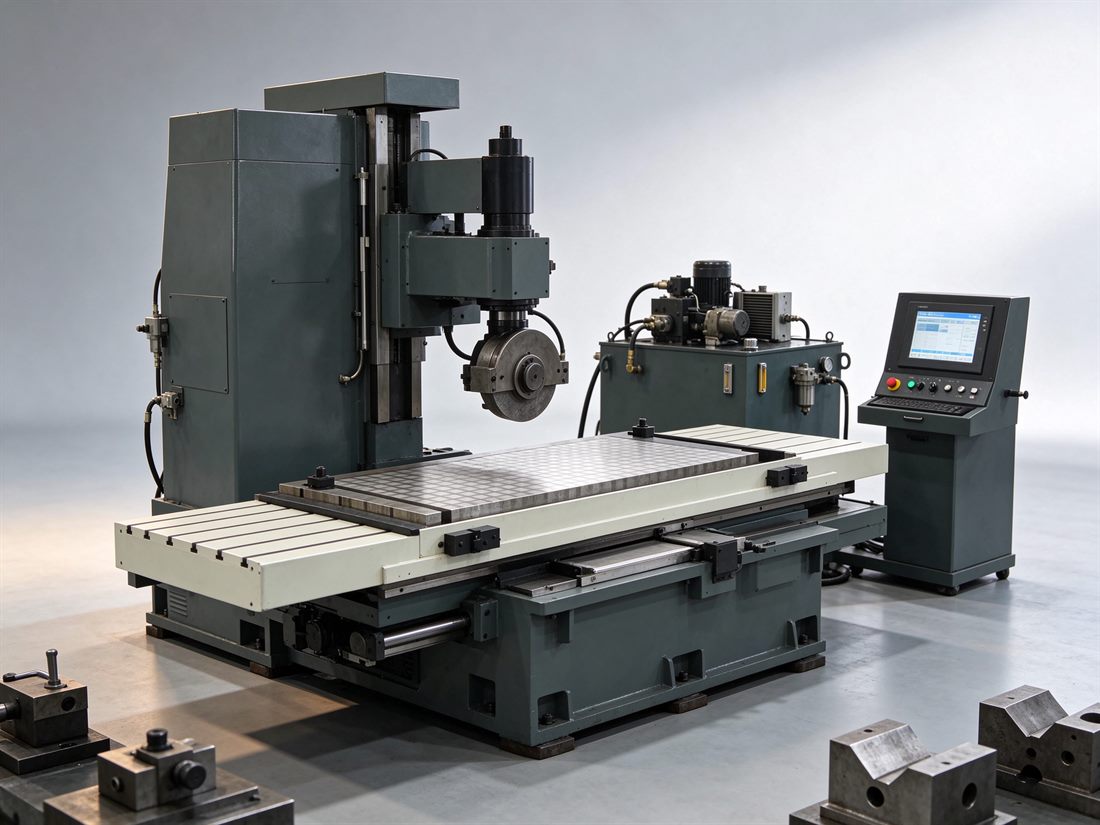
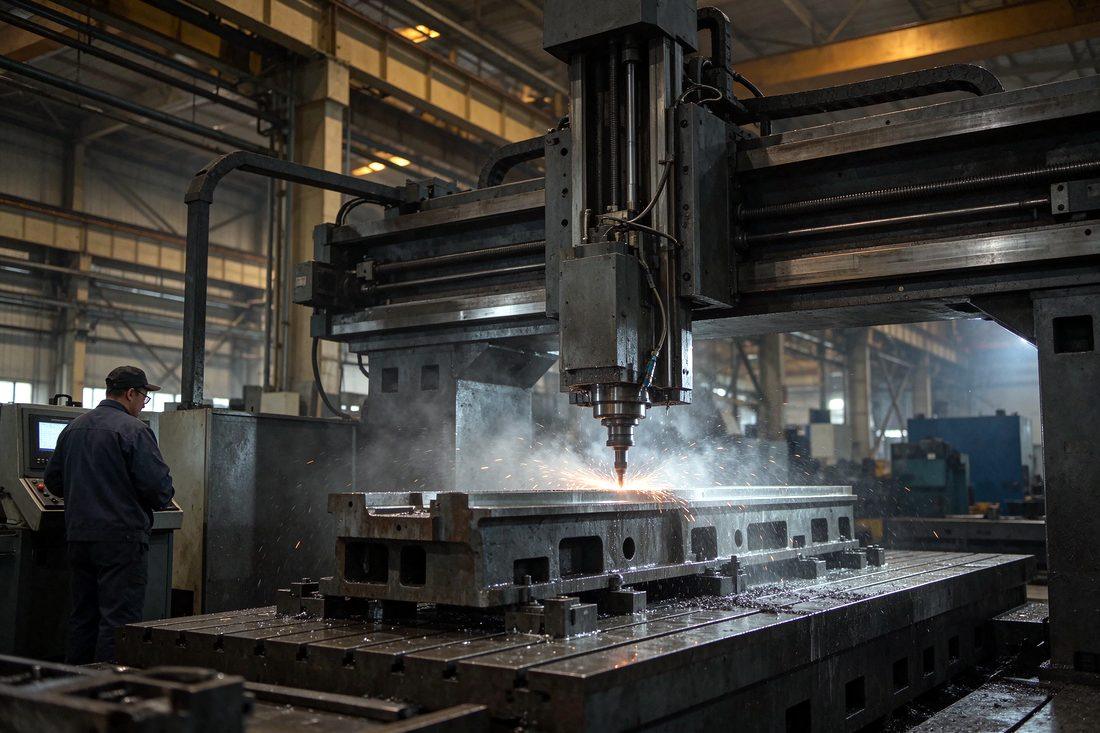
A PSG-V1000 vertical-spindle grinder: 1000 × 500 mm table, Ø500 mm segment cup wheel, 15 kW, hydraulic table. Vertical-spindle geometry was the deciding factor. Face grinding puts the full wheel width in contact, so a 0.3 mm pass removes what a horizontal machine would need four passes to remove, and the flat face comes from the segment rather than from a step-over pattern. We paired it with a 1000 × 500 mm electromagnetic chuck and a 200 L coolant tank with paper filtration.
Result
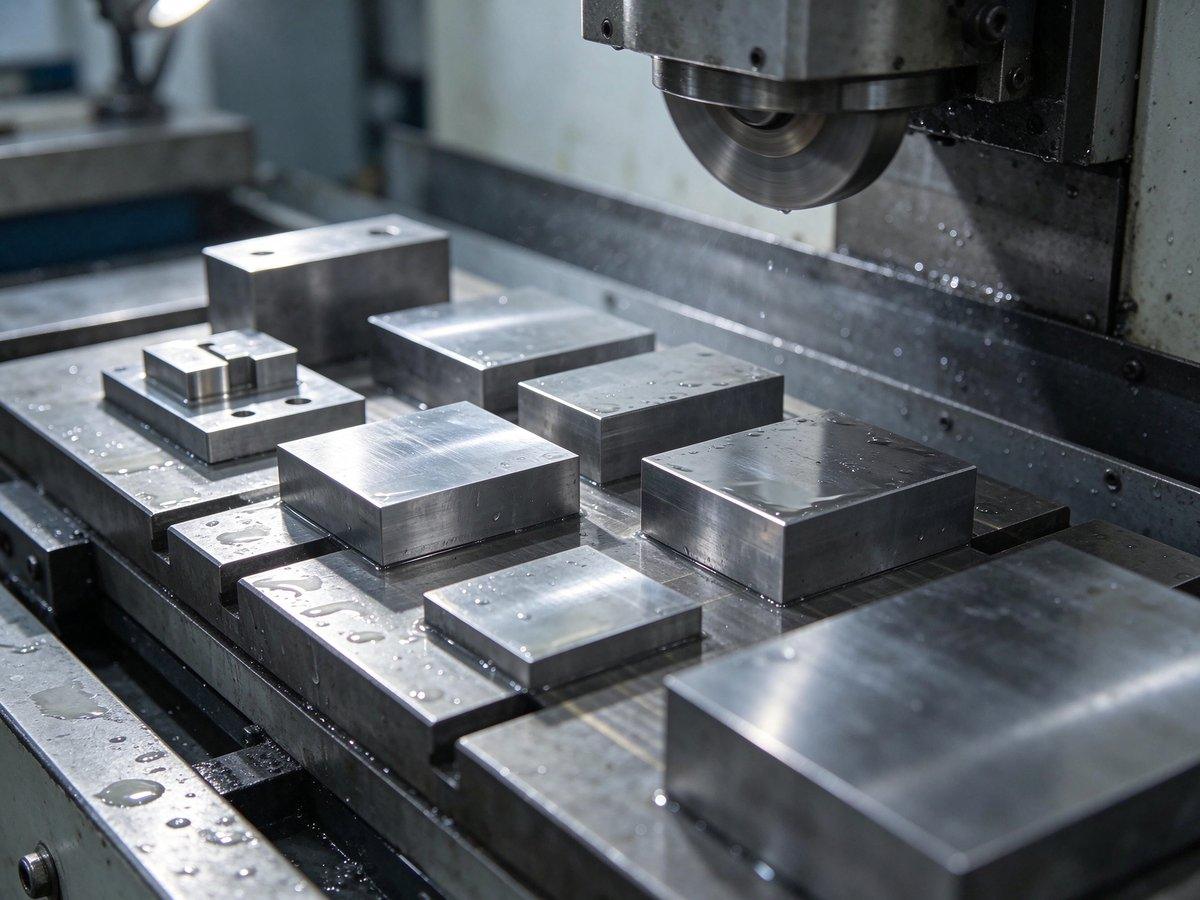
Plate flatting now happens in the shop, in 25–35 minutes per plate including load and measurement, against a week of waiting. Two plates per die set means a die set starts machining the same day the order is released. The parallel figure came in at 0.02 mm rather than the 0.03 mm specified, which let the shop tighten its own downstream allowances on the milling side.
The second-order gain
Once plates were ground in-house, the shop could also salvage. A plate that warps during stress-relieving used to be a scrap decision; now it is a re-grind. In the first four months that recovered eleven plates, which is more than the cost of the coolant and segments for the year.