
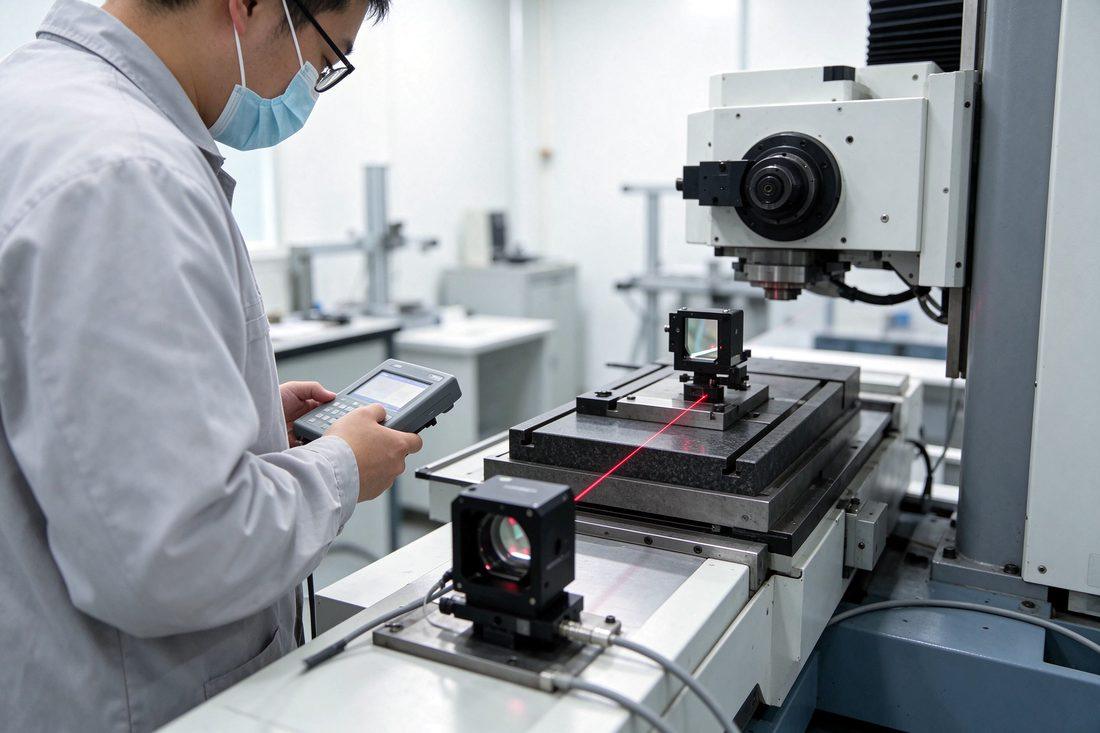
Surface Grinding vs Lapping: Which Gets It Flat?
Surface grinding versus lapping compared on flatness, finish, material removal, heat and cost, and h...
Read more →Machines · topic notes
Cup-wheel vertical spindle grinding for fast full-face flatting. 9 models, 1 case study filed under this topic.
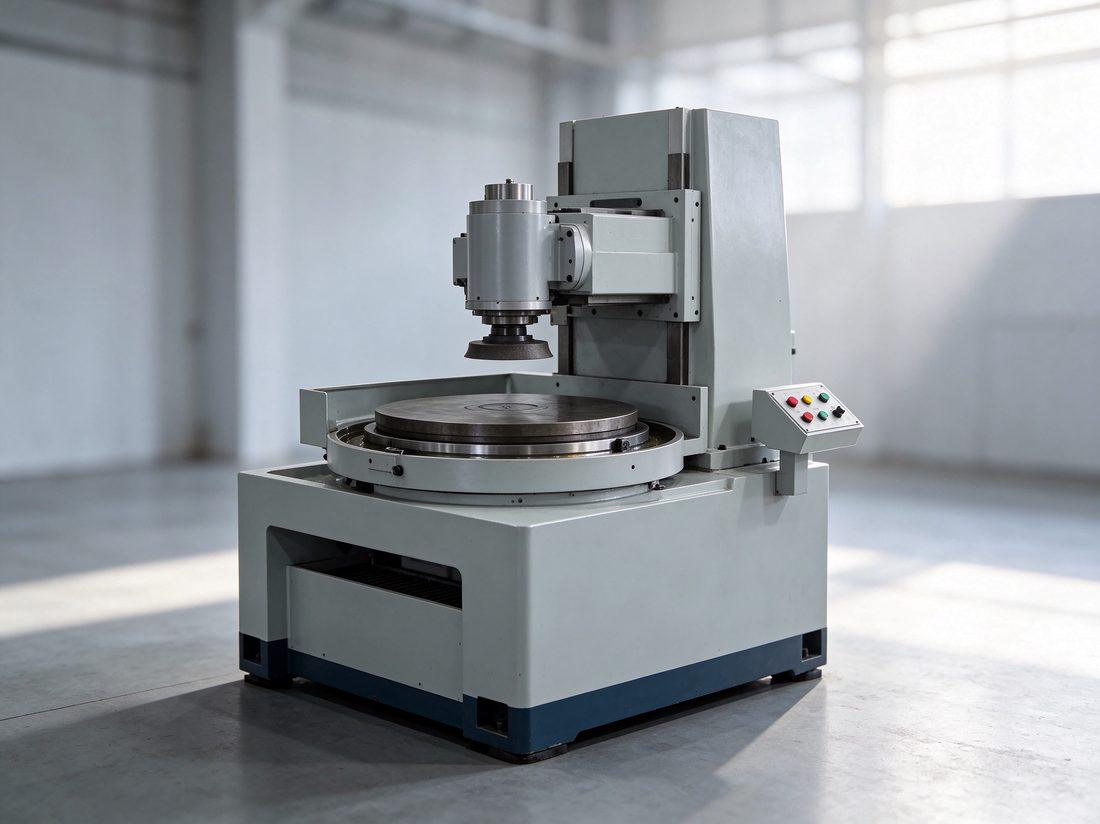
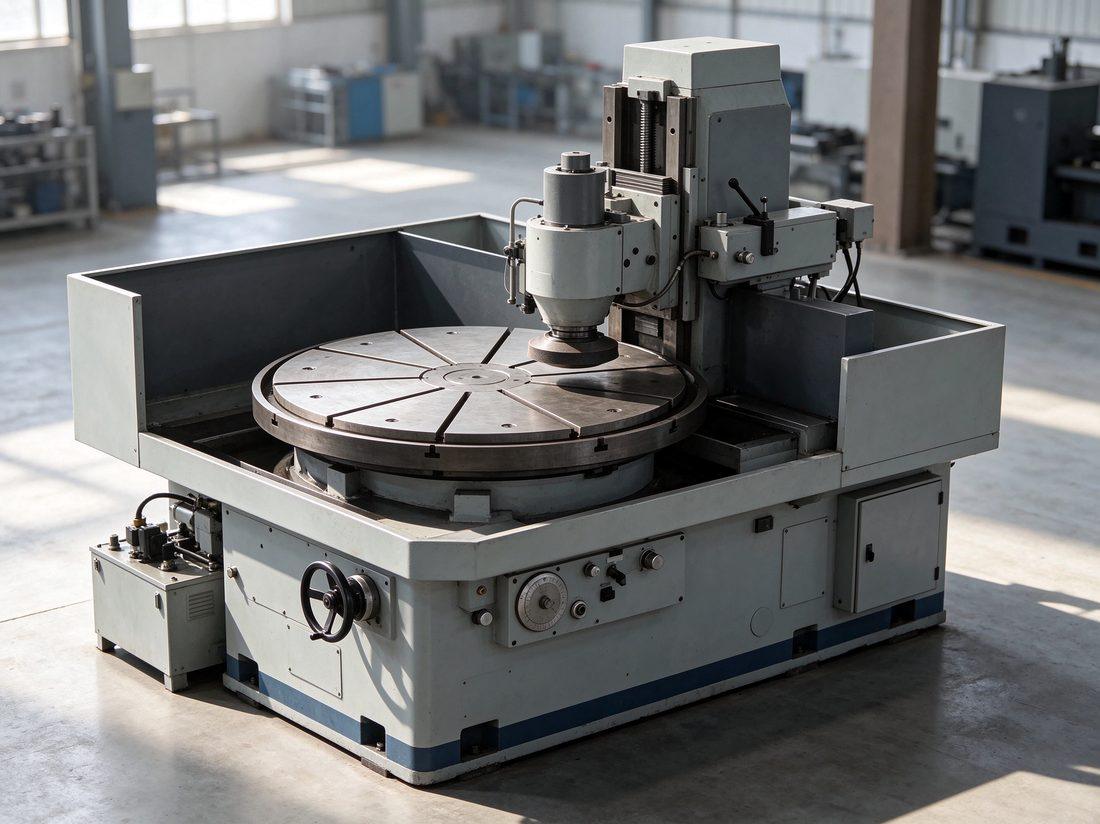
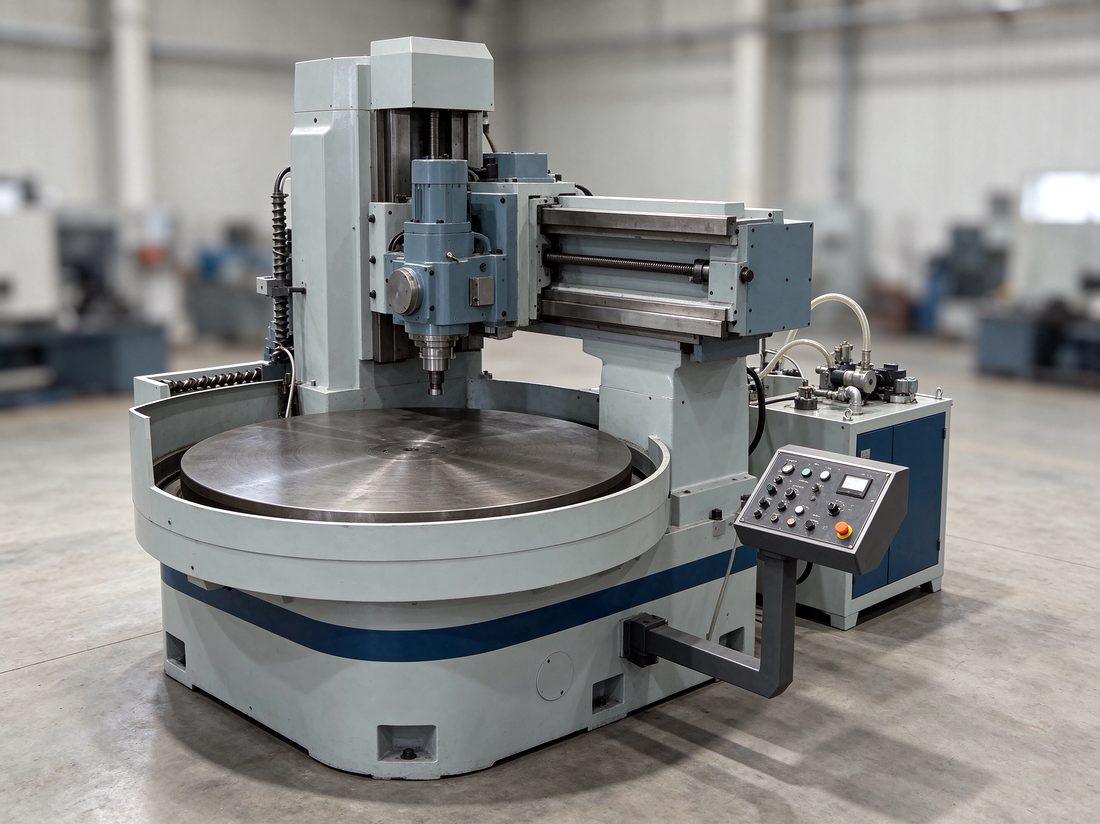
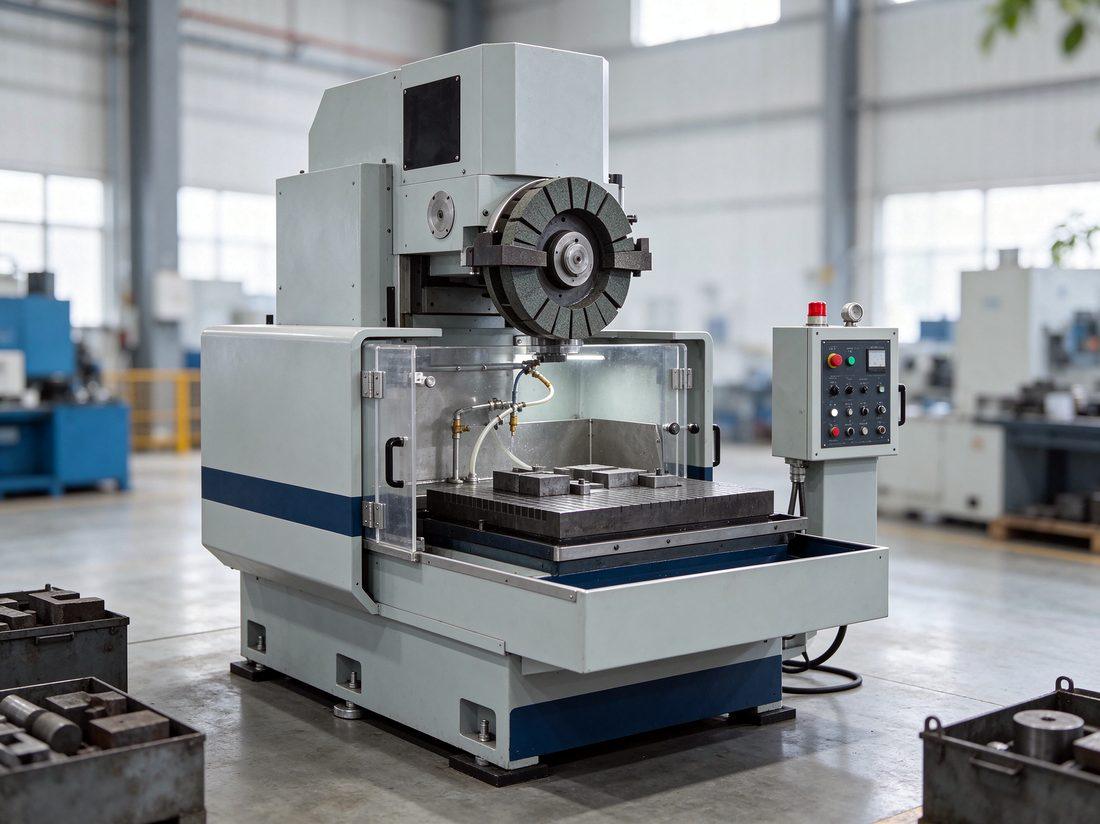
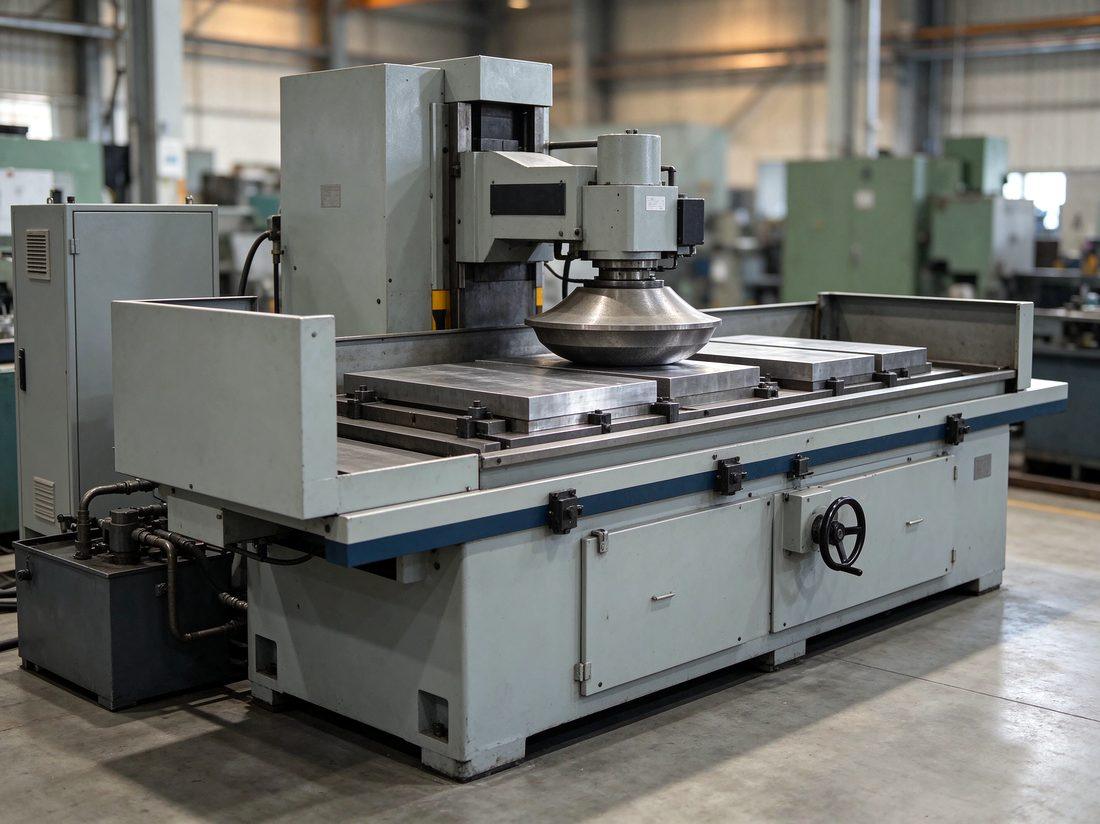
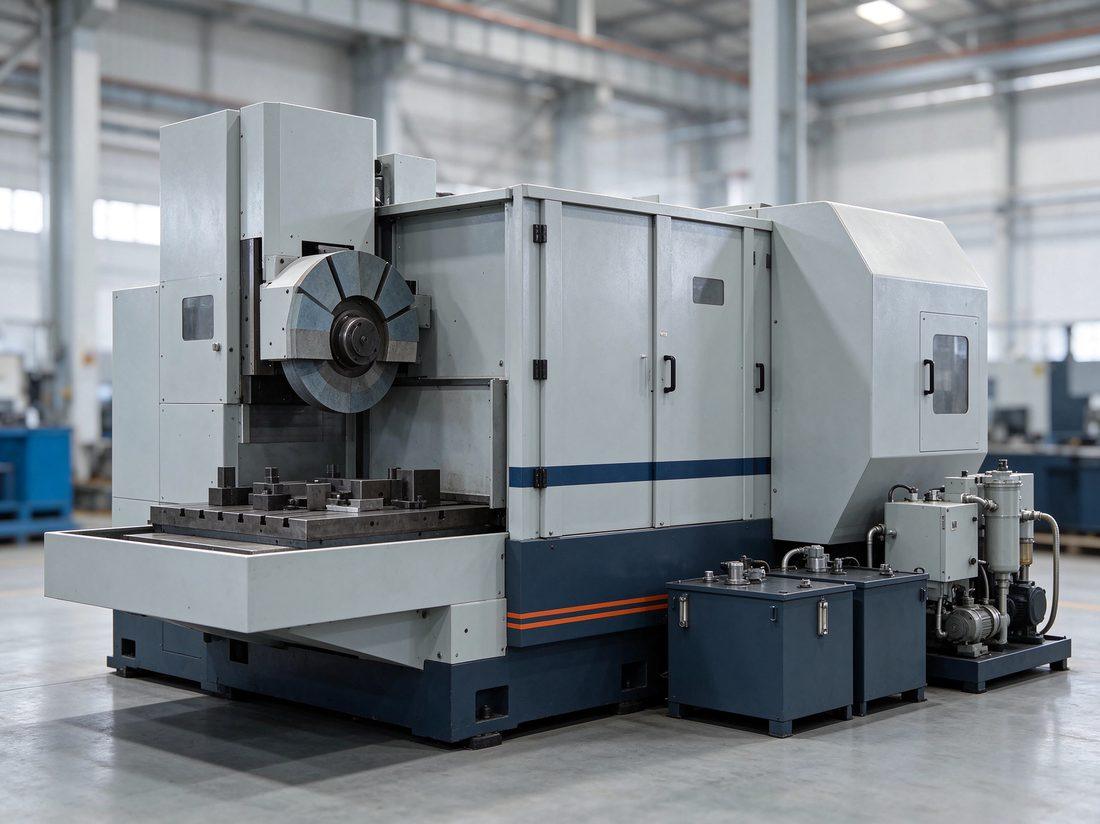
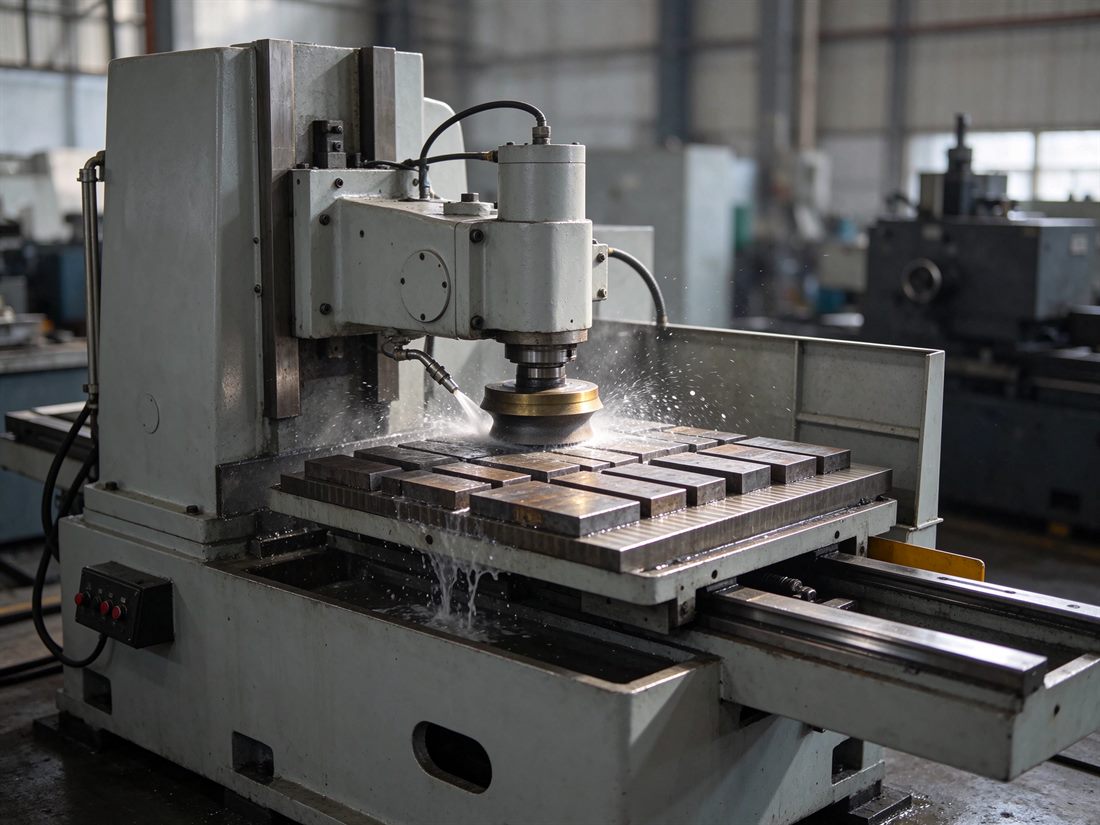
A vertical spindle machine grinds with the flat face of a cup or segment wheel, so the full width of the part is in contact instead of a narrow strip. Removal rate is three to five times higher at the same spindle power; the finish lands at Ra 1.6–3.2 µm instead of Ra 0.4 µm. That trade is the whole argument: it is a stock-removal machine for castings, covers and housings, not a finishing machine for tooling.
The mistake buyers make is specifying one for a drawing that calls Ra 0.4 µm and then blaming the machine. If the requirement is a mirror face, buy the horizontal-spindle machine; if the requirement is "take 1.5 mm off this casting and get it flat", nothing else is as quick.
Comparing types is mostly comparing stiffness, control and the shape of the contact arc — not comparing prices.
The comparison that decides it: take one real part, ask two machine types for the same tolerance, and compare the cycle time and the operator attention each needs.
Topics in this vocabulary point to a machine line rather than to a single offer, so the answer stays useful when the model range changes. For vertical spindle the closest line is vertical spindle surface grinders; the selection guide and the accuracy notes cover the neighbouring questions.
| Specification | HZ-RT400 Rotary Table Surface Grinder (ø400 mm) | HZ-RT600 Rotary Table Surface Grinder (ø600 mm) | HZ-RT800 Rotary Table Surface Grinder (ø800 mm) | PSG-V500 Vertical Spindle Surface Grinder (500 × 300 mm) | PSG-V700 Vertical Spindle Surface Grinder (700 × 400 mm) | PSG-V900 Vertical Spindle Surface Grinder (900 × 500 mm) | PSG-V600 Vertical Spindle Surface Grinder (600 × 300 mm) | PSG-V800 Vertical Spindle Surface Grinder (800 × 400 mm) |
|---|---|---|---|---|---|---|---|---|
| Grinding wheel | Segment cup wheel ø200 mm | Segment cup wheel ø250 mm | Segment cup wheel ø300 mm | Cup wheel ø200 mm | Cup wheel ø250 mm | Cup wheel ø300 mm | Ø350 mm cup wheel, segment type | Ø400 mm cup wheel, segment type |
| Spindle motor | 3 kW | 5.5 kW | 7.5 kW | 5.5 kW | 7.5 kW | 11 kW | 7.5 kW | 11 kW |
| Machine weight | 2,600 kg | 4,200 kg | 6,200 kg | 2,200 kg | 3,200 kg | 4,800 kg | 3,100 kg | 4,300 kg |
| Table size | — | — | — | 500 × 300 mm | 700 × 400 mm | 900 × 500 mm | 600 × 300 mm | 800 × 400 mm |
| Max grinding length | — | — | — | 550 mm | 750 mm | 1000 mm | 610 mm | 860 mm |
| Max grinding width | — | — | — | 300 mm | 400 mm | 500 mm | 310 mm | 410 mm |
| Flatness | — | — | — | 0.005 mm | 0.005 mm | 0.005 mm | 0.005 mm | 0.005 mm |
Figures are the catalogue specification for each model. Where a machine is built to order — larger tables, special voltages, extra coolant capacity — the final values are confirmed on the order drawing.
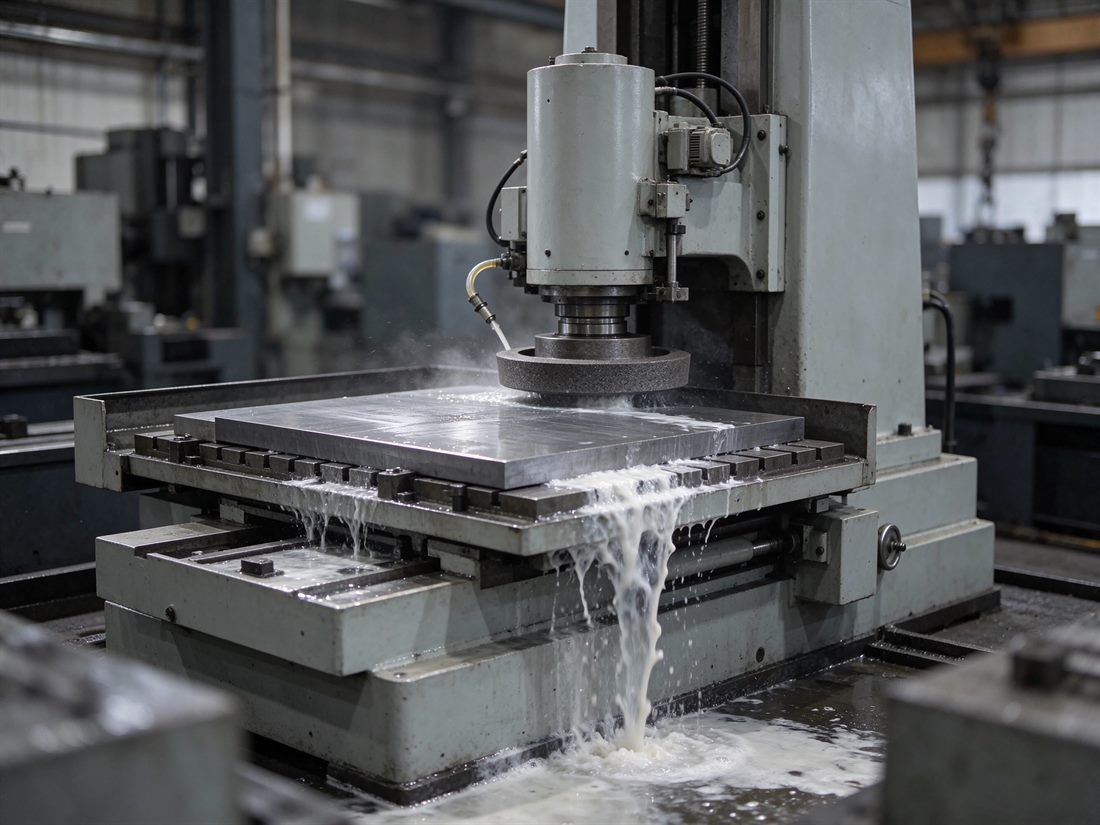
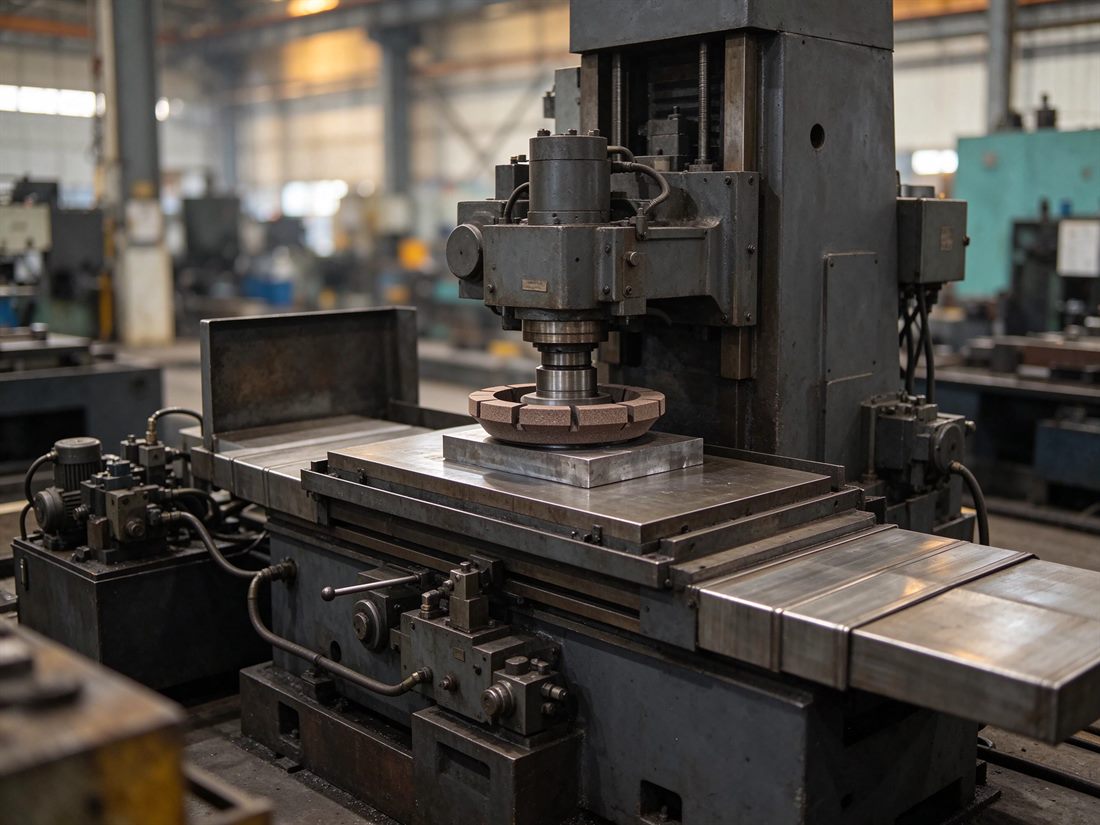
Surface grinding versus lapping compared on flatness, finish, material removal, heat and cost, and h...
Read more →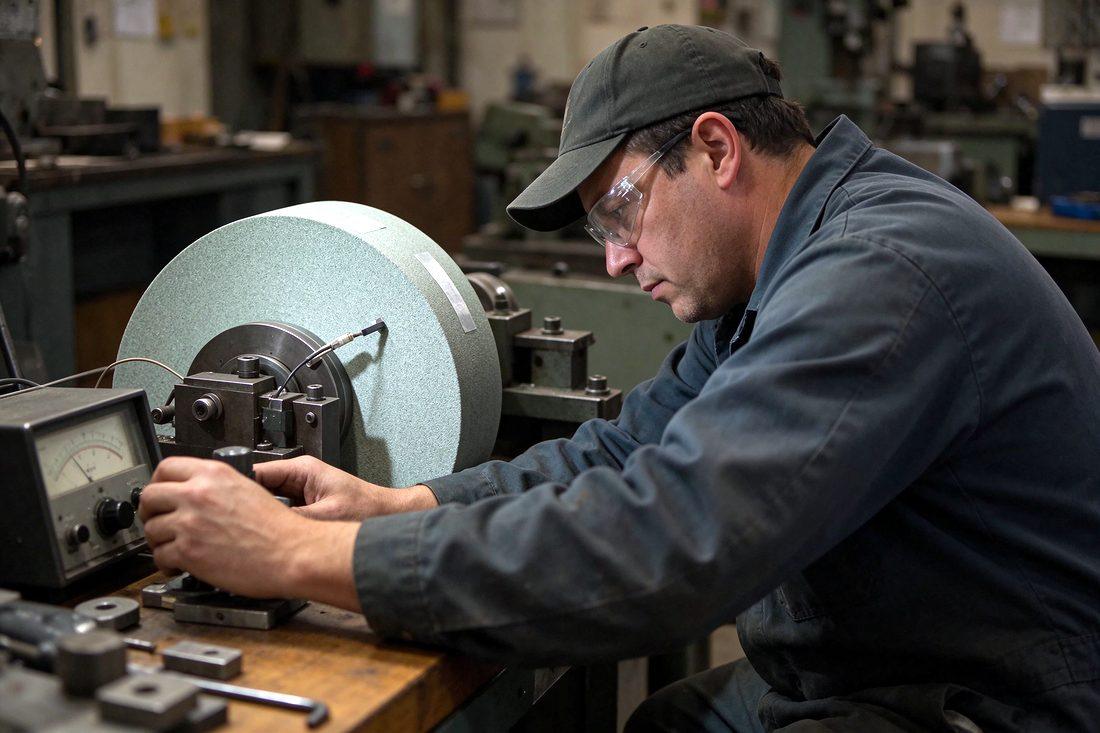
Static balancing a surface grinder wheel: the arbor method, how much imbalance is acceptable, why ma...
Read more →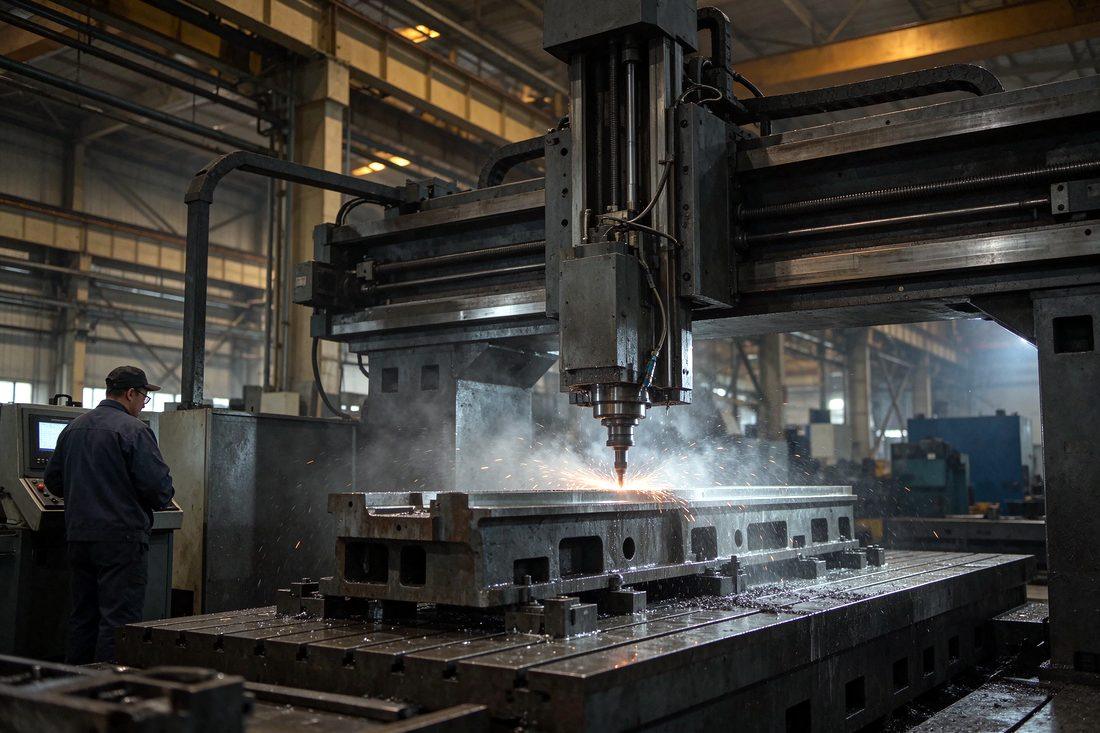
A Querétaro die supplier was outsourcing plate flatting and losing a week per die set. A PSG-V1000 v...
Read more →A 618 or 4080 hydraulic machine covers most die and mould work; add a PLC machine when the same job repeats and the operator becomes the variable.
It holds flatness well over large areas because the contact is an area rather than a line, but it cannot hold a sharp form the way a horizontal machine can.
