
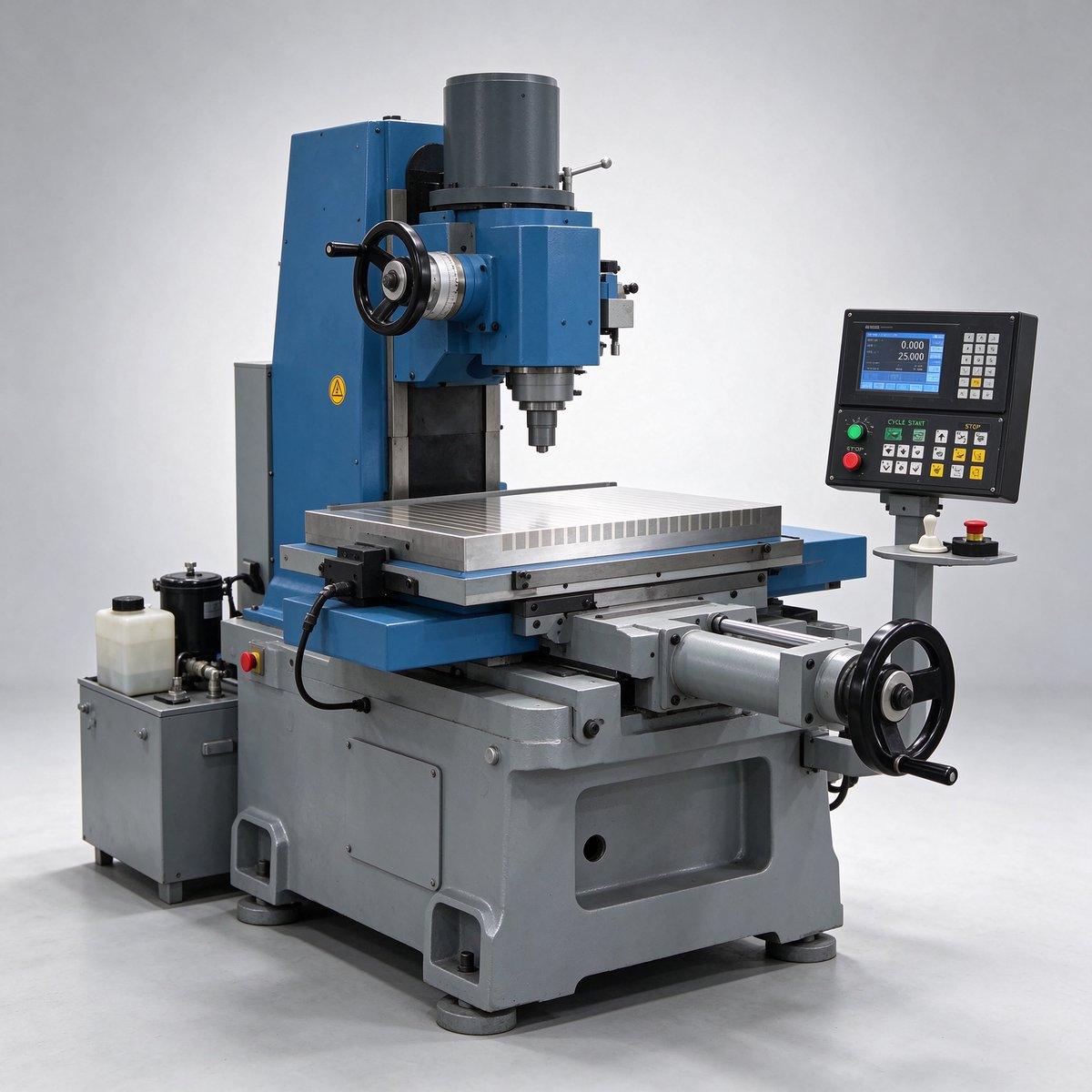
Manual vs Hydraulic vs PLC vs CNC Surface Grinder: What You Pay For
A side-by-side comparison of manual, hydraulic, PLC and CNC surface grinders: tolerance, operator sk...
Read more →Machines · topic notes
Three-axis programmable grinders with stored cycles and automatic wheel dressing. 6 models, 2 guides, 2 case studies filed under this topic.
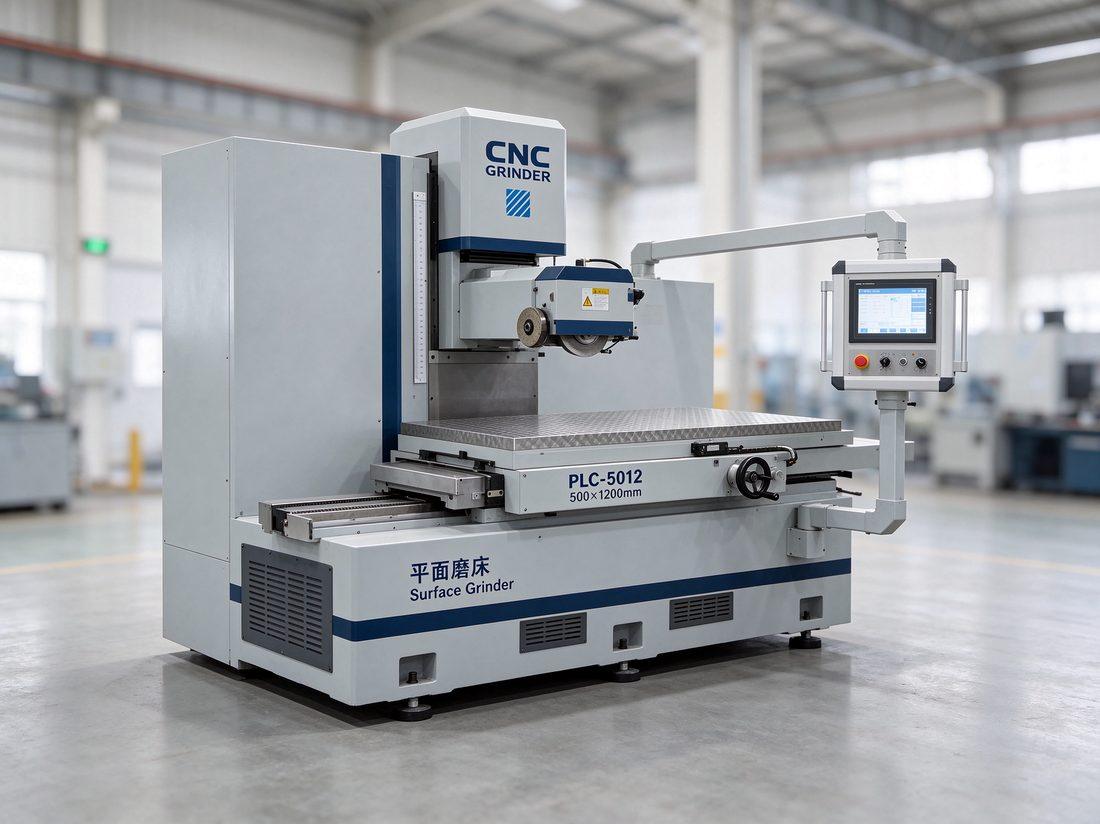
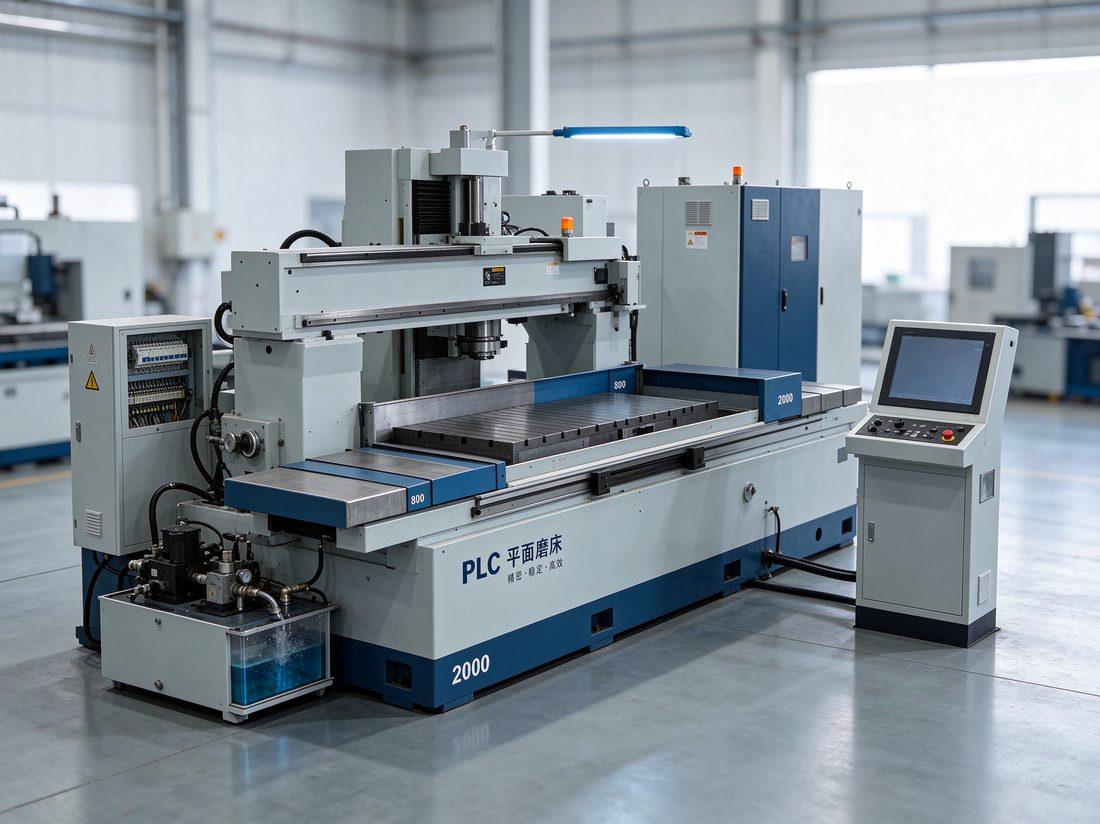
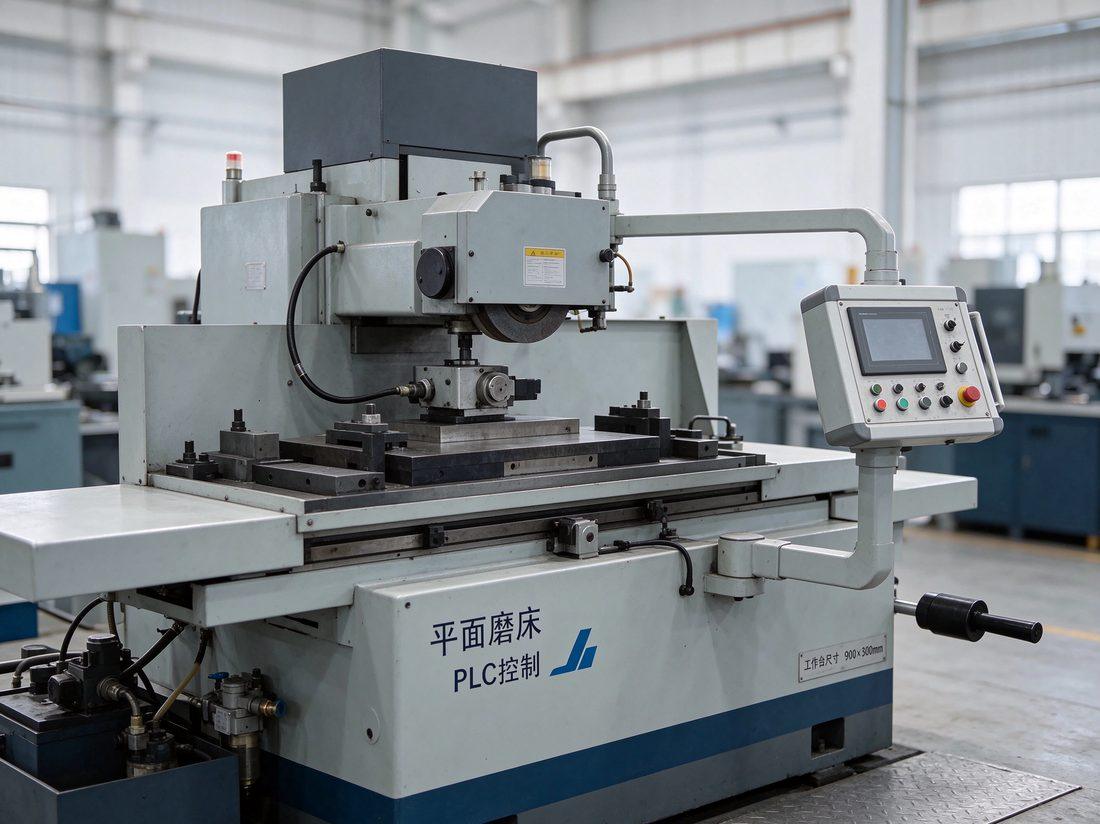
A PLC surface grinder stores a cycle — rough step, semi-finish, finish, spark-out — and repeats it on a counter. What it does not have is interpolation between axes, so it cannot dress a form into the wheel or follow a contour. That limit is also the reason it costs roughly half a CNC machine.
For flat, parallel, stepped work — die plates, bolster plates, guide rails, fixture bases — the distinction does not matter and the saving does. For work where the wheel itself must be formed, it does matter, and the answer is the CNC line.
A horizontal-spindle machine grinds a line; a vertical-spindle machine grinds an area, and the finish and the cycle time both follow from that.
The comparison that decides it: take one real part, ask two machine types for the same tolerance, and compare the cycle time and the operator attention each needs.
Topics in this vocabulary point to a machine line rather than to a single offer, so the answer stays useful when the model range changes. For plc control the closest line is PLC programmable surface grinders; the selection guide and the accuracy notes cover the neighbouring questions.
| Specification | PSG-5012WMS PLC Programmable Surface Grinder (500 × 125 mm) | PSG-8020WMS PLC Programmable Surface Grinder (800 × 200 mm) | PSG-9030WMS PLC Programmable Surface Grinder (900 × 300 mm) | PSG-3010WMS PLC Surface Grinder (1000 × 300 mm) | PSG-4015WMS PLC Surface Grinder (1500 × 400 mm) | PSG-6020WMS PLC Surface Grinder (2000 × 600 mm) |
|---|---|---|---|---|---|---|
| Table size | 500 × 125 mm | 800 × 200 mm | 900 × 300 mm | 1000 × 300 mm | 1500 × 400 mm | 2000 × 600 mm |
| Max grinding length | 520 mm | 820 mm | 950 mm | 1,060 mm | 1,560 mm | 2,060 mm |
| Max grinding width | 125 mm | 200 mm | 300 mm | 320 mm | 420 mm | 620 mm |
| Grinding wheel | 200 × 20 × 50.8 mm | 250 × 25 × 76.2 mm | 350 × 40 × 127 mm | 350 × 40 × 127 mm | 350 × 50 × 127 mm | 400 × 50 × 203 mm |
| Spindle motor | 1.5 kW | 3 kW | 5.5 kW | 5.5 kW | 7.5 kW | 11 kW |
| Control | 3-axis PLC, 20 programs | 3-axis PLC, 20 programs | 3-axis PLC, 20 programs | PLC, 7-inch touch HMI, 20-program memory | PLC, 7-inch touch HMI, 50-program memory | PLC, 10-inch touch HMI, 100-program memory |
| Positioning accuracy | 0.005 mm | 0.005 mm | 0.005 mm | 0.002 mm | 0.002 mm | 0.002 mm |
| Machine weight | 1,100 kg | 2,600 kg | 4,100 kg | 2,600 kg | 4,200 kg | 7,800 kg |
| Spindle speed | — | 1,450 rpm | — | 1,450 rpm | 1,450 rpm | 1,450 rpm |
Figures are the catalogue specification for each model. Where a machine is built to order — larger tables, special voltages, extra coolant capacity — the final values are confirmed on the order drawing.
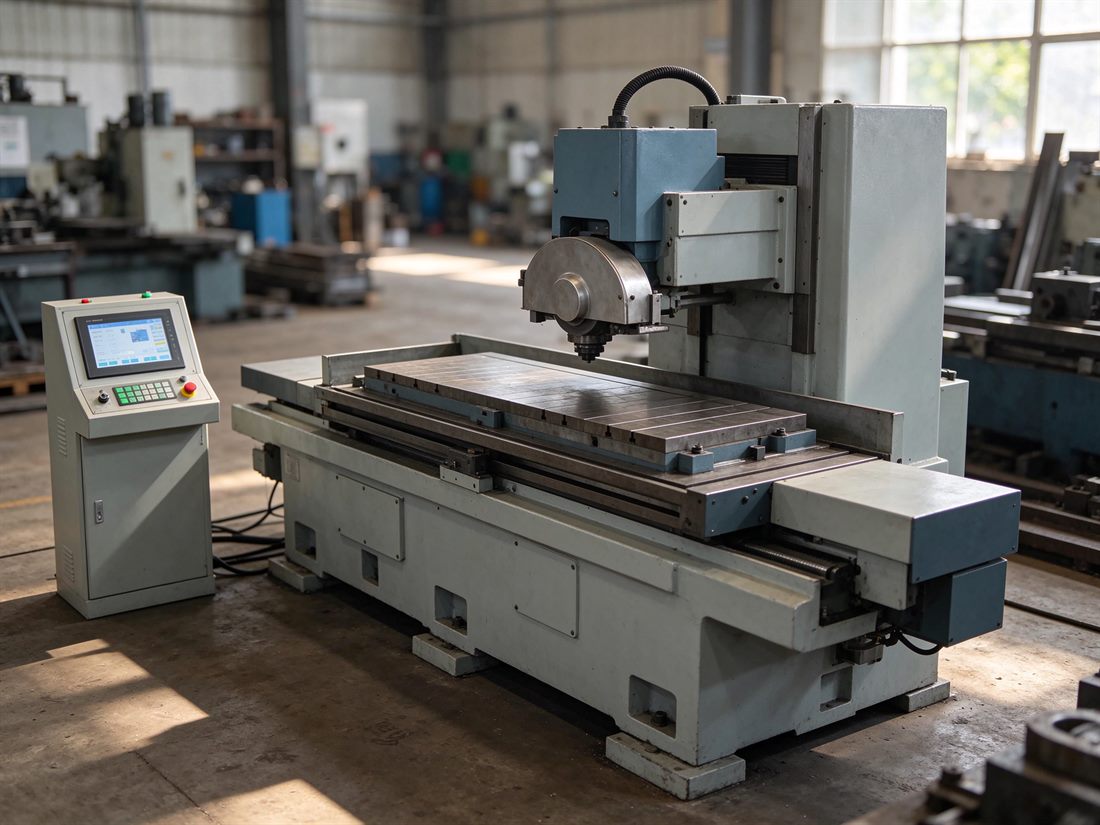
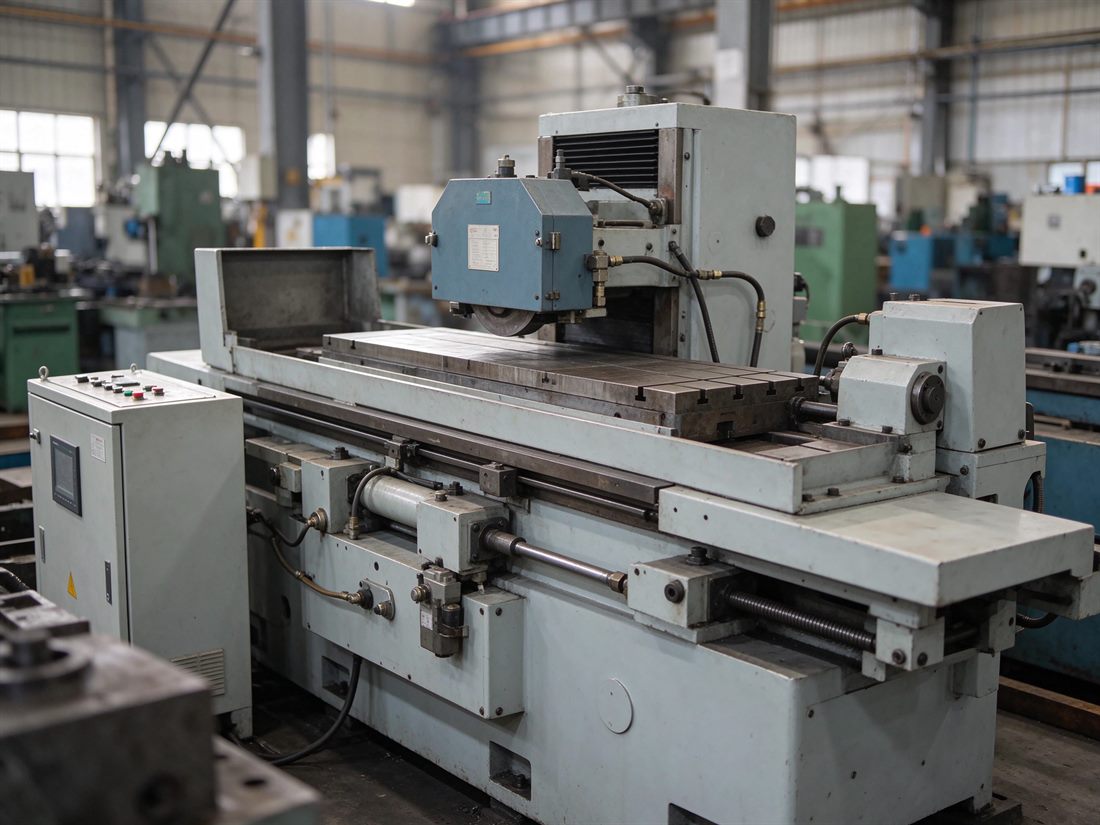
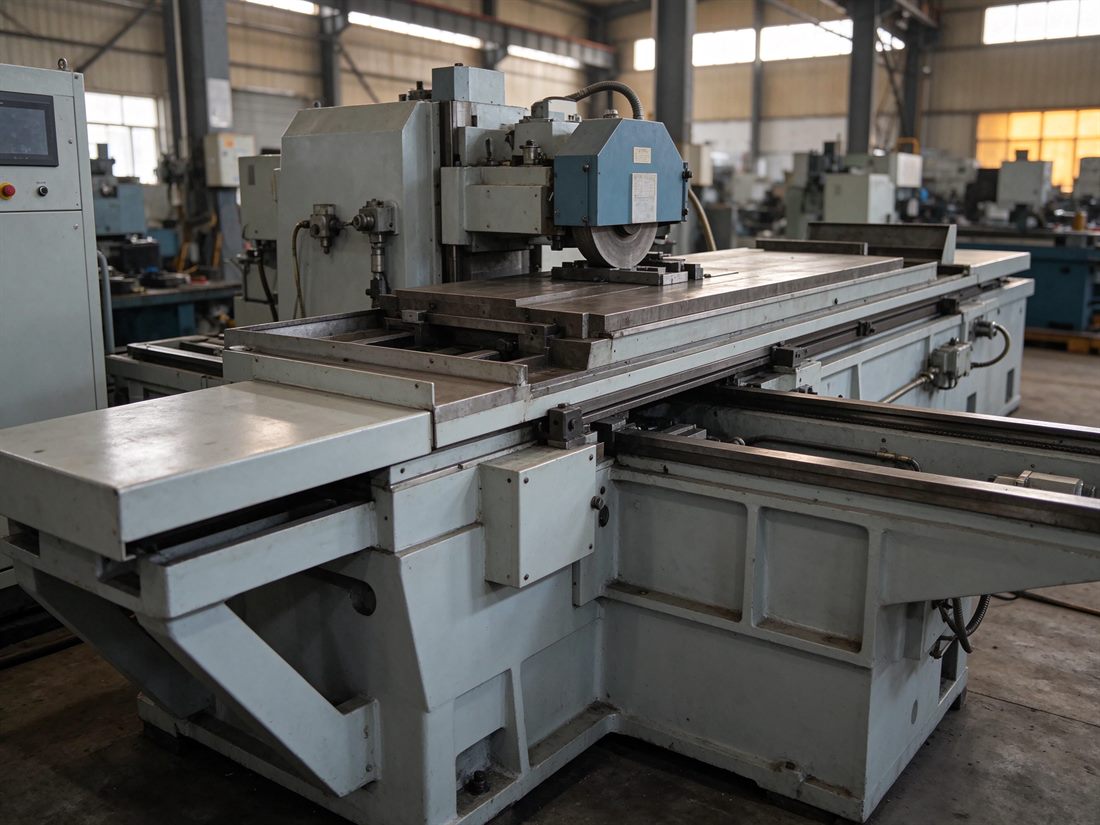
A side-by-side comparison of manual, hydraulic, PLC and CNC surface grinders: tolerance, operator sk...
Read more →
Table size, control class, spindle and chuck: which options add cost, which add value, and where a q...
Read more →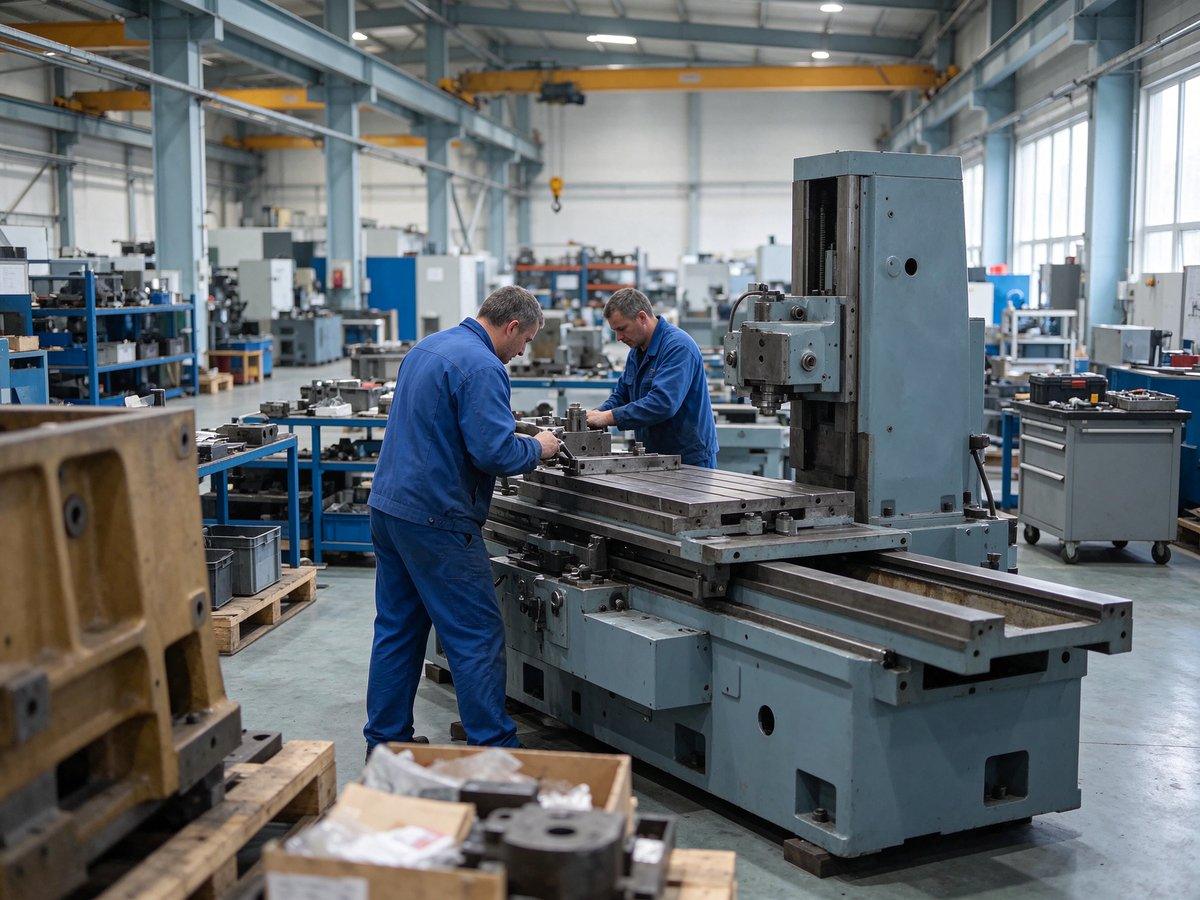
A Thai mould maker moved core and cavity inserts from a manual grinder to a PSG-5012WMS with stored ...
Read more →
A Chonburi mould maker was shimming inserts to hit cavity depth. A PSG-8020WMS held the depth in the...
Read more →A 618 or 4080 hydraulic machine covers most die and mould work; add a PLC machine when the same job repeats and the operator becomes the variable.
It holds flatness well over large areas because the contact is an area rather than a line, but it cannot hold a sharp form the way a horizontal machine can.
