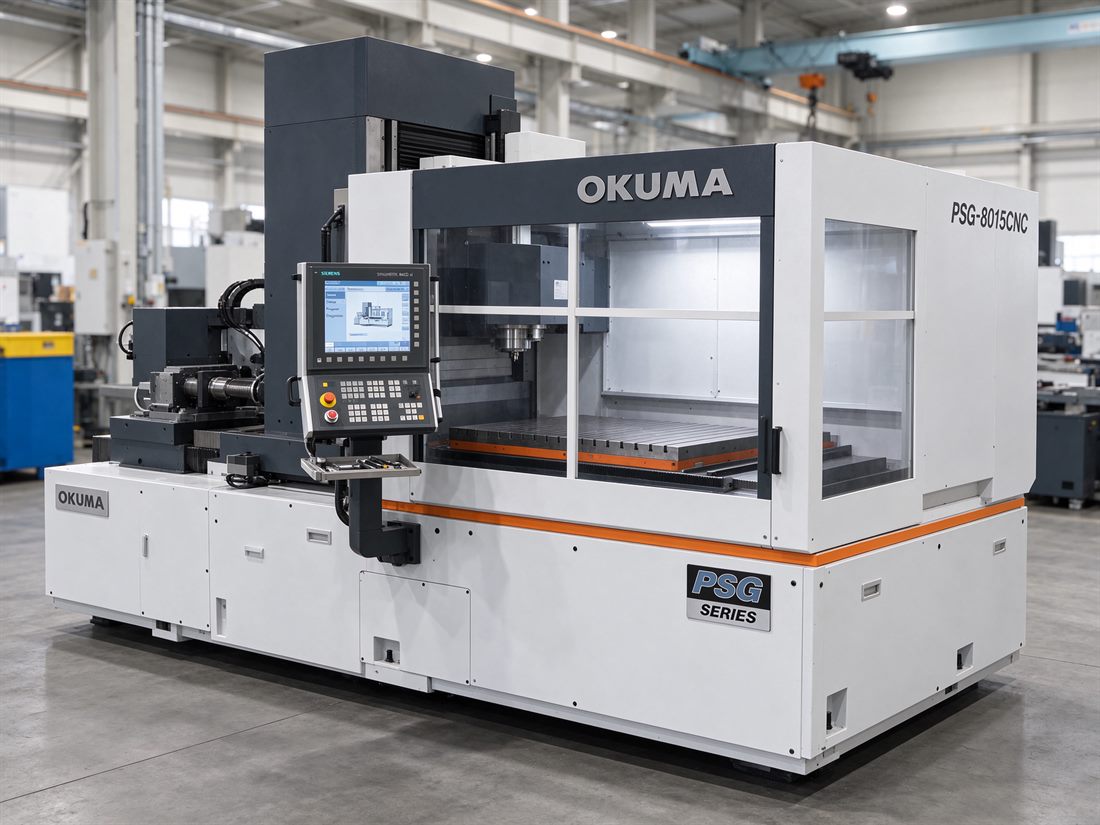
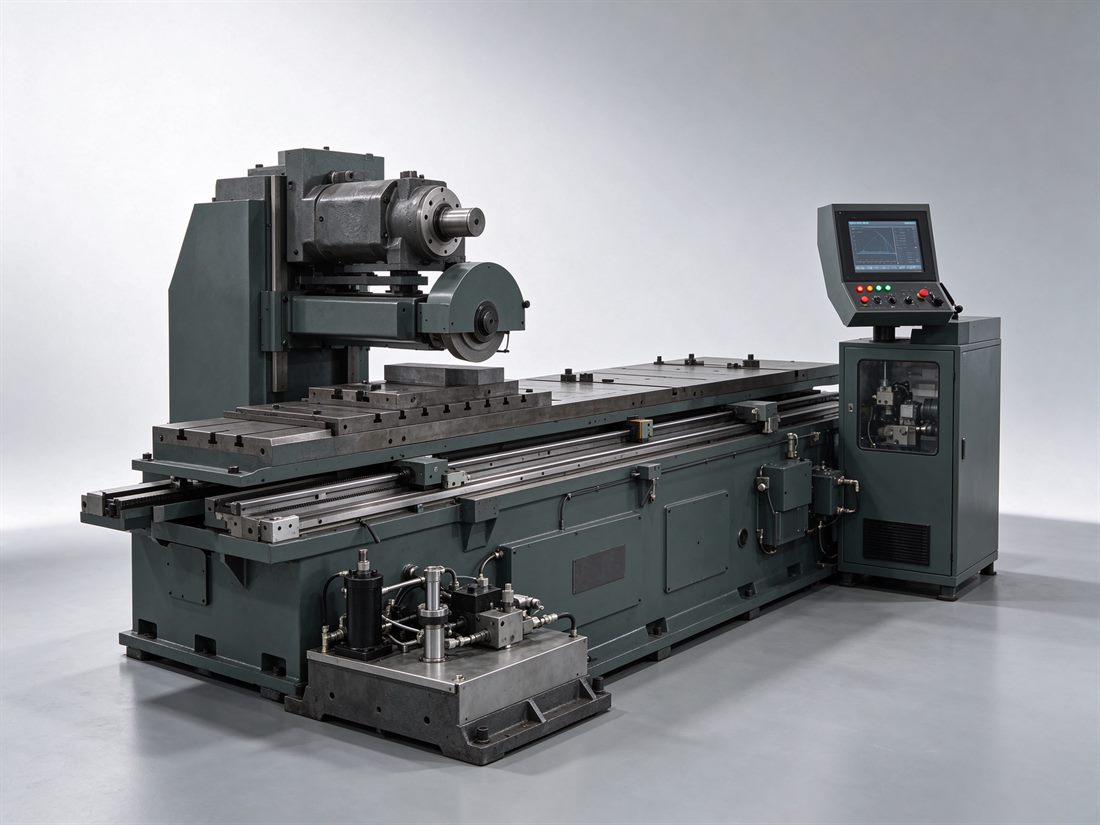
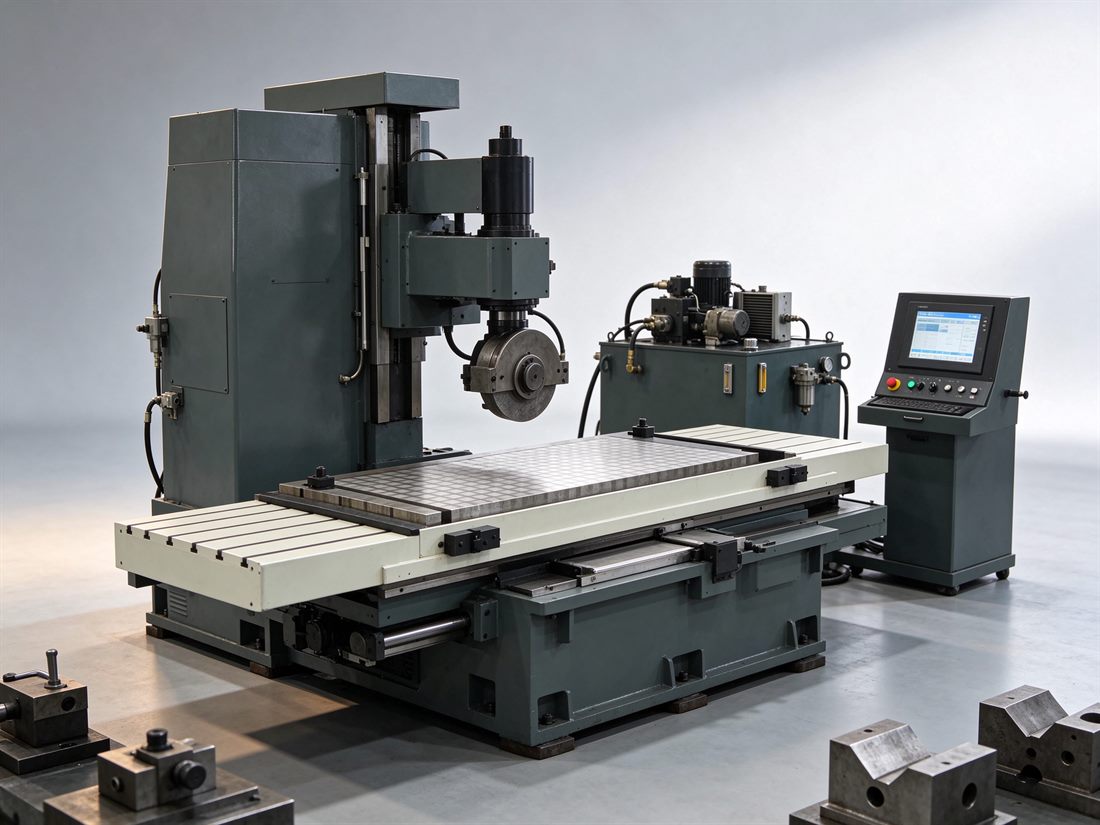
Manual vs Hydraulic vs PLC vs CNC Surface Grinder: What You Pay For
A side-by-side comparison of manual, hydraulic, PLC and CNC surface grinders: tolerance, operator skill, price band and when each level pays back.
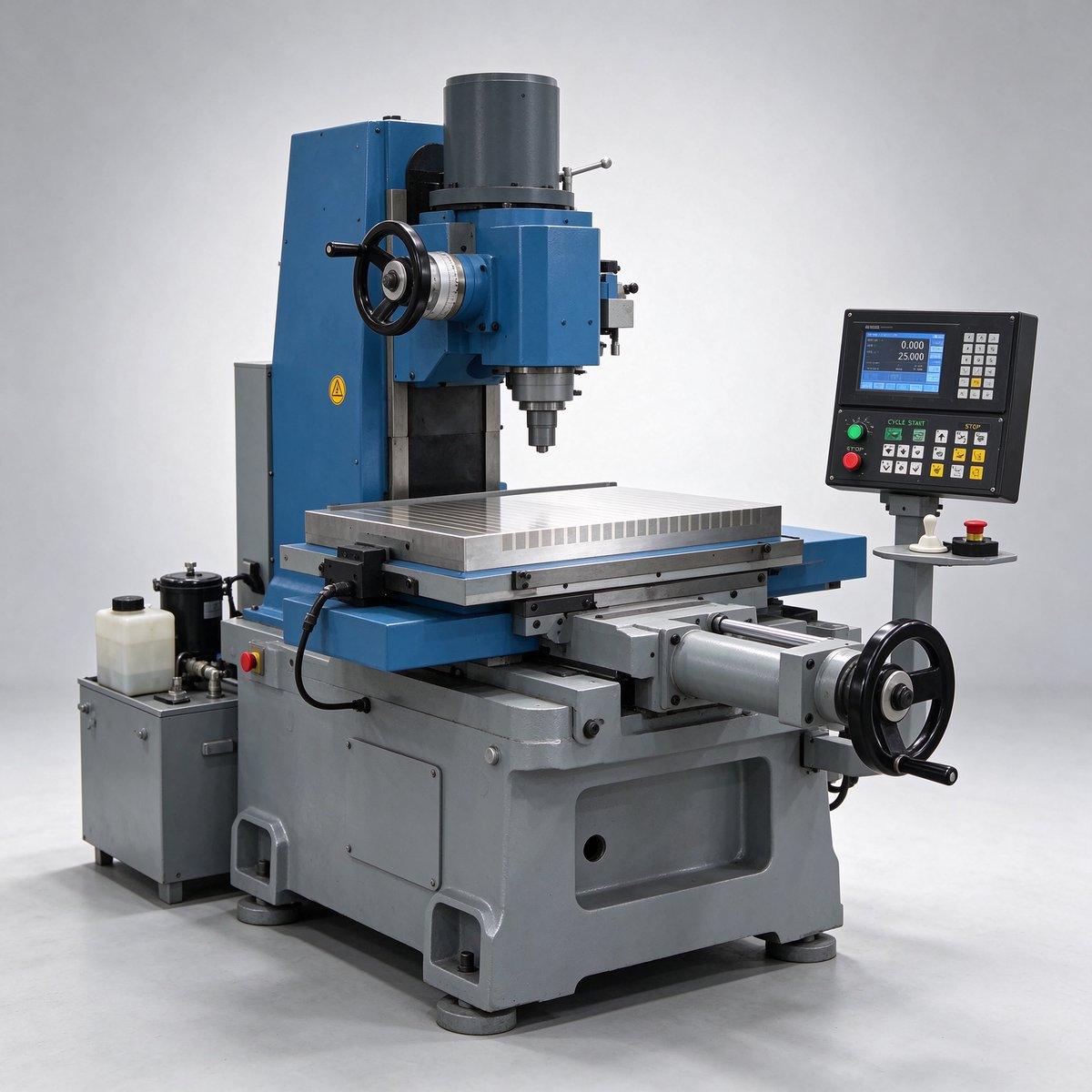
The comparison
| Manual | Hydraulic | PLC | CNC | |
|---|---|---|---|---|
| Typical tolerance | 0.01 mm | 0.005 mm | 0.005 mm | 0.002 mm |
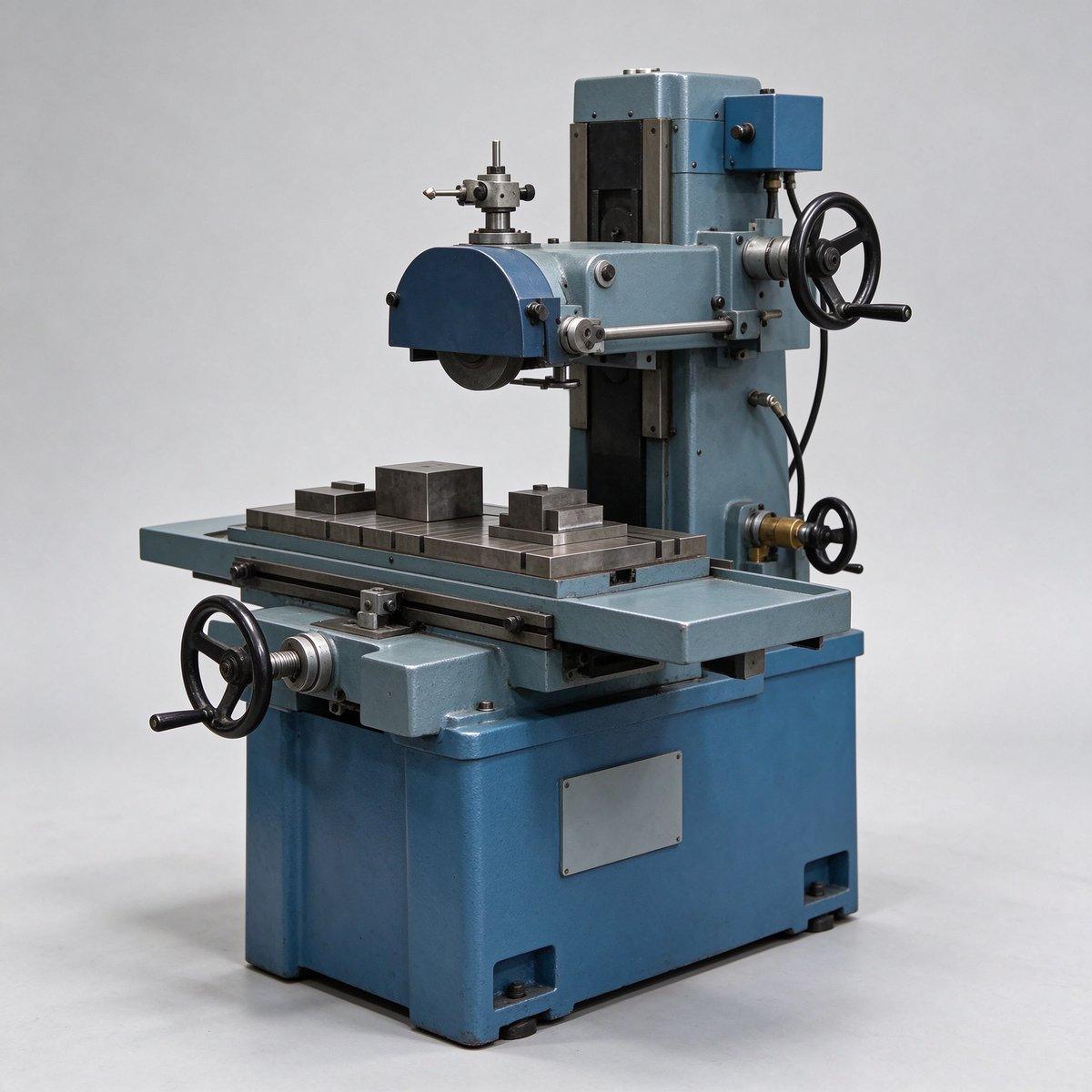
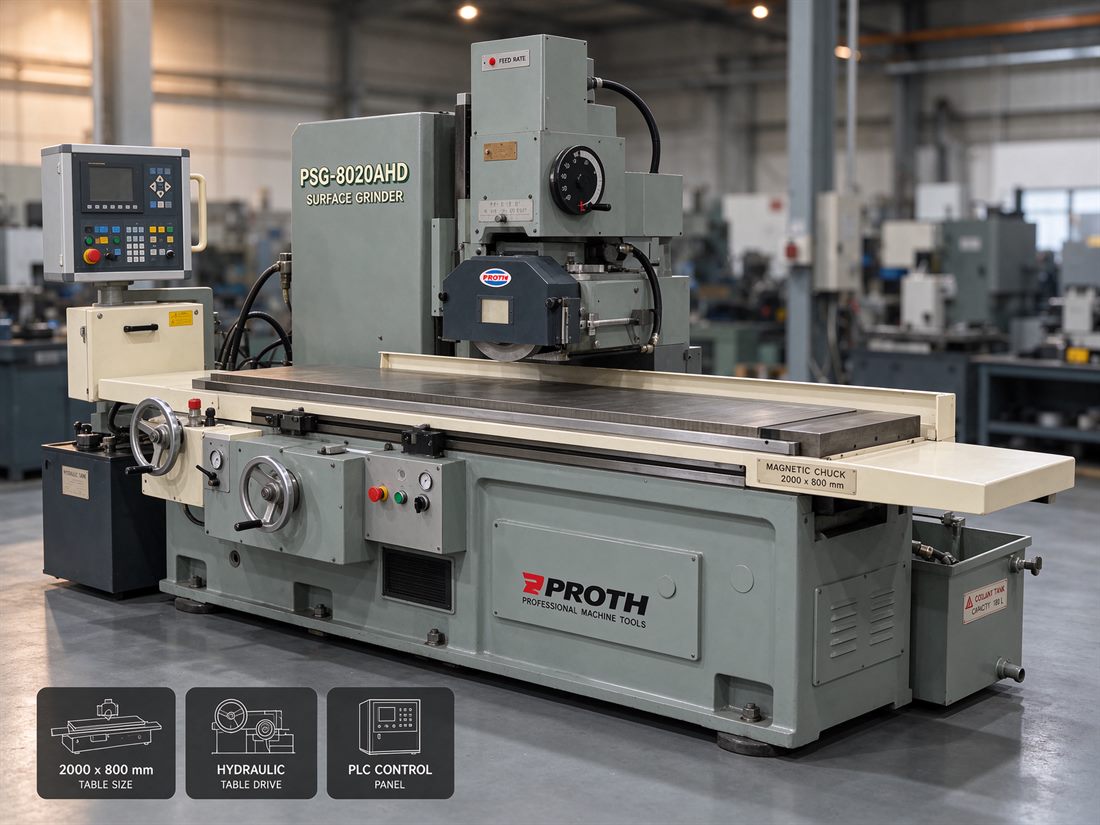
| Table drive | Handwheel | Hydraulic | Hydraulic / servo | Servo |
| Automatic cycle | No | Partial | Stored programs | Full, with dressing |
| Operator dependency | High | Medium | Low | Very low |
| Price band (FOB) | $4,000–7,000 | $9,000–30,000 | $12,000–23,000 | $28,000–42,000 |
| Best for | Tool rooms, small batches | Mould shops, jobbing | Repeat batches | Production, tight tolerance |
When the upgrade pays back
Manual → hydraulic: when one operator is spending more than half their time turning handwheels. Payback is usually under a year on two shifts.
Hydraulic → PLC: when the same part repeats through the year, or when the skilled operator is the bottleneck. The PLC stores the cycle; the payback is consistency rather than speed.
PLC → CNC: when the drawing calls 0.002 mm, when forms must be ground, or when the machine must run unattended. Payback comes from scrap reduction, not cycle time.
The mistake buyers make
Buying a CNC for work that needs 0.01 mm, and then not maintaining the coolant or the wipers — the machine then performs like a hydraulic one at three times the cost. Control level does not replace discipline.
Need a machine recommendation for this job? Send the drawing and tolerance to our application engineers — reply within 24 hours.