
Surface Grinder Table Size: How to Match It to Your Largest Part
Why a surface grinder table must be longer than the part by at least 100 mm, how width and column cl...
Read more →Table & Capacity · topic notes
Table length, width and column clearance — the numbers that decide whether a part fits on the machine. 1 guide, 2 case studies filed under this topic.
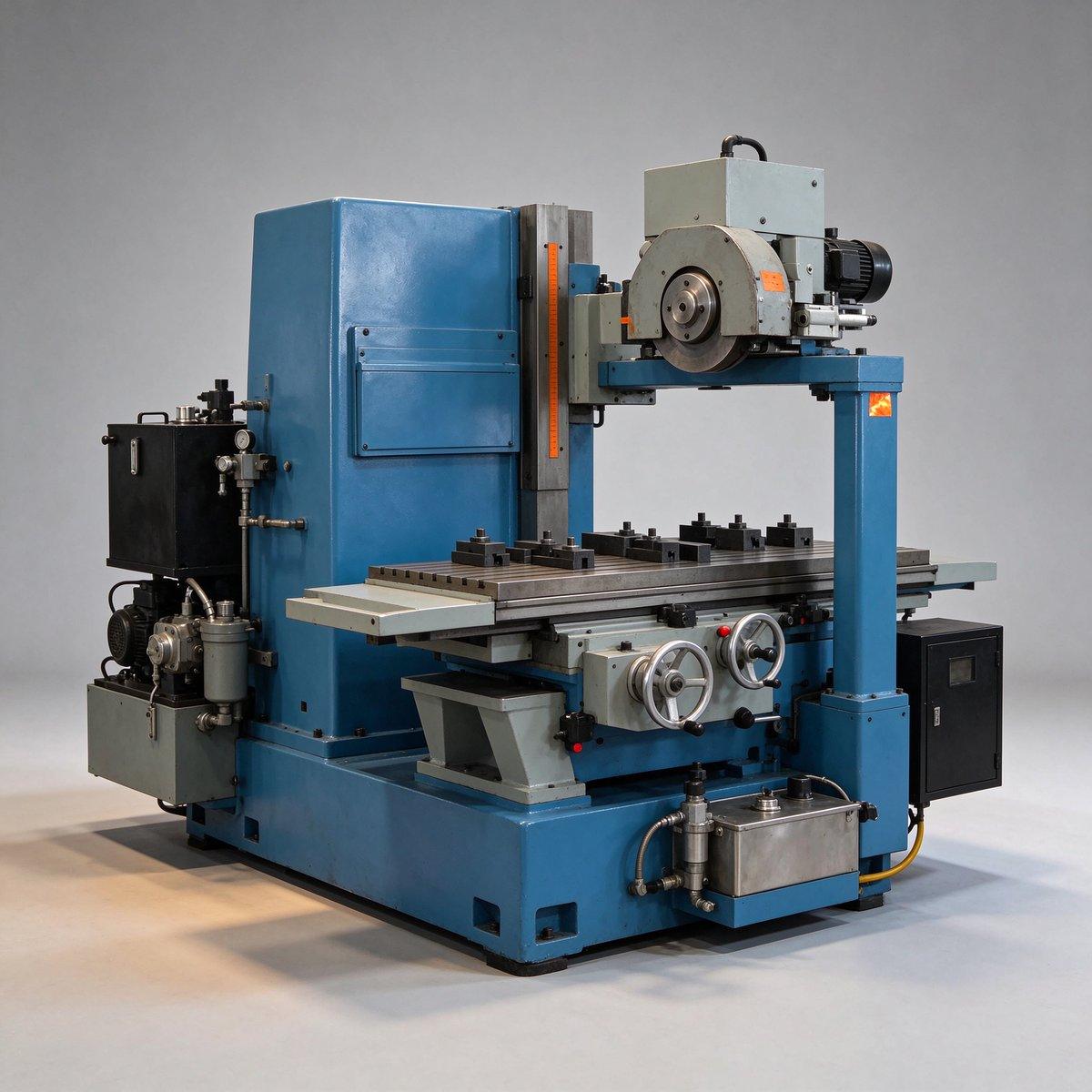
Buyers quote the table size and then discover the part does not fit. What decides it: the table (chuck length and width), the maximum grinding length and width, which is slightly less than the table and is the number that matters for a plate, and the clearance under the wheel, which decides whether a tall block fits under a worn wheel at all.
The rule that saves money: size on the largest part you expect in the next five years, not the typical part this month. A machine that is 200 mm too small cannot be widened later; the whole machine gets replaced.
Every table figure on this site is usable travel, not bed casting size, which is why the numbers look smaller than the casting in a photograph.
A capacity question is answered with a drawing, not a description: send the part outline with the wheel diameter you intend to use and the answer is exact.
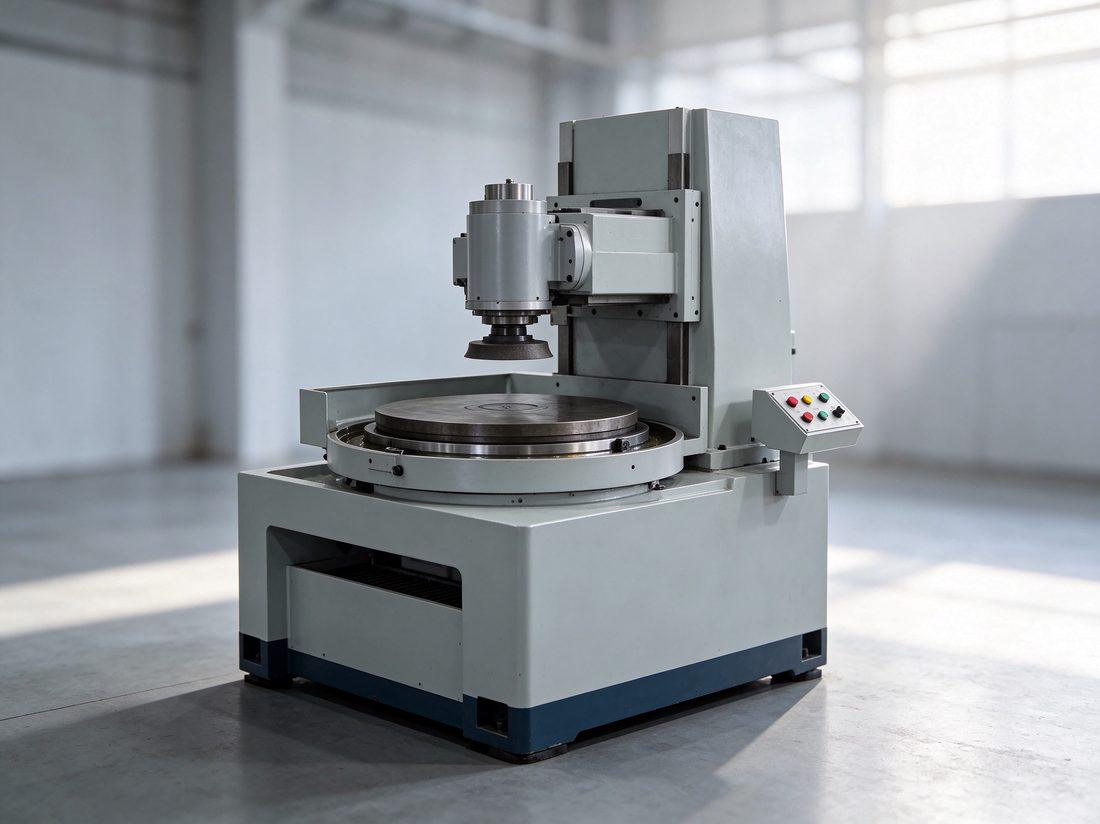
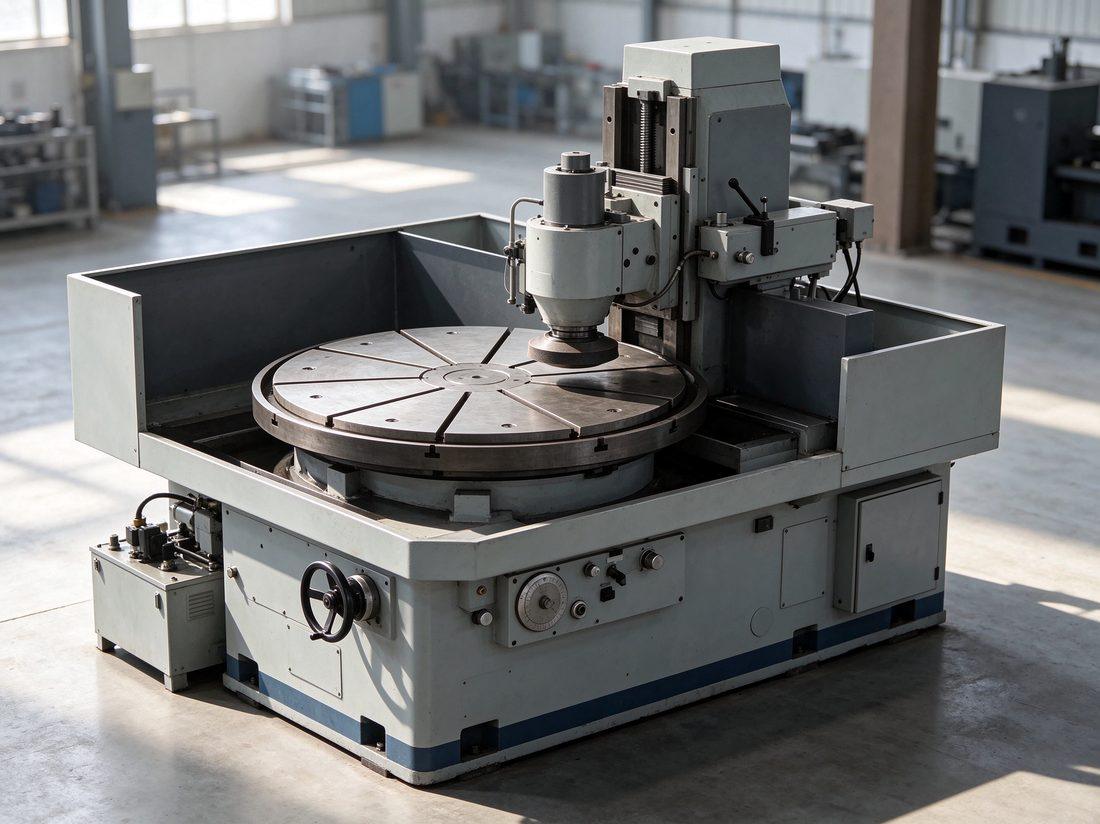
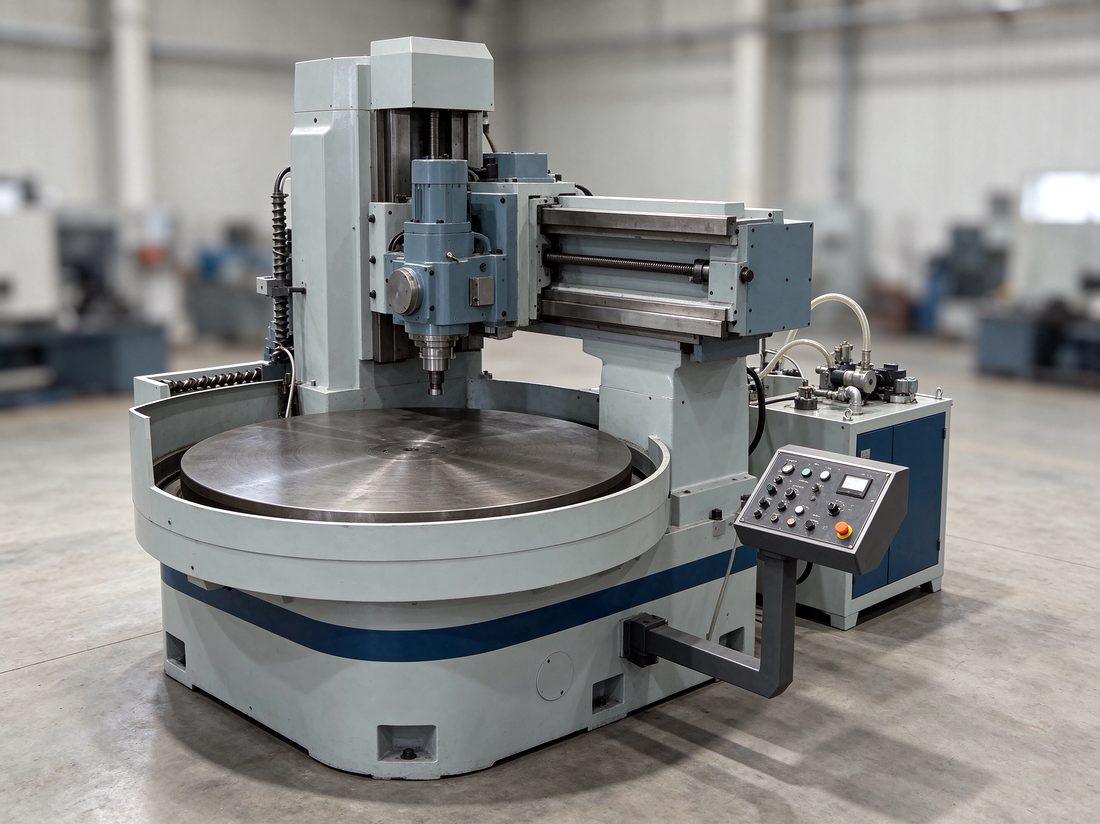
Topics in this vocabulary point to a machine line rather than to a single offer, so the answer stays useful when the model range changes. For table size the closest line is precision rotary table grinders; the selection guide and the accuracy notes cover the neighbouring questions.
Machines filed under this topic, plus the closest models from the line it belongs to.
Why a surface grinder table must be longer than the part by at least 100 mm, how width and column cl...
Read more →
Surface grinding versus lapping compared on flatness, finish, material removal, heat and cost, and h...
Read more →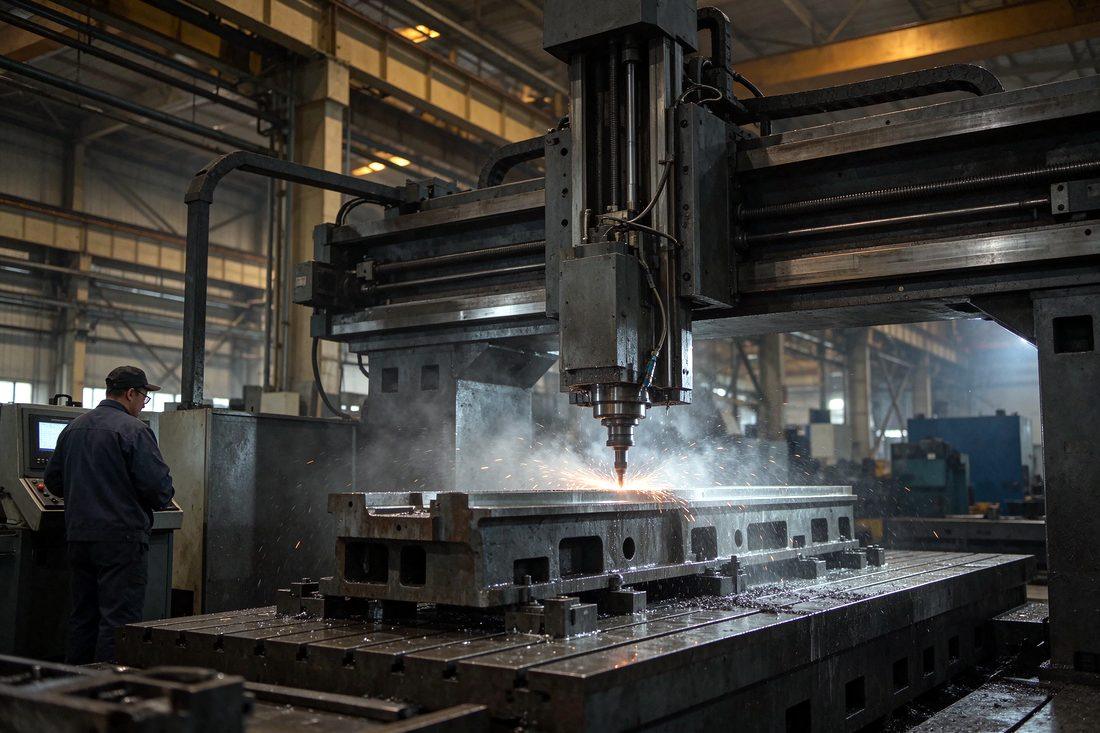
A Malaysian stamping shop set up a dedicated rework cell around a PSG-6015AHD, taking die plate reco...
Read more →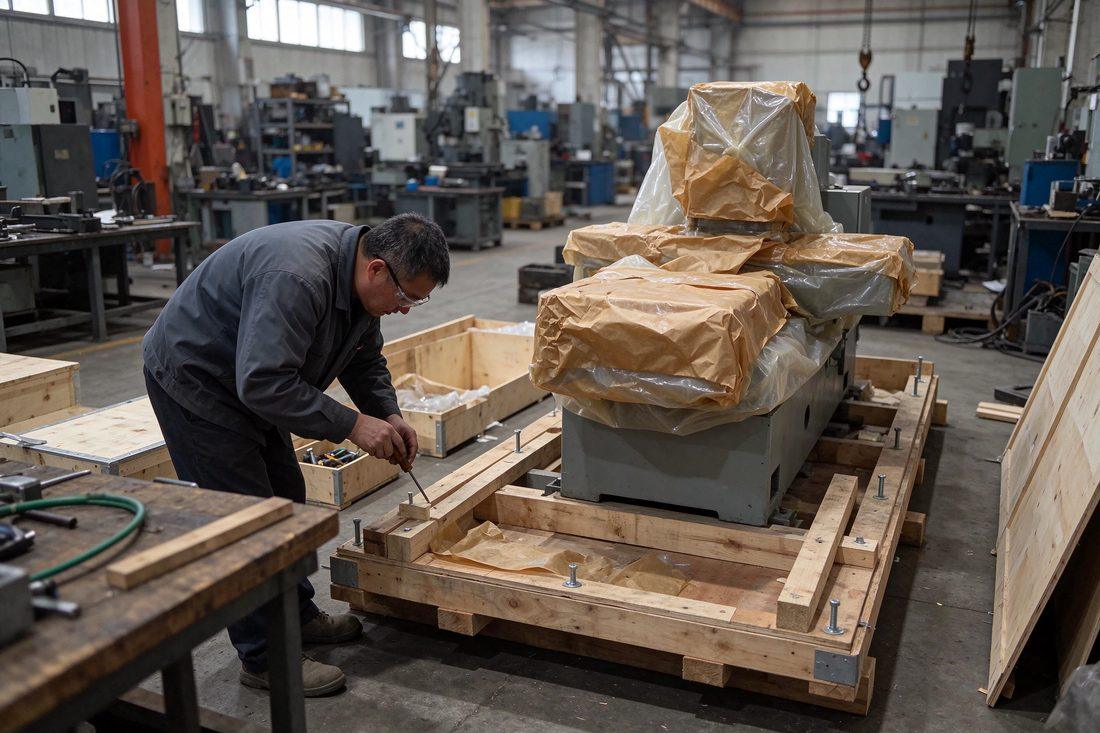
A Vietnamese shipyard supplier grinding 6 m linear guide rails installed a PSG-9030AHD, replacing ou...
Read more →Part length plus the wheel width plus a margin at each end. Grinding a 400 mm plate with a 350 mm wheel needs roughly 1,150 mm of travel for a clean edge-to-edge pass.
Yes. A 150 mm magnetic chuck, a fixture plate and the part stack up, and the height under a worn wheel is the figure that matters.
