
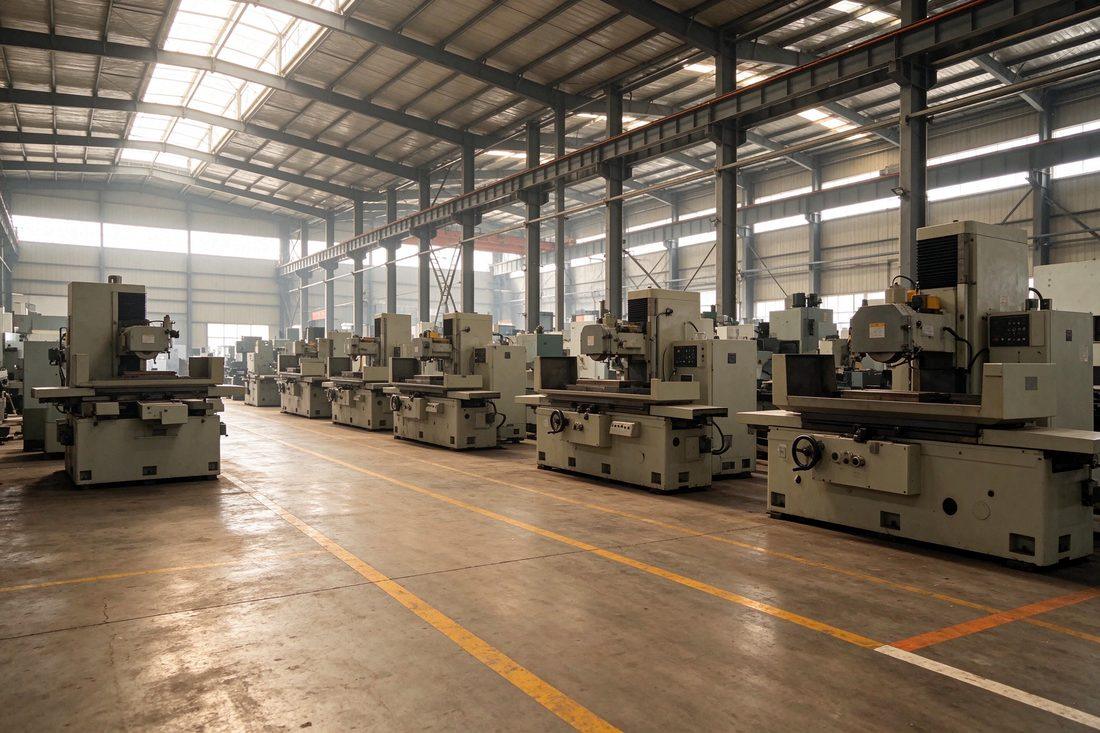
What a Surface Grinder Costs per Hour to Run
The real hourly cost of running a surface grinder: machine depreciation, labour, power, wheels, coolant and floor, with a worked shop rate.
Insights, guides and industry news from our team
Buying guides are meant to be read before you ask for a quote. They compare spindle power, table size and control type against the work your shop actually does, so the specification you send us is the one you meant to send.
Each guide states the assumption it makes and the measurement it protects — flatness, parallelism or positioning accuracy — then points at the models in our range that hold it. If your part falls outside the range covered here, send a drawing or a photo of the setup: our engineers reply with a machine configuration and a delivery estimate rather than a catalogue number.
Most first enquiries name a table size, because that is the number printed on the part drawing. The number that decides the machine is the tolerance. A 0.005 mm flatness call on a 300 × 150 mm plate is a hydraulic machine run with a sharp, well-dressed wheel; the same call on a 1200 × 600 mm plate is a different bed, a different slide and a different foundation. Buy the table first and you either pay for weight you cannot use, or you try to grind a part that walks off the chuck.
Write the requirement as three lines before reading any specification: part size and weight, material and hardness, and the tolerance plus surface finish on the drawing. Those three lines rule out half the range at once and make the rest comparable in a way a catalogue cannot.
In our service notes, distorted parts and glazed wheels account for more out-of-tolerance work than worn slides. A plate clamped on four points with the middle bowed grinds flat and springs back the moment it is released. A wheel dressed once a week and run glazed burns the surface and hides it under a polish that measures well until the part is etched.
A guide that compares machines without mentioning the chuck, the clamping plan and the dressing interval is only half a guide, which is why the articles here cover dressing and table size as often as they cover spindle power.
Send a part drawing or a photo of the setup, the material, the tolerance and the finish, and the number of parts you expect in a week. With those four things an engineer can name one or two models, state the accuracy each will hold and give a delivery window — normally 25 to 45 days from order, 60 to 90 for a gantry machine. Without them, any answer is a guess with a price attached to it.
The real hourly cost of running a surface grinder: machine depreciation, labour, power, wheels, coolant and floor, with a worked shop rate.
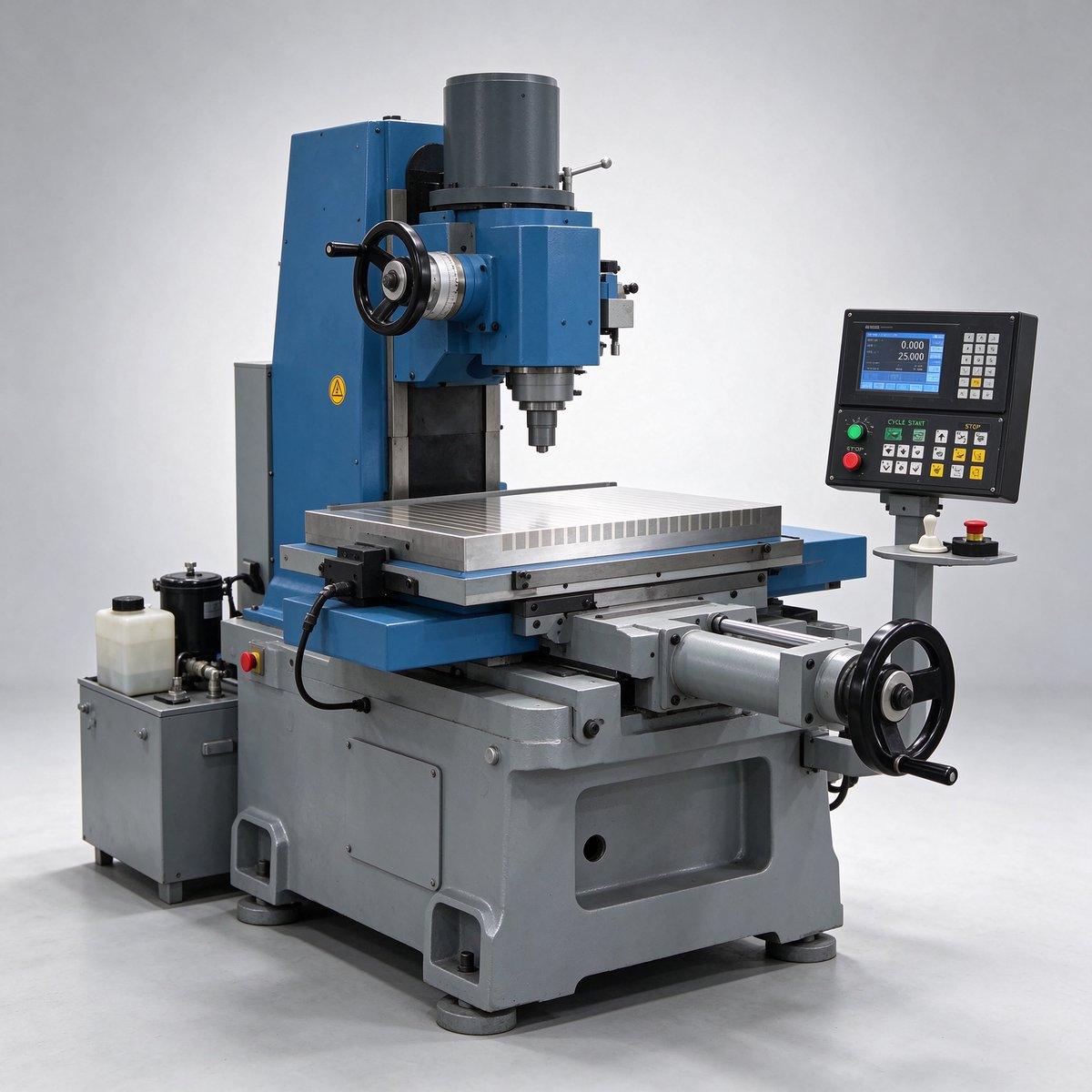
Whether a digital readout earns its cost on a surface grinder: what it changes about size control, when 0.001 mm resolution is wasted, and what to buy.
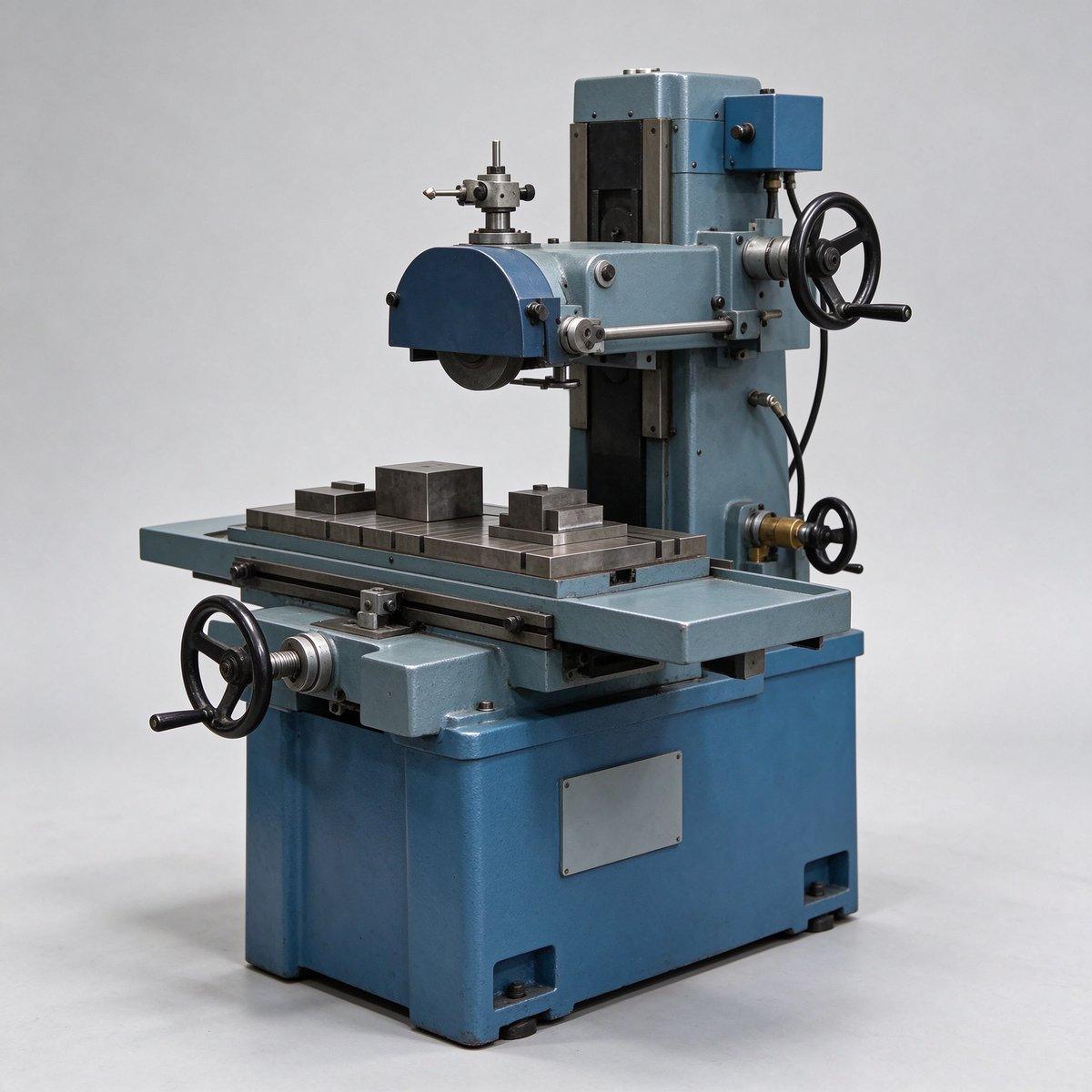
What a small surface grinder really needs in a home shop: power supply, floor load, noise, weight and the 6x18 class machines that fit a garage.
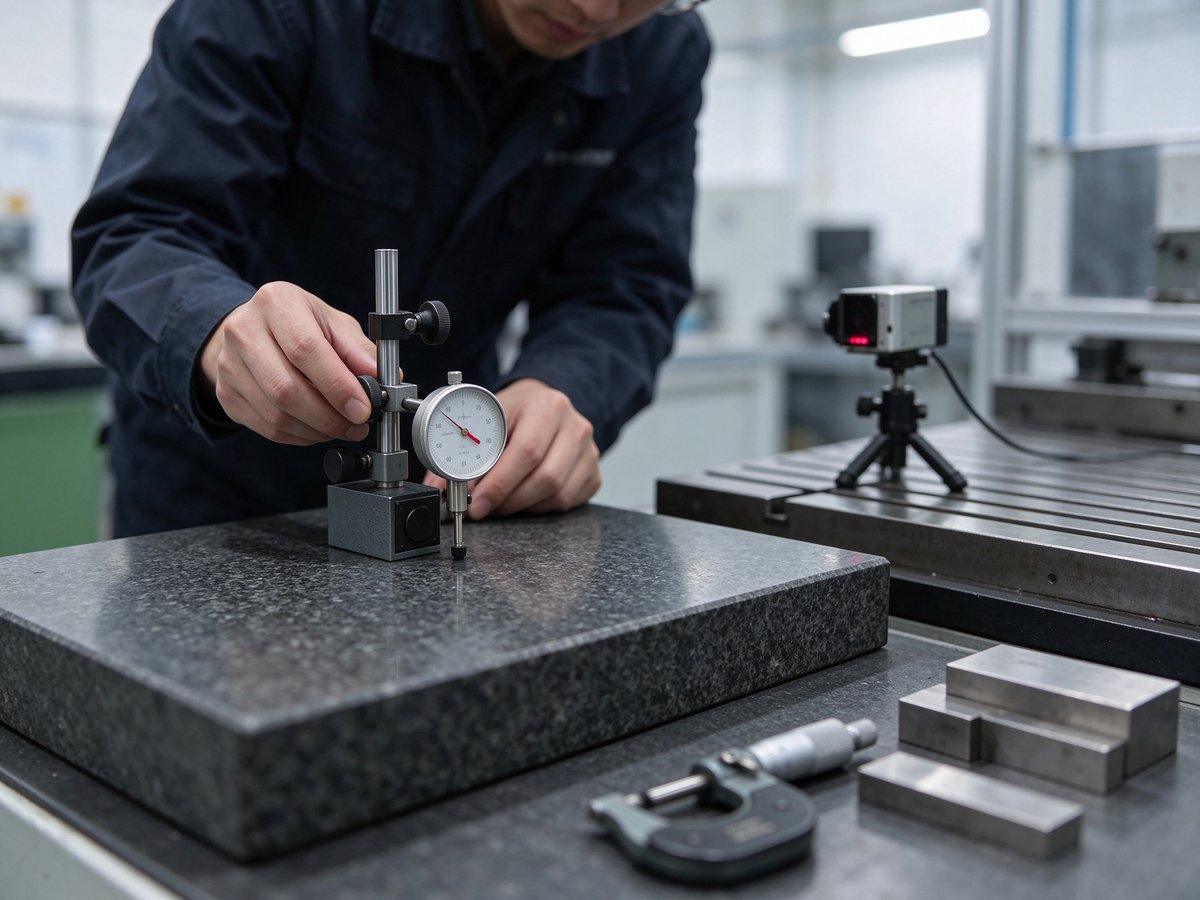
How to inspect a used surface grinder in half an hour: the measurements, the wear patterns and the accessories that decide if the price is fair.
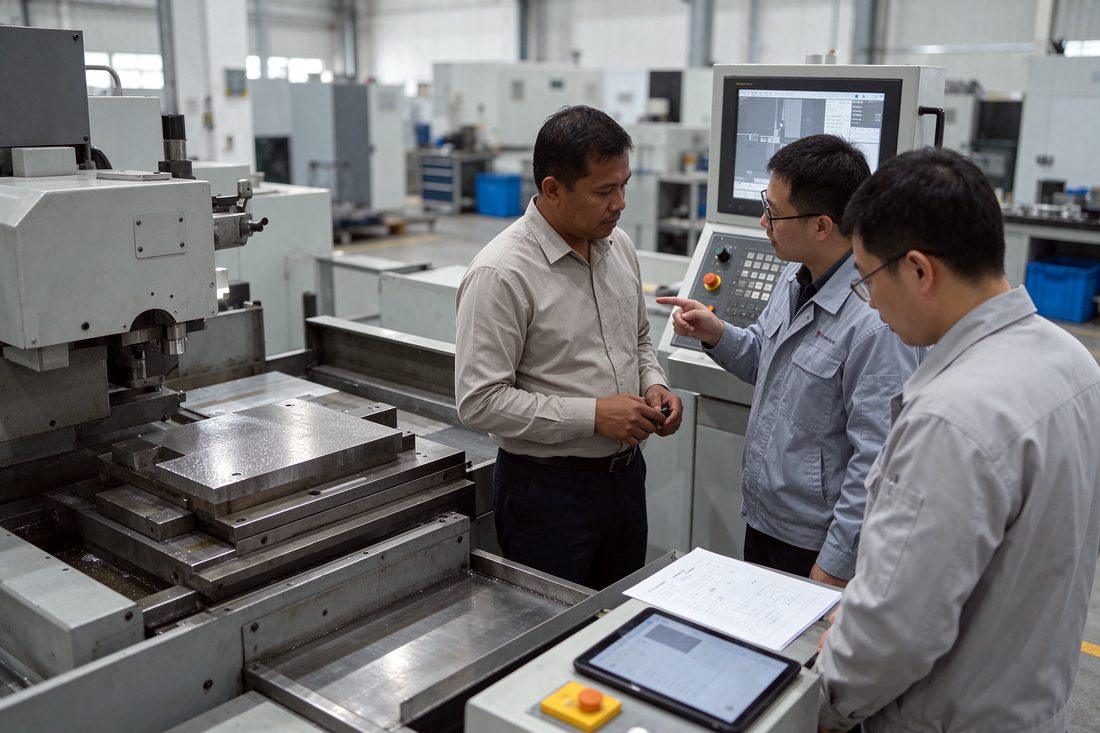
A surface grinder for sale is only worth the price if the table, spindle and ways still hold tolerance. The 12 checks that decide it, in cost order.
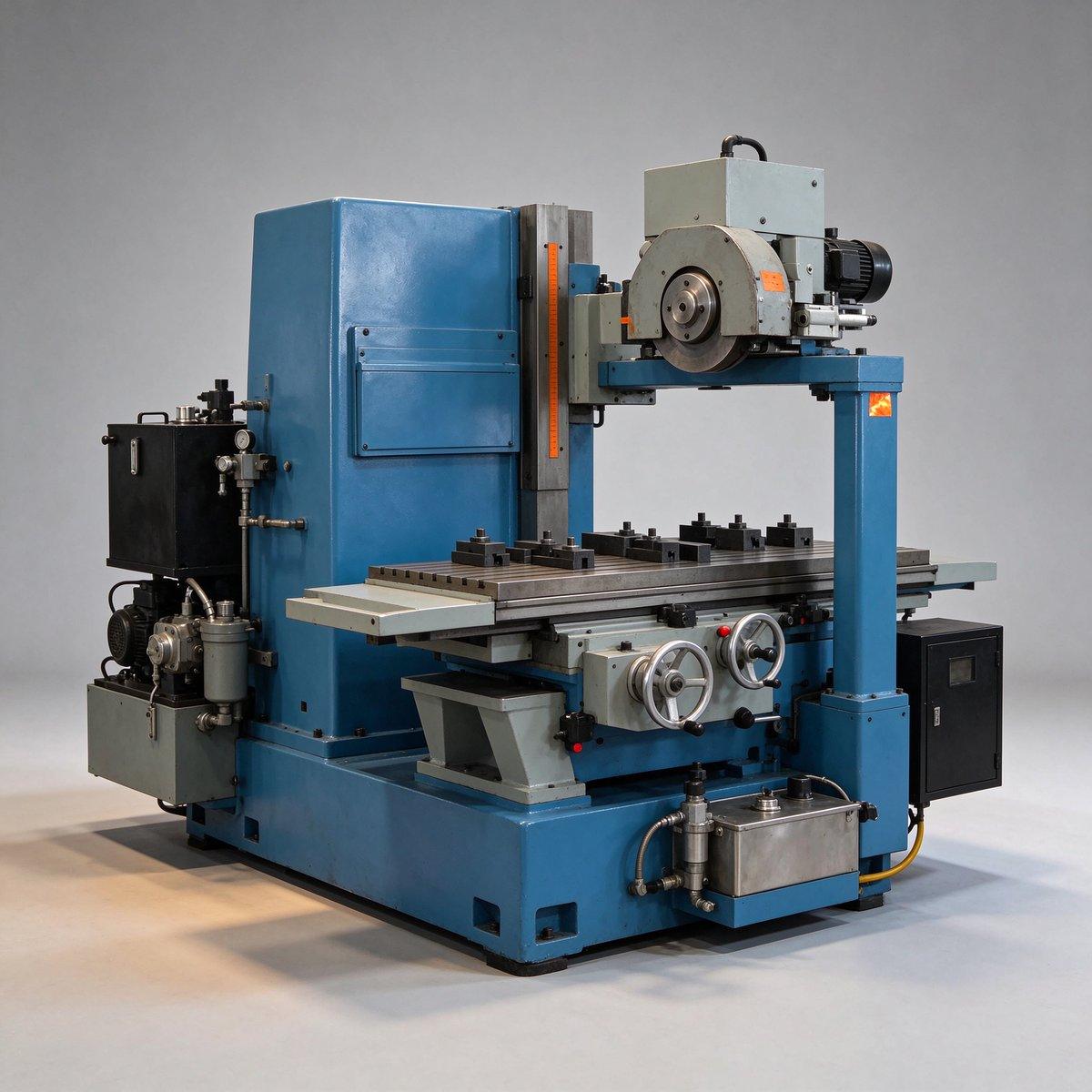
Why a surface grinder table must be longer than the part by at least 100 mm, how width and column clearance are decided, and the table that fits the work you actually grind.
A side-by-side comparison of manual, hydraulic, PLC and CNC surface grinders: tolerance, operator skill, price band and when each level pays back.
Table size, control class, spindle and chuck: which options add cost, which add value, and where a quotation stops being comparable.
A used grinder is cheaper on the invoice and sometimes cheaper overall — the difference is in ways, spindle and parts availability.
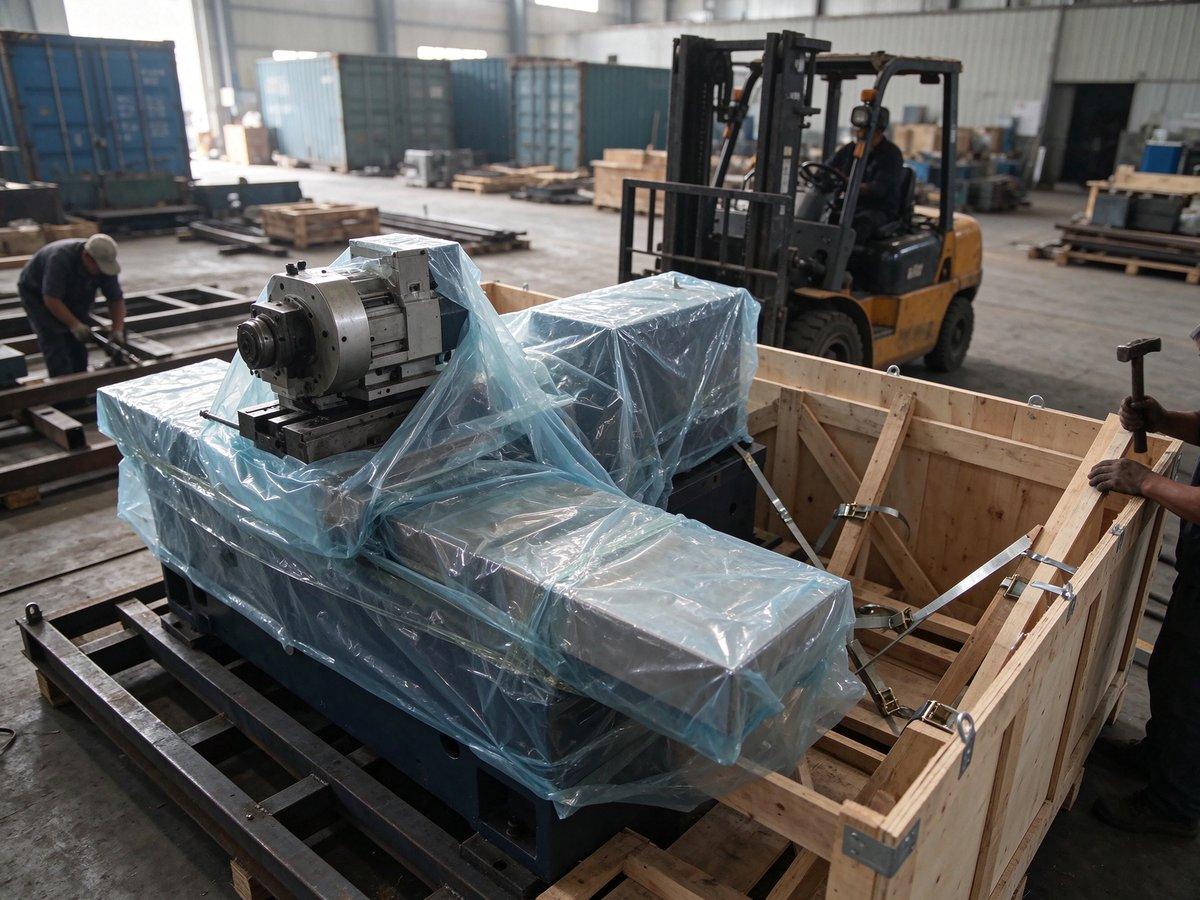
What a machine shipment contains, which documents the buyer needs, and how long each stage actually takes door to door.
Depth of cut, wheel width and contact area decide the power you need — not the size of the part.
