
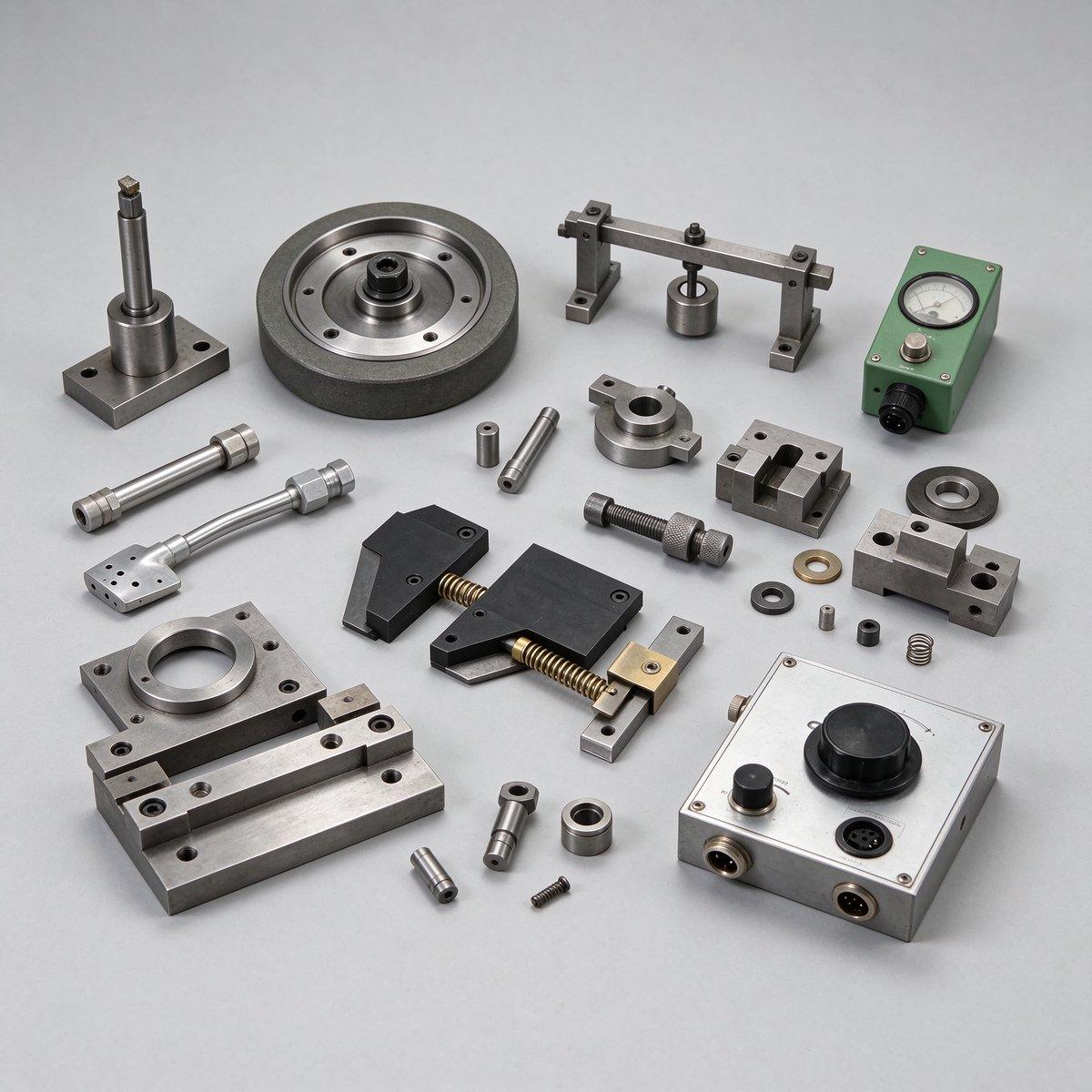
Magnetic Chuck Maintenance: Holding Force, Parallelism, Demagnetizing
How to keep a surface grinder magnetic chuck flat and holding: stoning, demagnetizing, checking hold...
Read more →Wheels & Coolant · topic notes
Chuck holding force, parallelism and demagnetizing on surface grinders. 3 guides filed under this topic.
A magnetic chuck is the most-used component on a surface grinder and the one most often left out of the purchase decision. Three figures decide whether it works for a given part: the pole pitch, which sets the thinnest part that will hold at all; the holding force per unit area, which falls away the moment the part does not cover the poles fully; and the residual magnetism left after grinding, which is enough to move a 0.005 mm measurement.
The usual mistake is to size the chuck to the table instead of to the work. A chuck that covers less than the travel envelope means part of the table can never hold anything, and a chuck with standard pitch will not hold a 2 mm plate however large it is. Choose fine pitch for thin plates, standard pitch for blocks, and remember that stainless, aluminium, brass and carbide hold essentially nothing — those get a fixture, not a chuck.
Clean the face with a stone and a cloth before every clamp: swarf under a plate produces taper that looks like a machine fault. Demagnetise before measuring. Check the controller's demagnetising cycle actually runs rather than just switching the field off. And confirm the chuck is still flat after years of use — the face is ground with the machine's own wheel, so a chuck that has never been re-ground carries the wear of the parts clamped on it.
Filtration matters more on a grinder than on any other machine tool, because swarf in the coolant is what scratches a finished surface.
If finish drifts across a long part, measure the wheel wear: if it has dropped more than 0.05 mm the dressing interval is too long for that job.
Topics in this vocabulary point to a machine line rather than to a single offer, so the answer stays useful when the model range changes. For magnetic chucks the closest line is surface grinder parts and accessories; the selection guide and the accuracy notes cover the neighbouring questions.
Machines filed under this topic, plus the closest models from the line it belongs to.
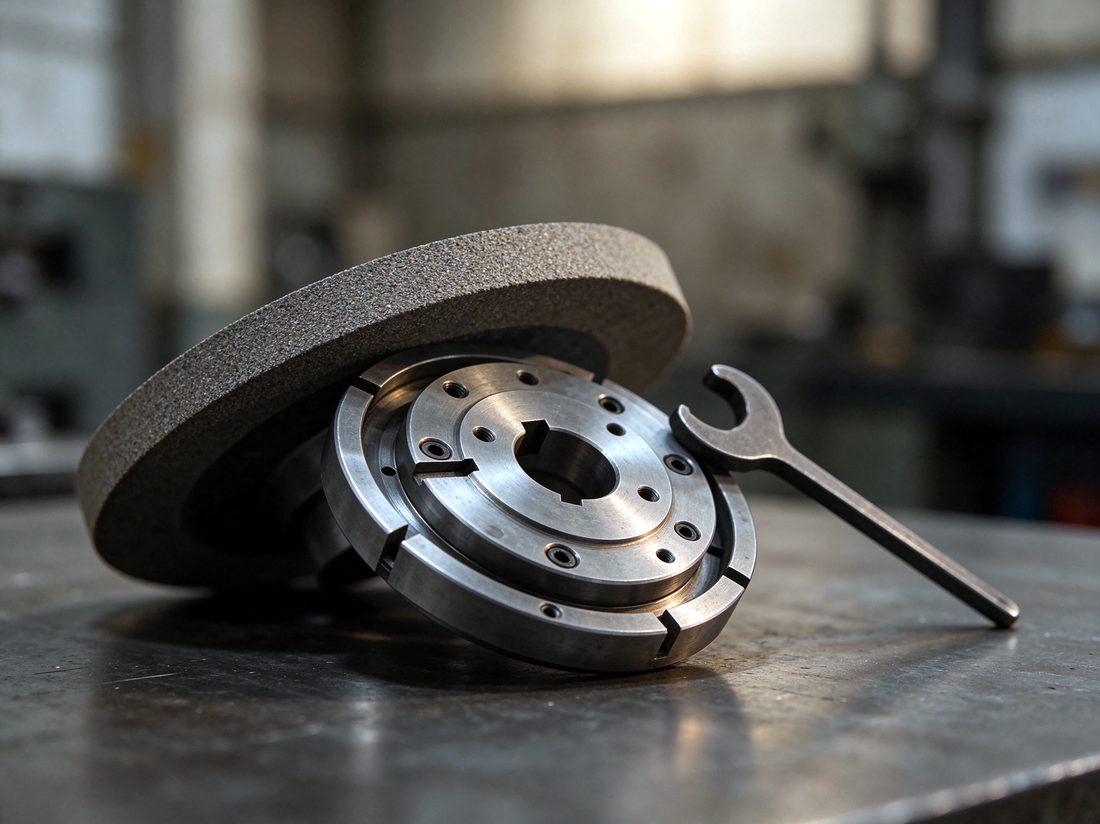
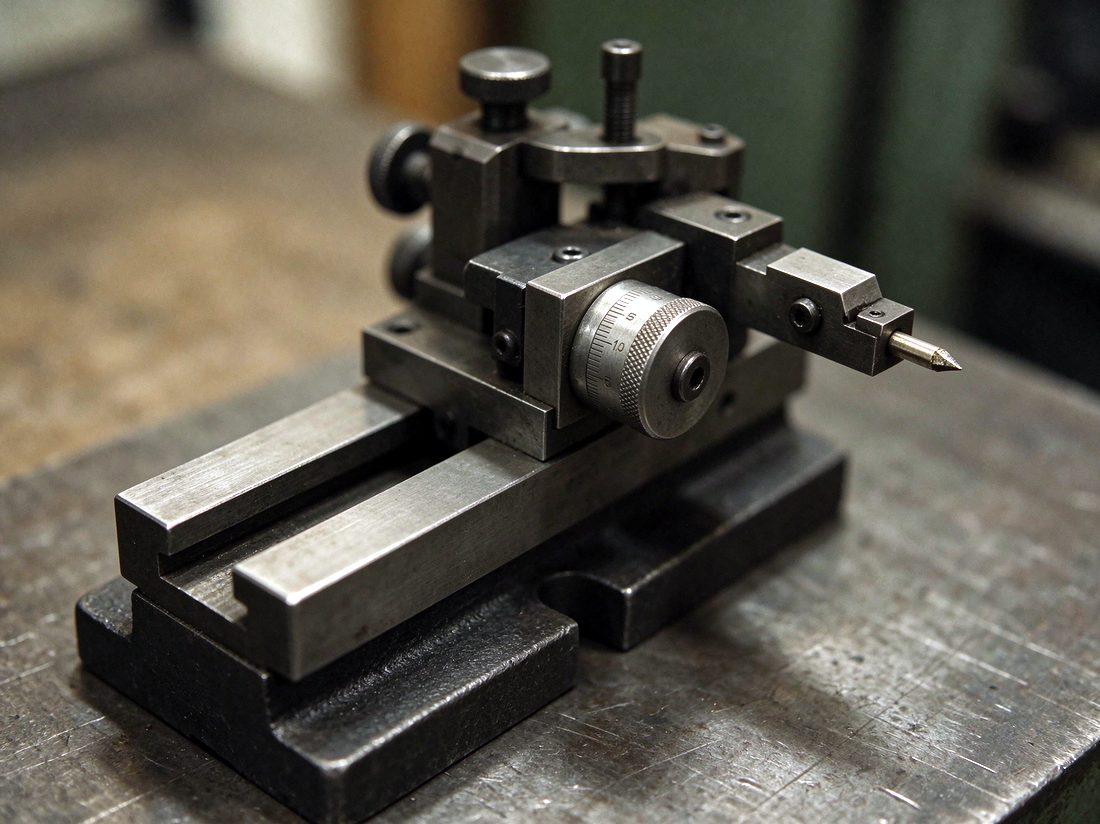
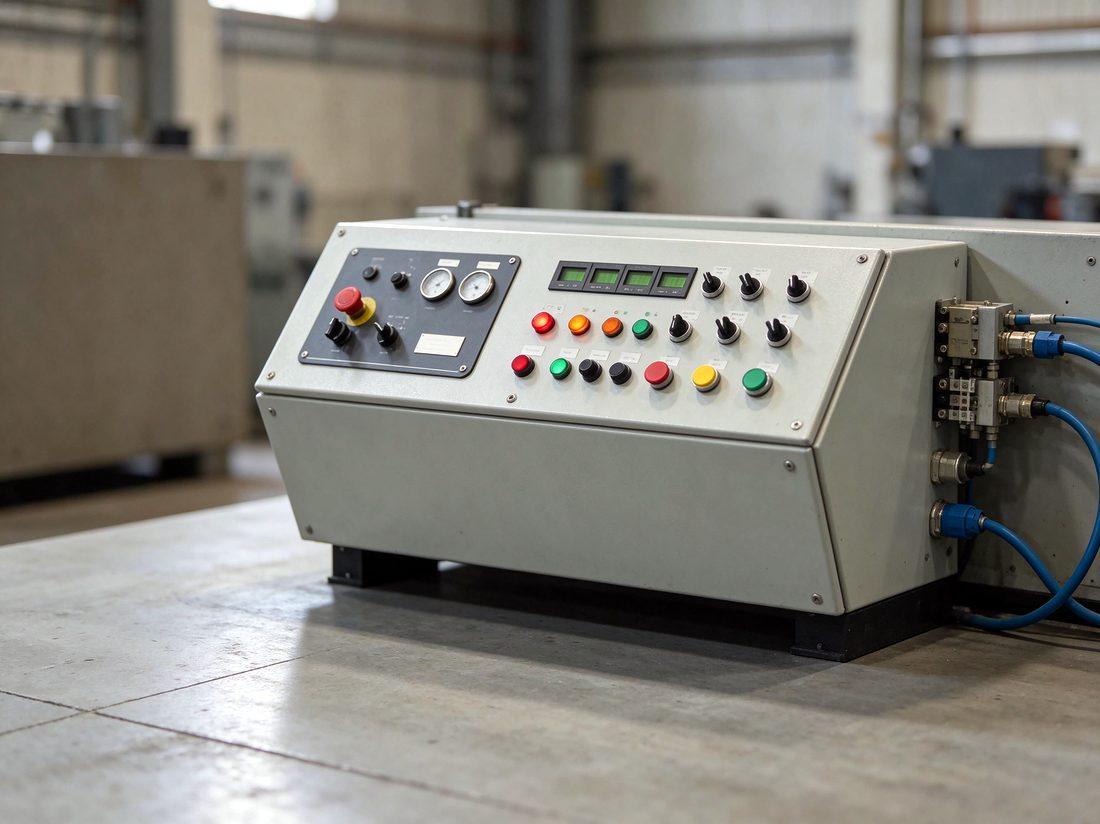
How to keep a surface grinder magnetic chuck flat and holding: stoning, demagnetizing, checking hold...
Read more →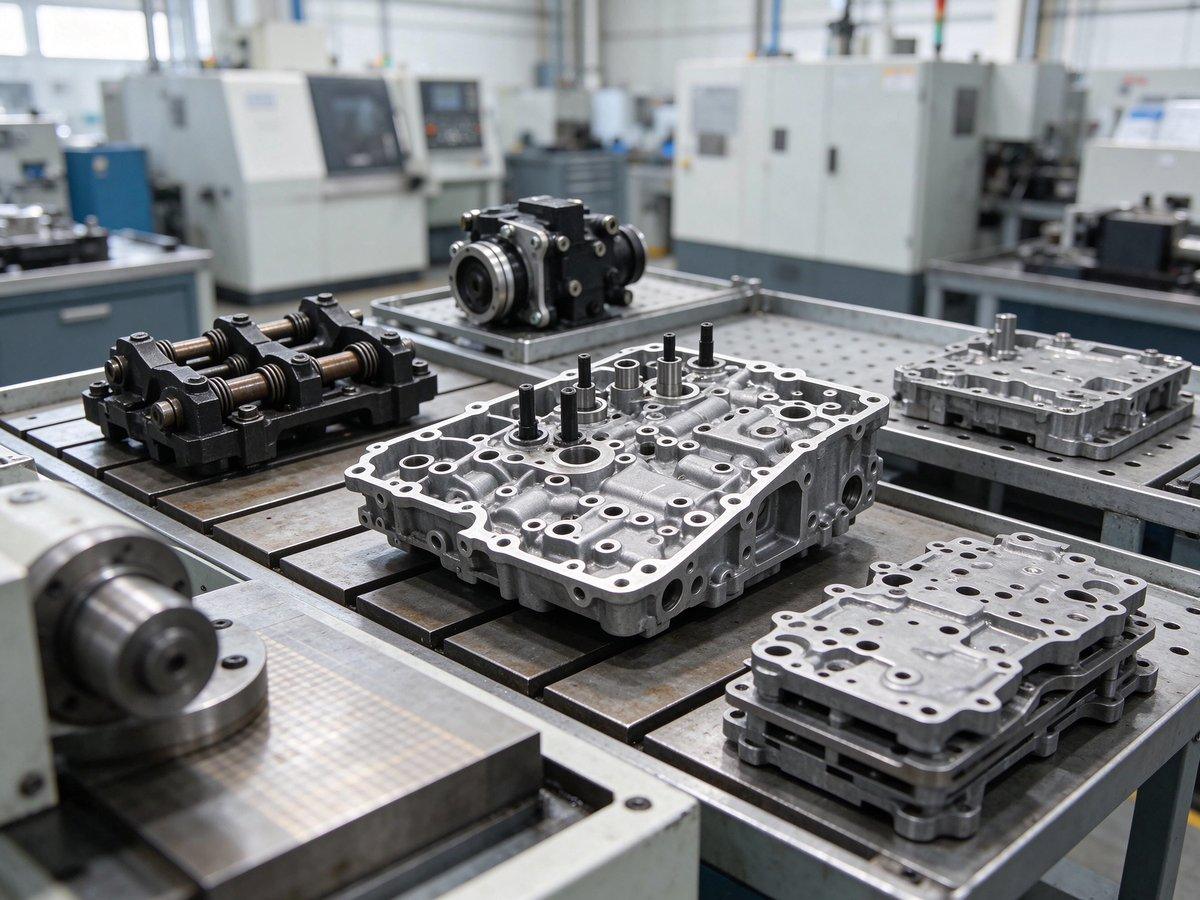
How to grind 0.5–3 mm plates flat: reduced chuck force, stepped fixtures, rough-finish separation an...
Read more →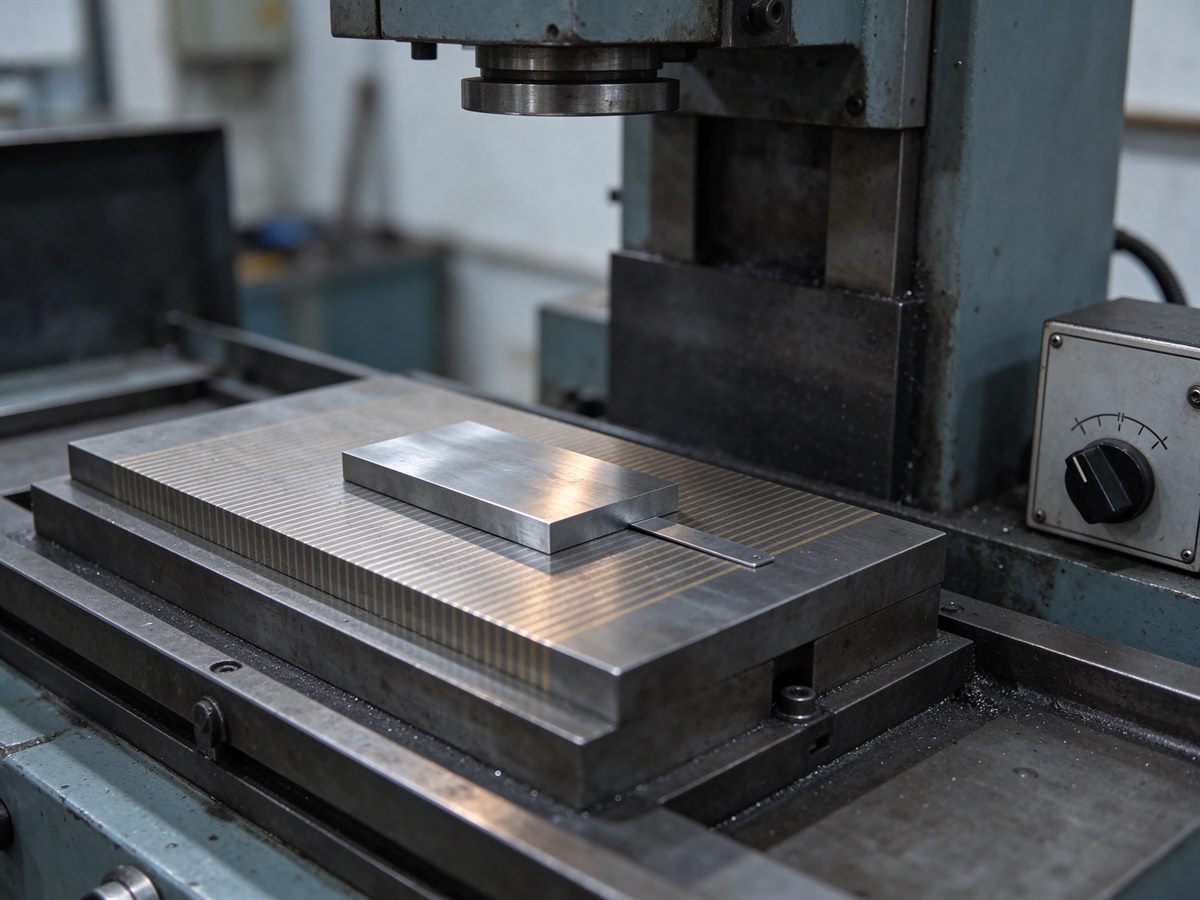
Fine pole or standard, permanent or electromagnetic, and why a 0.5 mm part needs a different chuck f...
Read more →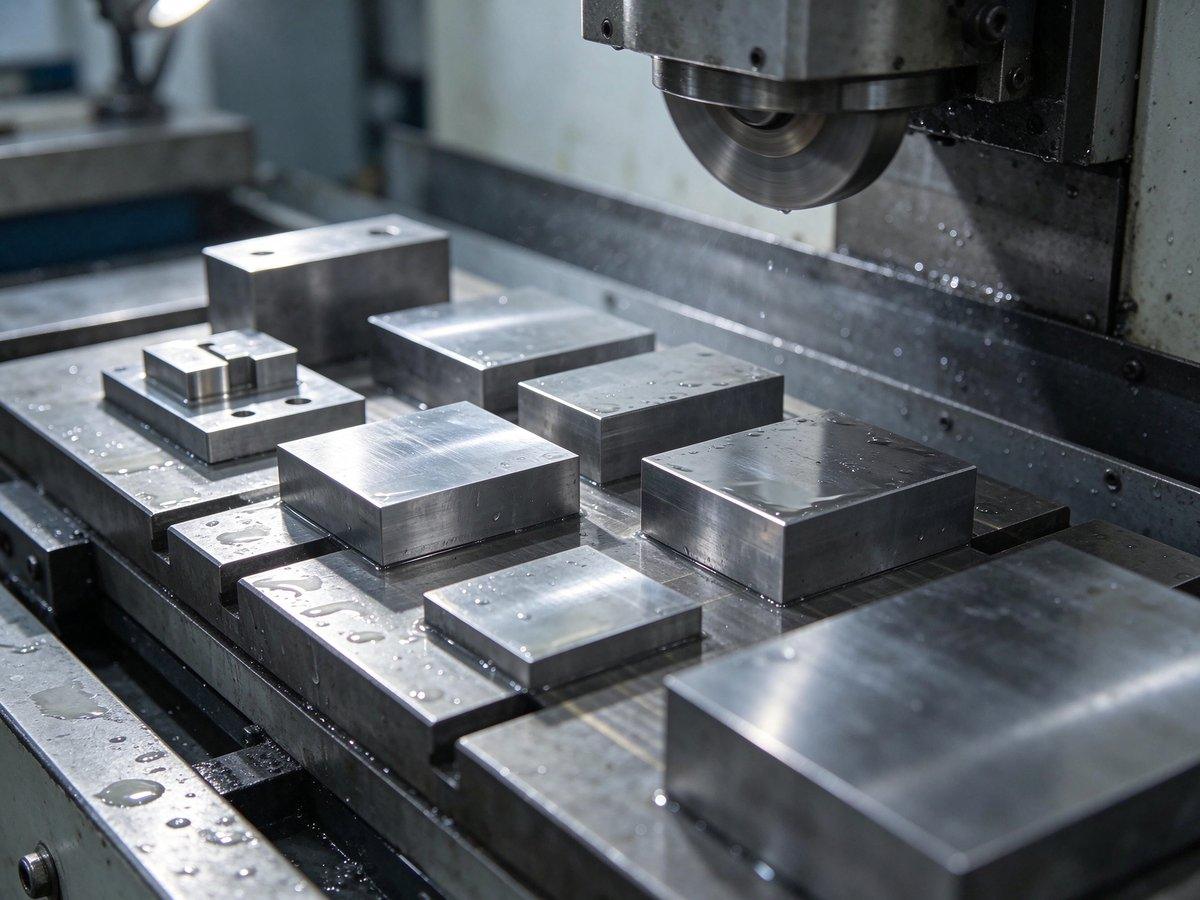
A Vietnamese mould shop replaced two worn manual grinders with a PSG-4080AH and a PSG-250AHR, cuttin...
Read more →60 grit on a vitrified bond covers most die and mould work; move to 46 for stock removal and 120 when the drawing asks for a fine finish.
Every 20–30 minutes of cutting on steel, and immediately before any finishing pass. A glazed wheel raises the temperature, which is the start of burn and chatter.
