Grinding Thin Plates Without Warping: Clamping, Heat and Pass Strategy
How to grind 0.5–3 mm plates flat: reduced chuck force, stepped fixtures, rough-finish separation and demagnetizing before measurement.
Warp has three parents
Clamping force, grinding heat and residual stress in the material. A thin plate will show all three at once unless each is controlled.
1. Reduce chuck force
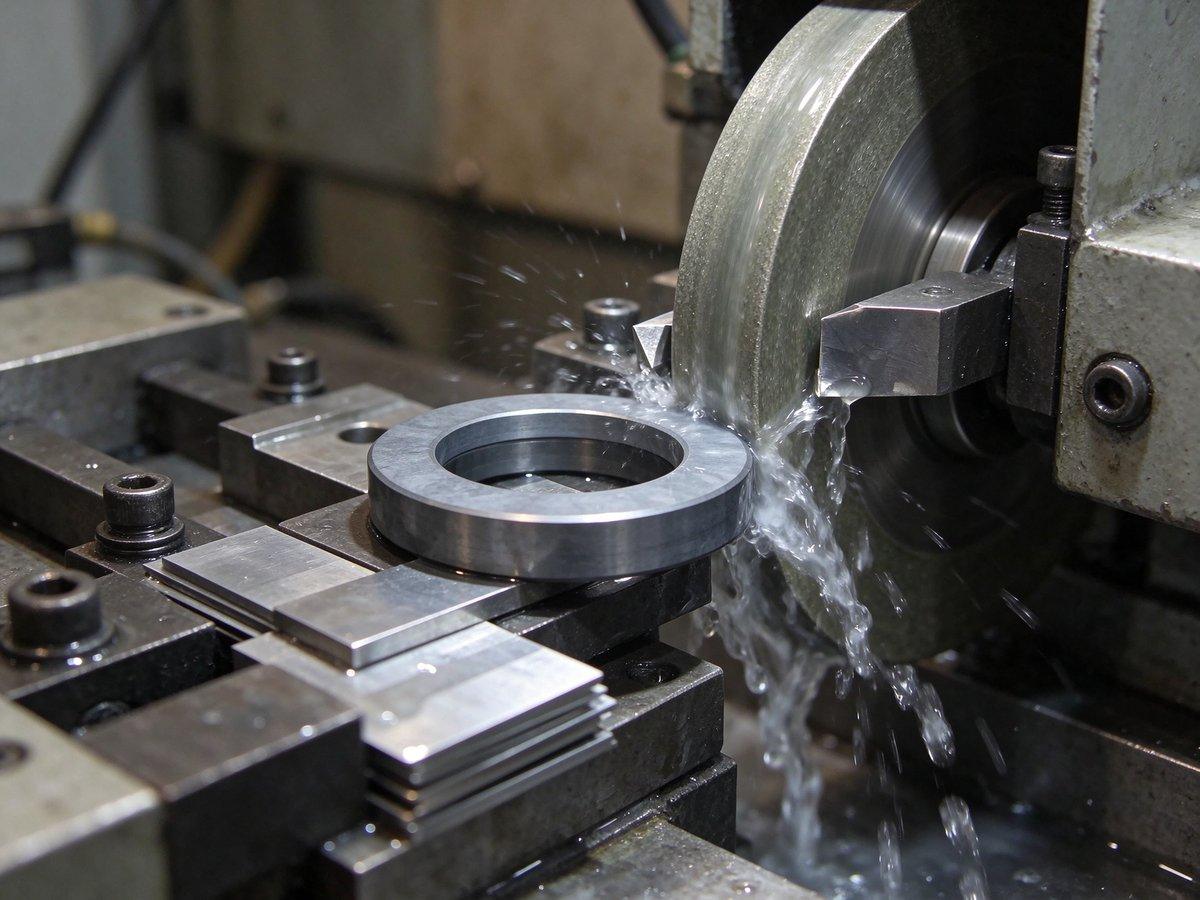
Full chuck power pulls a 1 mm plate flat, grinds it flat while held, and releases it into a bow. Use 20–40% holding force on thin work and support the part with a stepped fixture block so it is held, not bent.
2. Separate rough and finish
Rough grind 0.3–0.5 mm per pass to remove most stock, then release the part and let it equalise to shop temperature (20–30 minutes for a thin plate). Finish with 0.05–0.1 mm passes and two spark-outs. Grinding both operations back-to-back in one setup bakes the stress in.
3. Wheel and coolant
Use a soft, open wheel (H–I grade, 46 grit) and generous coolant aimed at the contact point. A hard wheel on thin work heats the surface layer faster than the plate can conduct it away.
4. Demagnetize before measuring
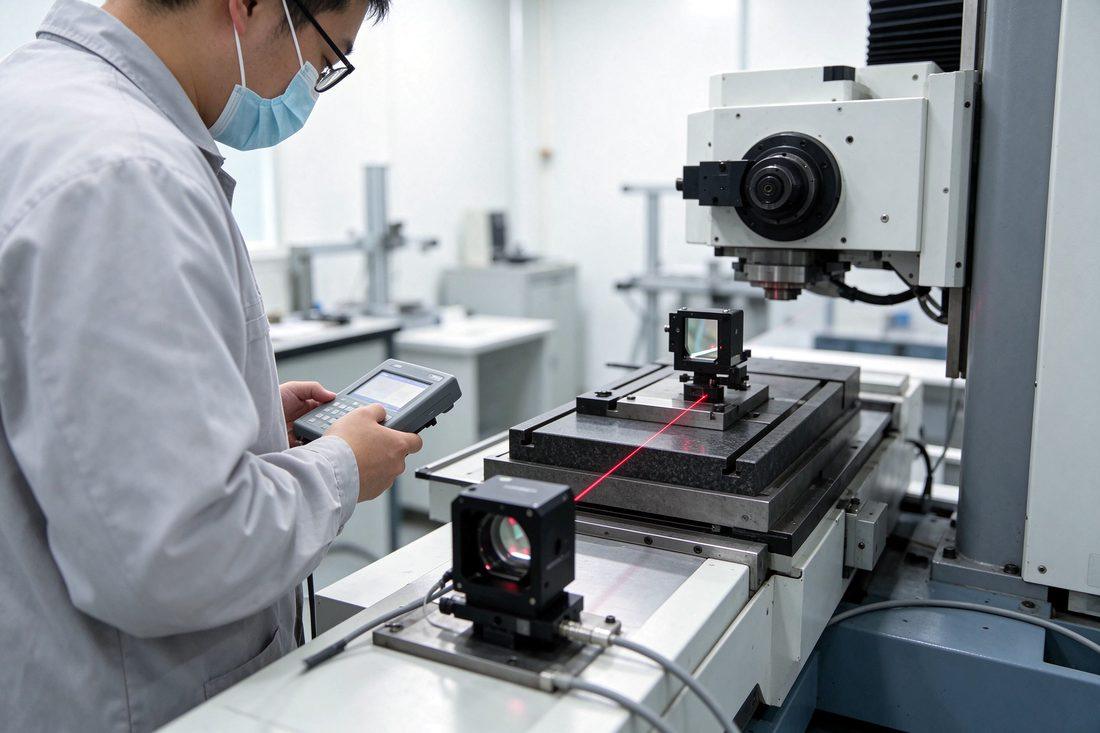
Residual magnetism on a thin plate makes it stick to the granite plate and read as warped. Run the demagnetizing cycle, wipe, then measure.
When the material is the problem
Cold-rolled sheet is already stressed. If the part warps after removing only 0.1 mm, the stress was in the sheet, not the grinding. Stress-relieve the blanks before grinding, or accept a two-stage grind with an equalising pause.
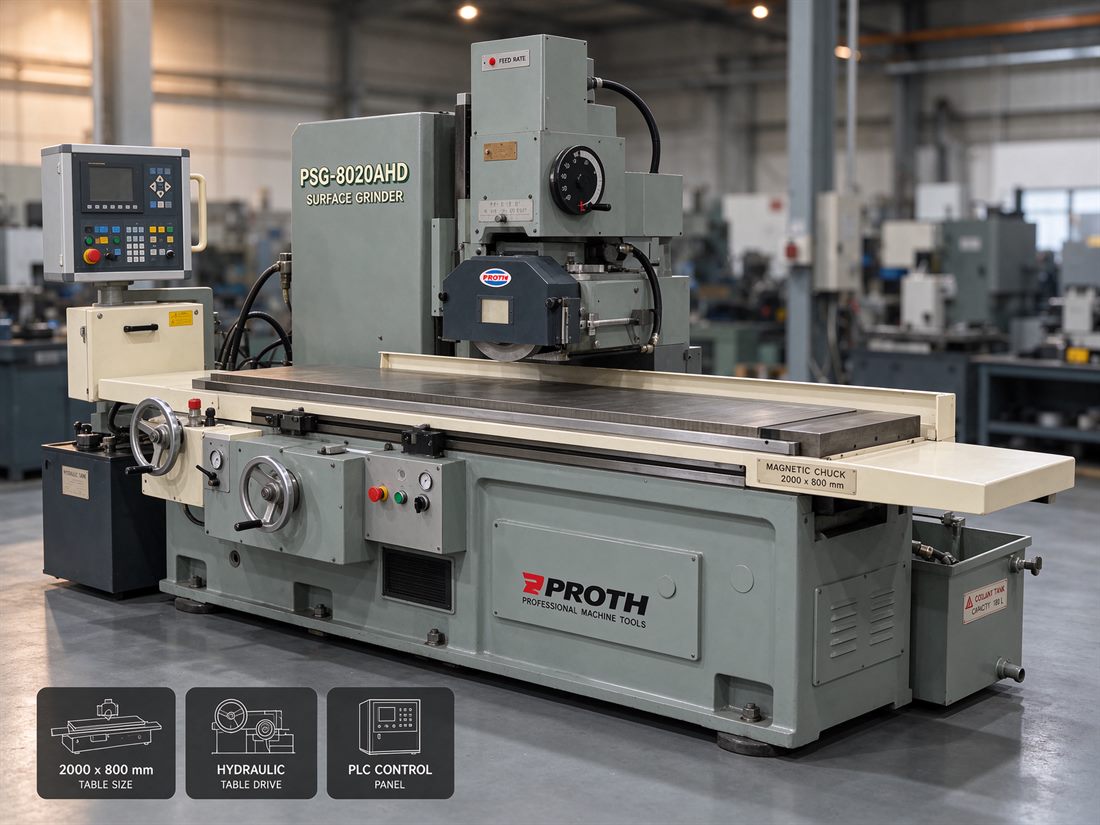
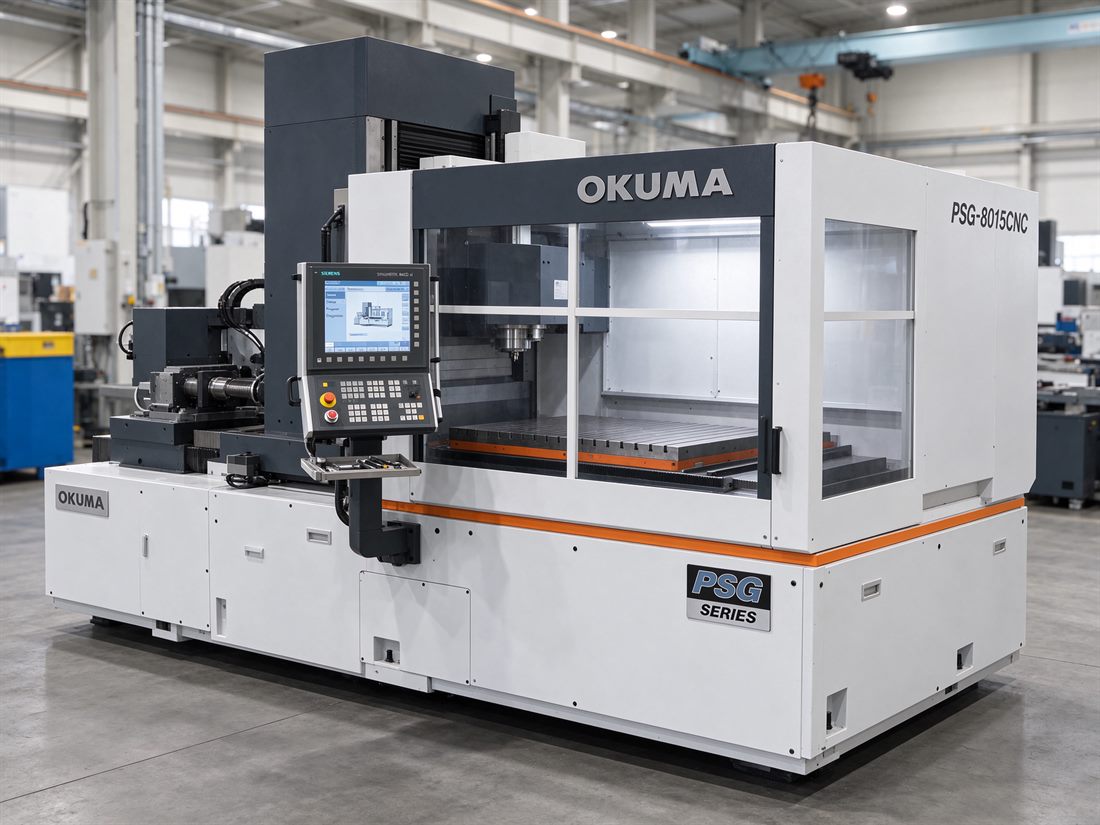
Need a machine recommendation for this job? Send the drawing and tolerance to our application engineers — reply within 24 hours.