
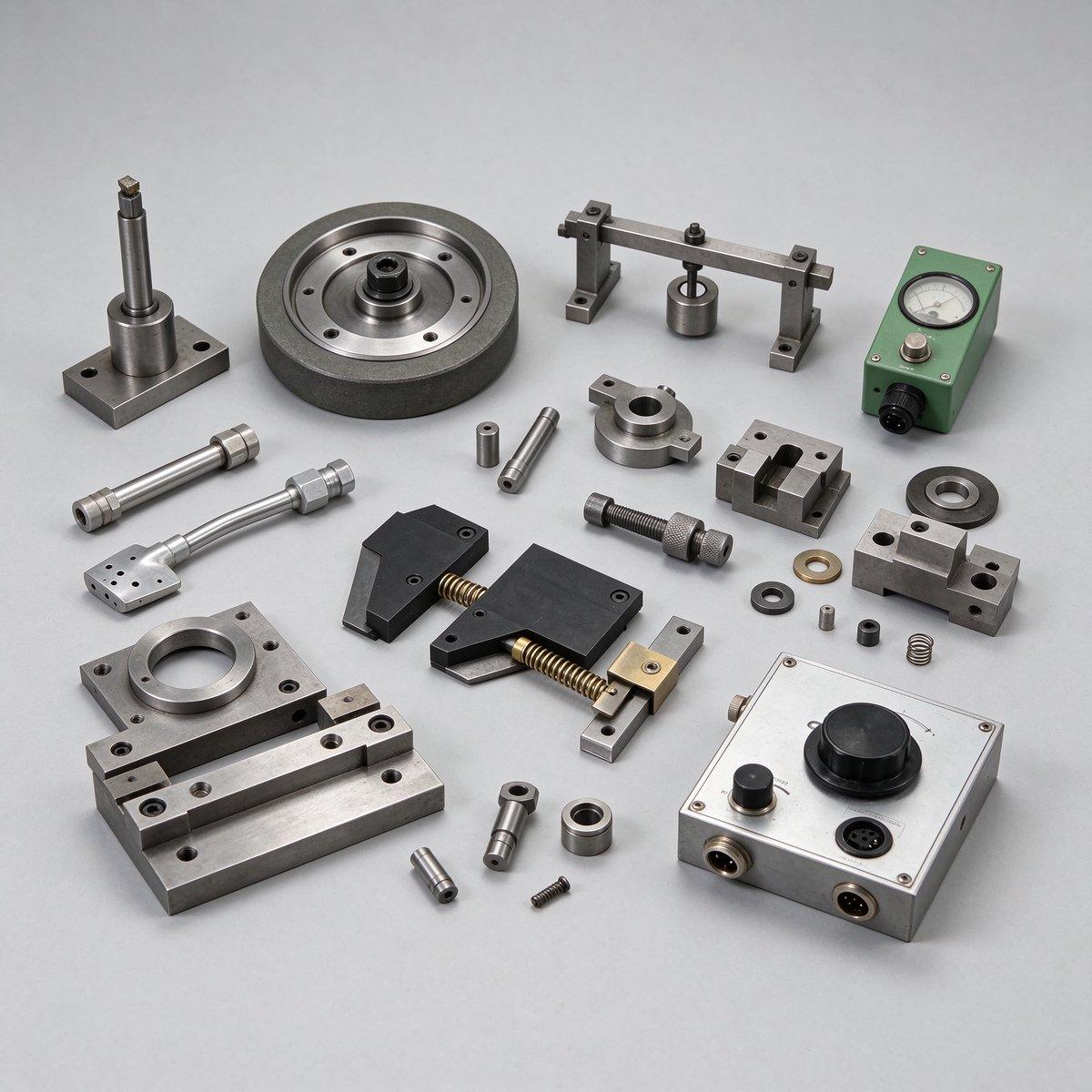
Grinding Wheel Selection for Surface Grinders: A Practical Chart
Which grinding wheel for die steel, hardened steel, aluminium, carbide and cast iron — grit, grade, ...
Read more →Wheels & Coolant · topic notes
Wheel grade selection, balancing, dressing practice and the marks a badly dressed wheel leaves. 5 guides filed under this topic.
A dressed wheel cuts cool and leaves an even face; a glazed wheel rubs, burns the part and produces the chatter that gets blamed on the spindle. Dressing — a single-point diamond traversed across the wheel at 0.02 mm depth and about 0.1 mm per pass — restores open grit and a true face.
The interval is a production decision, not a fixed rule: harder materials and interrupted cuts need it more often; a wheel that is dressed only when someone notices is already costing finish and cycle time. On interrupted castings, every 30–60 minutes of cutting is a realistic interval.
A wheel that is too hard burns, one that is too soft loses its form, and the coolant decides which of the two you get.
If finish drifts across a long part, measure the wheel wear: if it has dropped more than 0.05 mm the dressing interval is too long for that job.
Topics in this vocabulary point to a machine line rather than to a single offer, so the answer stays useful when the model range changes. For wheels & dressing the closest line is PLC programmable surface grinders; the selection guide and the accuracy notes cover the neighbouring questions.
Machines filed under this topic, plus the closest models from the line it belongs to.



Which grinding wheel for die steel, hardened steel, aluminium, carbide and cast iron — grit, grade, ...
Read more →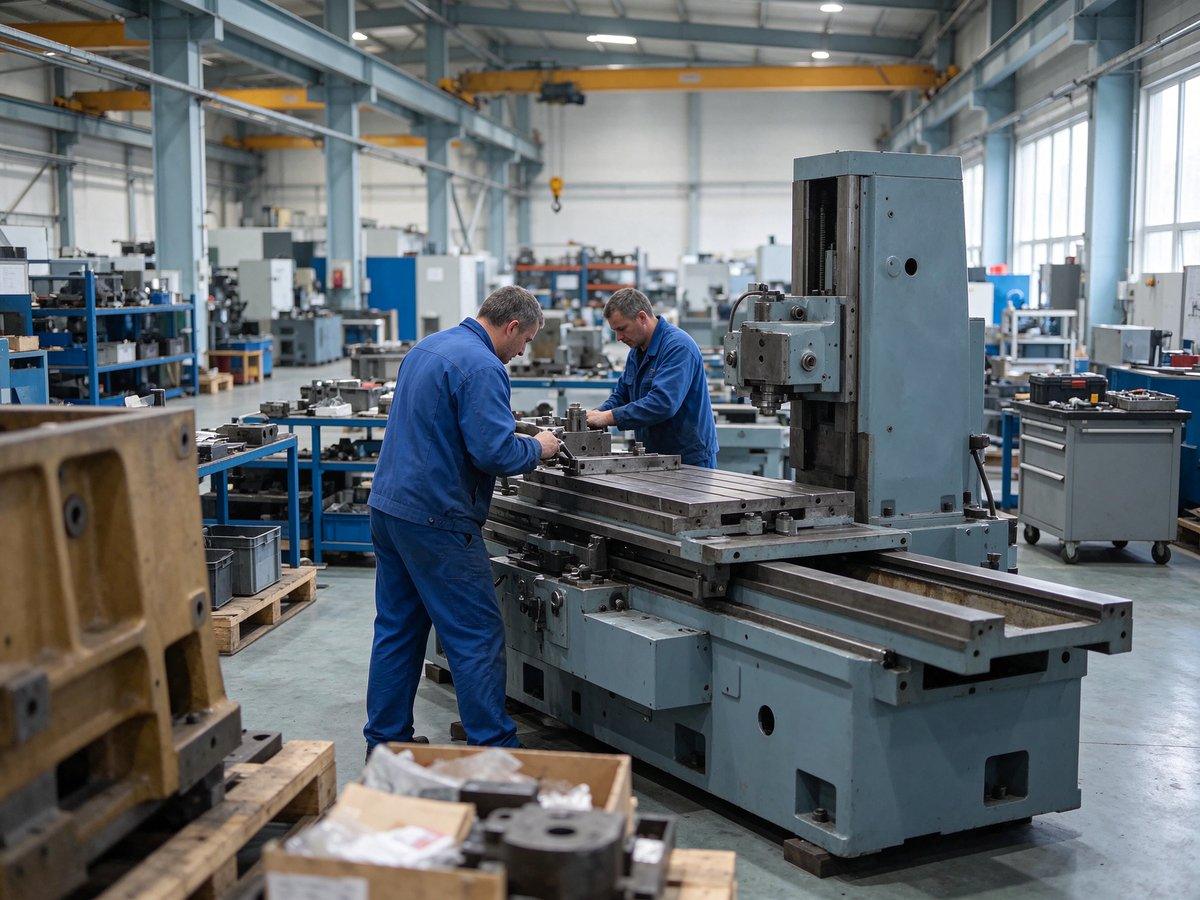
Dress depth, pass count, diamond tool angle and interval — the dressing procedure that keeps a surfa...
Read more →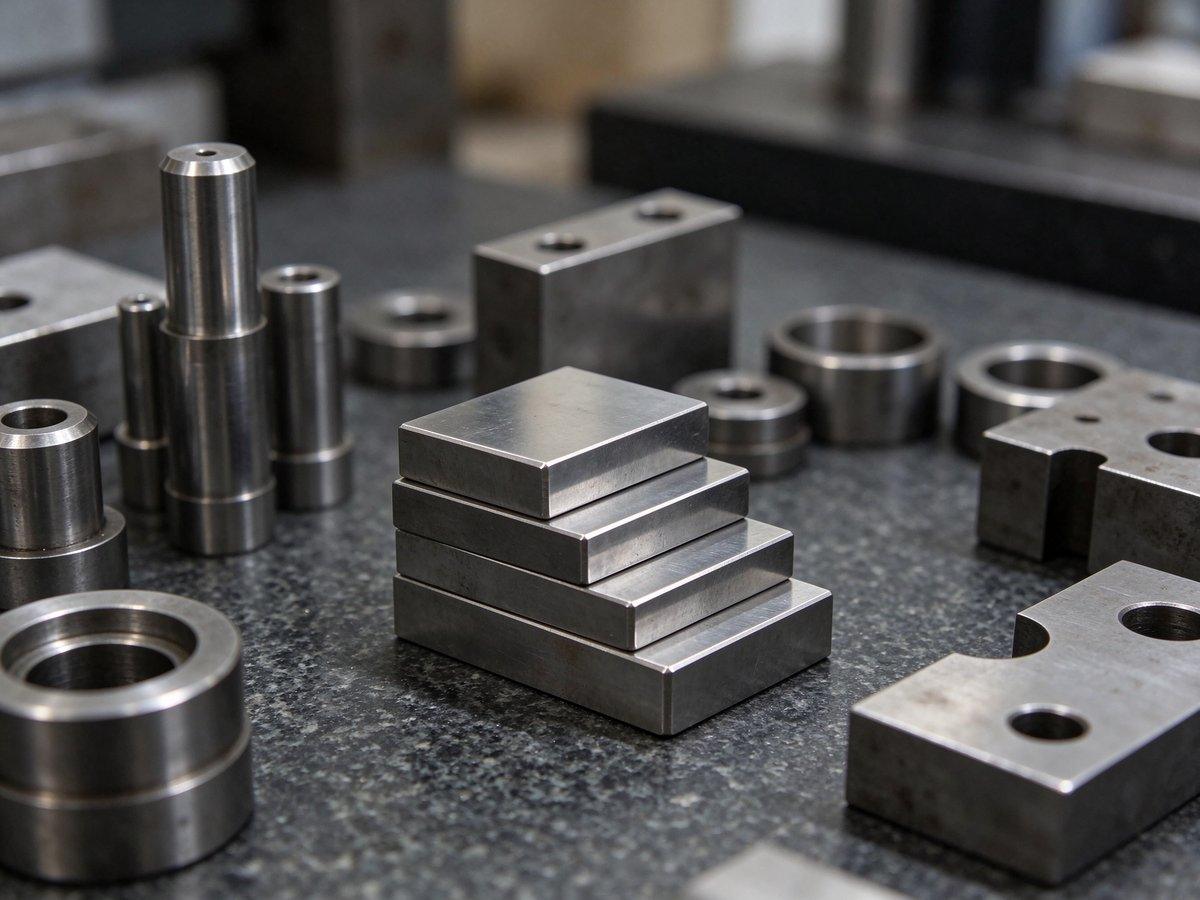
What Ra actually measures, which Ra values a surface grinder can achieve, and how wheel grit, dressi...
Read more →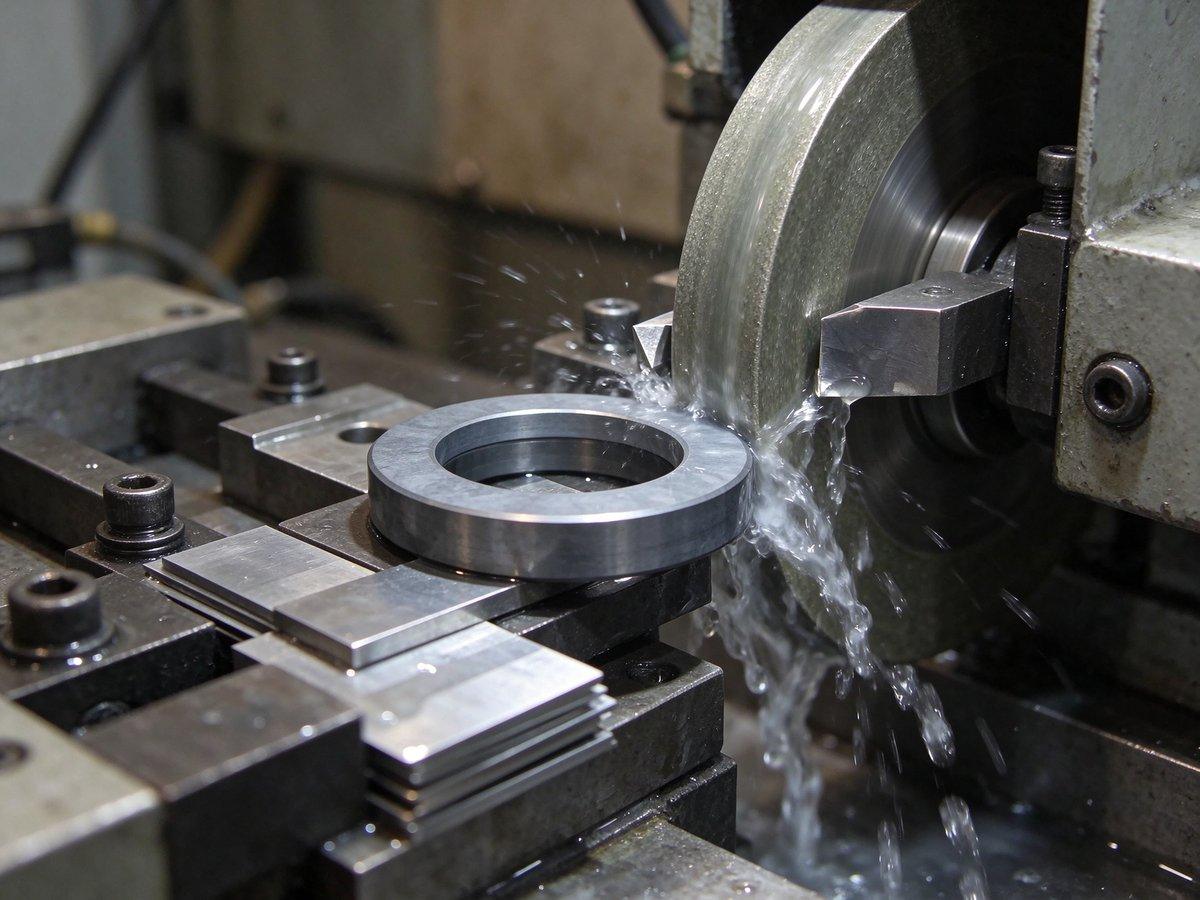
Hardness of the work, batch size and coolant decide the abrasive — and CBN is not always the faster ...
Read more →
Diamond needs a different wheel bond, a different coolant and a different pressure — and a machine t...
Read more →
A Vietnamese mould shop replaced two worn manual grinders with a PSG-4080AH and a PSG-250AHR, cuttin...
Read more →60 grit on a vitrified bond covers most die and mould work; move to 46 for stock removal and 120 when the drawing asks for a fine finish.
Every 20–30 minutes of cutting on steel, and immediately before any finishing pass. A glazed wheel raises the temperature, which is the start of burn and chatter.
