

Wheel Balancing on a Surface Grinder: Step by Step
Static balancing a surface grinder wheel: the arbor method, how much imbalance is acceptable, why marks appear at spindle frequency, and when to re-check.
Insights, guides and industry news from our team
A surface grinder does not lose accuracy suddenly. Wiper wear lets abrasive onto the slide, the oil film breaks down at the ends of the stroke, dressing gets skipped because production is busy — and then someone reports taper and blames the spindle. Maintenance is the cheapest accuracy you can buy.
Four routine checks cover most of it: wiper condition each quarter, oil level and metering units each shift, wheel balance after every change, and a monthly test grind of a known plate with the result written down. The articles here give the intervals, the oil grades and the fault-finding table in full.
A pair of way wipers is a small part, but abrasive dust that passes them reaches the slide, and the slide is the machine. The repair is not a wiper swap any more — it is a way-surface recondition, a machine out of production for weeks, and an accuracy figure that has to be re-established afterwards. The same arithmetic applies to a diamond dresser run dull and to a coolant tank left uncleaned: the consumable is cheap, the consequence is a geometry problem.
Machines with a written maintenance record also sell better and let a warranty claim or a spare-parts order move quickly, because the symptom can be tied to the last test grind instead of argued about.
The manuals and guides page holds the lubrication schedule, the wheel mounting and dressing procedure and the fault-finding table for each model; replacement wipers, flanges, dressers and controllers are on the spare parts page. For a machine no longer in the catalogue, send the model and serial number — we keep documentation back to the first machines built in 2002.
Static balancing a surface grinder wheel: the arbor method, how much imbalance is acceptable, why marks appear at spindle frequency, and when to re-check.

Why grinding sludge ruins finish and wheel life, how much a tank holds, which filtration actually removes it, and the maintenance interval that works.

Chatter marks trace back to five sources. How to read the spacing to find the cause, and the fixes that actually remove the vibration.
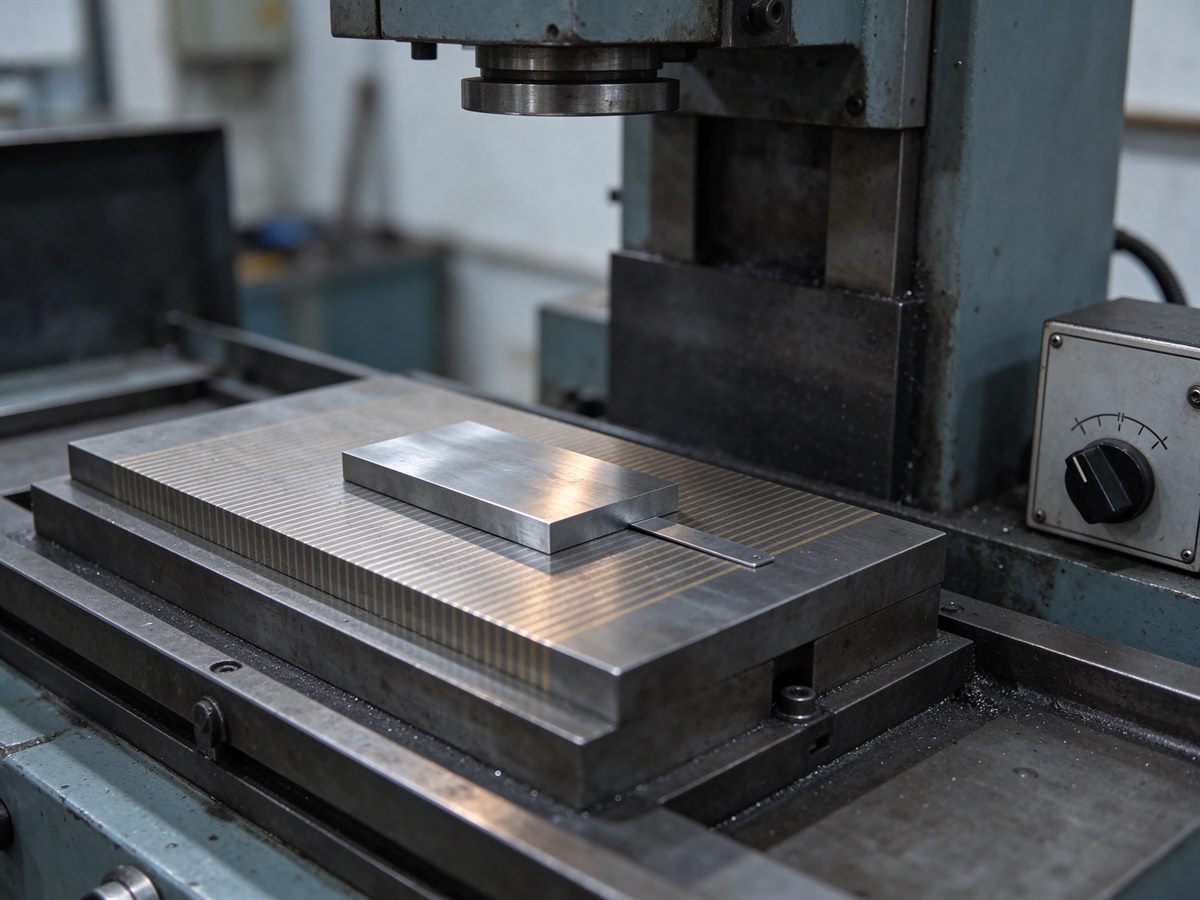
Why a magnetic chuck stops holding on a surface grinder: six real causes ranked by frequency, with the test that identifies each in minutes.
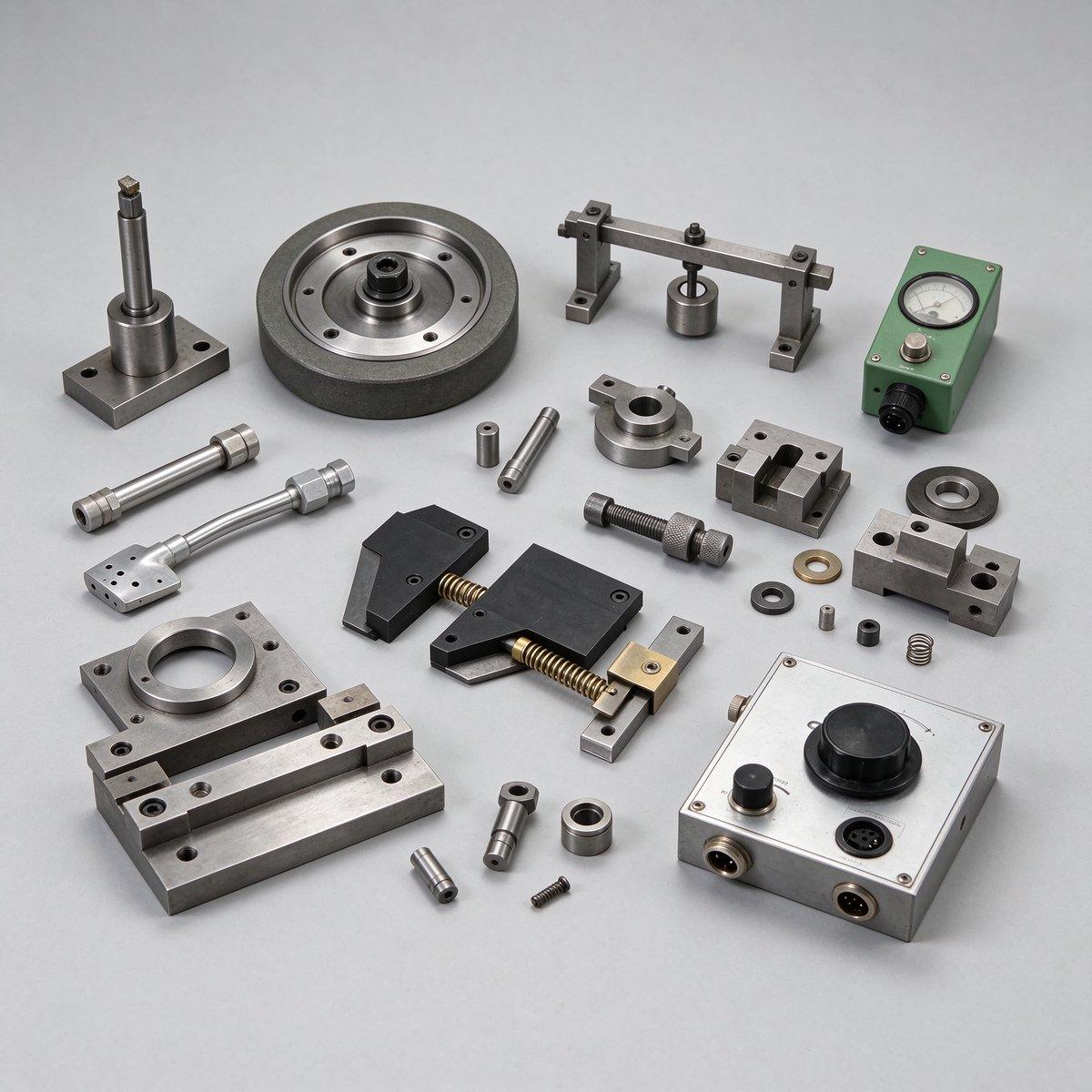
How to keep a surface grinder magnetic chuck flat and holding: stoning, demagnetizing, checking holding force and avoiding residual magnetism on thin parts.

A practical maintenance schedule for surface grinders: daily way oil and wipers, weekly coolant and chuck checks, monthly spindle runout, yearly levelling.

Installation procedure for a surface grinder: foundation, levelling pads, precision level checks, table and column alignment, and the test grind.

A dial indicator, a clean taper and ten minutes: where runout comes from and which cause you can fix on the shop floor.
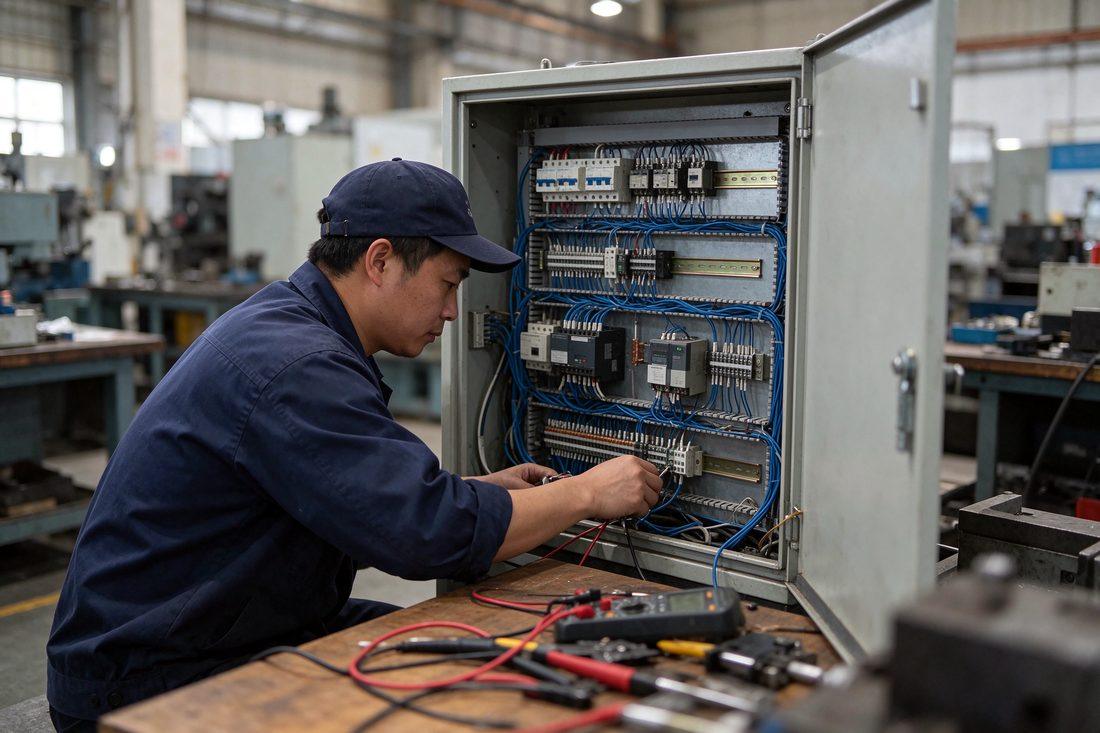
Slow table, hard reversal, drifting speed: the four symptoms that account for most hydraulic faults, and how to isolate them.
How the table ways wear, what lubrication actually prevents, and how to set a gib without losing the feel of the machine.
