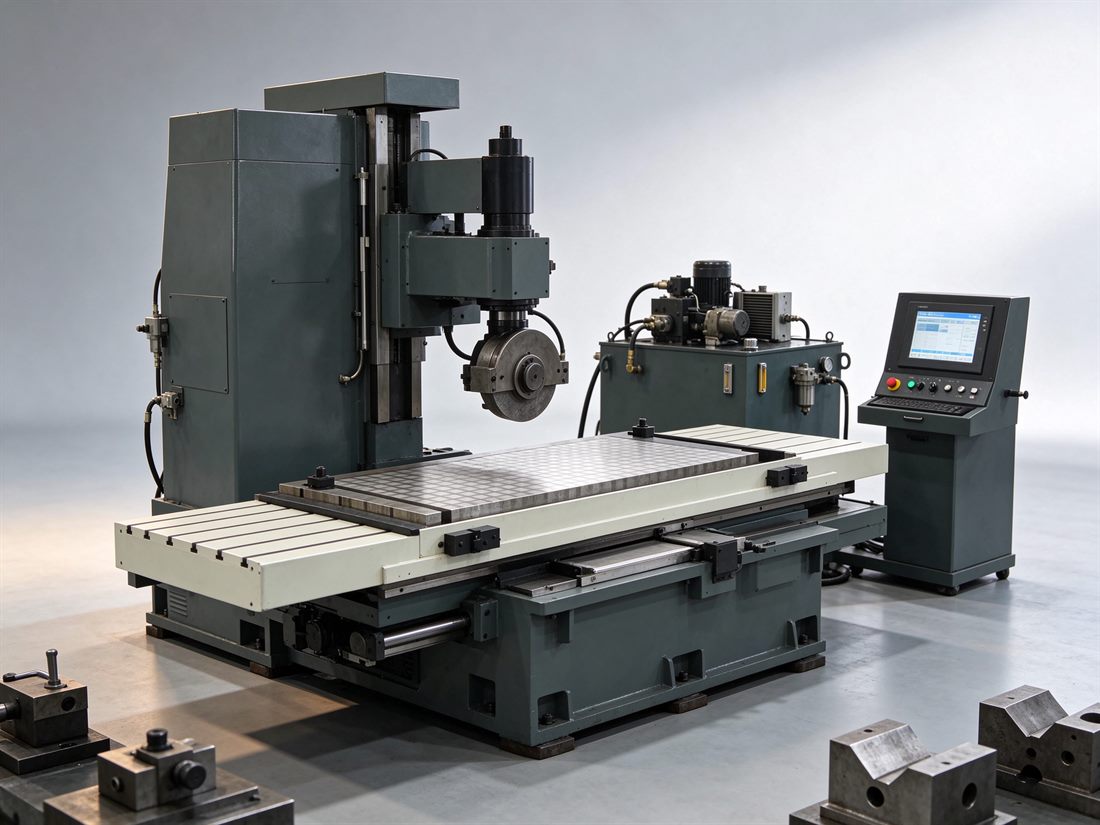
Ways, Lubrication and Gib Adjustment: Keeping Accuracy Over Years
How the table ways wear, what lubrication actually prevents, and how to set a gib without losing the feel of the machine.
What wears, and why
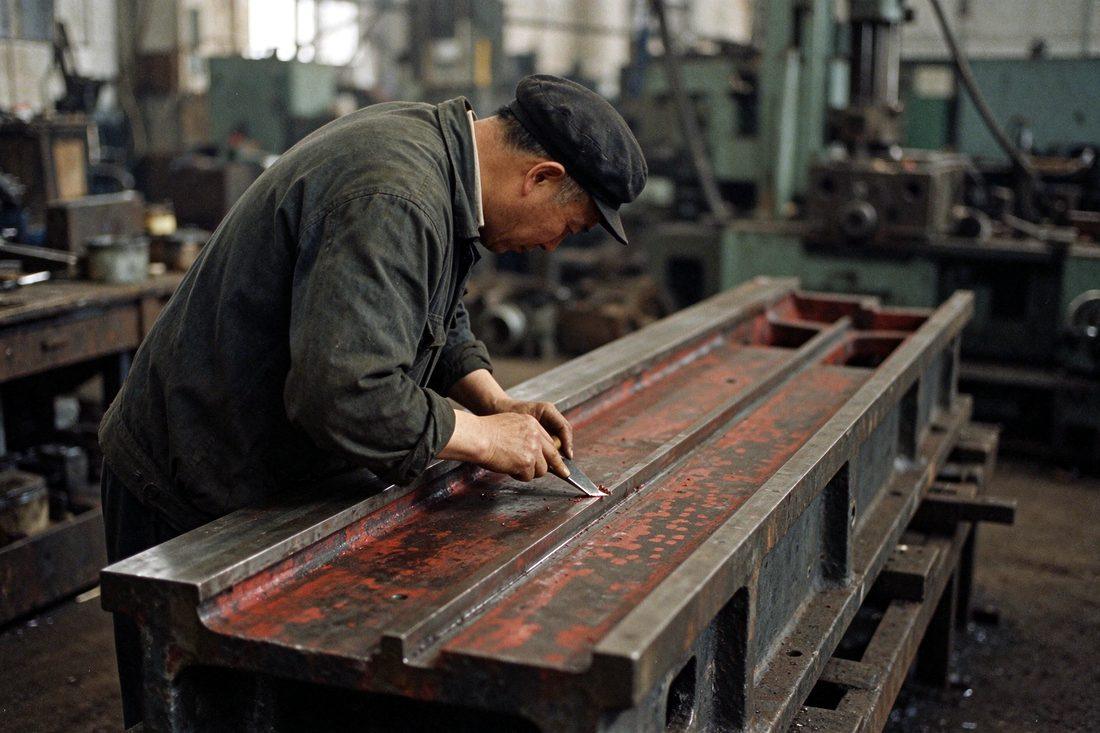
The table ways carry the work and the cutting force, and they wear fastest at the ends of travel where the table spends most of its reversal time. Wear there produces the classic symptom: a part ground near one end of the table comes out a few microns different from a part ground near the other end. Left alone, the wear accelerates because the table starts rocking on the worn section and the lubrication film breaks down.
Lubrication is not about oil volume
A hydrodynamic film needs the right viscosity at the right flow, not an excess. Too little gives metal-to-metal contact and accelerated wear; too much lifts the table and makes the geometry unsteady, and on a machine with a low-pressure pump it can also flood the ways and push oil onto the work. Follow the maker's grade and interval, and check that the metering units at each way pocket are actually delivering — a blocked metering unit starves one pocket while the pump looks perfectly healthy.
Checking wear before adjusting anything
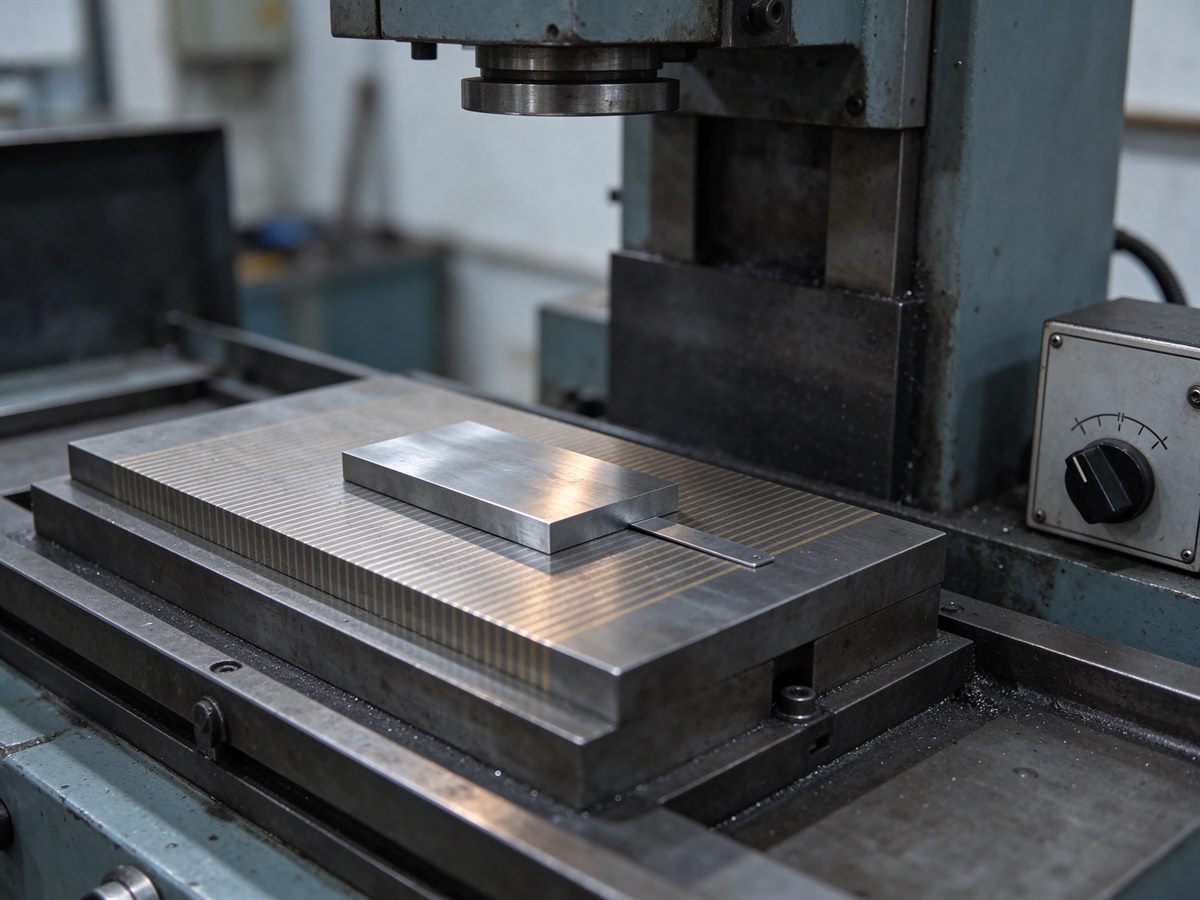
Clean the ways, then place a precision straight edge or a granite parallel on the table and measure with a feeler gauge at five positions along the travel. On a hand-scraped machine you should see 0.02 mm feeler refusal at every position. A 0.05 mm feeler that slides at one end and not the other is a wear report, and no gib adjustment will fix it.
Setting the gib
The gib takes up the clearance between the table and the way. Too loose and the table chatters and the surface shows it; too tight and the table sticks at the reversal and the ways wear faster. Set it with the table locked at mid-travel: tighten until the table can no longer be moved by hand, then back off until it moves freely with no perceptible shake, and confirm with a dial indicator against the table edge while pushing sideways — 2–5 µm of movement is the target for most machines.
| Weekly | Monthly | Yearly |
|---|---|---|
| Check oil level; wipe ways clean; look for oil on the work | Check metering units; measure table shake at both ends of travel | Straight-edge check across the full travel; re-scrape worn sections |
When to re-scrape
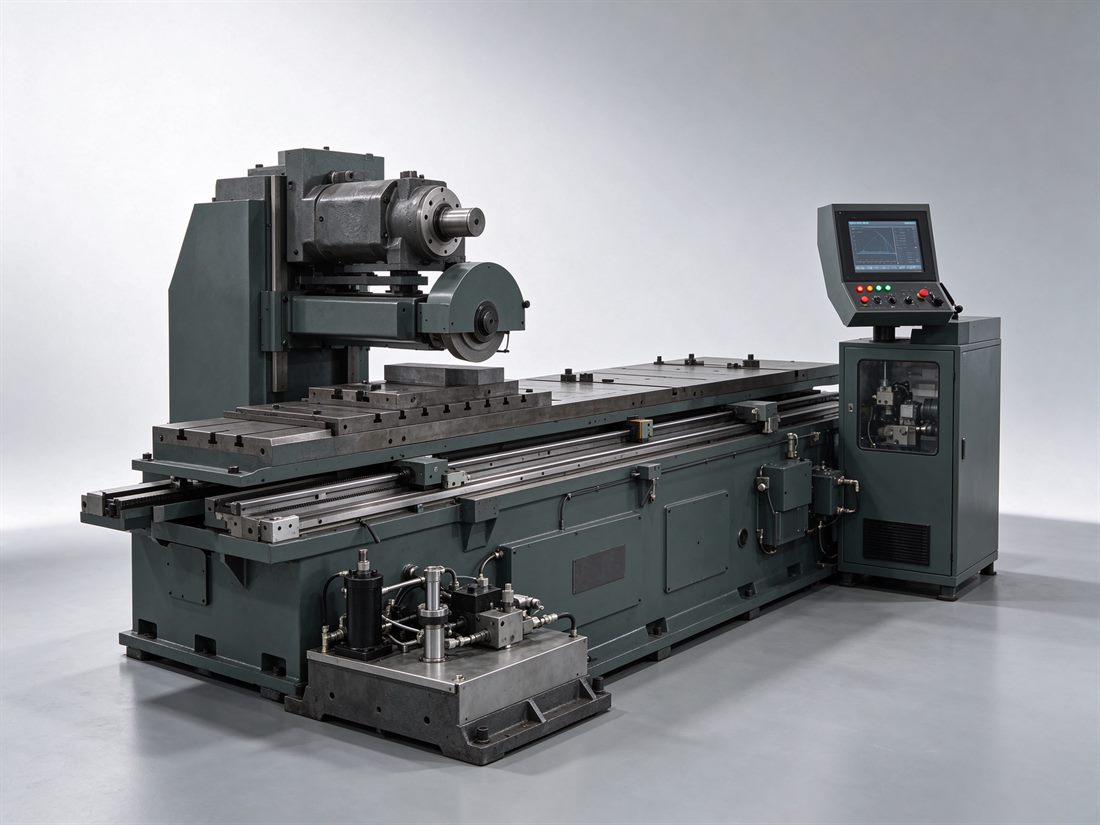
Re-scraping is a real option, not a write-off. A worn bed can be re-scraped and fitted with Turcite to restore the original geometry, and that work costs a fraction of a new machine. It is worth doing when the ways are the only worn element — a machine with good ways but a worn spindle is a different decision. Get a straight-edge report first, then decide; the report is the same document a rebuilder will need.
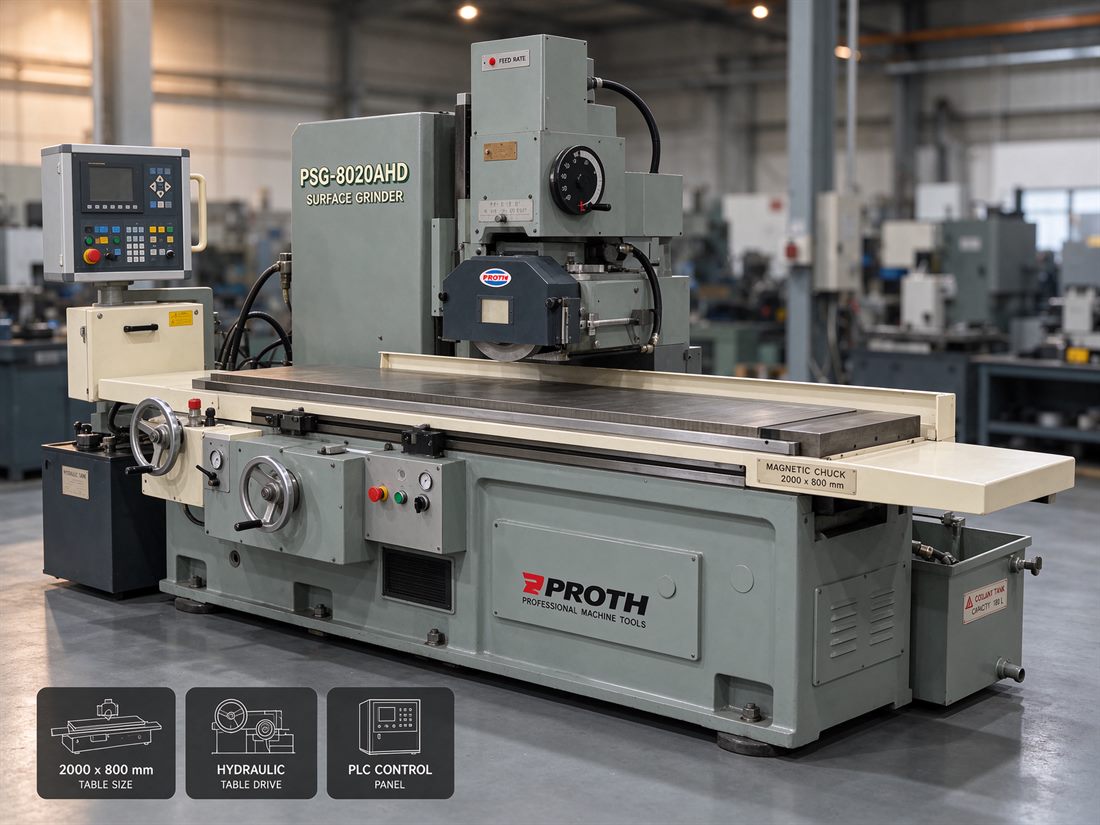
Geometry reports, re-scraping and Turcite fitting are available as a service, and the manual machines are built with hand-scraped ways from new.