
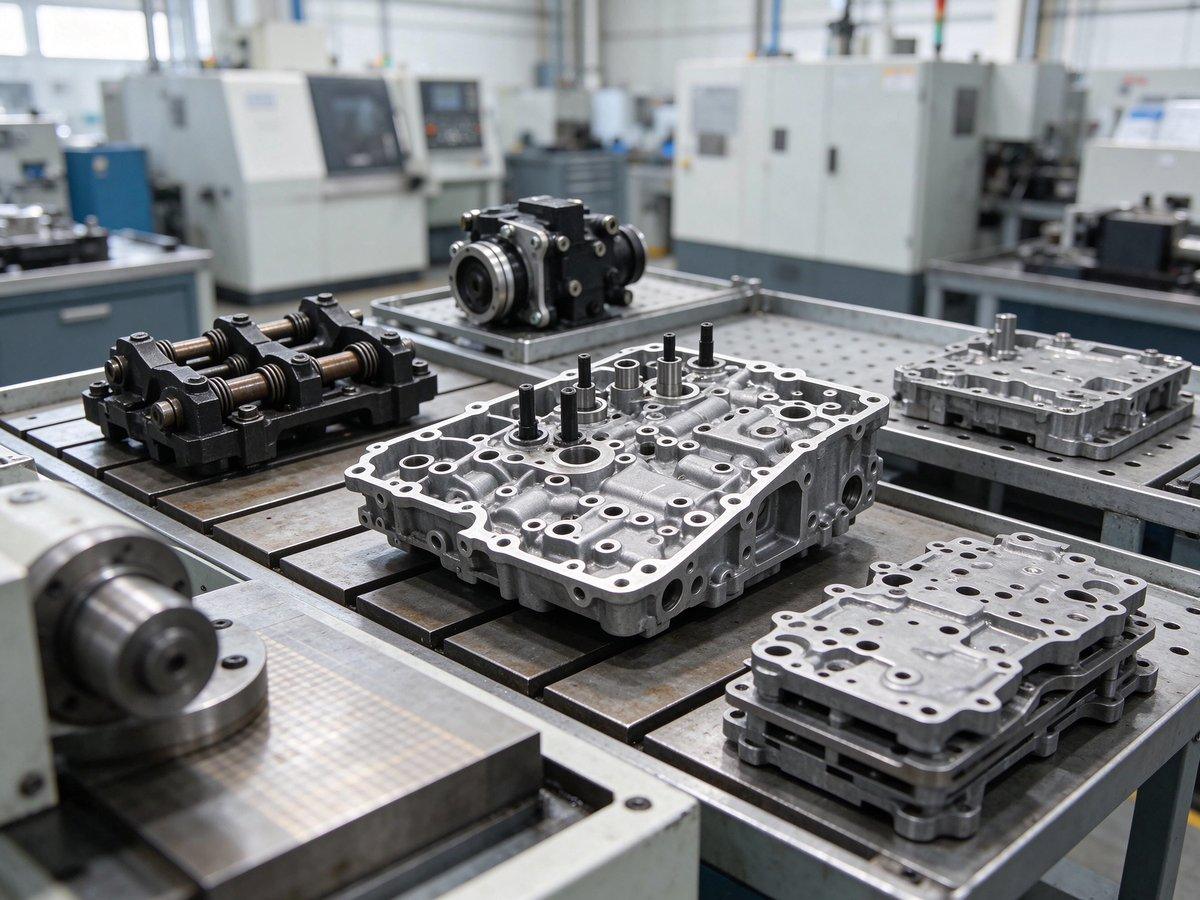
A 3.2 m gantry for press-tool plates in the Gulf
A Gulf press-tool maker installed a PSG-32130GM double column gantry to grind 3 m bolster plates that previously had to be sent abroad.
Read more →Case studies for Heavy Plate & Gantry shops — part size, tolerance and measured cycle time
Once a part measures two or three metres, three things stop being details and start being the job:
Up to 1500 × 600 mm, heavy but manageable — the long-table hydraulic machines, PSG-6015AHD or PSG-7020AHD, will do the work and install in a normal bay.
Press bolsters, die plates and shear blades in the 2–9 m range — a gantry, usually PSG-12040GM or one of the HZ-K heavy builds, with a pit, a crane and a temperature-stable shop planned before the order is placed.
Long narrow parts like guide rails and platens — the geometry favours a double-column long-table machine, where the table travels under a fixed bridge, over a conventional saddle design.
The three reports below cover a 3.2 m press-tool plate in the Gulf, bolster plates ground in-house in Mexico and six-metre guide rails in Vietnam — including what the foundation and installation actually required.
A Gulf press-tool maker installed a PSG-32130GM double column gantry to grind 3 m bolster plates that previously had to be sent abroad.
Read more →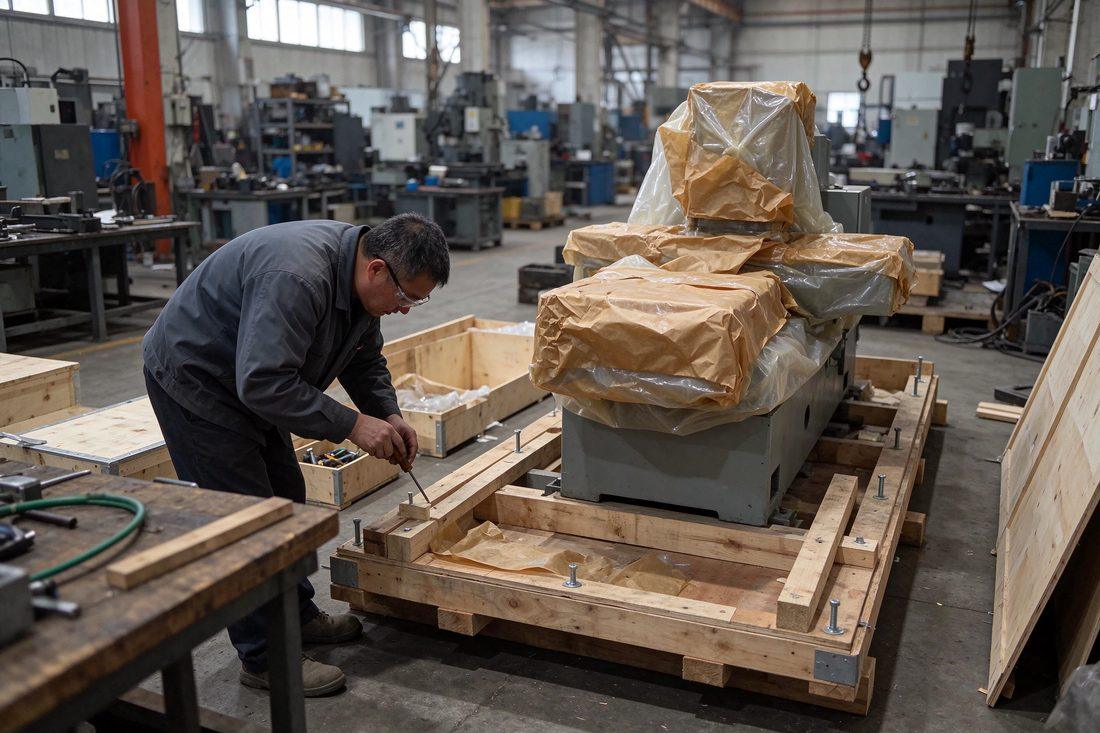
A Vietnamese shipyard supplier grinding 6 m linear guide rails installed a PSG-9030AHD, replacing outsourced rail grinding with in-house flatting at 0.02 mm/1000 mm.
Read more →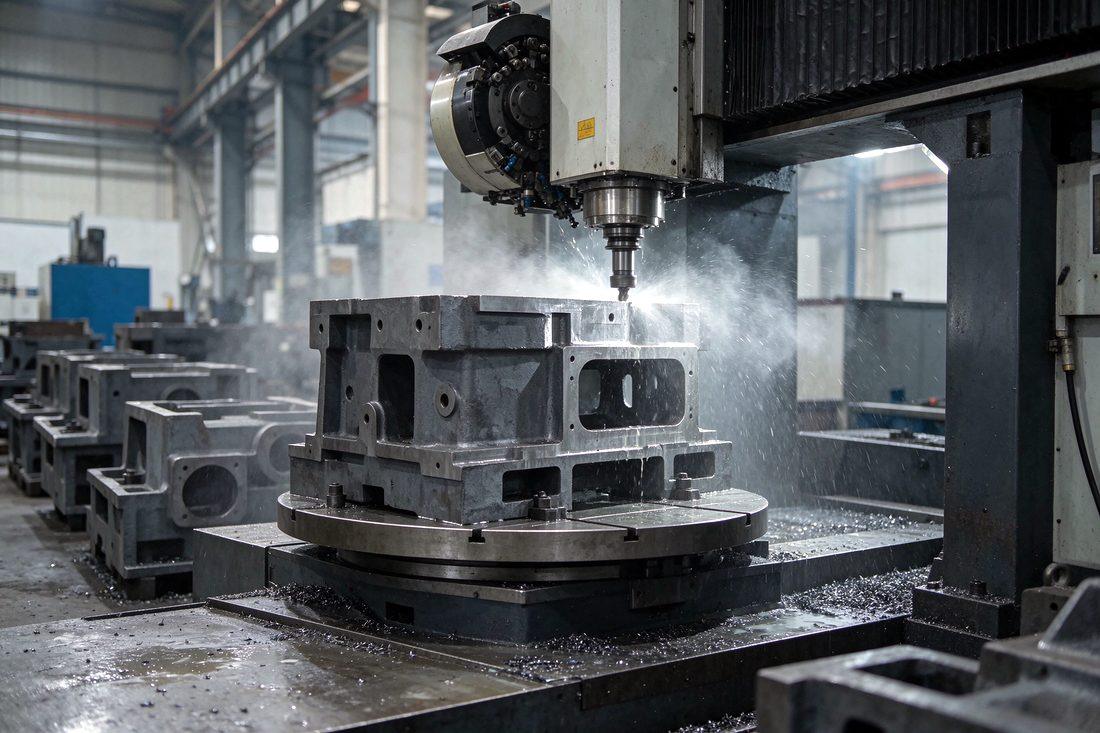
A Mexican press shop installed a PSG-40100GM to grind 4 m bolster plates that previously arrived pre-ground from Asia, removing a six-week supply-chain dependency.
Read more →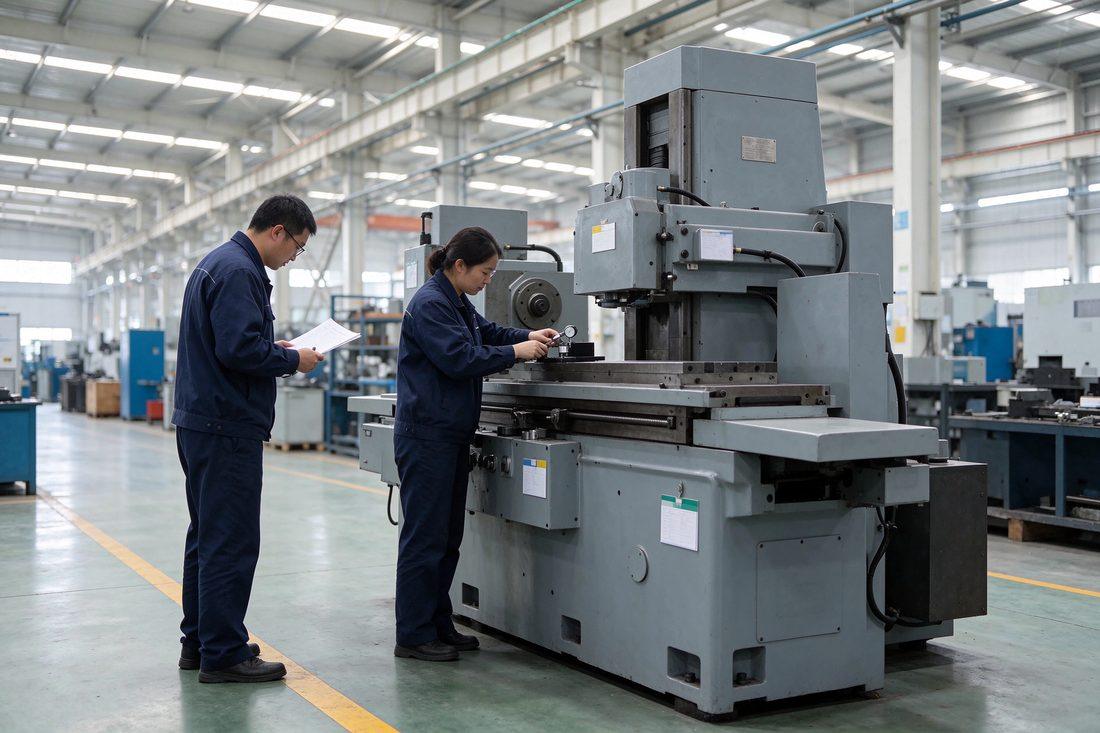
A Saudi metal fabricator grinding 2 m shear blades and slitter knives brought blade re-sharpening in-house with a PSG-7020AHD, cutting blade turnaround from 10 days to 2.
Read more →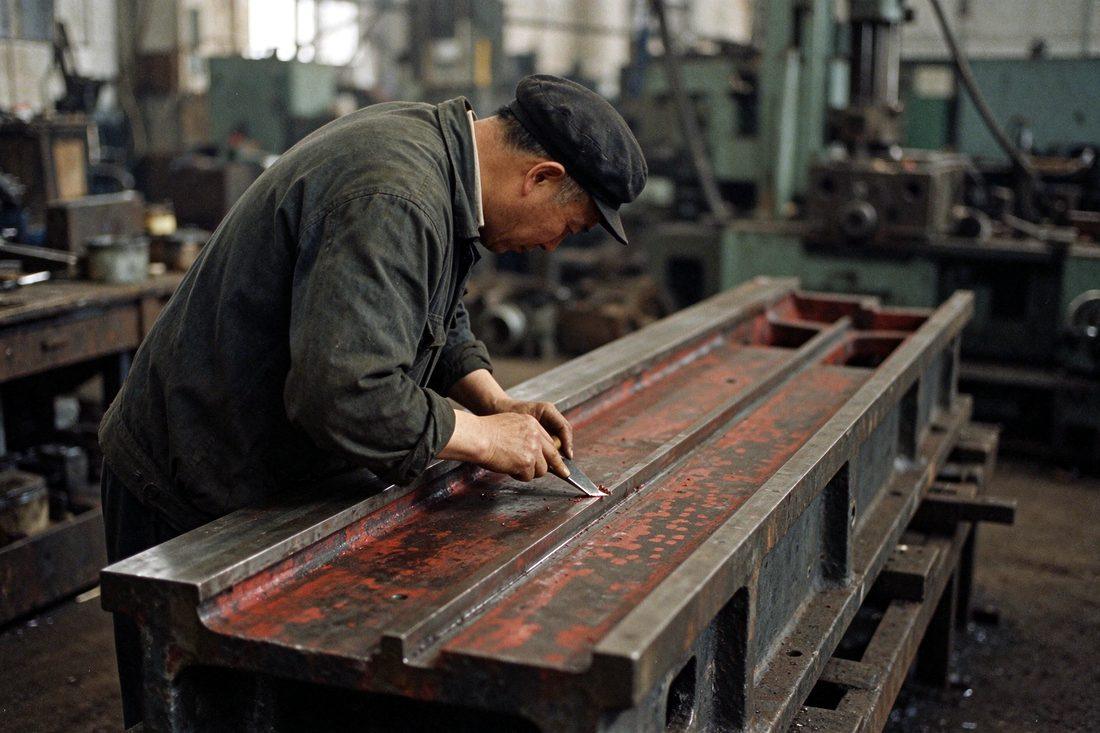
A Sharjah fabricator was welding on plate that had been flattened by flame straightening. A gantry grind before welding cut distortion and rework.
Read more →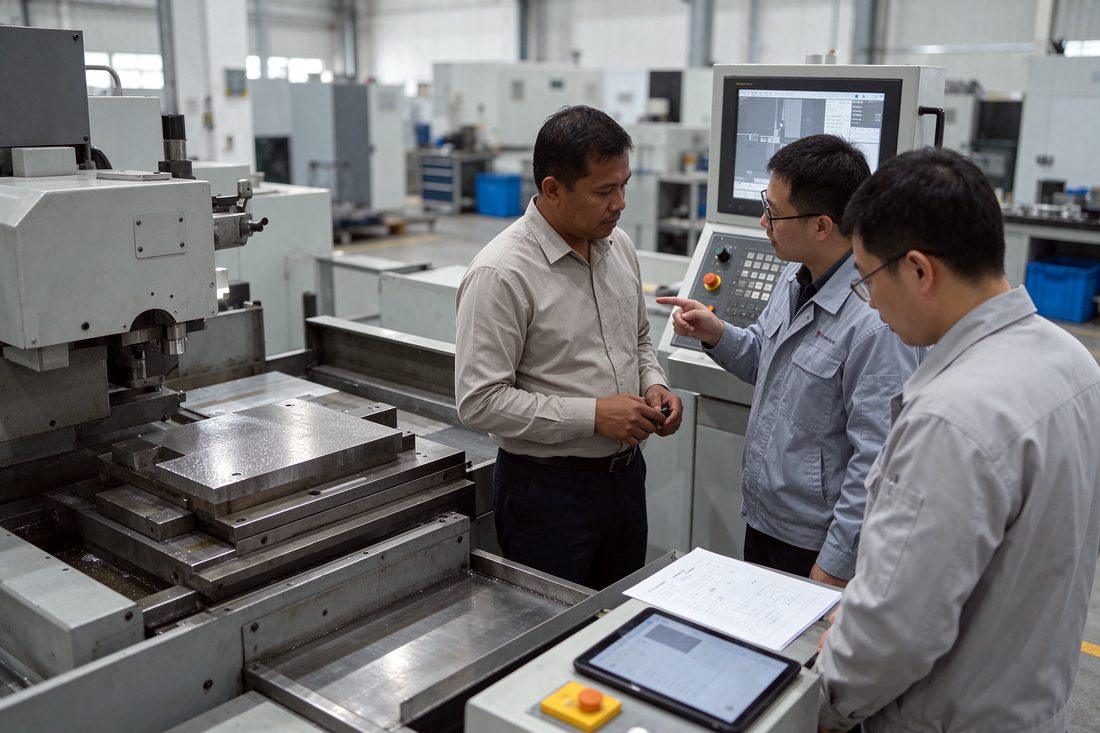
A Karawang press die maker was grinding 900 mm die rings on a reciprocating table. A Ø1000 mm rotary grinder removed the witness line and the setup.
Read more →