Large die rings ground on a rotary table in Indonesia
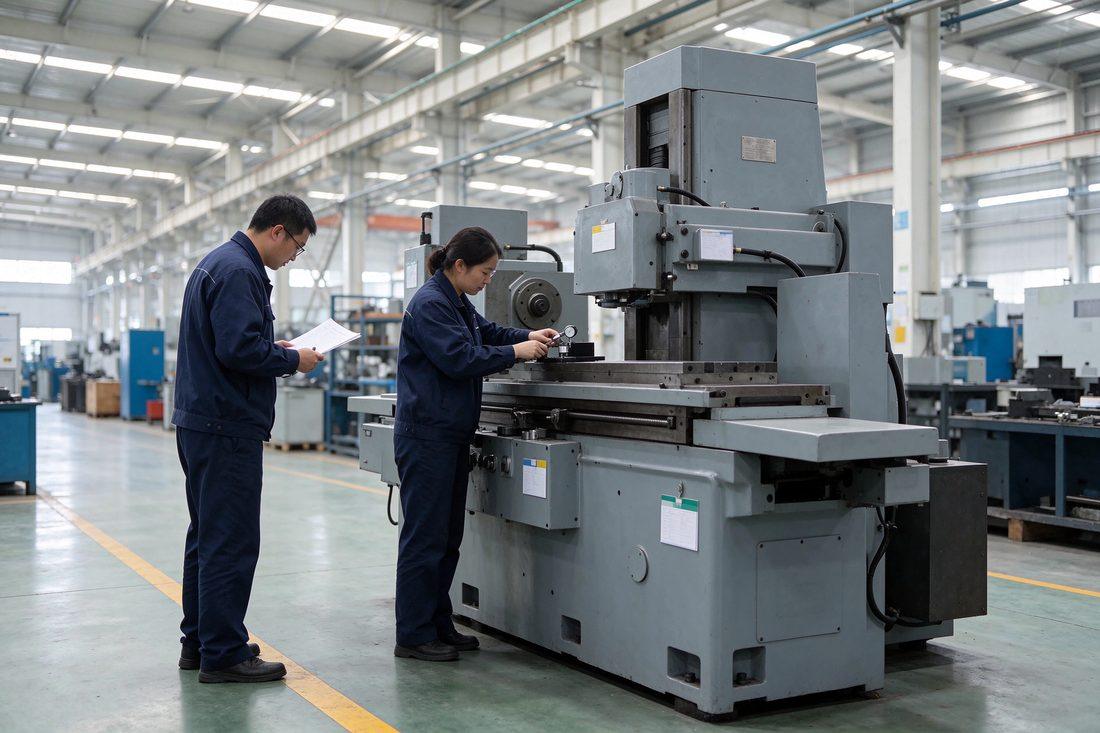
A Karawang press die maker was grinding 900 mm die rings on a reciprocating table. A Ø1000 mm rotary grinder removed the witness line and the setup.
Case at a Glance
The situation
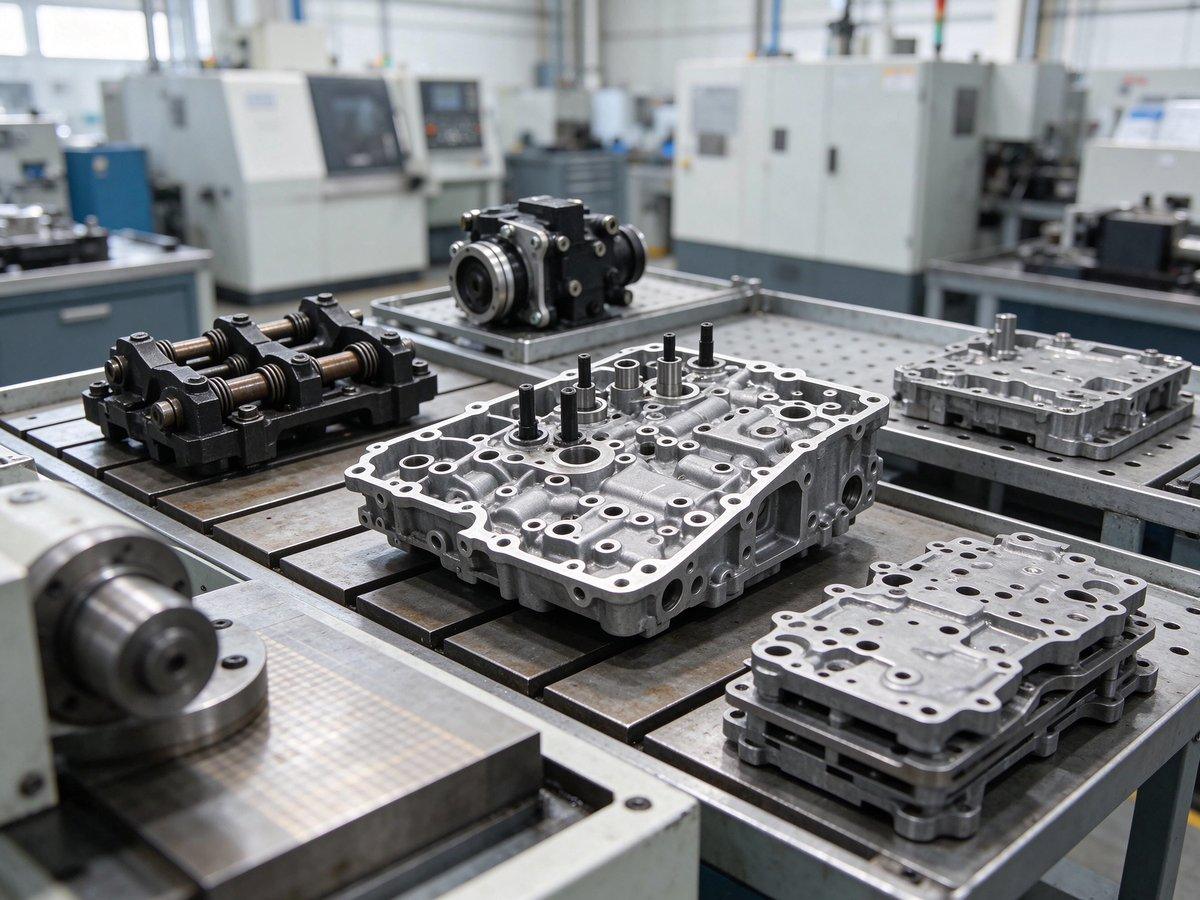
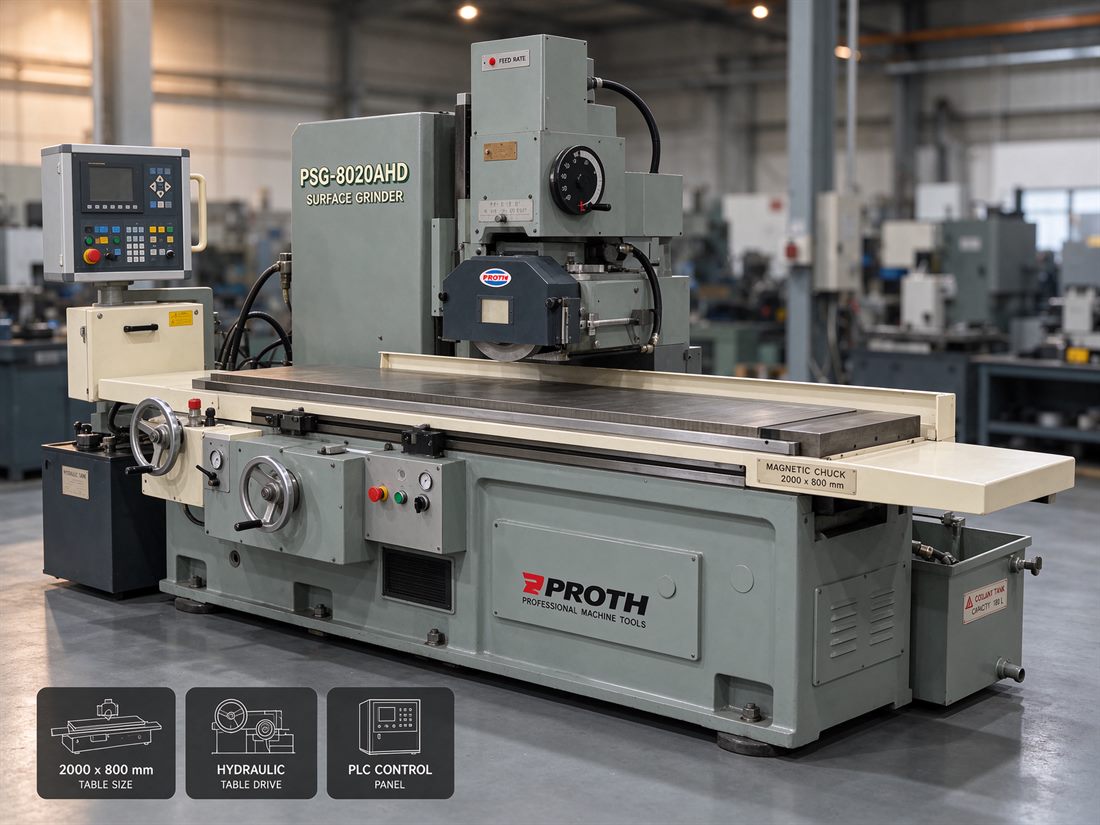
A press die manufacturer in Karawang grinds 900–950 mm diameter die rings for appliance and automotive panels. The rings were being ground on a 2 m reciprocating-table machine with the part clamped to a large chuck. Two problems came with that method: the step-over pattern left a visible witness line that showed up as a shadow on the drawn panel, and each ring needed a fixture that took an hour to set and verify.
What we specified
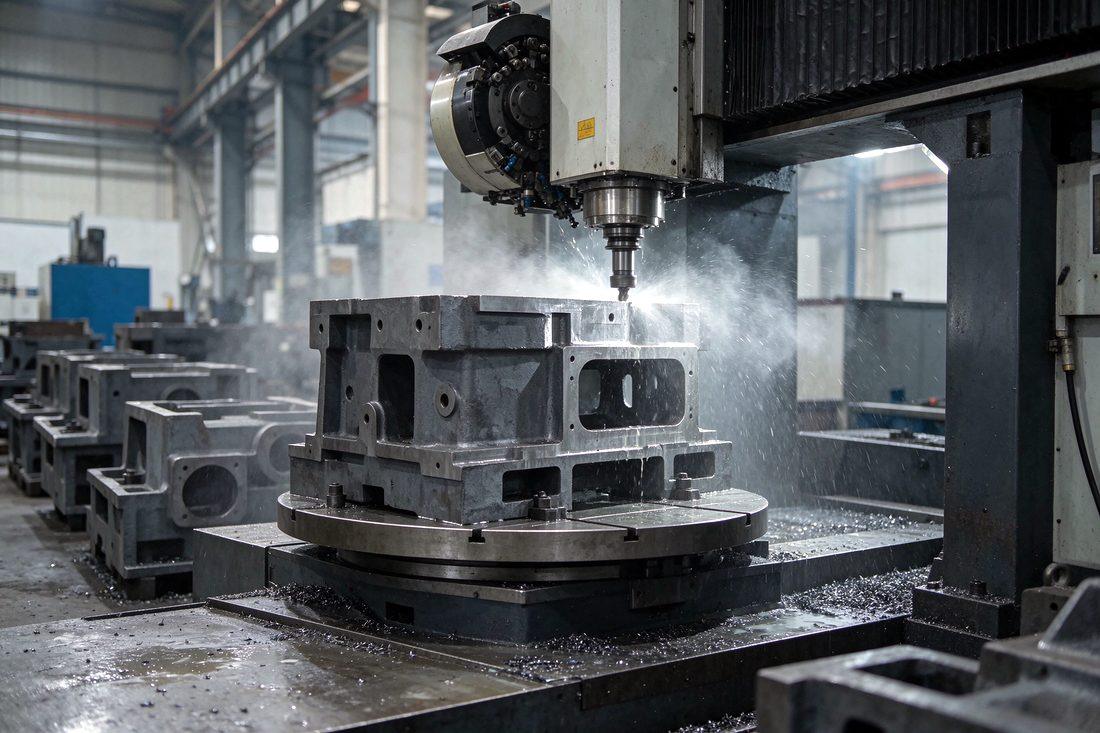
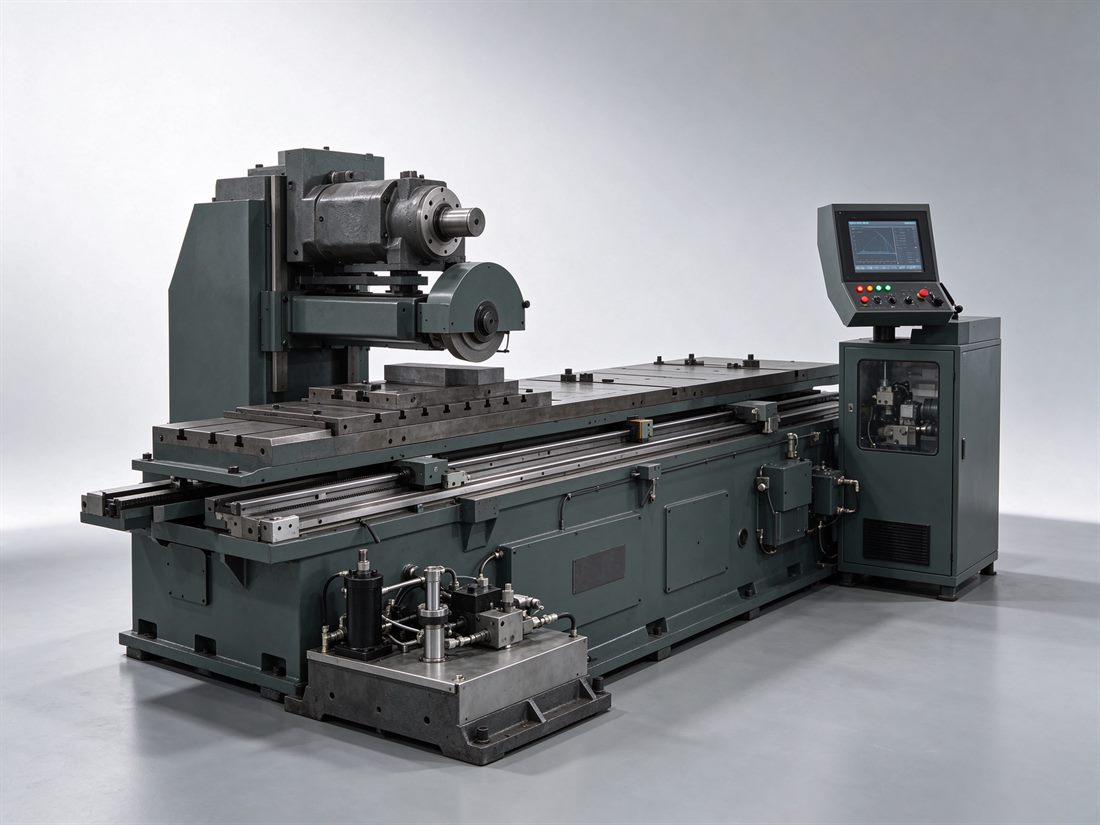
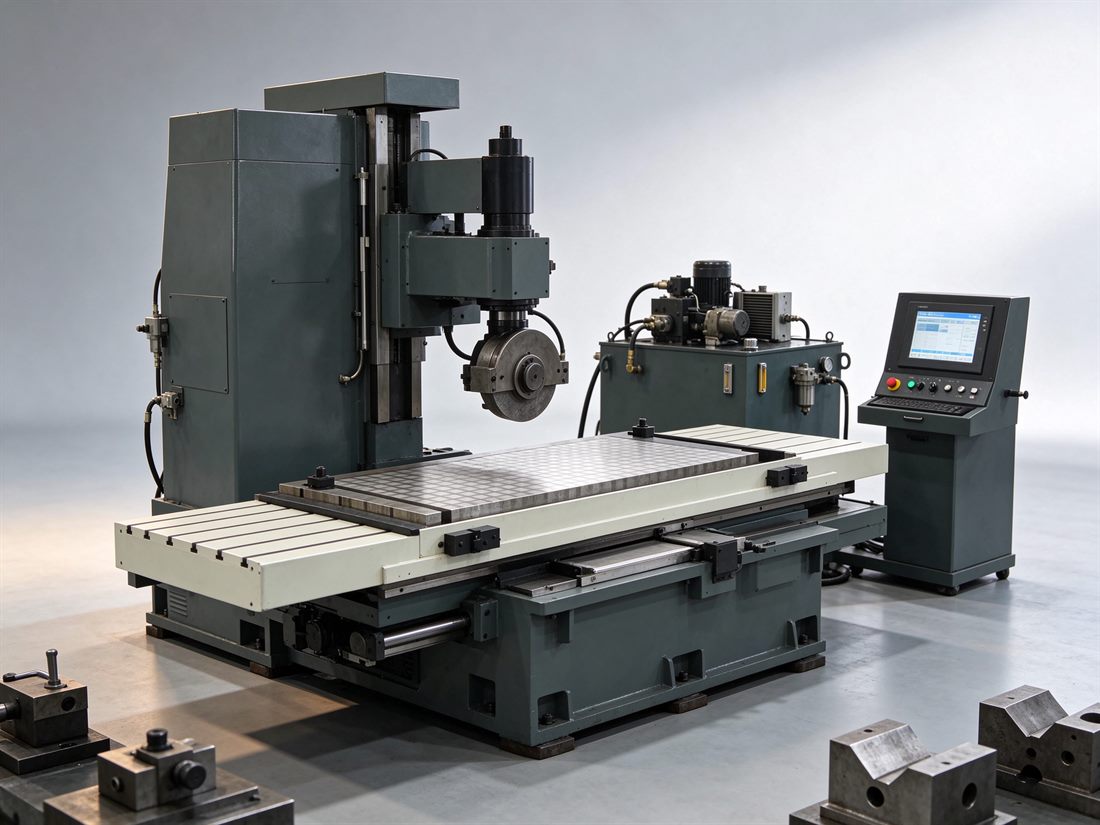
A HZ-RT1000 with a Ø1000 mm electromagnetic chuck, 450 mm grinding height and an 11 kW spindle. A rotary table grinds the face in one continuous pass at a fixed radius, so the surface has a spiral rather than a step-over pattern — and a spiral does not read as a line under the panel. Chuck segment control lets the operator grind only the sector that is high, which is useful when the ring is not uniformly thick.
Result
Witness lines are gone; the pattern is no longer detectable after the draw. Setup time per ring fell from about an hour to fifteen minutes, because the part is located on a round chuck instead of a square fixture, and flatness now measures 0.008 mm across the full ring face.
What the shop changed afterwards
They moved their 1 m ring work entirely to the rotary machine and left the reciprocating grinder for plates. That reallocation is usually the real prize in a purchase like this: not a faster machine, but the right machine doing the right work while the old one is freed for the jobs it was designed for.