
Surface Grinding vs Lapping: Which Gets It Flat?
Surface grinding versus lapping compared on flatness, finish, material removal, heat and cost, and h...
Read more →Machines · topic notes
Rotary table grinders for rings, discs, valve plates and seals. 6 models, 2 case studies filed under this topic.
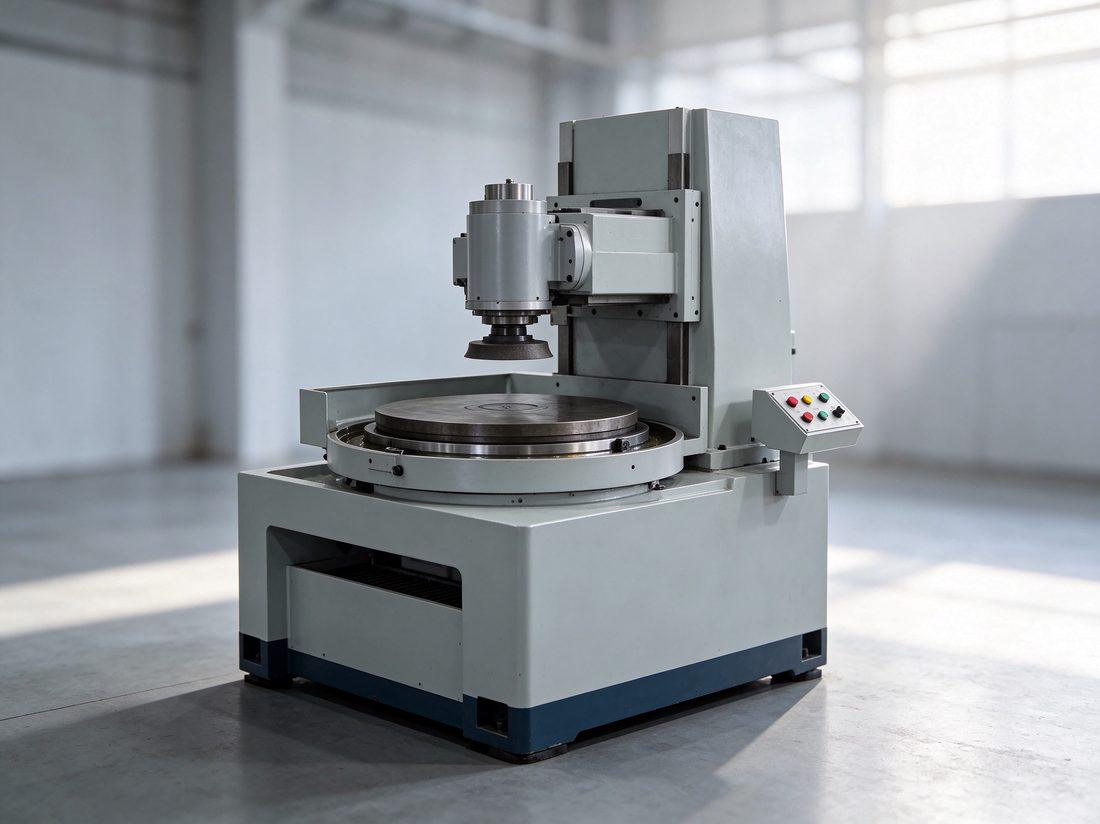
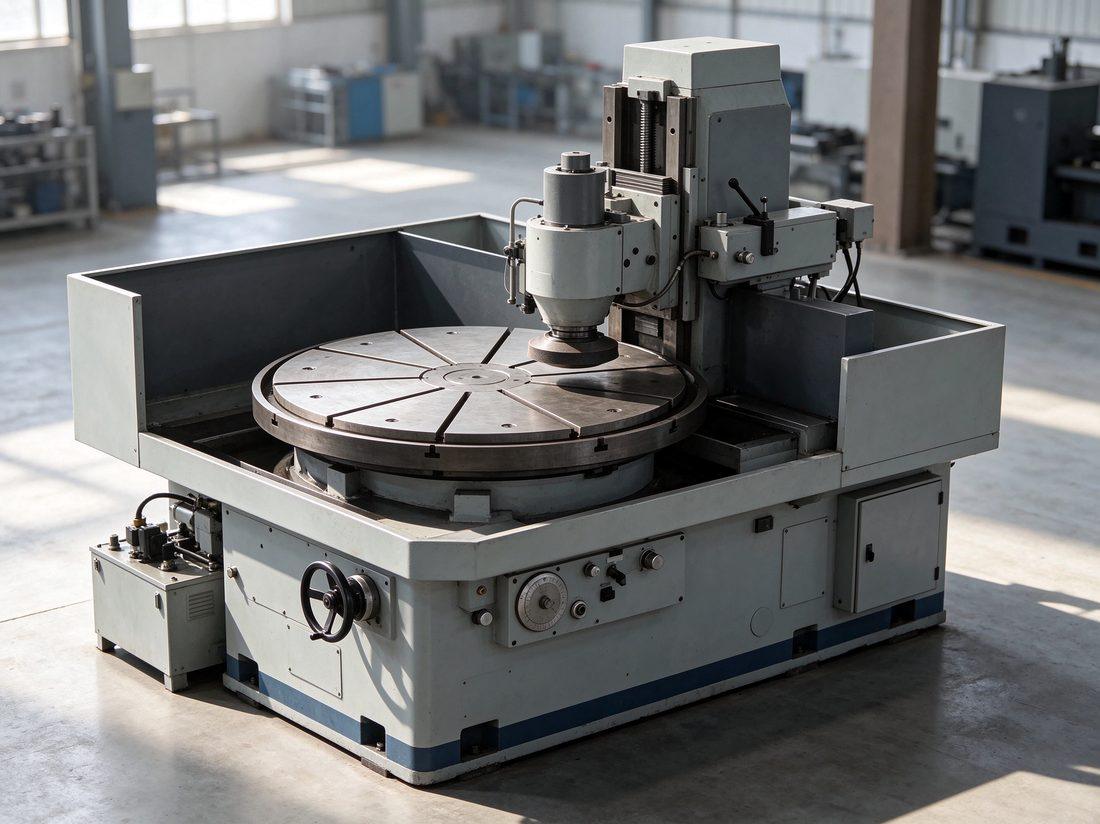
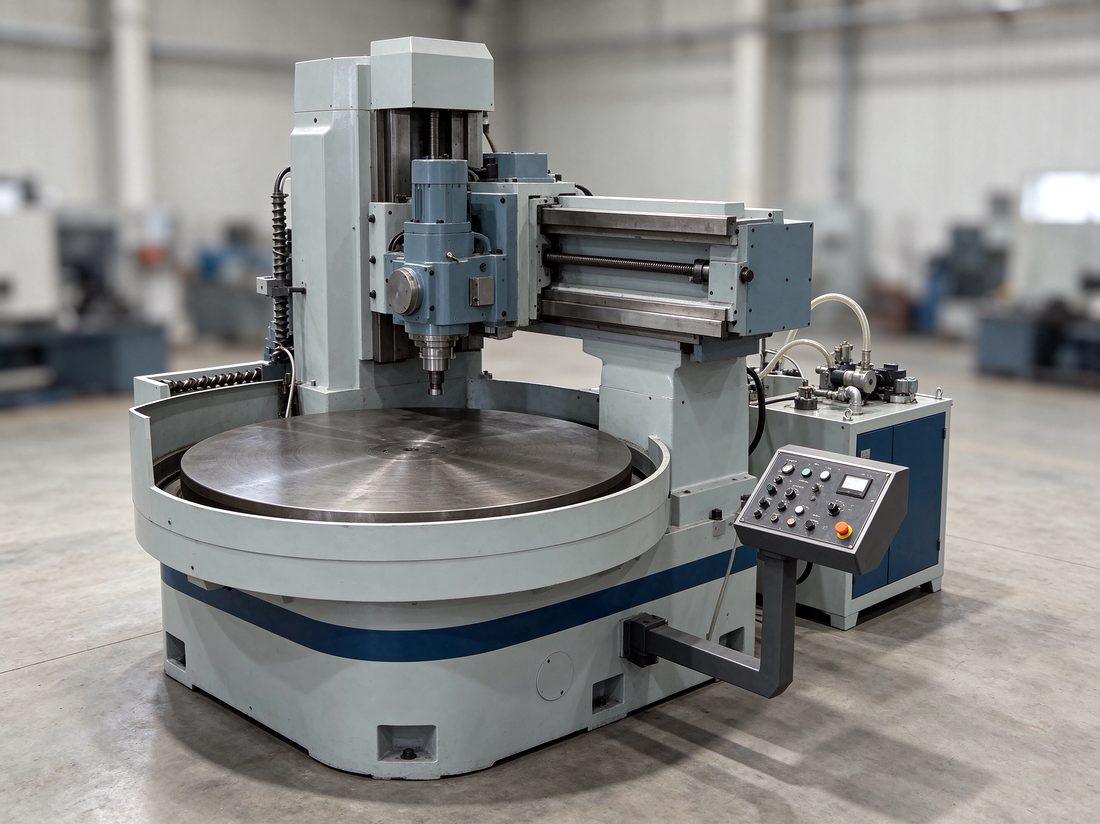
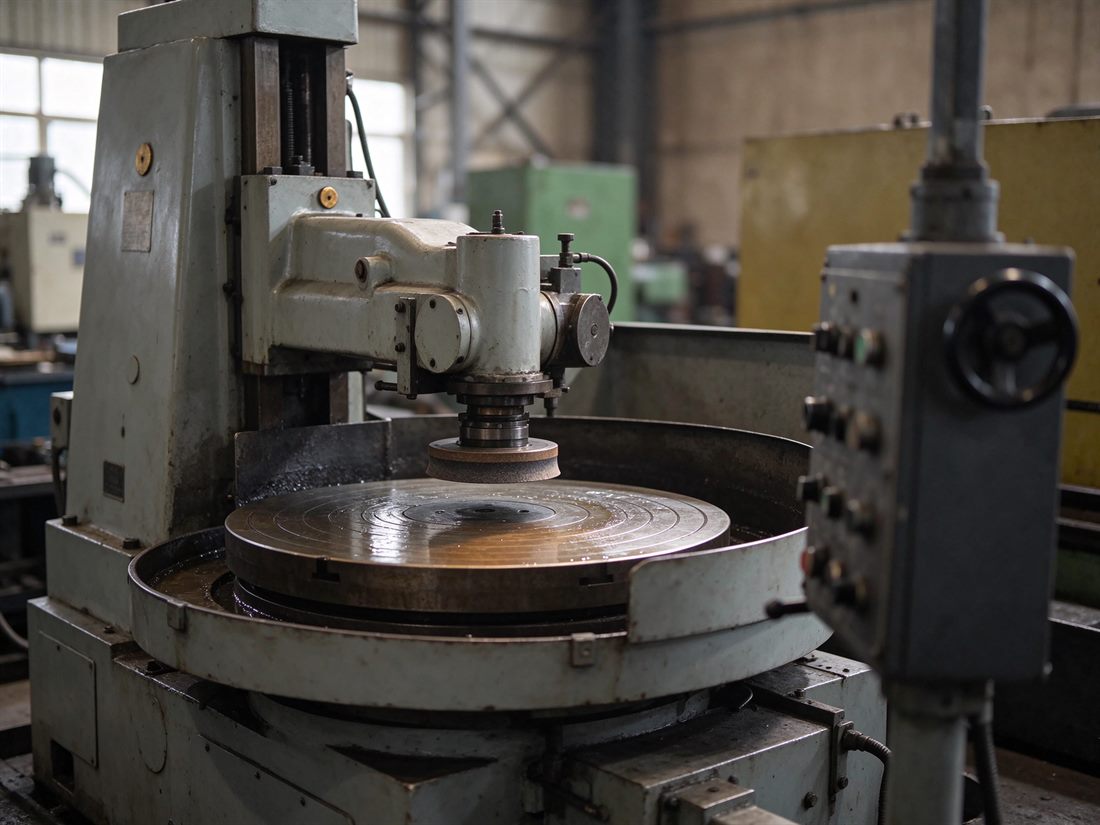
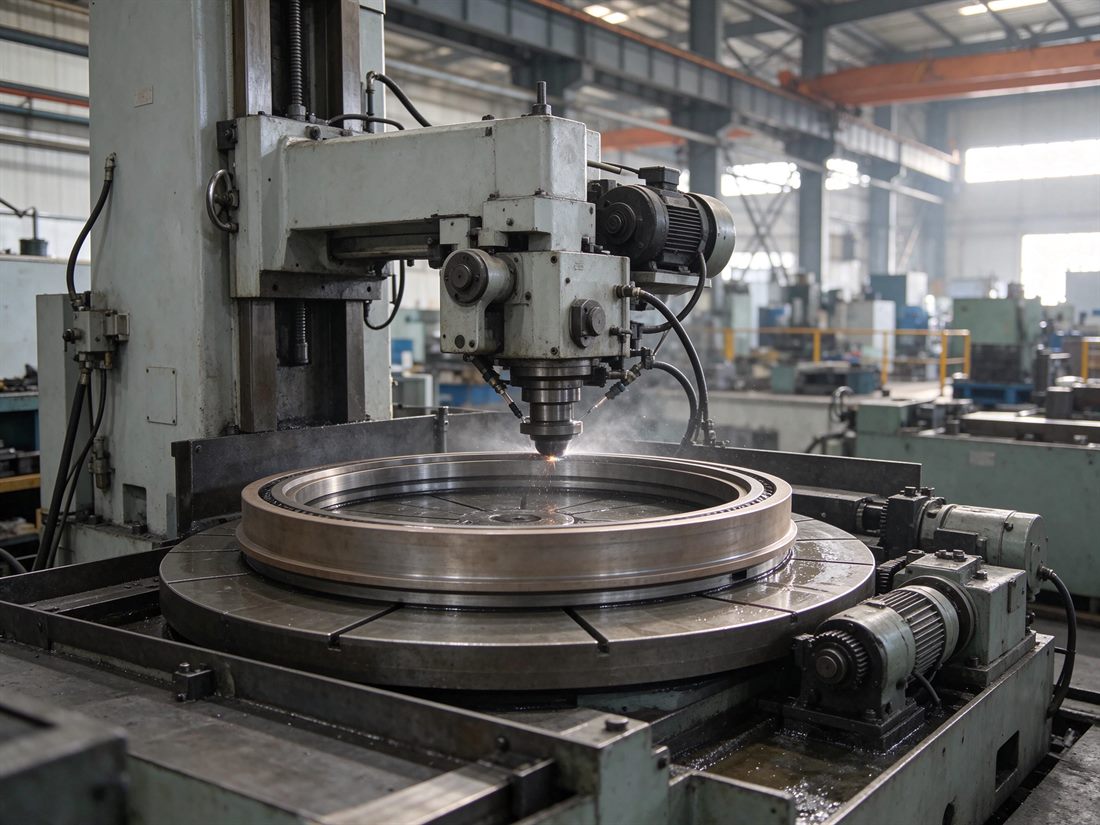
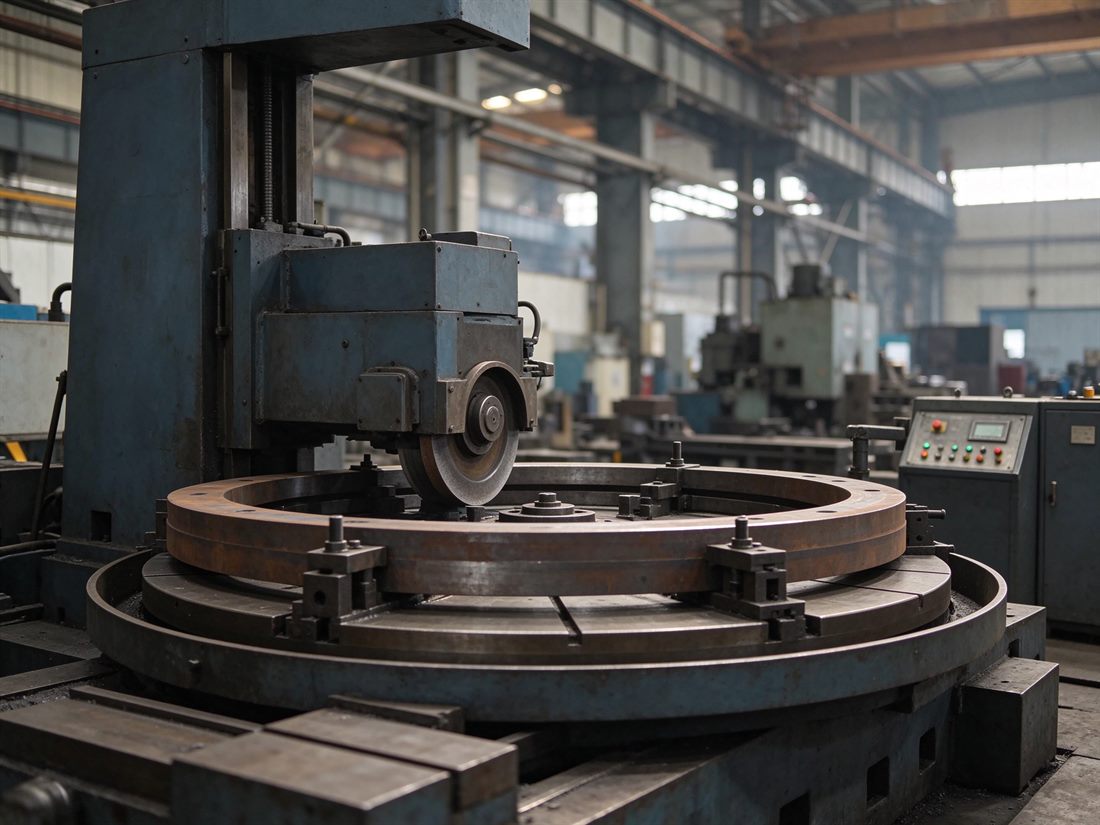
A reciprocating machine accelerates and decelerates the table at every stroke, and the wheel is out of cut at each reversal. On a rotary machine the table turns at a constant rate with the wheel in cut almost continuously — on a Ø600 mm part, roughly 95% engagement instead of 60%. A face that needs forty passes on a reciprocating machine is finished in one revolution on the rotary one.
The second benefit is the surface itself: the grinding direction changes continuously, so there is no directional lay. On sealing faces and gasket seats that is the difference between holding oil and leaking.
Comparing types is mostly comparing stiffness, control and the shape of the contact arc — not comparing prices.
The comparison that decides it: take one real part, ask two machine types for the same tolerance, and compare the cycle time and the operator attention each needs.
Topics in this vocabulary point to a machine line rather than to a single offer, so the answer stays useful when the model range changes. For rotary table the closest line is precision rotary table grinders; the selection guide and the accuracy notes cover the neighbouring questions.
| Specification | HZ-RT400 Rotary Table Surface Grinder (ø400 mm) | HZ-RT600 Rotary Table Surface Grinder (ø600 mm) | HZ-RT800 Rotary Table Surface Grinder (ø800 mm) | HZ-RT500 Rotary Table Surface Grinder (500 mm) | HZ-RT1000 Rotary Table Surface Grinder (1000 mm) | HZ-RT1200 Rotary Table Surface Grinder (1200 mm) |
|---|---|---|---|---|---|---|
| Max grinding diameter | ø450 mm | ø650 mm | ø850 mm | 560 mm | 1,100 mm | 1,300 mm |
| Grinding wheel | Segment cup wheel ø200 mm | Segment cup wheel ø250 mm | Segment cup wheel ø300 mm | 350 × 50 × 127 mm | 400 × 63 × 203 mm | 400 × 63 × 203 mm |
| Spindle motor | 3 kW | 5.5 kW | 7.5 kW | 5.5 kW | 11 kW | 15 kW |
| Table speed | 3–30 rpm, variable | 3–25 rpm, constant surface speed | 2–20 rpm, variable | 10–60 rpm, stepless | 6–45 rpm, stepless | 5–40 rpm, stepless |
| Machine weight | 2,600 kg | 4,200 kg | 6,200 kg | 3,200 kg | 8,600 kg | 11,200 kg |
Figures are the catalogue specification for each model. Where a machine is built to order — larger tables, special voltages, extra coolant capacity — the final values are confirmed on the order drawing.
Surface grinding versus lapping compared on flatness, finish, material removal, heat and cost, and h...
Read more →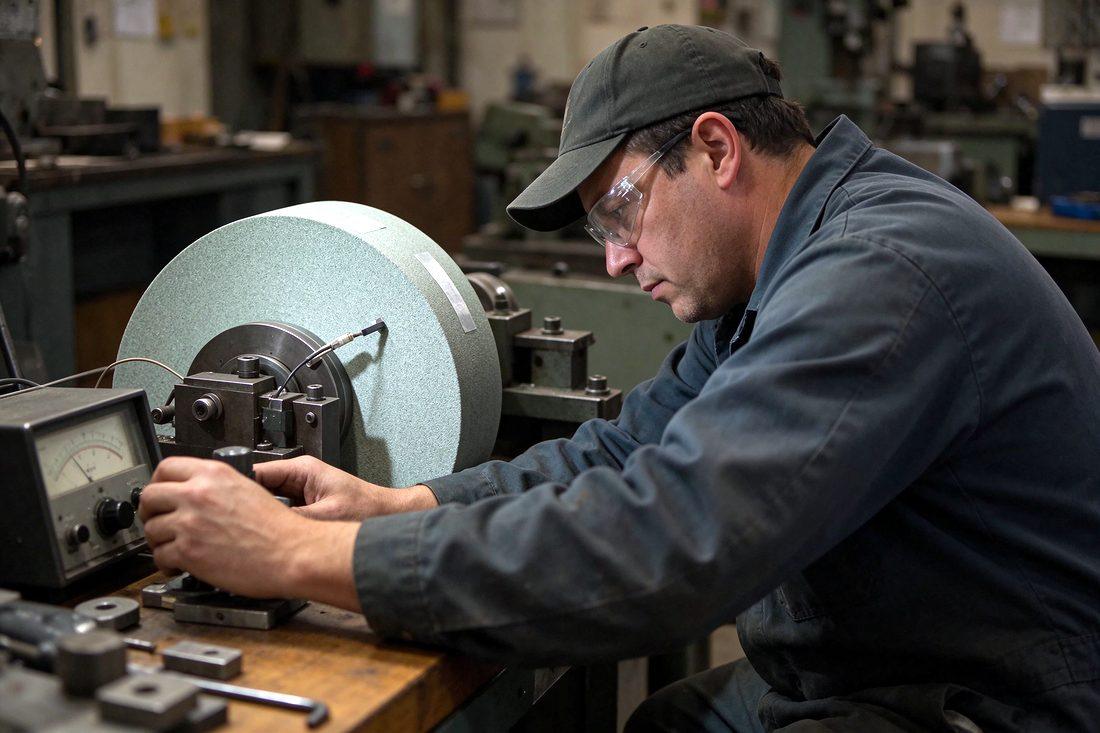
Static balancing a surface grinder wheel: the arbor method, how much imbalance is acceptable, why ma...
Read more →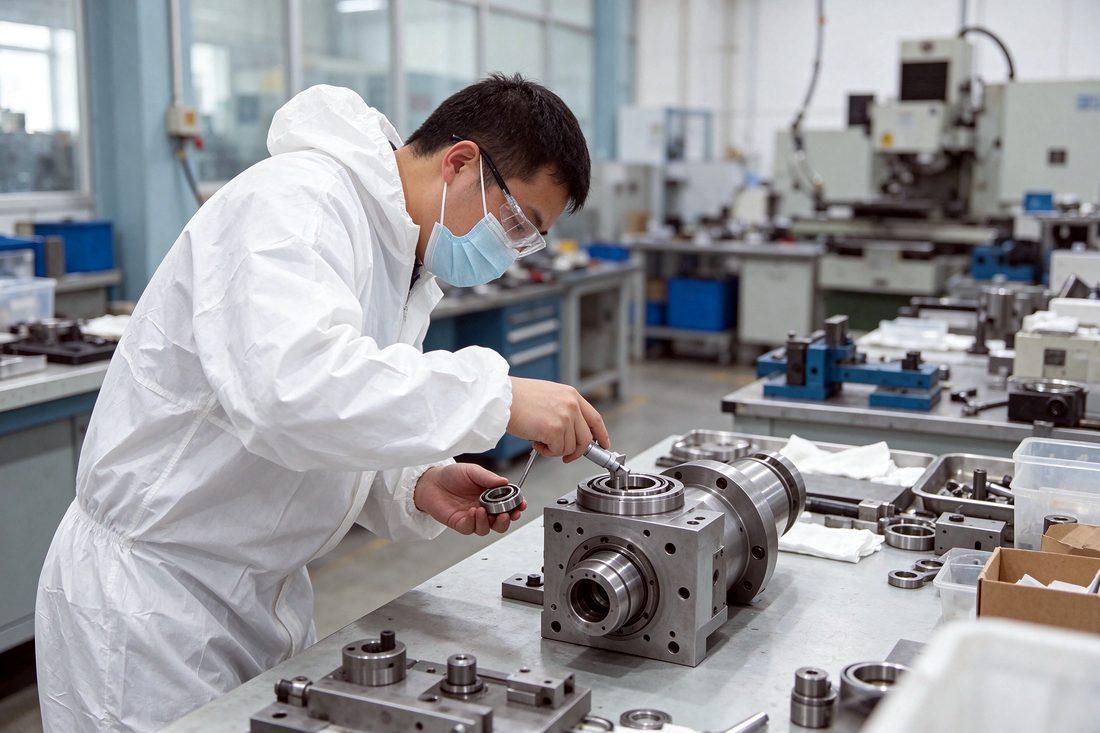
An Indian bearing plant grinding 120 mm bearing rings moved face flatting to a PSG-RT600 rotary tabl...
Read more →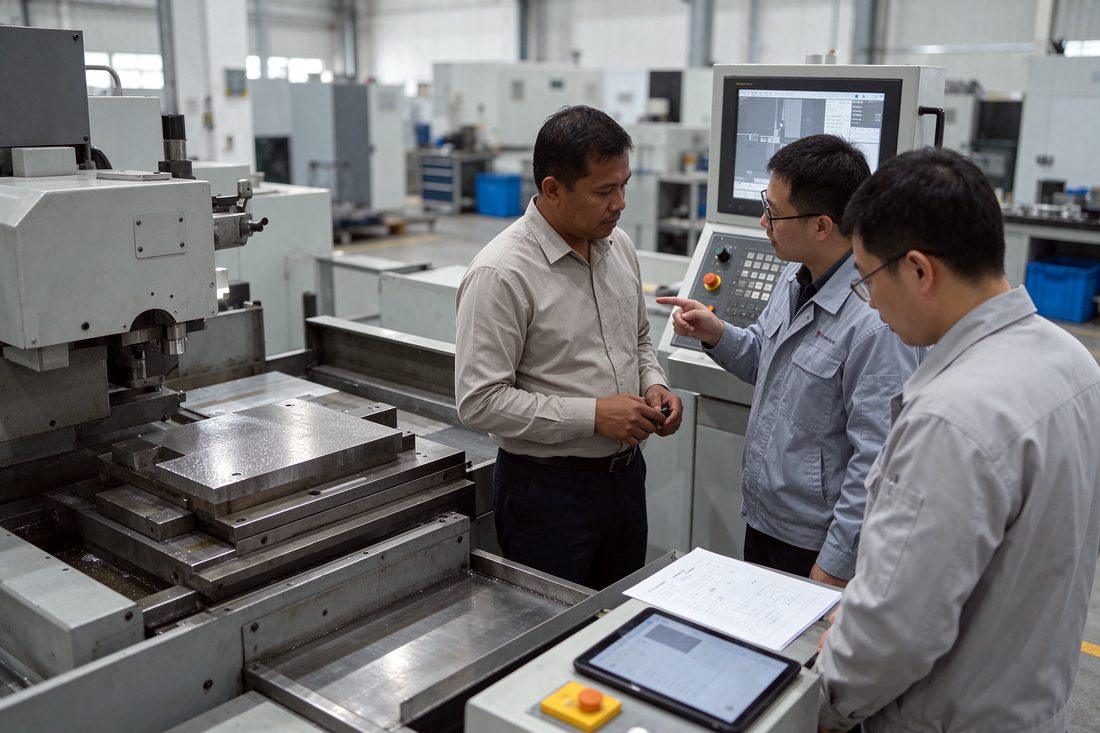
A Karawang press die maker was grinding 900 mm die rings on a reciprocating table. A Ø1000 mm rotary...
Read more →A 618 or 4080 hydraulic machine covers most die and mould work; add a PLC machine when the same job repeats and the operator becomes the variable.
It holds flatness well over large areas because the contact is an area rather than a line, but it cannot hold a sharp form the way a horizontal machine can.
