
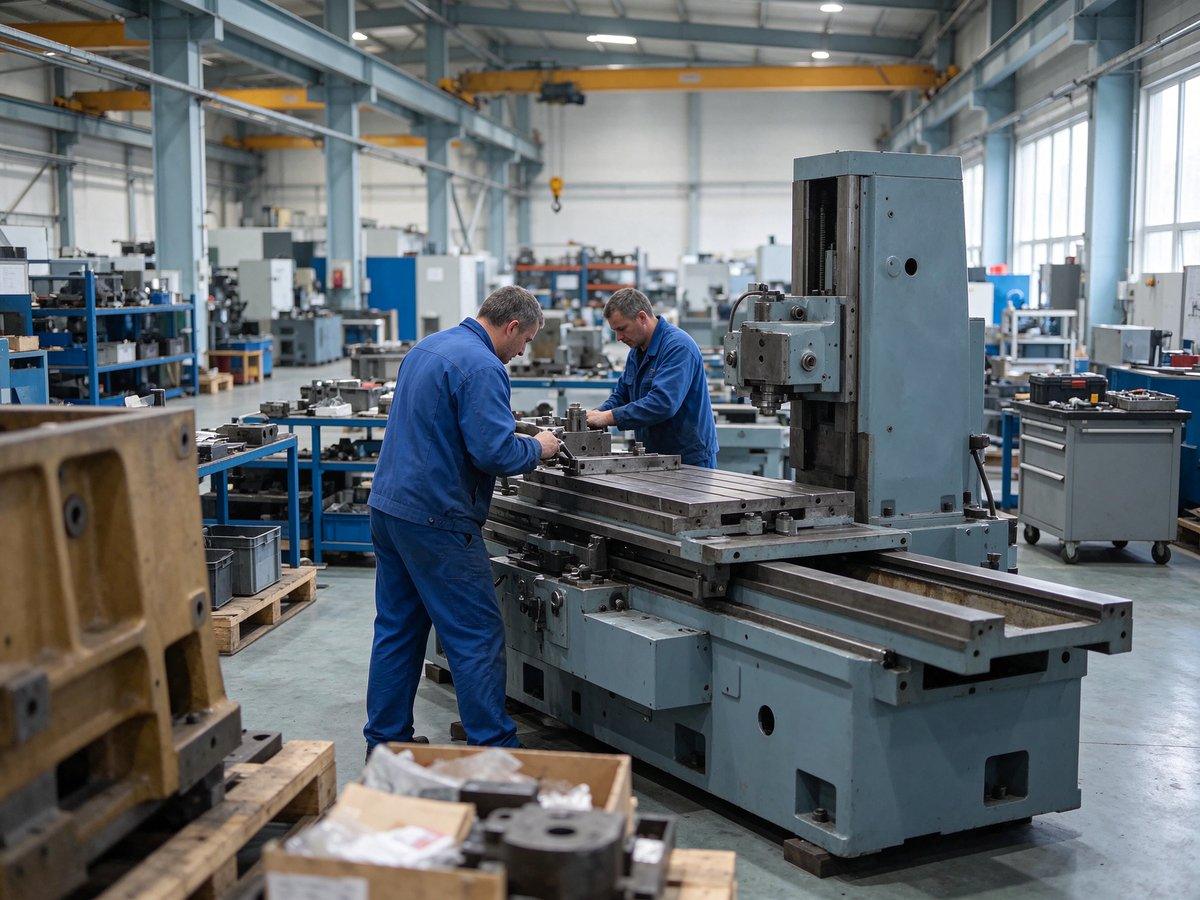
How to Level and Align a Surface Grinder After Installation
Installation procedure for a surface grinder: foundation, levelling pads, precision level checks, ta...
Read more →Precision · topic notes
Machine levelling, geometry checks and re-alignment after a move or a foundation settle. 2 guides filed under this topic.
The achievable figure depends on the part as much as on the machine: thin plates move, hardened plates burn, and both change the number.
The sequence that settles arguments: grind a test plate, measure with a straight edge and a 0.001 mm indicator on a surface plate, then repeat after the plate has cooled.
Topics in this vocabulary point to a machine line rather than to a single offer, so the answer stays useful when the model range changes. For leveling & alignment the closest line is PLC programmable surface grinders; the selection guide and the accuracy notes cover the neighbouring questions.
Machines filed under this topic, plus the closest models from the line it belongs to.
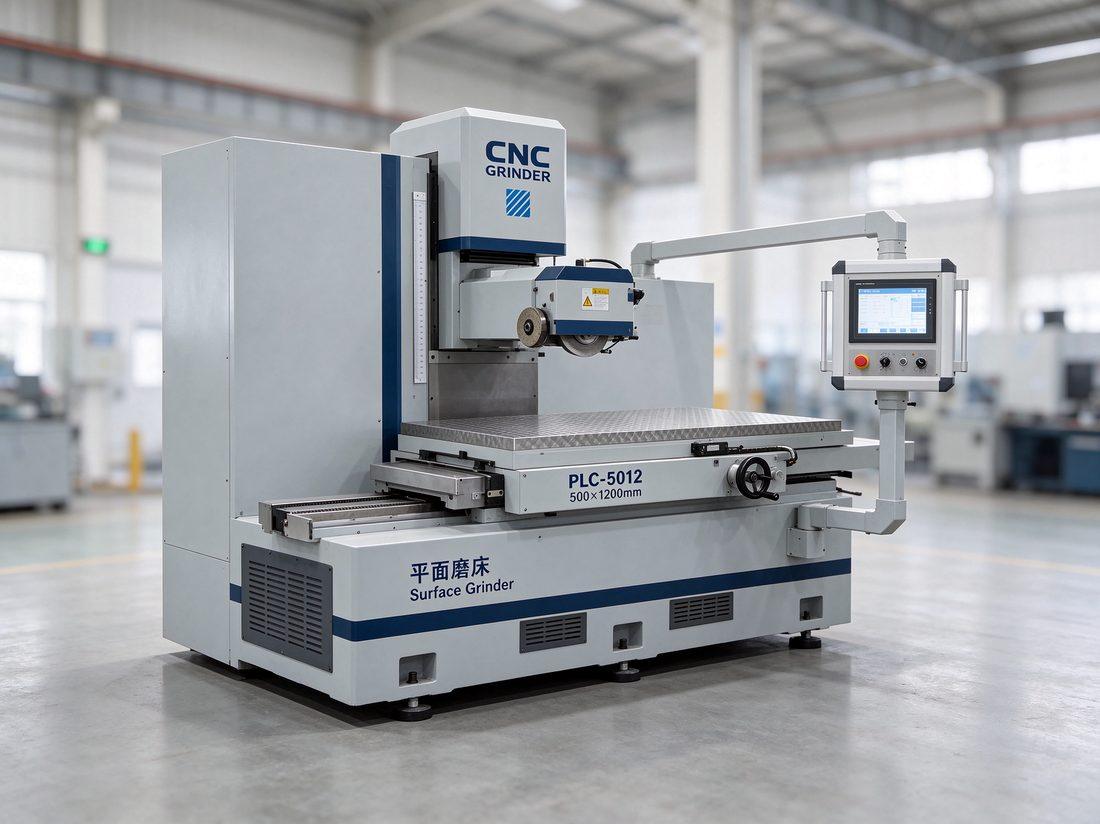
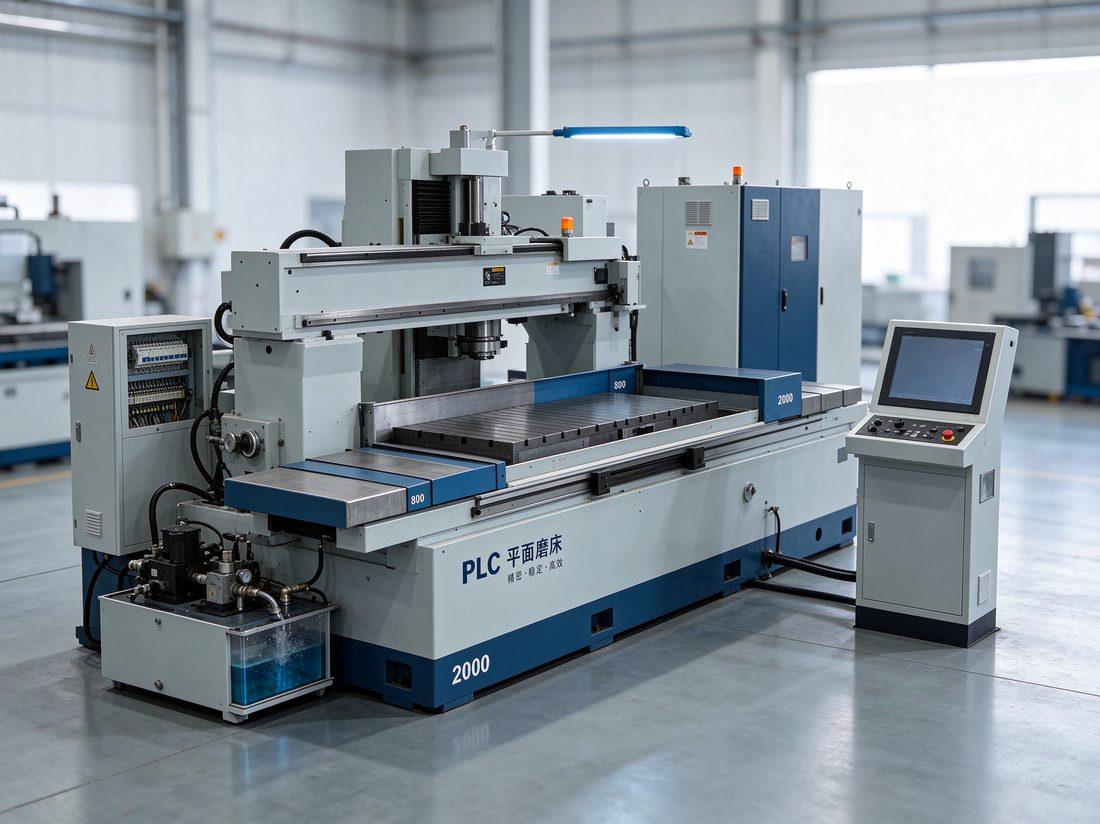
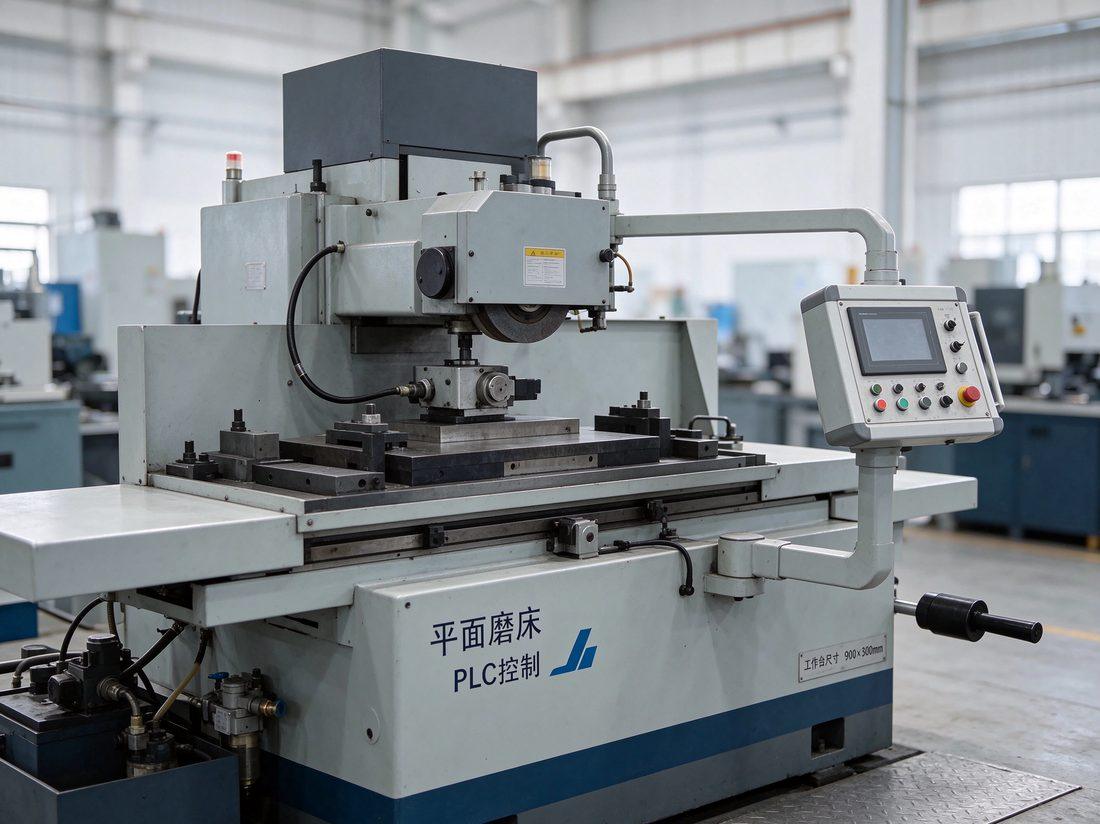
Installation procedure for a surface grinder: foundation, levelling pads, precision level checks, ta...
Read more →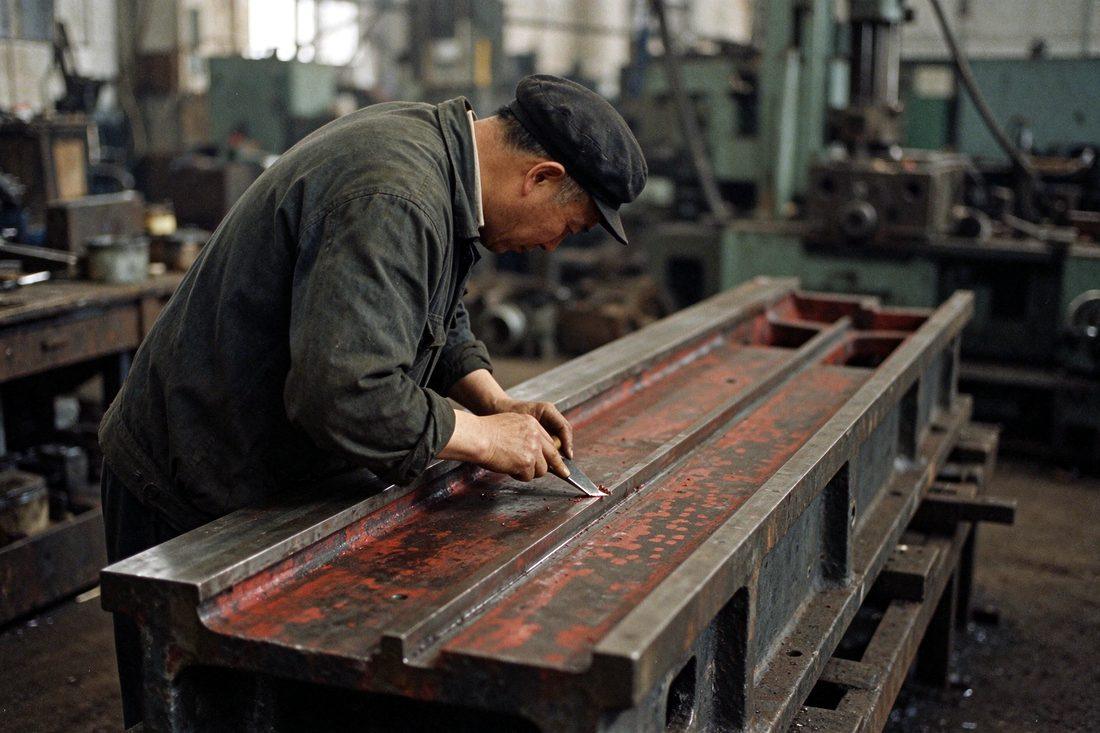
How the table ways wear, what lubrication actually prevents, and how to set a gib without losing the...
Read more →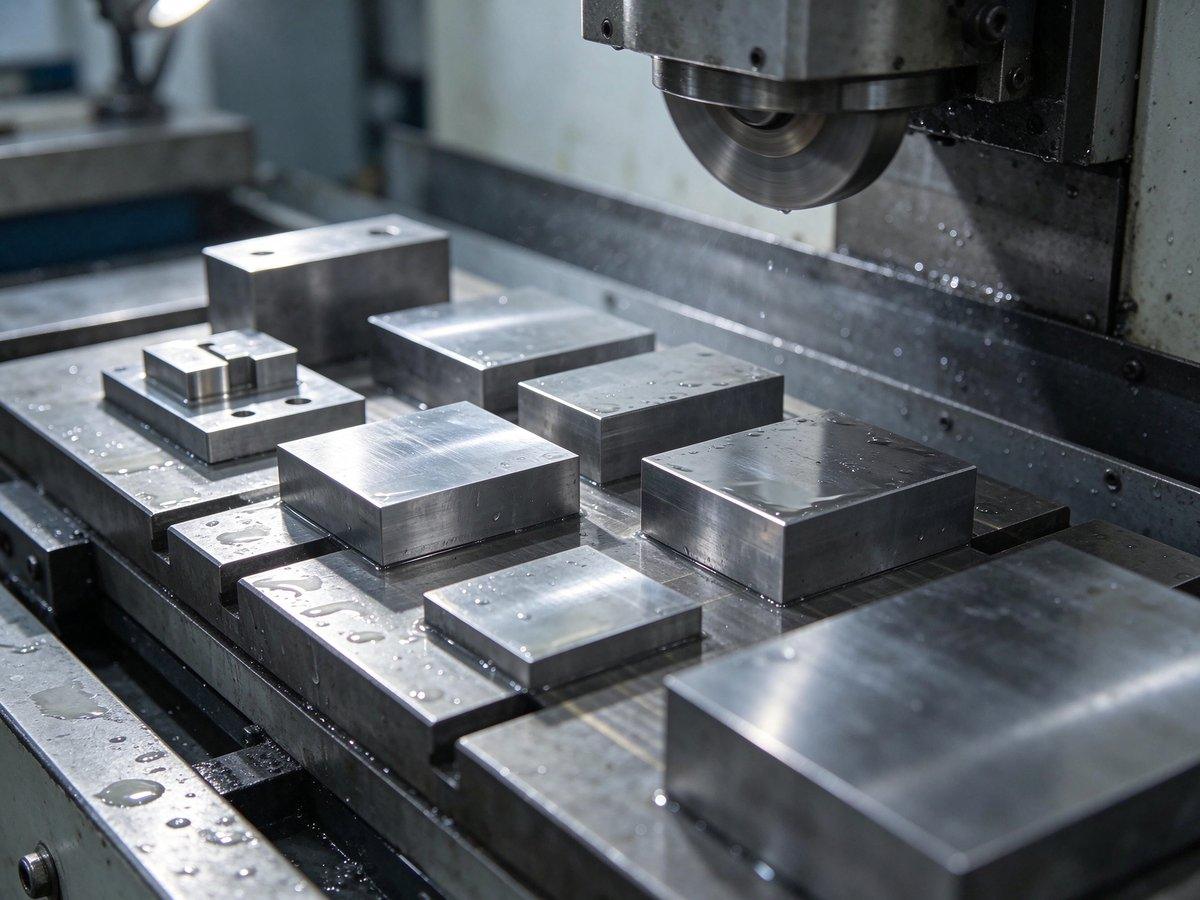
A Vietnamese mould shop replaced two worn manual grinders with a PSG-4080AH and a PSG-250AHR, cuttin...
Read more →0.005 mm over 500 mm is the normal commercial figure on a hydraulic machine, and 0.002 mm on a CNC or PLC machine with a temperature-stable setup.
A granite surface plate, a 0.001 mm indicator and a written record of the readings; on request a laser interferometer report is added for the geometry of the bed and column.
