
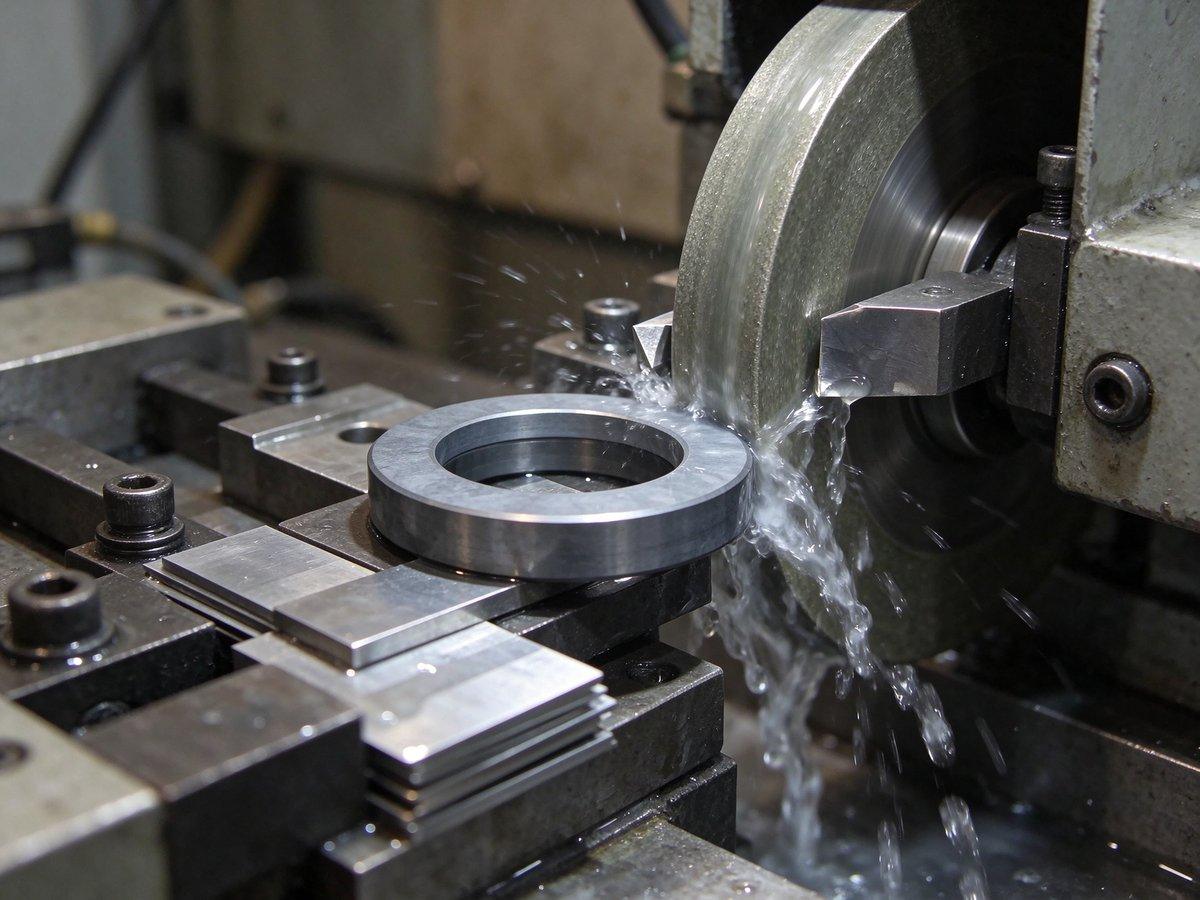
Why Your Surface Grinder Burns the Work — and How to Fix It
Grinding burn causes: glazed wheel, dirty coolant, too much depth of cut, wrong wheel grade. Diagnos...
Read more →Precision · topic notes
Grinding burn, chatter and resonance marks — causes and the fixes that actually work. 1 guide filed under this topic.
Flatness, parallelism, squareness and surface finish are measured four different ways, and a machine can pass one while failing another.
For anything tighter than 0.005 mm the gauge matters as much as the machine: a dial indicator on a granite plate, or a laser interferometer for geometry.
Topics in this vocabulary point to a machine line rather than to a single offer, so the answer stays useful when the model range changes. For burn & chatter the closest line is manual precision surface grinders; the selection guide and the accuracy notes cover the neighbouring questions.
Machines filed under this topic, plus the closest models from the line it belongs to.
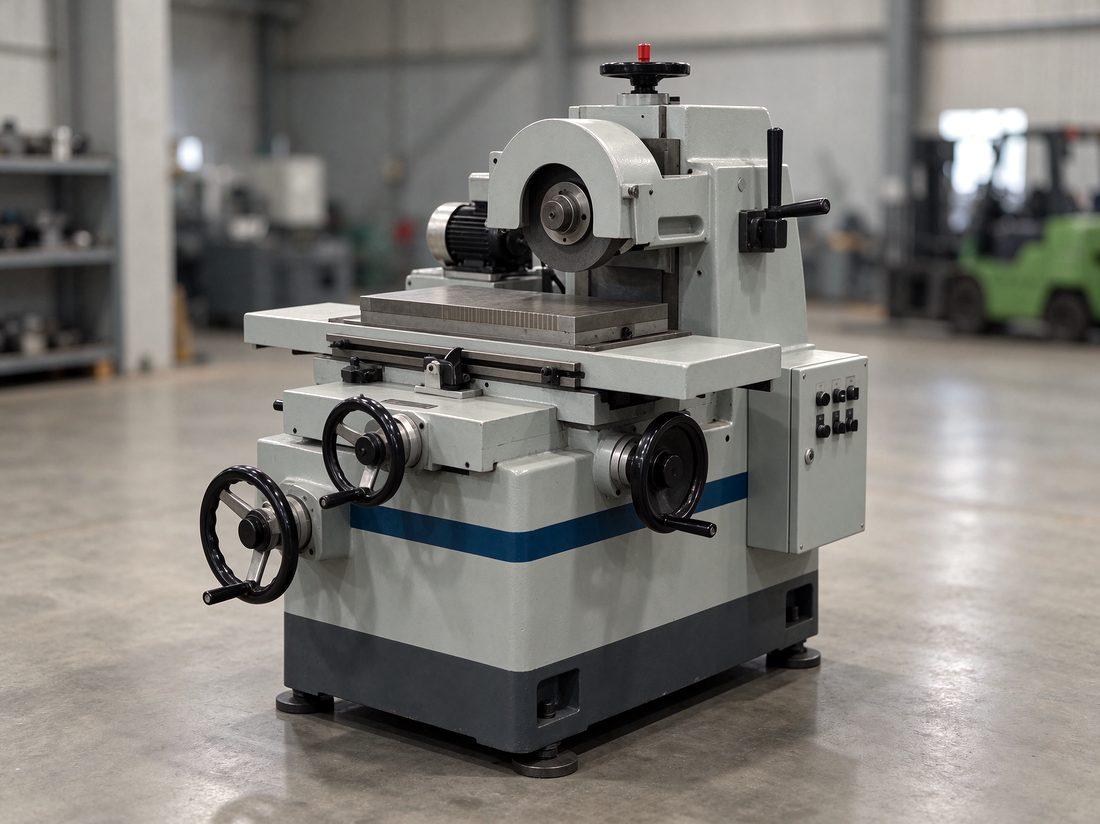
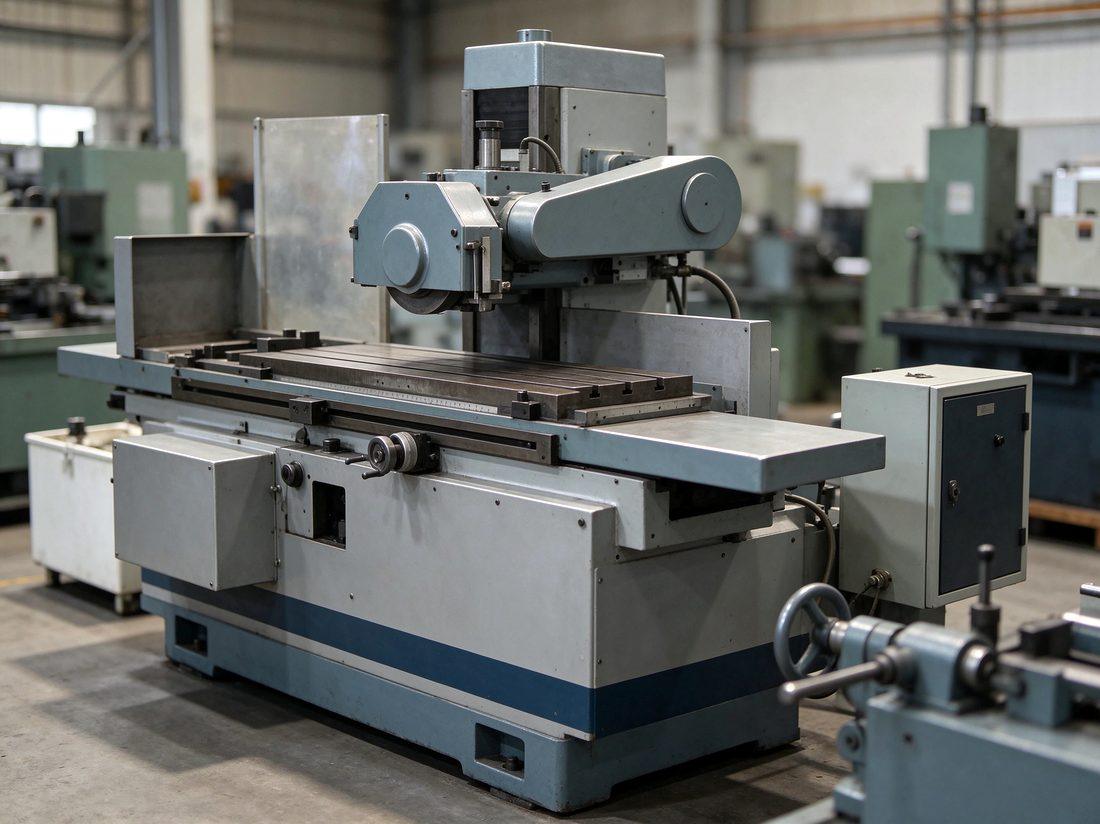
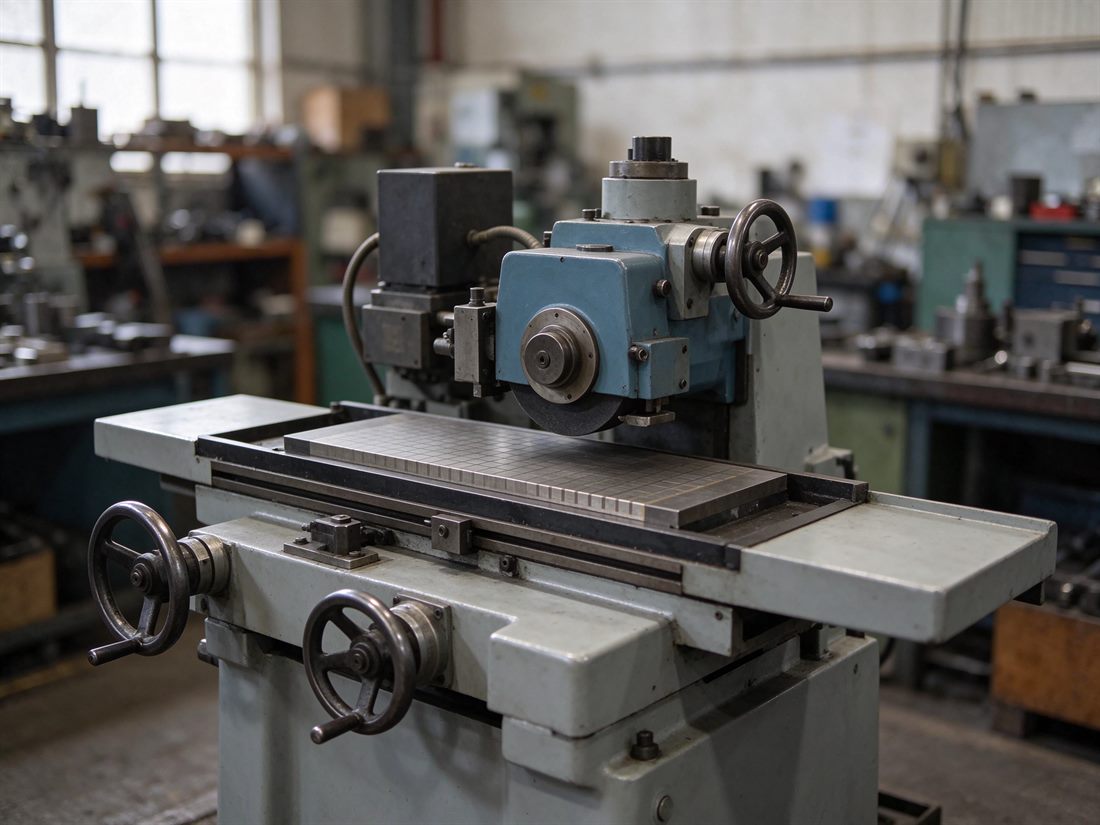
Grinding burn causes: glazed wheel, dirty coolant, too much depth of cut, wrong wheel grade. Diagnos...
Read more →
Surface grinding versus lapping compared on flatness, finish, material removal, heat and cost, and h...
Read more →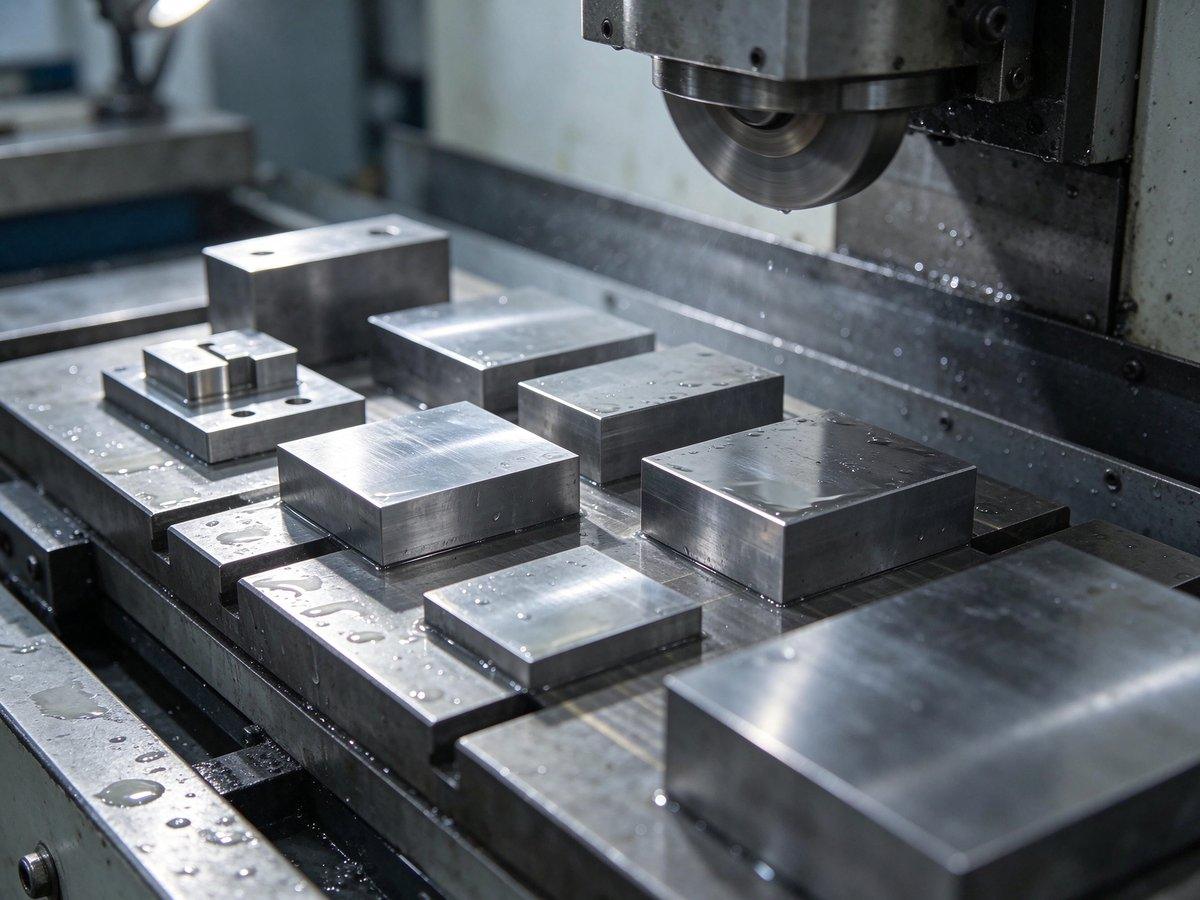
A Vietnamese mould shop replaced two worn manual grinders with a PSG-4080AH and a PSG-250AHR, cuttin...
Read more →0.005 mm over 500 mm is the normal commercial figure on a hydraulic machine, and 0.002 mm on a CNC or PLC machine with a temperature-stable setup.
A granite surface plate, a 0.001 mm indicator and a written record of the readings; on request a laser interferometer report is added for the geometry of the bed and column.
