
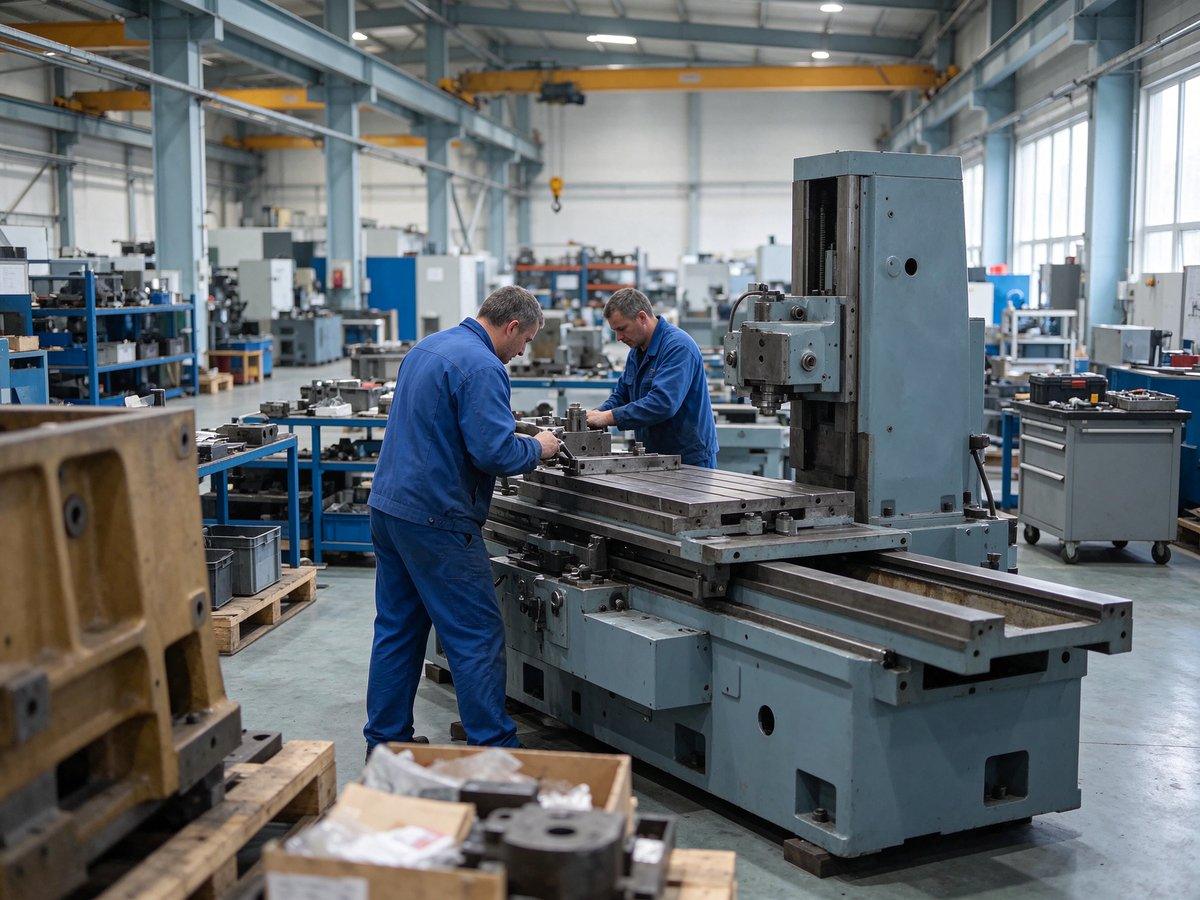
How to Dress a Grinding Wheel Correctly (and How Often)
Dress depth, pass count, diamond tool angle and interval — the dressing procedure that keeps a surfa...
Read more →Service & Parts · topic notes
Lubrication, way protection, spindle care and the checks worth doing every shift. 6 models, 8 guides filed under this topic.
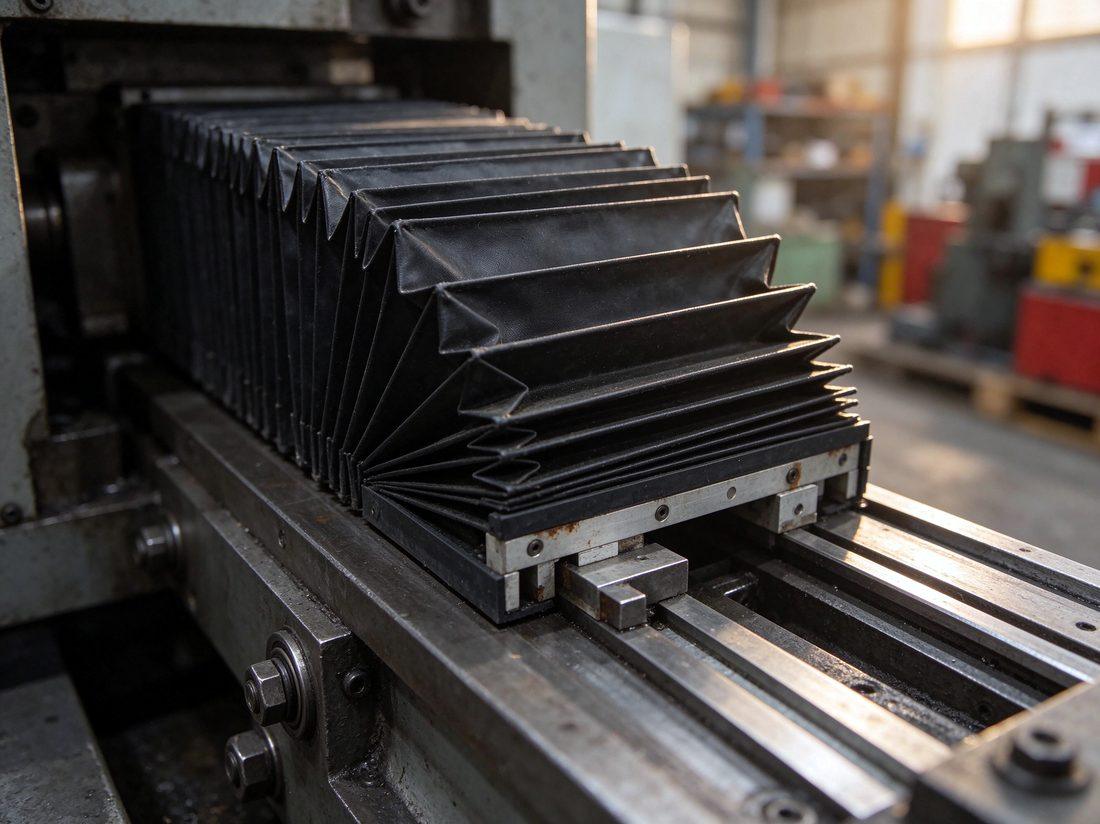
A surface grinder loses accuracy in a predictable order, and almost none of it is sudden. First the way wipers wear and abrasive dust gets onto the slide; then the way oil film breaks down at the ends of the stroke, where the slide is least covered; then the wheel is dressed less often because production is busy; then someone reports taper and blames the spindle. By that point the slide has been wearing for months.
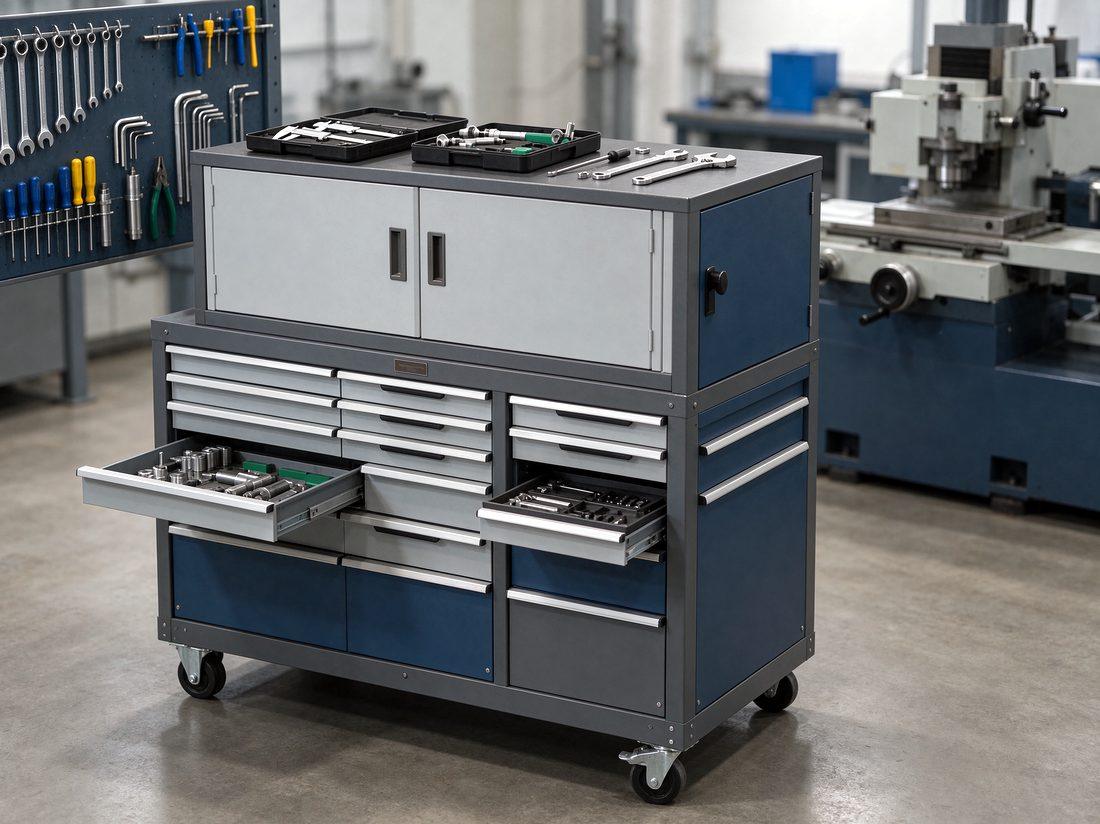
Four checks cover most of it: wiper condition every quarter, oil level and metering units every shift, wheel balance after every change, and a test grind of a known plate every month with the result written down. A machine with a written history is diagnosable; a machine without one is a series of guesses.
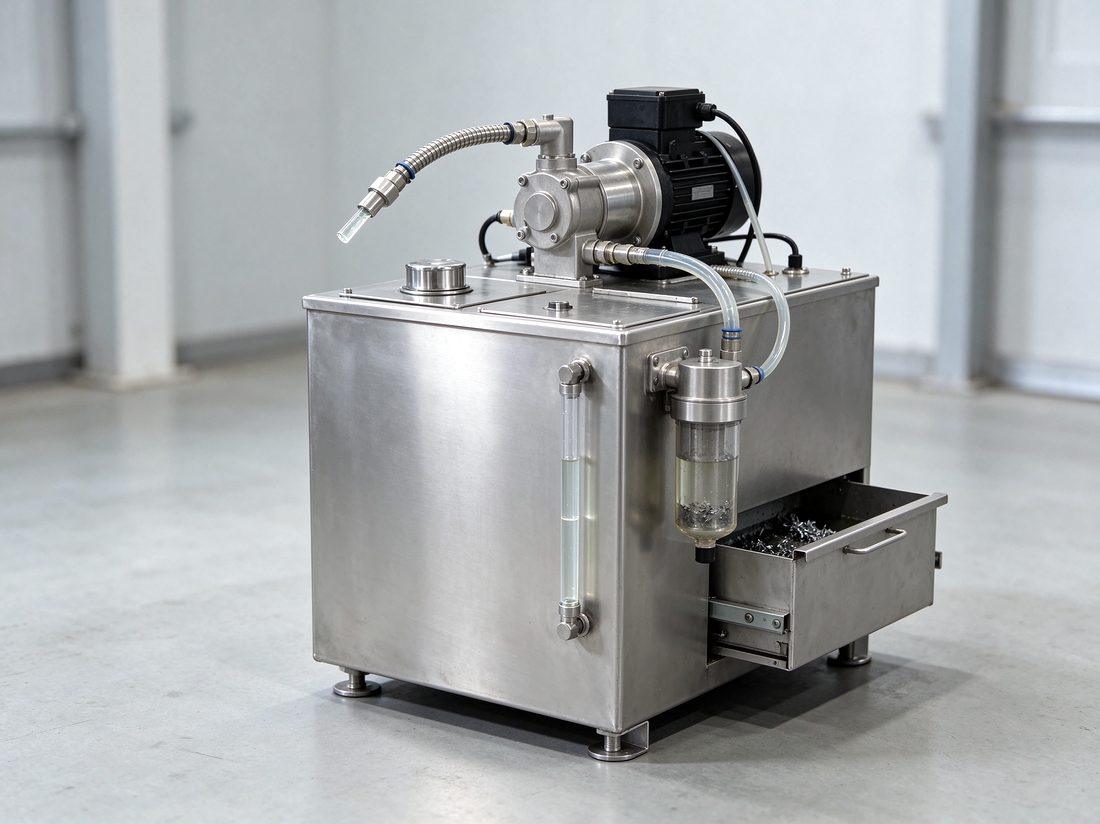
Coolant does three jobs: it cools the contact zone, it flushes swarf out of the wheel face, and it keeps abrasive dust off the slide. When the mixture drifts the first symptom is not a bad finish but a wheel that loads up; when the tank is not cleaned, the swarf goes back through the pump and marks the work with a pattern that looks like vibration. Clean the tank on a schedule, not when it starts to smell.
Magnetic chucks fail in a specific way. The face is ground true, then covered in dust and swarf, and the next plate sits on the dust instead of on the face — so the machine grinds accurately and the part still comes out tapered. Two minutes with a stone and a clean cloth before clamping is worth more than any gauge in the shop, and parts should be demagnetised before they are measured: a magnetised plate reads differently every time it is set down on the surface plate.
Burn marks or a shiny, smeared face: the wheel is glazed, or the coolant flow is short at the nozzle. Taper along the stroke: the wheel is not dressed square, or the table is out of level with the spindle axis. Chatter at a regular pitch: wheel balance or a worn flange. Waviness repeating with the table stroke: way-oil starvation at the ends of the slide. A part that measures flat and springs back when released: clamping, not grinding.
None of these needs a service visit as the first step. They need a record of when the wheel was dressed, when the wipers were changed, and what the last test grind measured — which is exactly what the routine above exists to produce. That record is also what makes a warranty claim or a spare-parts order quick instead of a conversation.
The documents for machines in production, including the lubrication schedule and the fault-finding table, are on the manuals page; replacement wipers, flanges and dressers are on the spare parts page. If a symptom does not match any of the above, send the model, the serial number and a photo of the finished surface, and our engineers will reply with the likely cause and the part to check.
A grinder is a fifteen-year purchase, so how it is serviced matters as much as how it grinds on the first day.
The cheapest diagnostic is a test cut recorded once a month: flatness and Ra on the same plate, logged. Drift shows up there weeks before it shows up in a reject rate.
Topics in this vocabulary point to a machine line rather than to a single offer, so the answer stays useful when the model range changes. For maintenance the closest line is manual precision surface grinders; the selection guide and the accuracy notes cover the neighbouring questions.
Figures are the catalogue specification for each model. Where a machine is built to order — larger tables, special voltages, extra coolant capacity — the final values are confirmed on the order drawing.
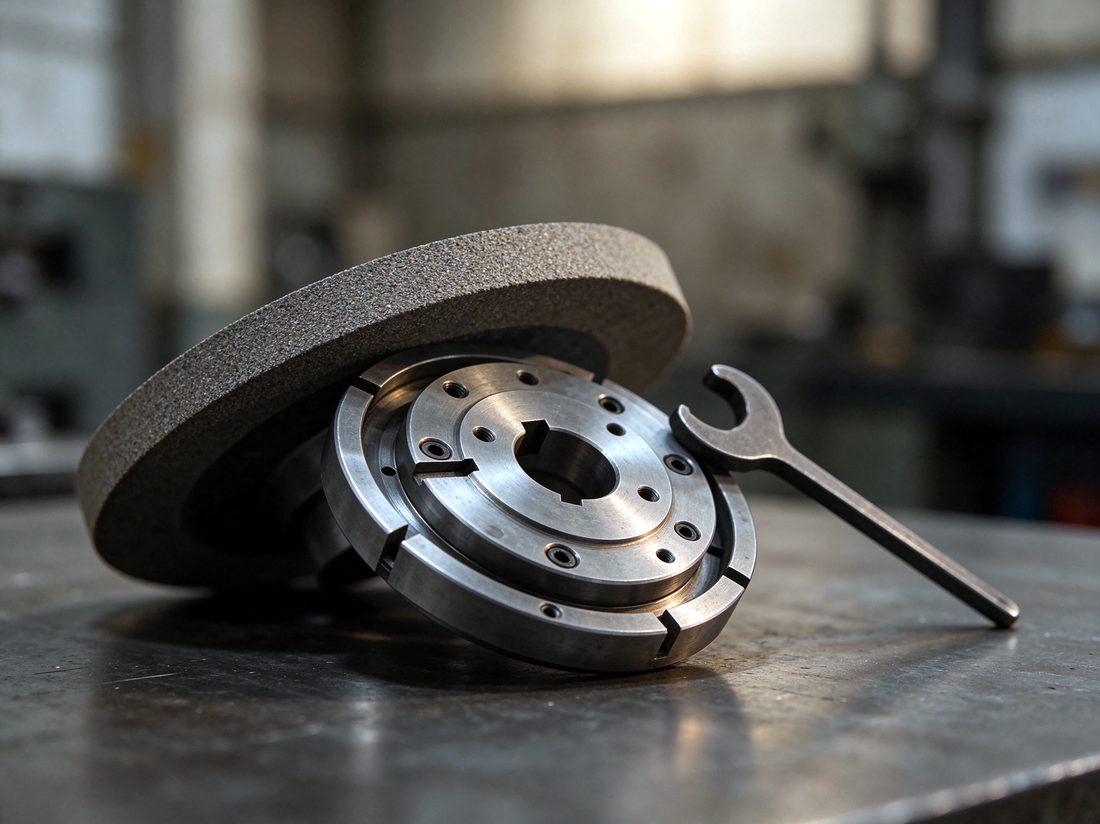
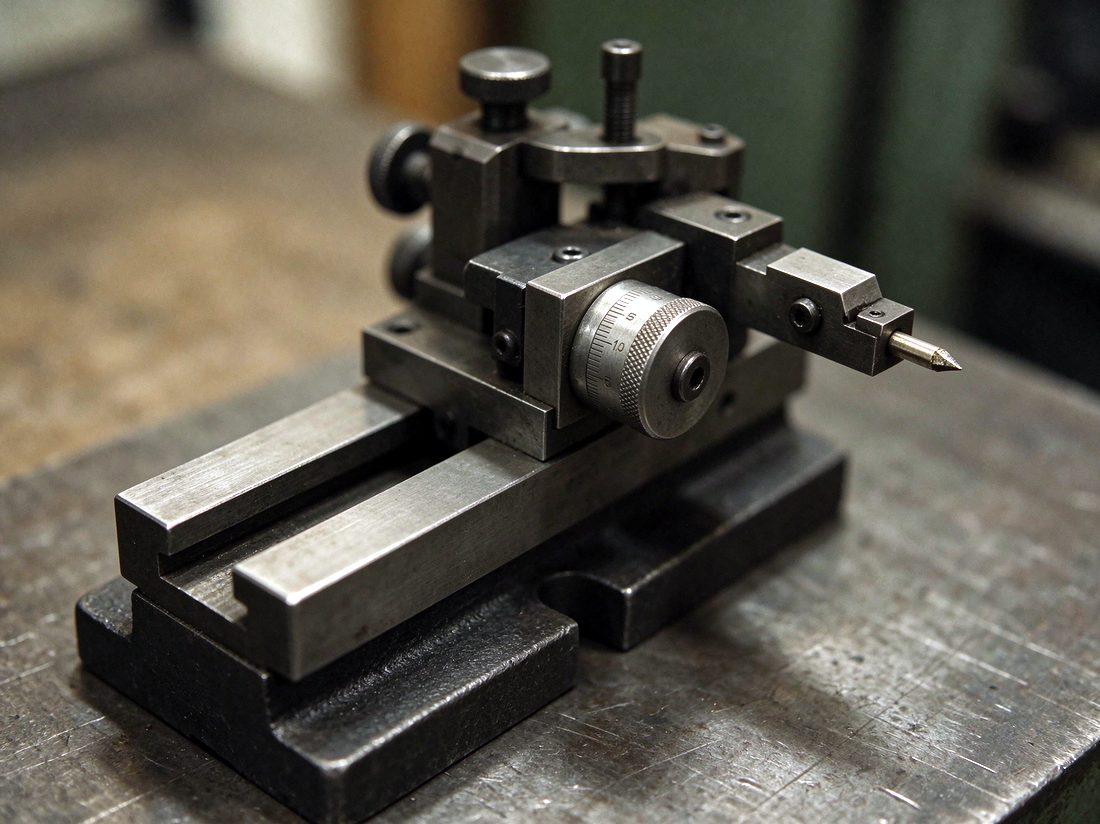
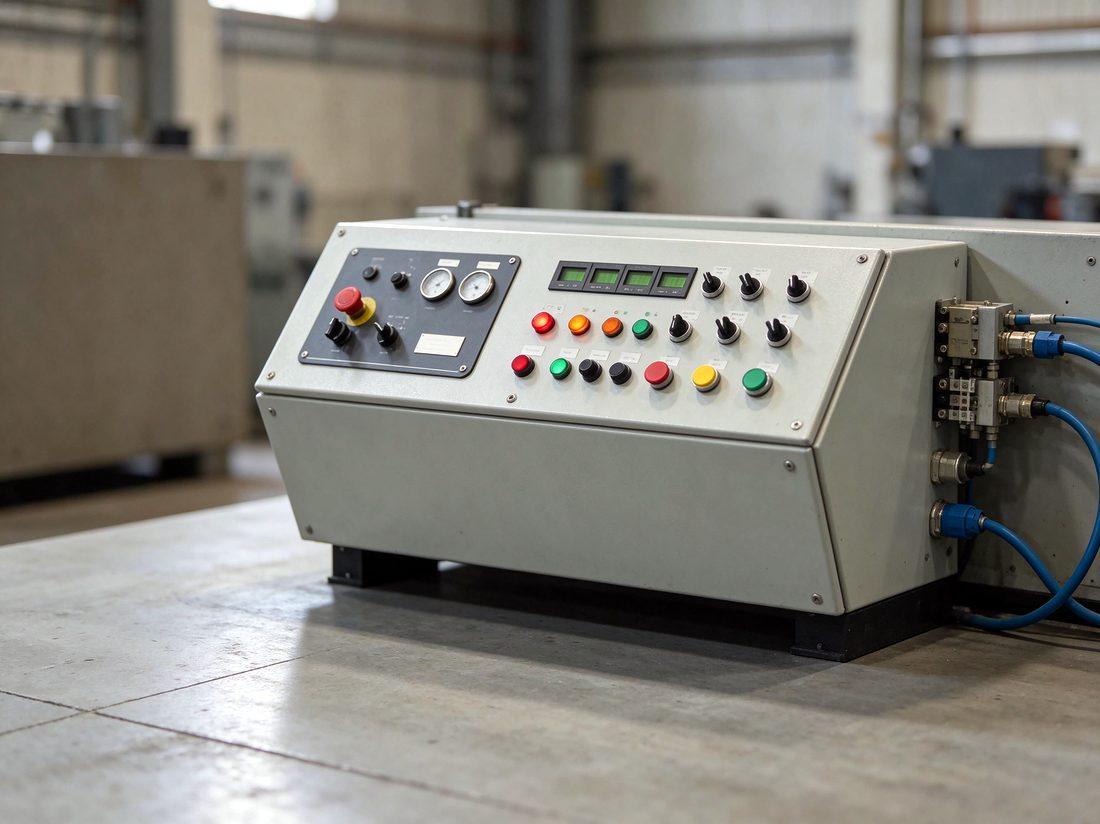
Dress depth, pass count, diamond tool angle and interval — the dressing procedure that keeps a surfa...
Read more →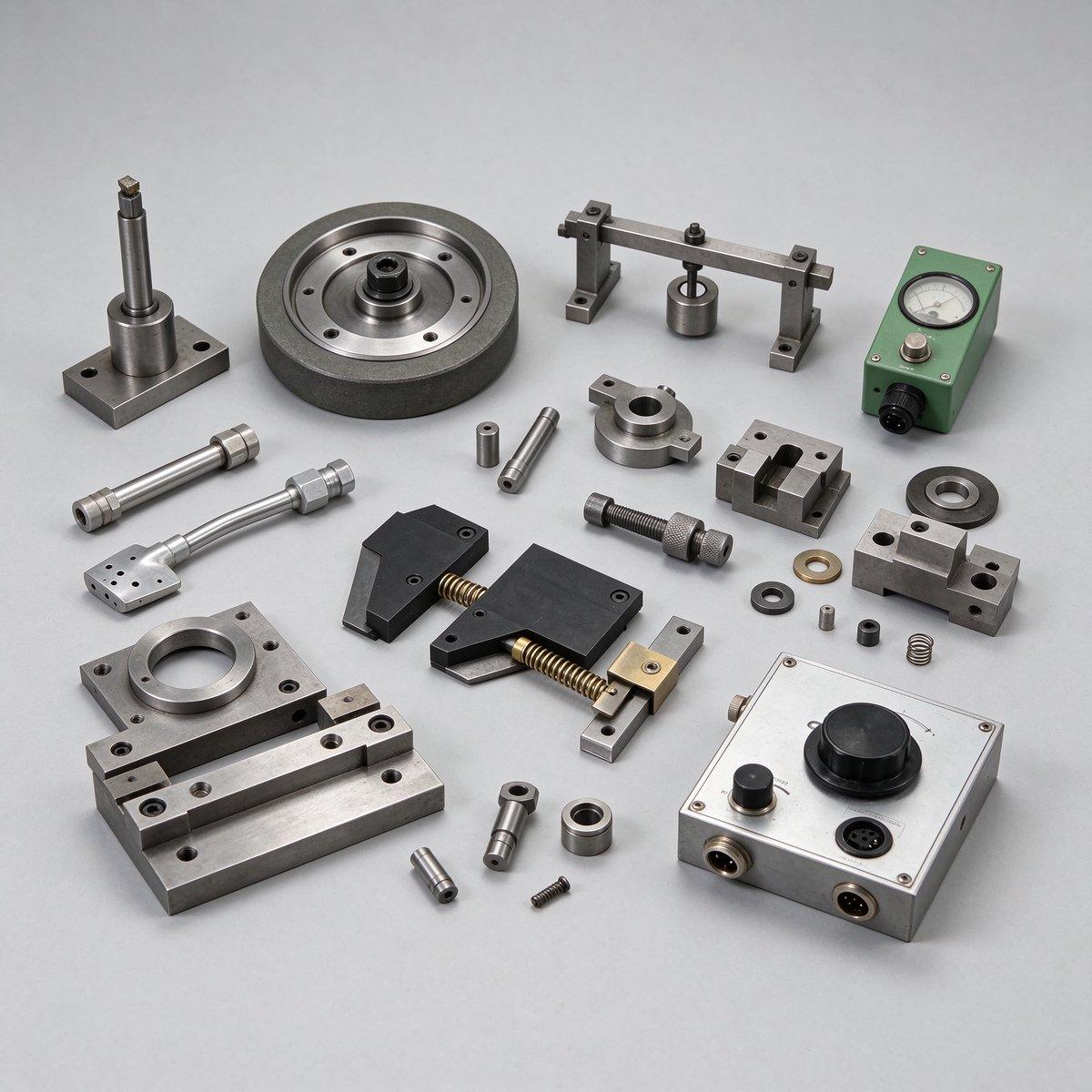
How to keep a surface grinder magnetic chuck flat and holding: stoning, demagnetizing, checking hold...
Read more →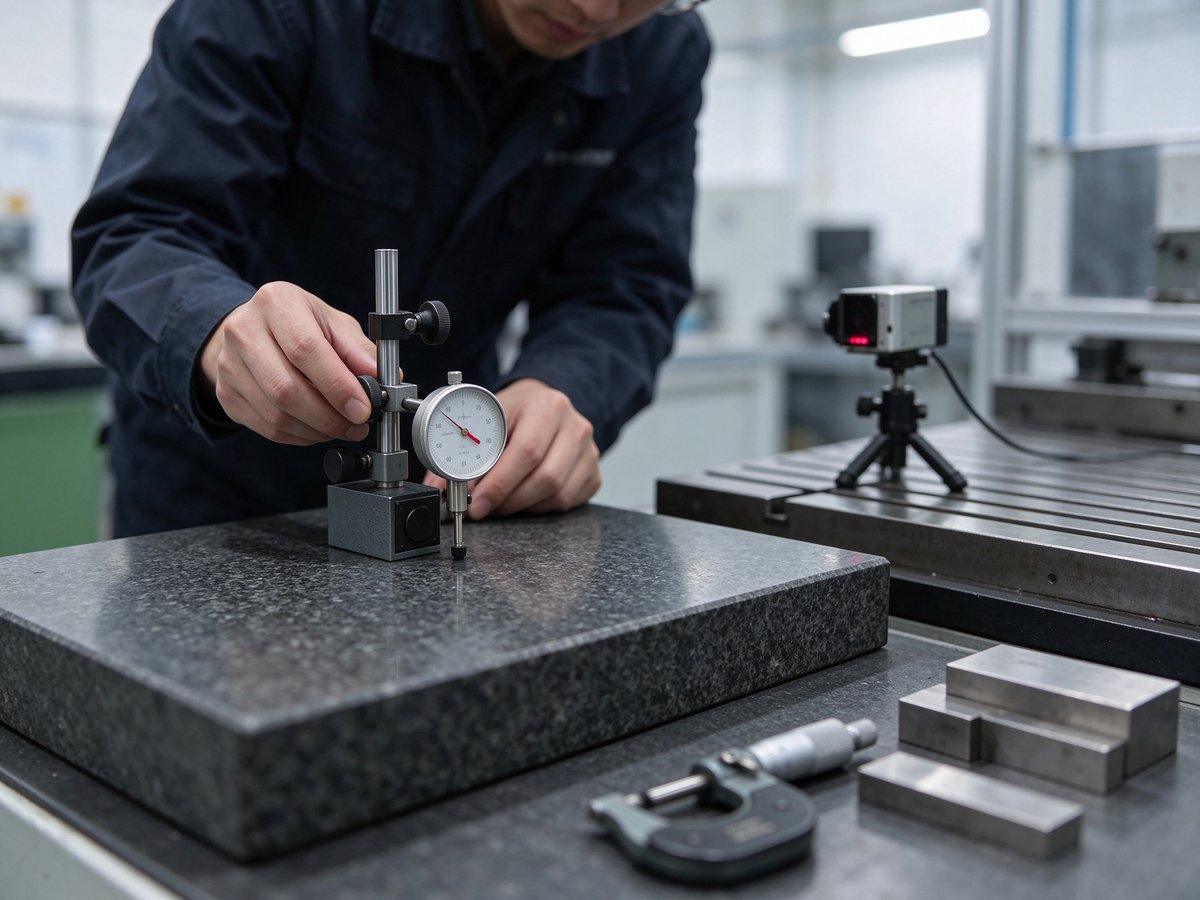
A practical maintenance schedule for surface grinders: daily way oil and wipers, weekly coolant and ...
Read more →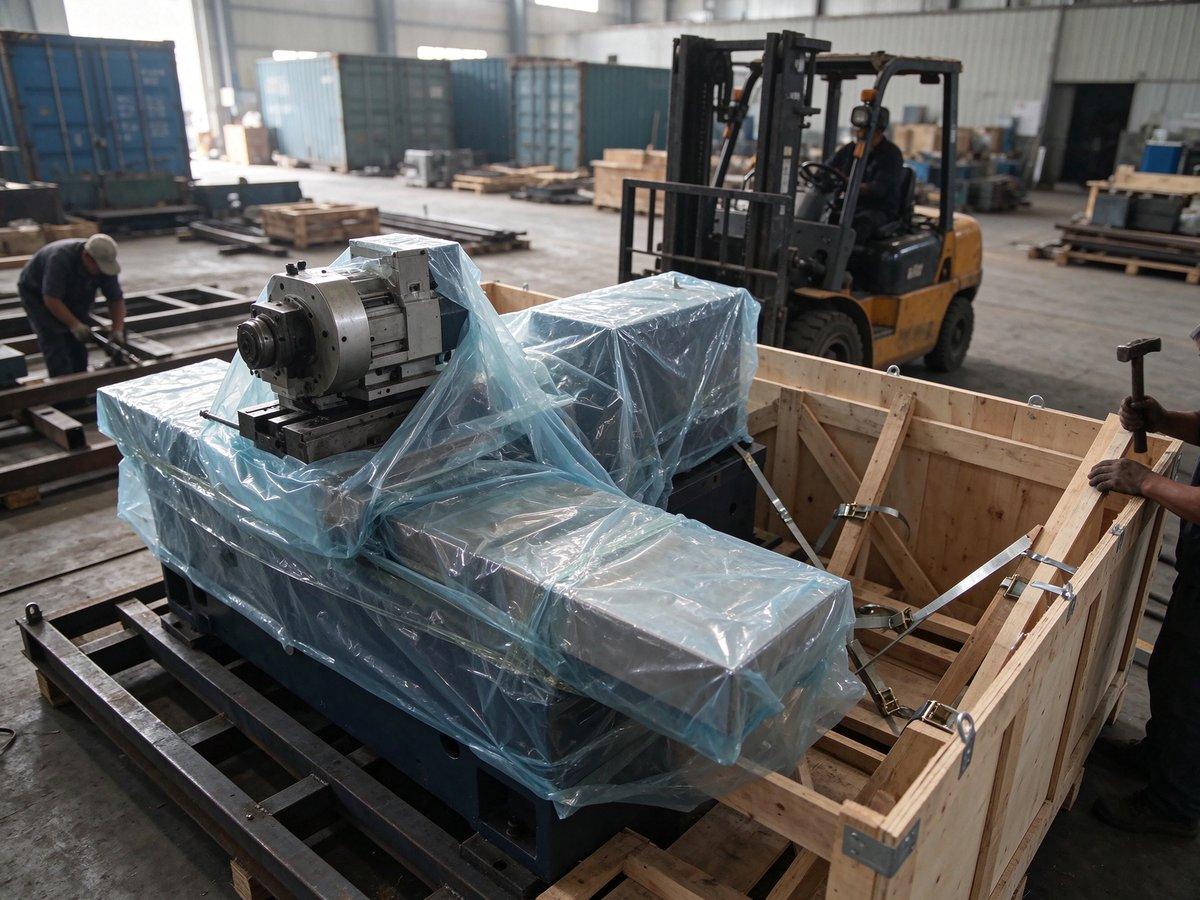
What to check before a surface grinder leaves the factory: packing, container type, documents, found...
Read more →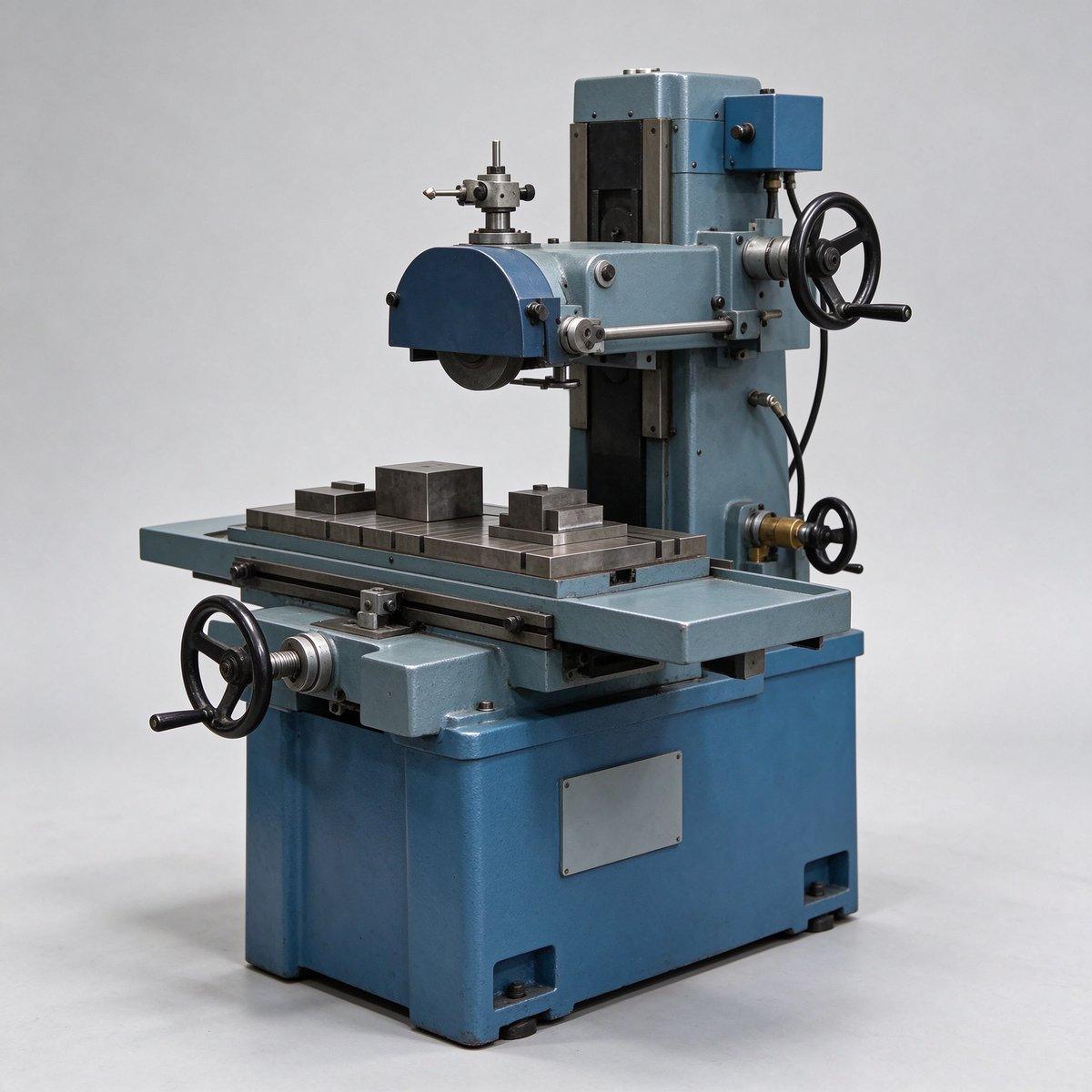
A used grinder is cheaper on the invoice and sometimes cheaper overall — the difference is in ways, ...
Read more →
A dial indicator, a clean taper and ten minutes: where runout comes from and which cause you can fix...
Read more →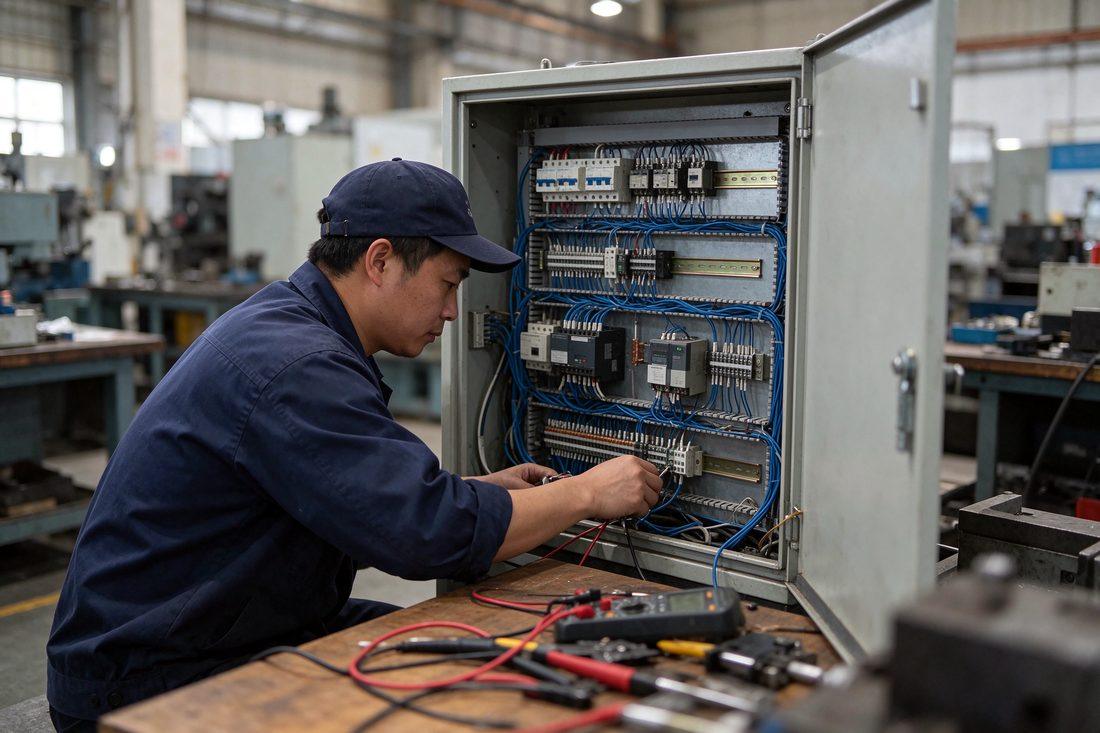
Slow table, hard reversal, drifting speed: the four symptoms that account for most hydraulic faults,...
Read more →
How the table ways wear, what lubrication actually prevents, and how to set a gib without losing the...
Read more →
A Vietnamese mould shop replaced two worn manual grinders with a PSG-4080AH and a PSG-250AHR, cuttin...
Read more →Fifteen years from delivery for the mechanical wear parts, with the spindle and the hydraulic valve block supported for the same period.
On PLC and CNC machines, yes: the control logs the cycle and the axis behaviour, and support reads it directly. On hydraulic machines the test-cut record is the equivalent.
