

Surface Grinding vs Lapping: Which Gets It Flat?
Surface grinding versus lapping compared on flatness, finish, material removal, heat and cost, and h...
Read more →Service & Parts · topic notes
Wheel flanges, dressers, chuck controllers, coolant units and wear parts held in stock. 6 models filed under this topic.
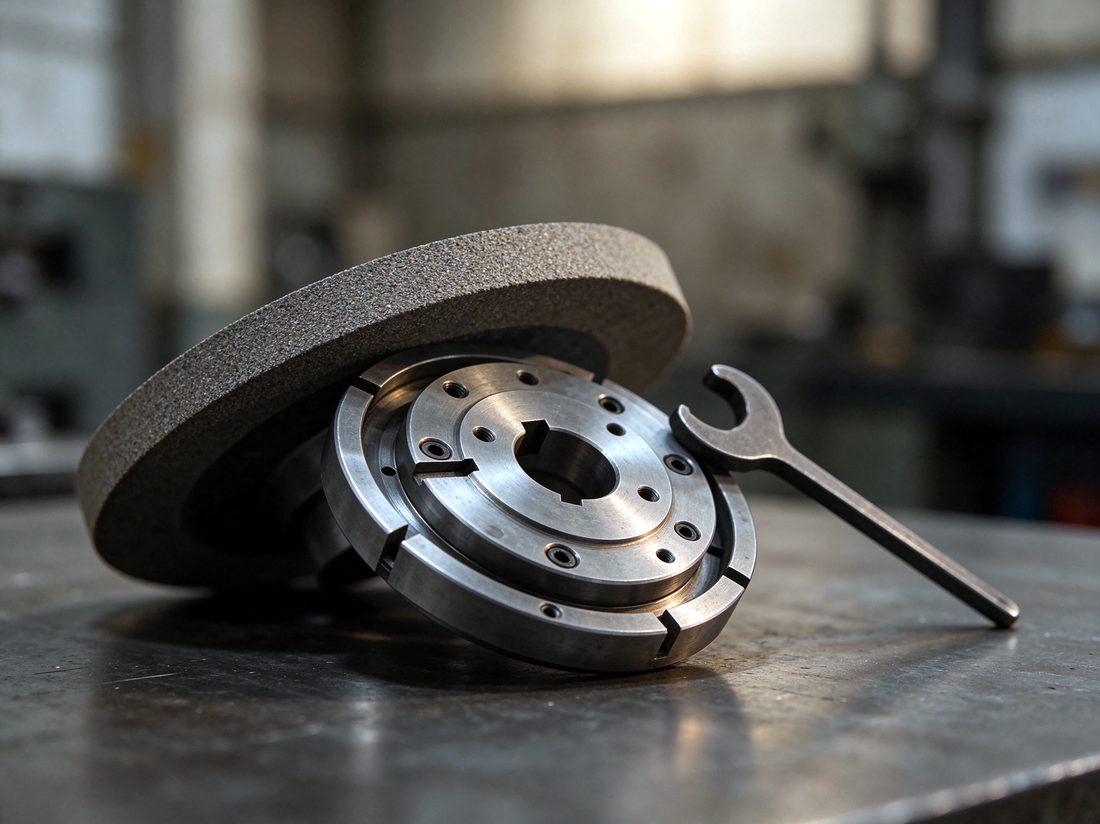
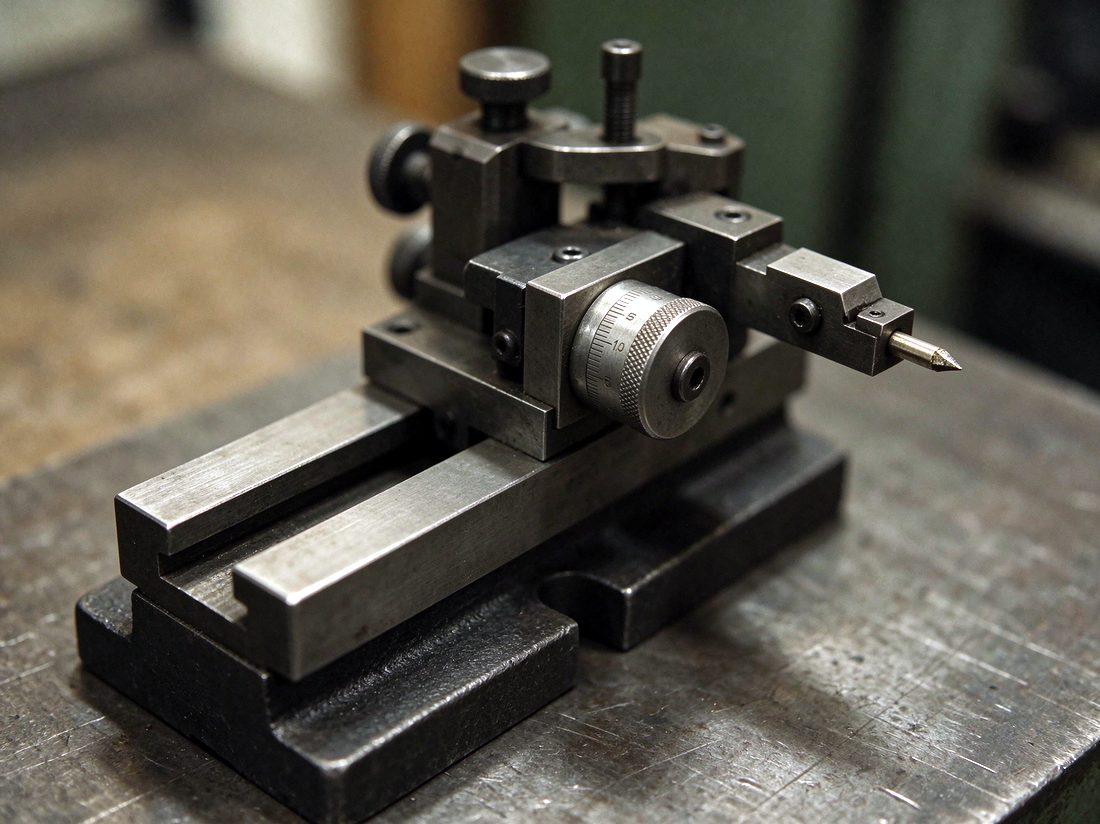
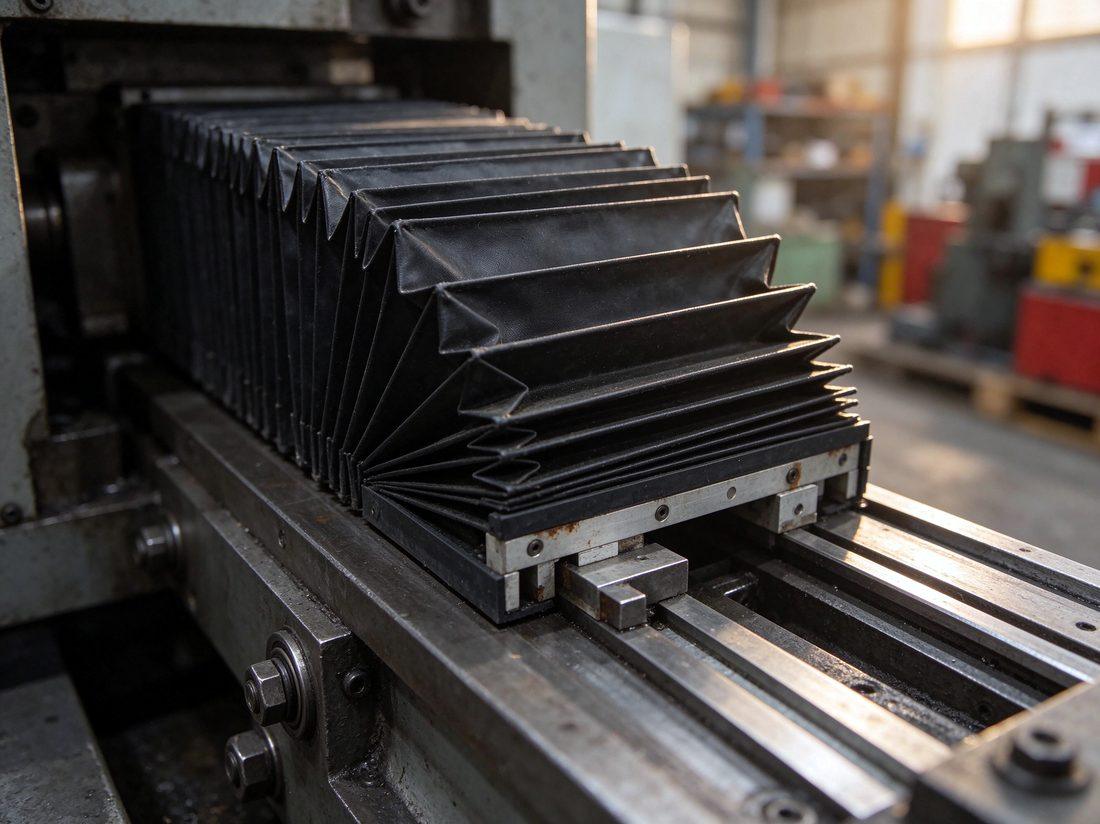
Three of them, and none is the one buyers ask about first. The wheel flange and balancing arbor decide whether the spindle runs smooth at 1450 rpm — an unbalanced wheel at that speed is several micrometres of vibration, which is most of a 0.005 mm tolerance. The diamond dresser decides whether the wheel face is open or glazed, and therefore whether the part burns. The way wipers decide whether the slide still holds its geometry after a year of cast iron dust.
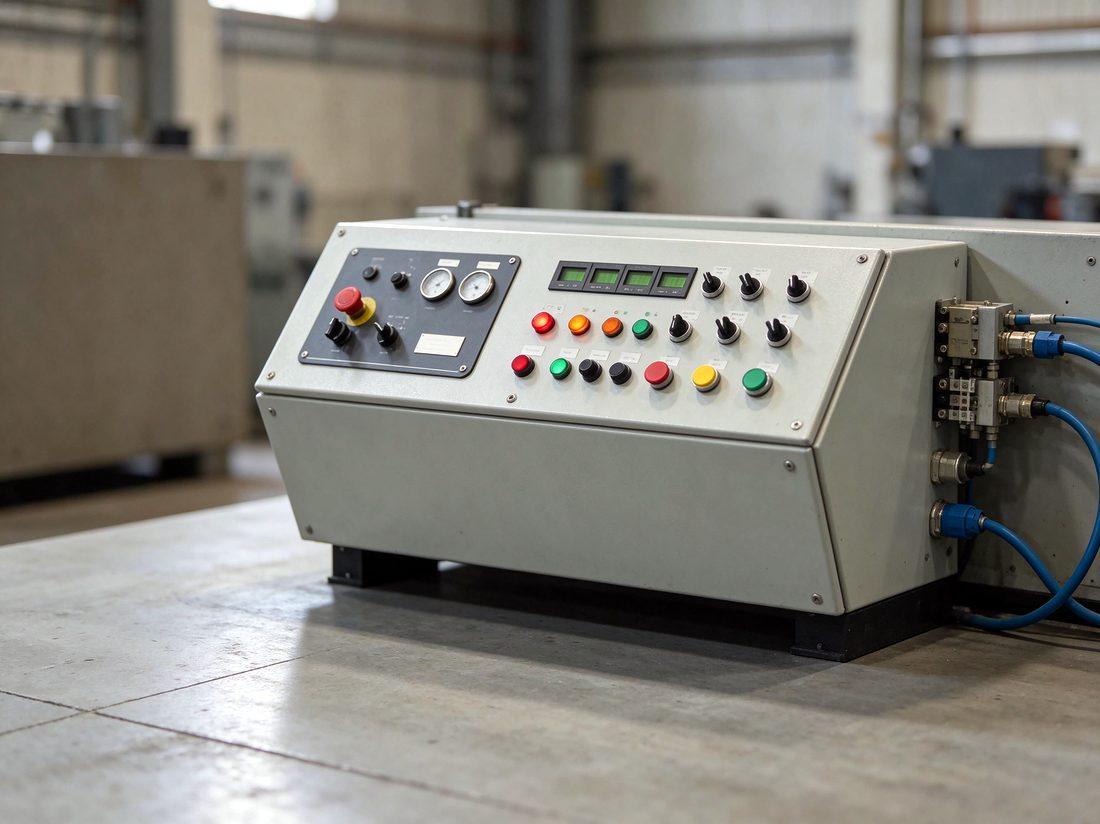
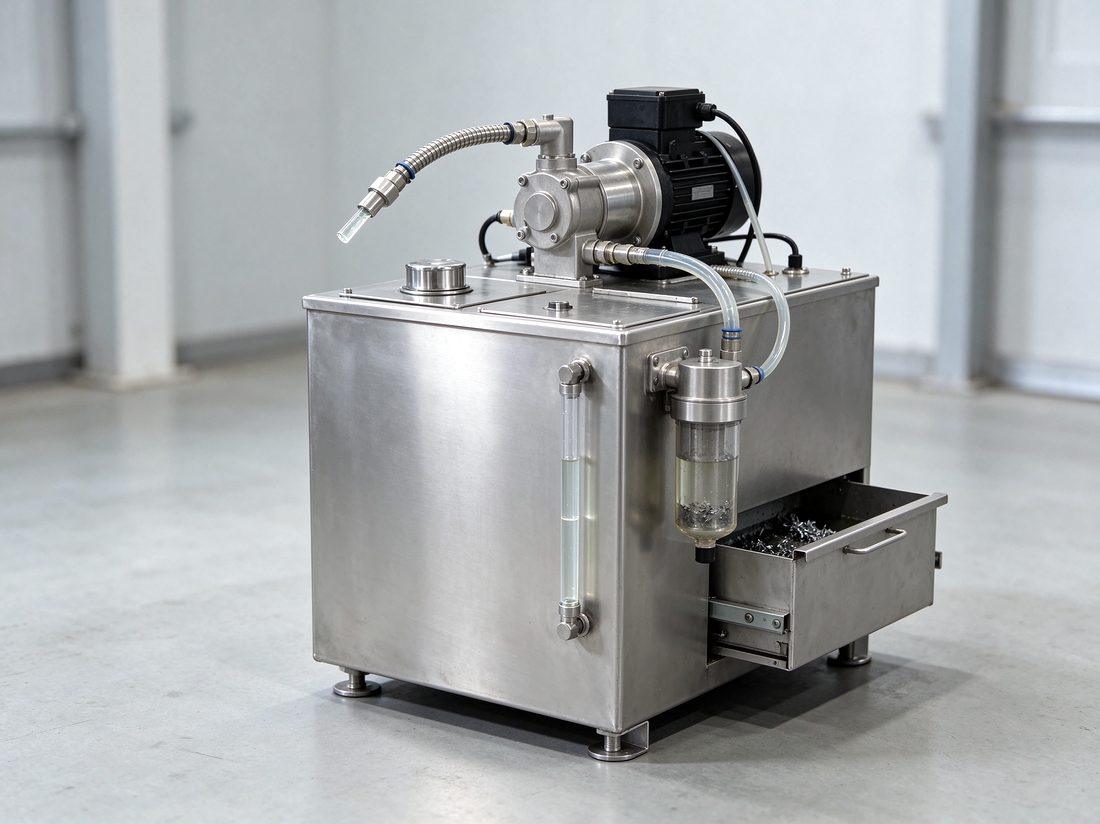
Everything else — nozzles, separators, chuck controllers, balancing stands — supports those three. All of it is dimensional rather than proprietary, so it fits other makes of surface grinder as well as ours.
Service questions arrive in two forms: what to do weekly so nothing fails, and what happens when something already has.
The cheapest diagnostic is a test cut recorded once a month: flatness and Ra on the same plate, logged. Drift shows up there weeks before it shows up in a reject rate.
Topics in this vocabulary point to a machine line rather than to a single offer, so the answer stays useful when the model range changes. For spare parts the closest line is surface grinder parts and accessories; the selection guide and the accuracy notes cover the neighbouring questions.
Figures are the catalogue specification for each model. Where a machine is built to order — larger tables, special voltages, extra coolant capacity — the final values are confirmed on the order drawing.
Surface grinding versus lapping compared on flatness, finish, material removal, heat and cost, and h...
Read more →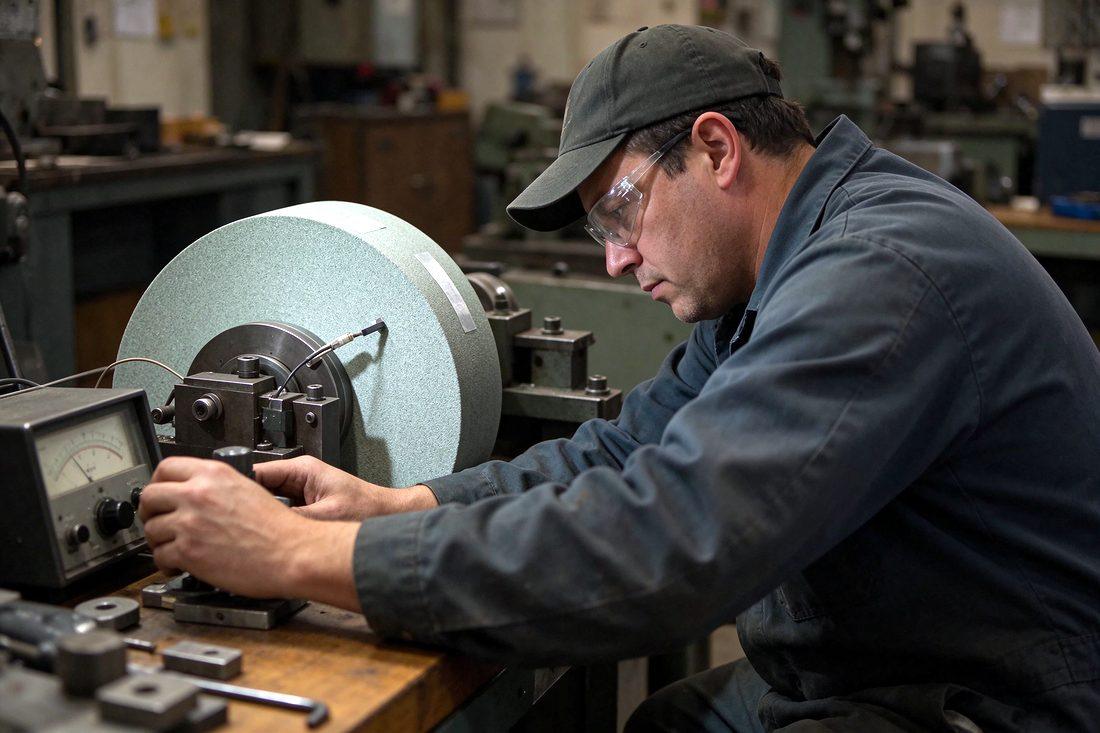
Static balancing a surface grinder wheel: the arbor method, how much imbalance is acceptable, why ma...
Read more →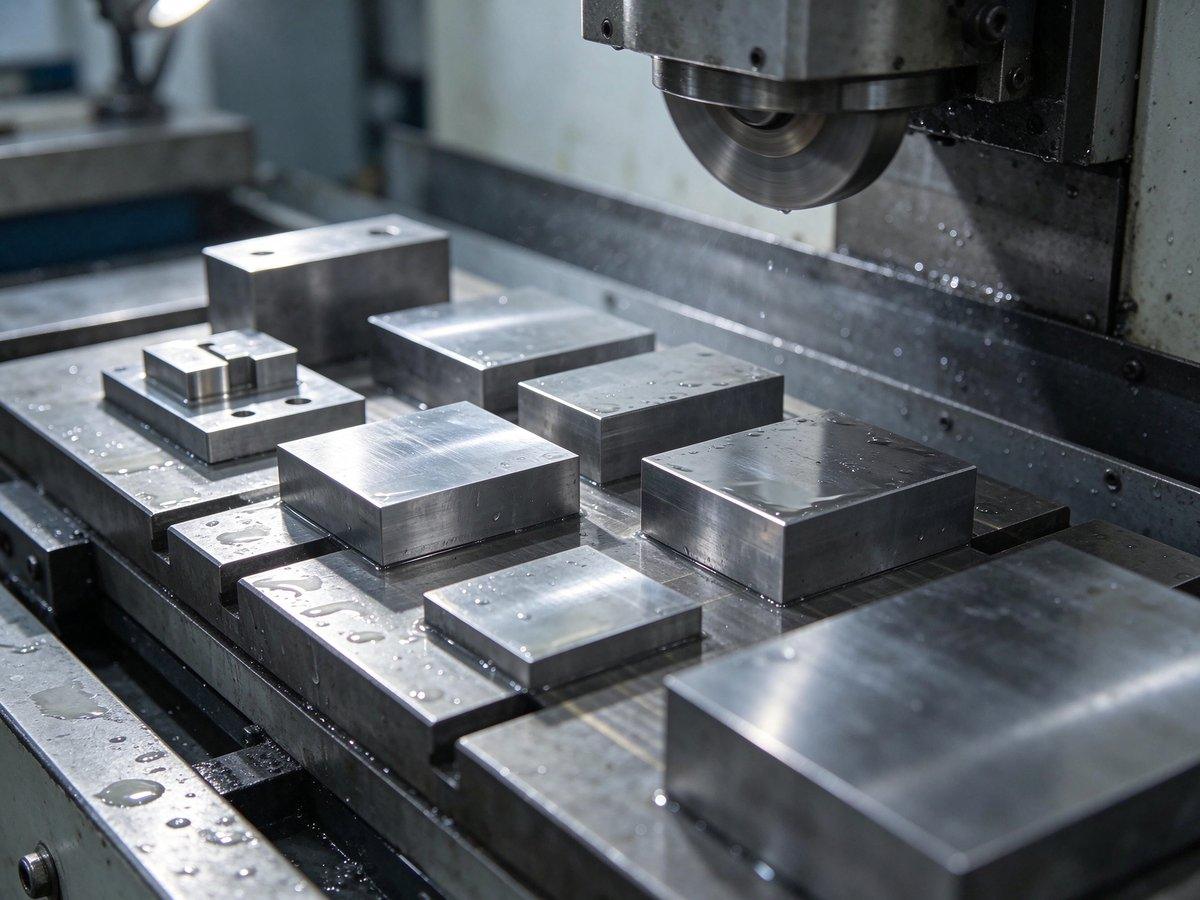
A Vietnamese mould shop replaced two worn manual grinders with a PSG-4080AH and a PSG-250AHR, cuttin...
Read more →Fifteen years from delivery for the mechanical wear parts, with the spindle and the hydraulic valve block supported for the same period.
On PLC and CNC machines, yes: the control logs the cycle and the axis behaviour, and support reads it directly. On hydraulic machines the test-cut record is the equivalent.
