
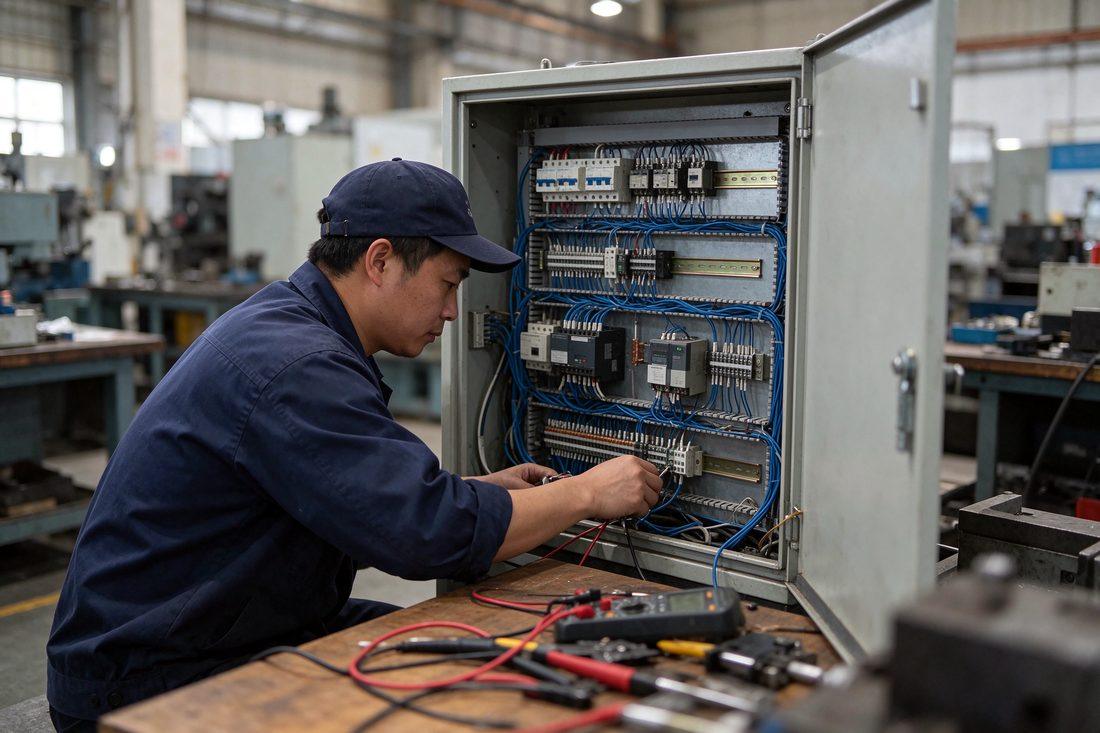
Hydraulic Troubleshooting on a Surface Grinder: Table Speed, Reversal and Creep
Slow table, hard reversal, drifting speed: the four symptoms that account for most hydraulic faults,...
Read more →Machines · topic notes
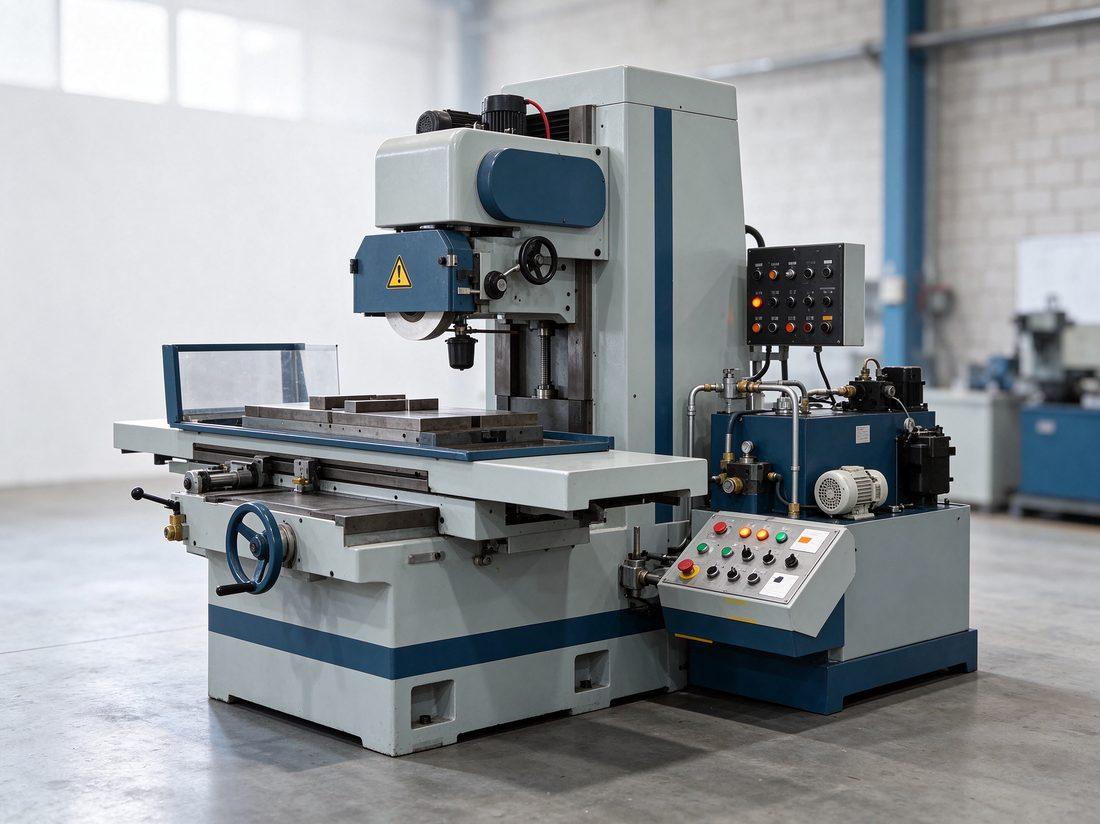
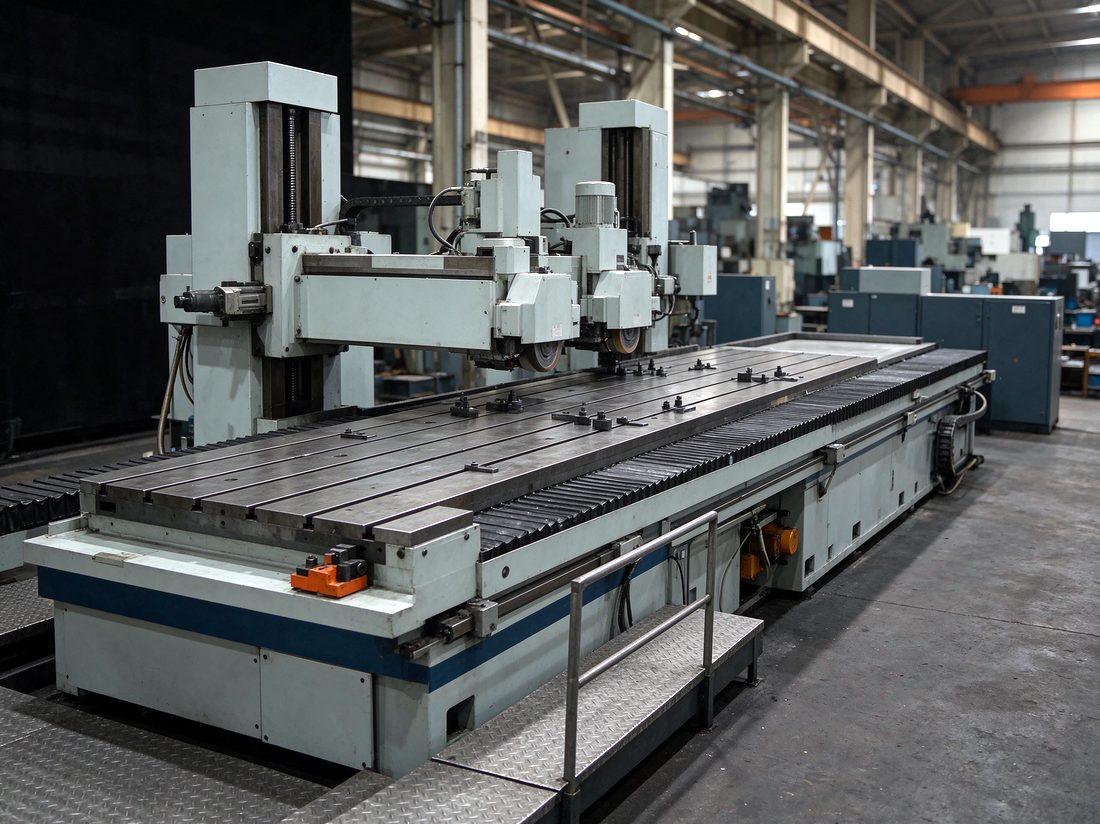
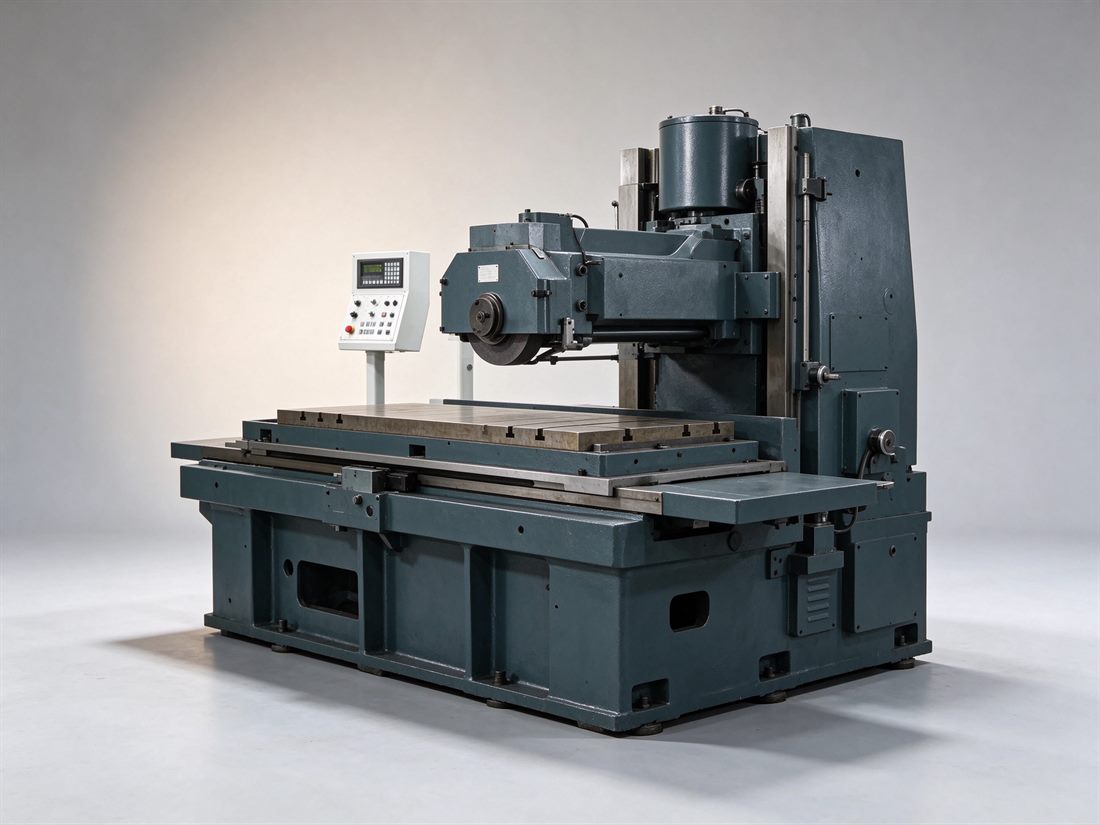
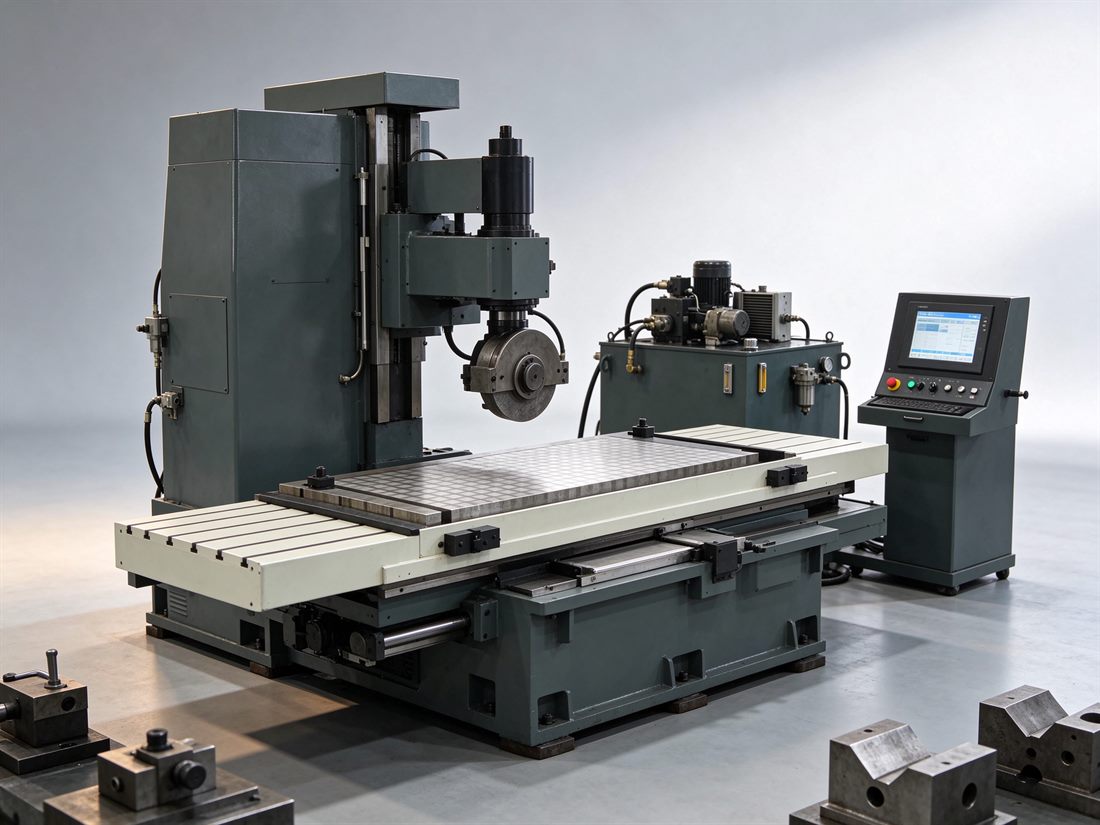
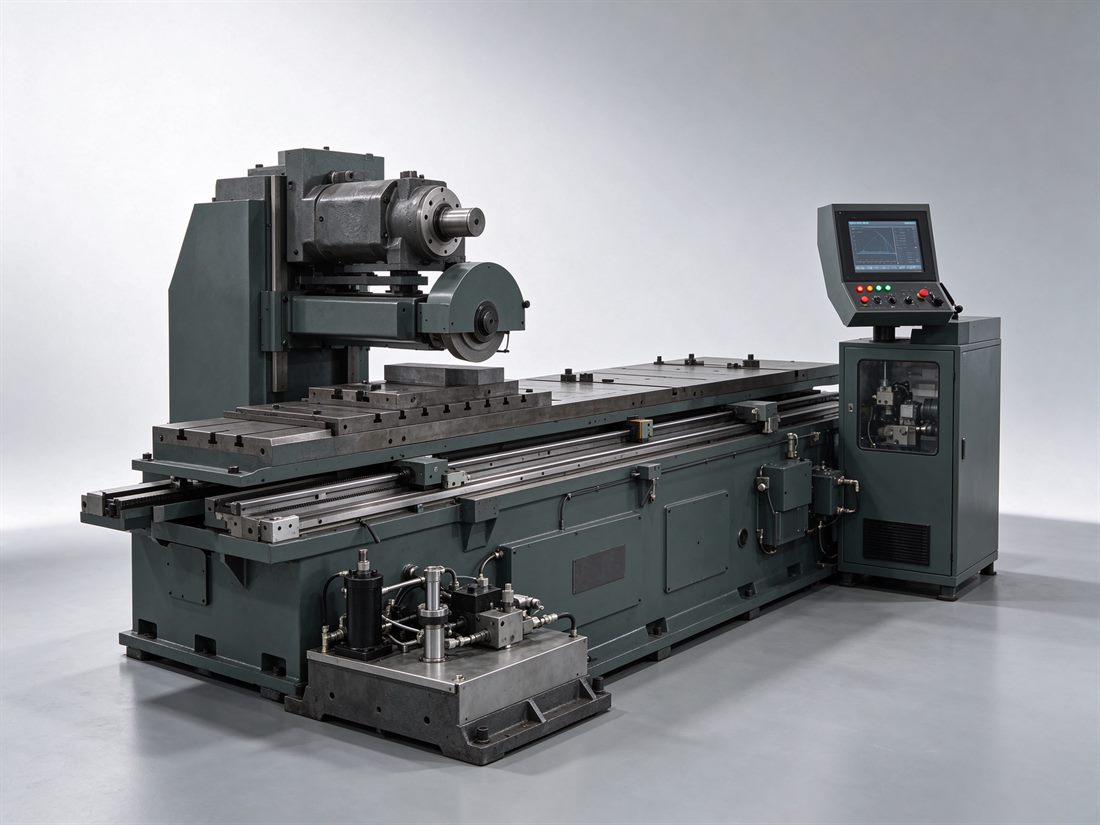
Hydraulic table drive with automatic cross and down feed for batch production. 12 models, 1 guide, 3 case studies filed under this topic.
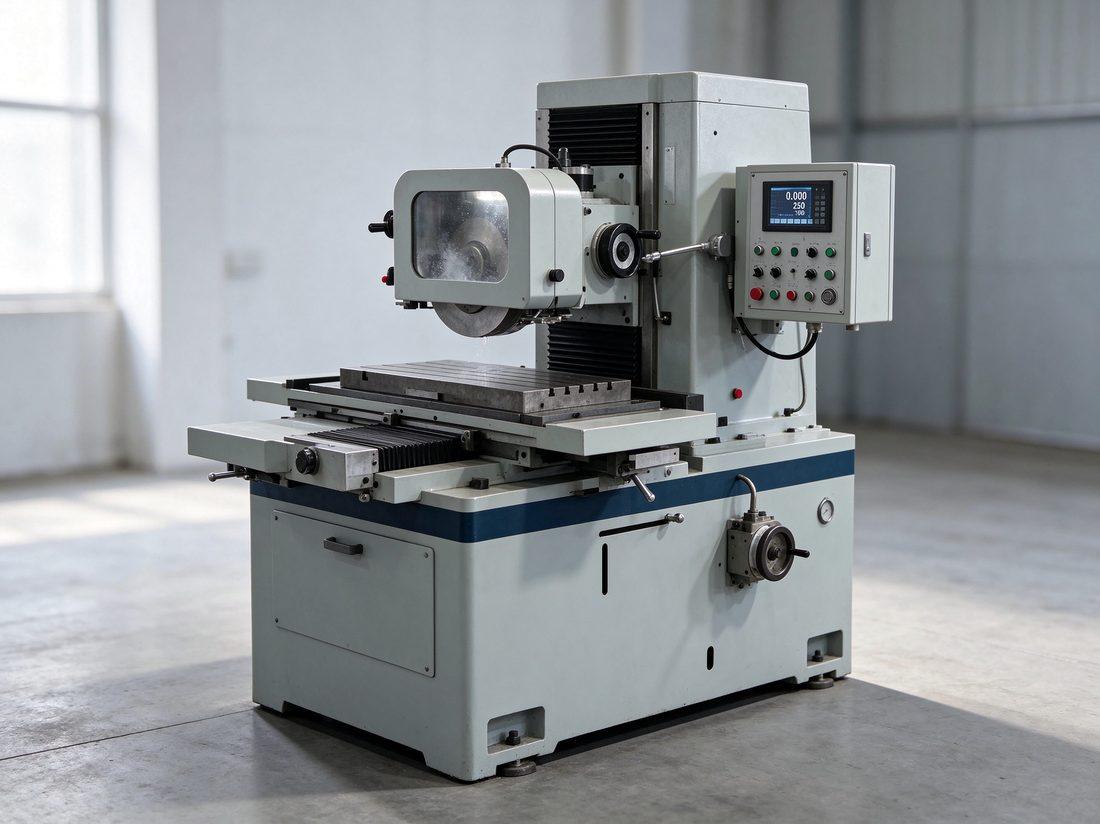
The control level — manual, hydraulic, PLC, CNC — changes who runs the machine and how repeatable the cycle is, not the geometry it can hold.
The comparison that decides it: take one real part, ask two machine types for the same tolerance, and compare the cycle time and the operator attention each needs.
Topics in this vocabulary point to a machine line rather than to a single offer, so the answer stays useful when the model range changes. For hydraulic drive the closest line is automatic precision surface grinders; the selection guide and the accuracy notes cover the neighbouring questions.
| Specification | PSG-250AH Automatic Hydraulic Surface Grinder (500 × 250 mm) | PSG-250AHR Automatic Hydraulic Surface Grinder with Rapid Approach | PSG-4080AH Hydraulic Surface Grinder (800 × 400 mm) | PSG-5010AH Hydraulic Surface Grinder (1000 × 500 mm) | PSG-6015AHD Hydraulic Surface Grinder (1500 × 600 mm) | PSG-7015AHR Hydraulic Surface Grinder (1500 × 700 mm) | PSG-7020AHD Hydraulic Surface Grinder (2000 × 700 mm) | PSG-9030AHD Hydraulic Surface Grinder (3000 × 900 mm) |
|---|---|---|---|---|---|---|---|---|
| Table size | 500 × 250 mm | 500 × 250 mm | 800 × 400 mm | 1000 × 500 mm | 1500 × 600 mm | 1500 × 700 mm | 2000 × 700 mm | 3000 × 900 mm |
| Max grinding length | 600 mm | 600 mm | 900 mm | 1,100 mm | 1,600 mm | 1,600 mm | 2,100 mm | 3,100 mm |
| Max grinding width | 250 mm | 250 mm | 400 mm | 500 mm | 600 mm | 700 mm | 700 mm | 900 mm |
| Grinding wheel | 200 × 20 × 50.8 mm | 200 × 20 × 50.8 mm | 350 × 40 × 127 mm | 400 × 50 × 203 mm | 400 × 50 × 203 mm | 400 × 50 × 203 mm | 400 × 50 × 203 mm | 400 × 50 × 203 mm (500 mm optional) |
| Spindle motor | 1.5 kW | 1.5 kW | 5.5 kW | 7.5 kW | 11 kW | 11 kW | 15 kW | 22 kW |
| Table speed | 3–20 m/min hydraulic | 3–20 m/min hydraulic | 3–25 m/min hydraulic | 3–25 m/min hydraulic | 5–25 m/min hydraulic | — | 5–25 m/min hydraulic | 5–20 m/min hydraulic |
| Down feed | 0.005 / 0.01 / 0.02 mm, automatic | Coarse / fine two-stage, automatic | 0.005–0.05 mm, automatic | Automatic, 0.005–0.05 mm | Digital, 0.001 mm resolution | — | — | — |
| Machine weight | 1,200 kg | 1,300 kg | 3,200 kg | 5,200 kg | 8,500 kg | 9,200 kg | 12,500 kg | 22,000 kg |
Figures are the catalogue specification for each model. Where a machine is built to order — larger tables, special voltages, extra coolant capacity — the final values are confirmed on the order drawing.
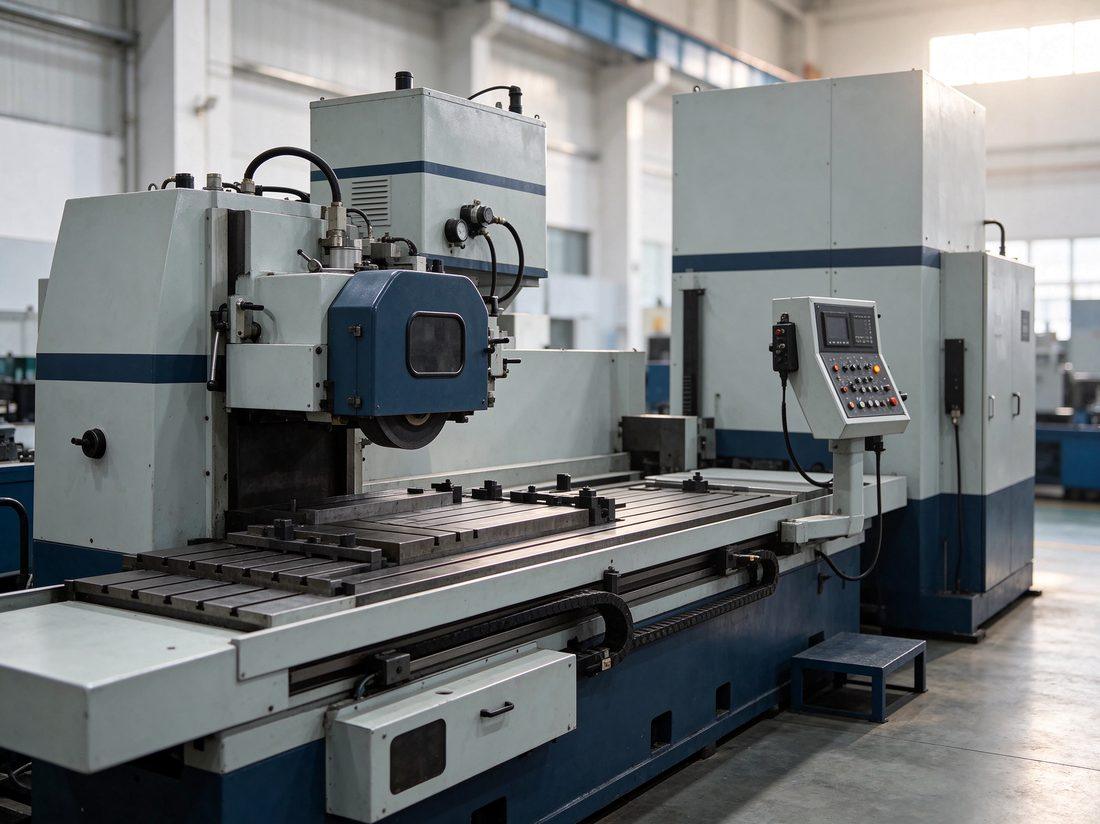
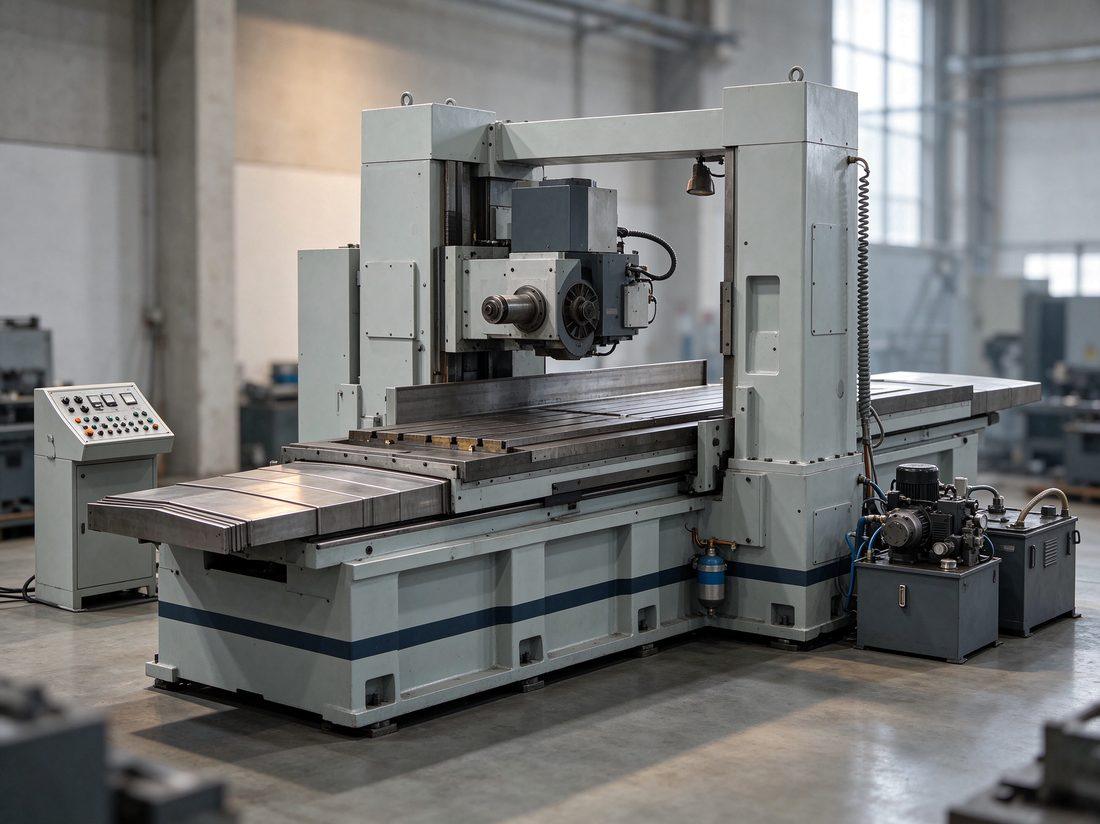
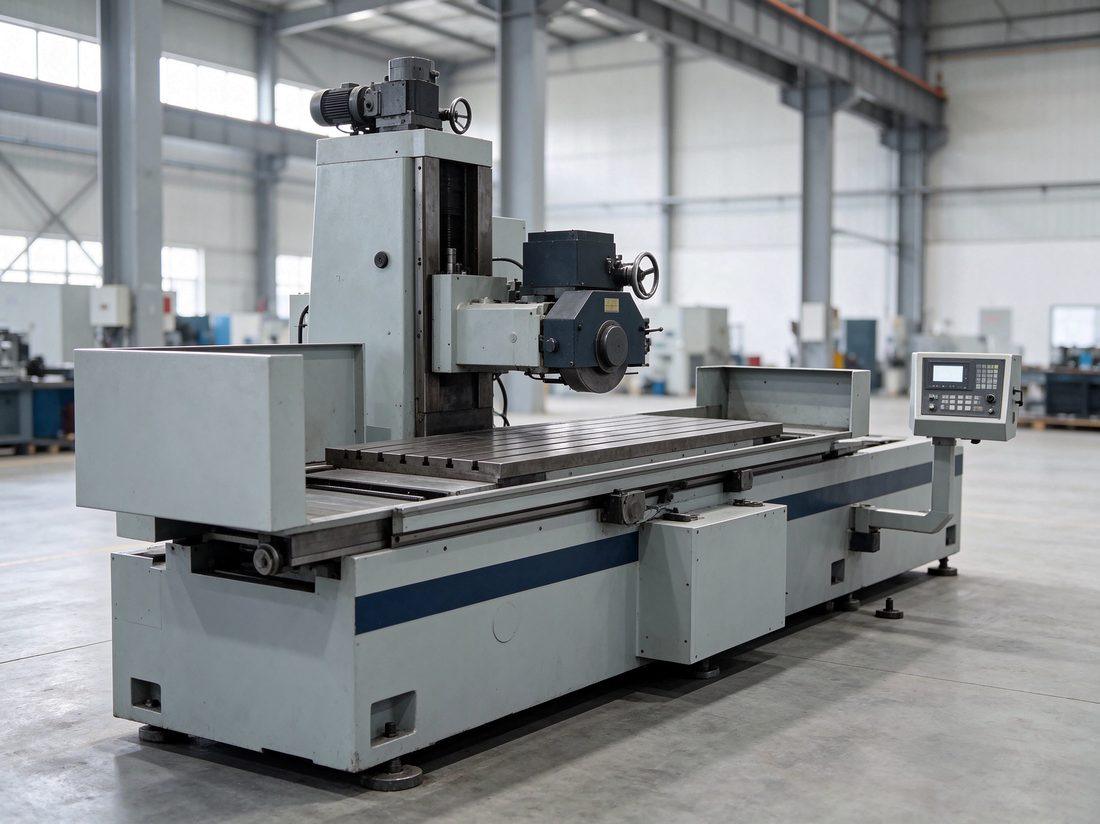
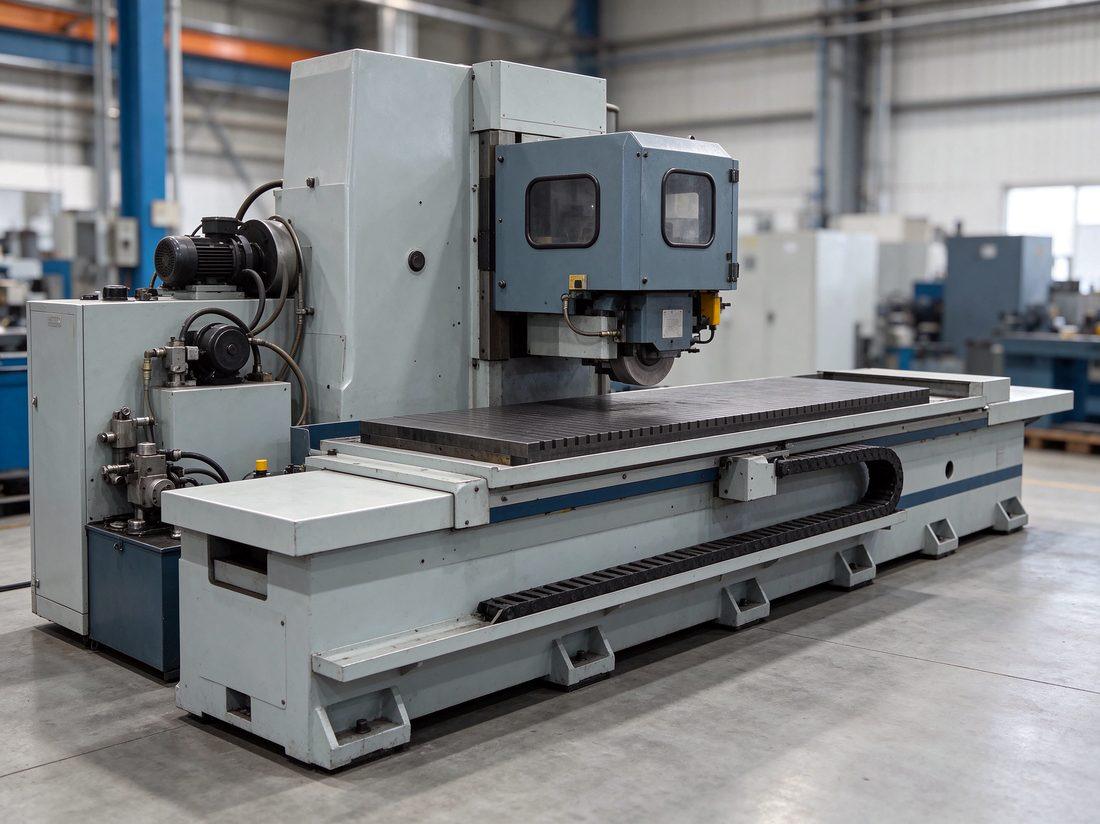
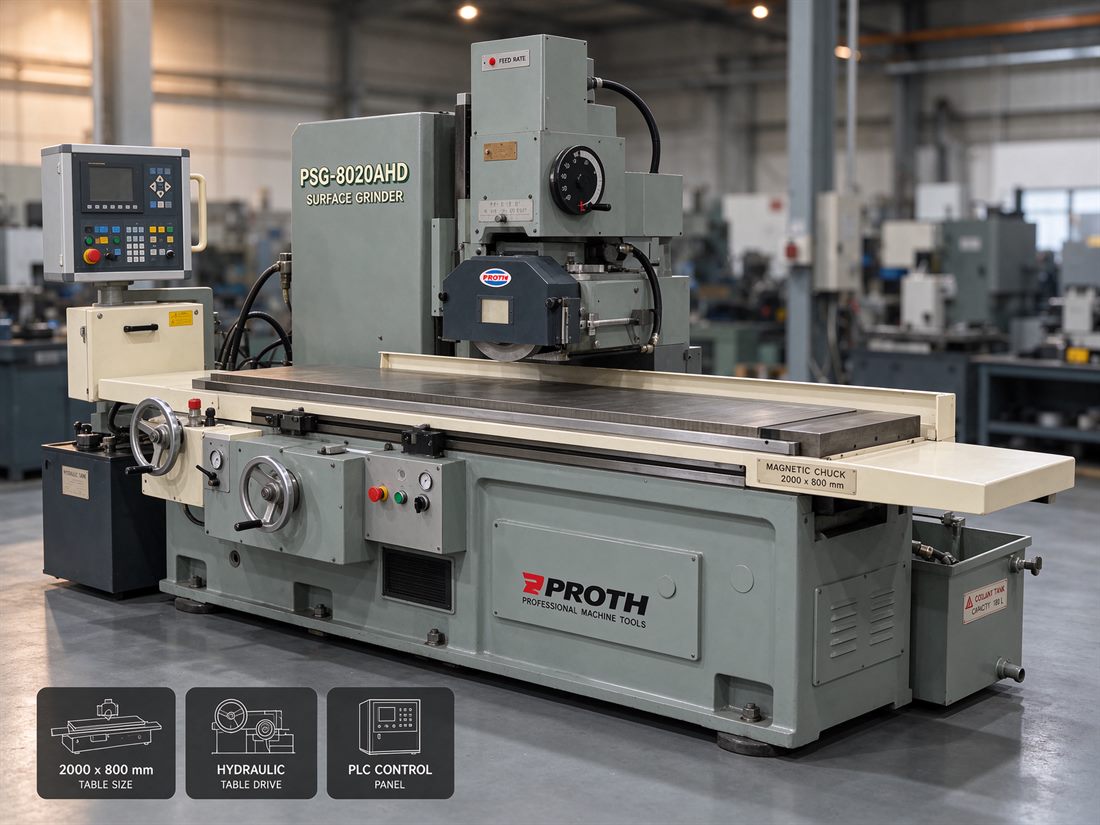
Slow table, hard reversal, drifting speed: the four symptoms that account for most hydraulic faults,...
Read more →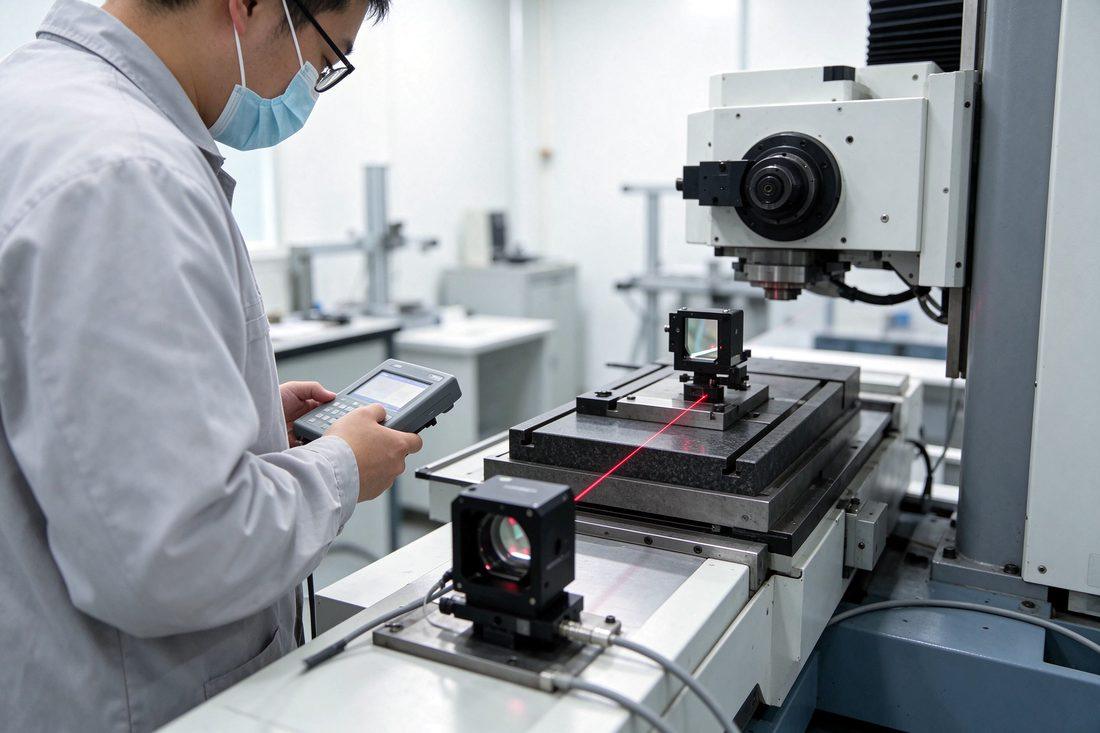
Surface grinding versus lapping compared on flatness, finish, material removal, heat and cost, and h...
Read more →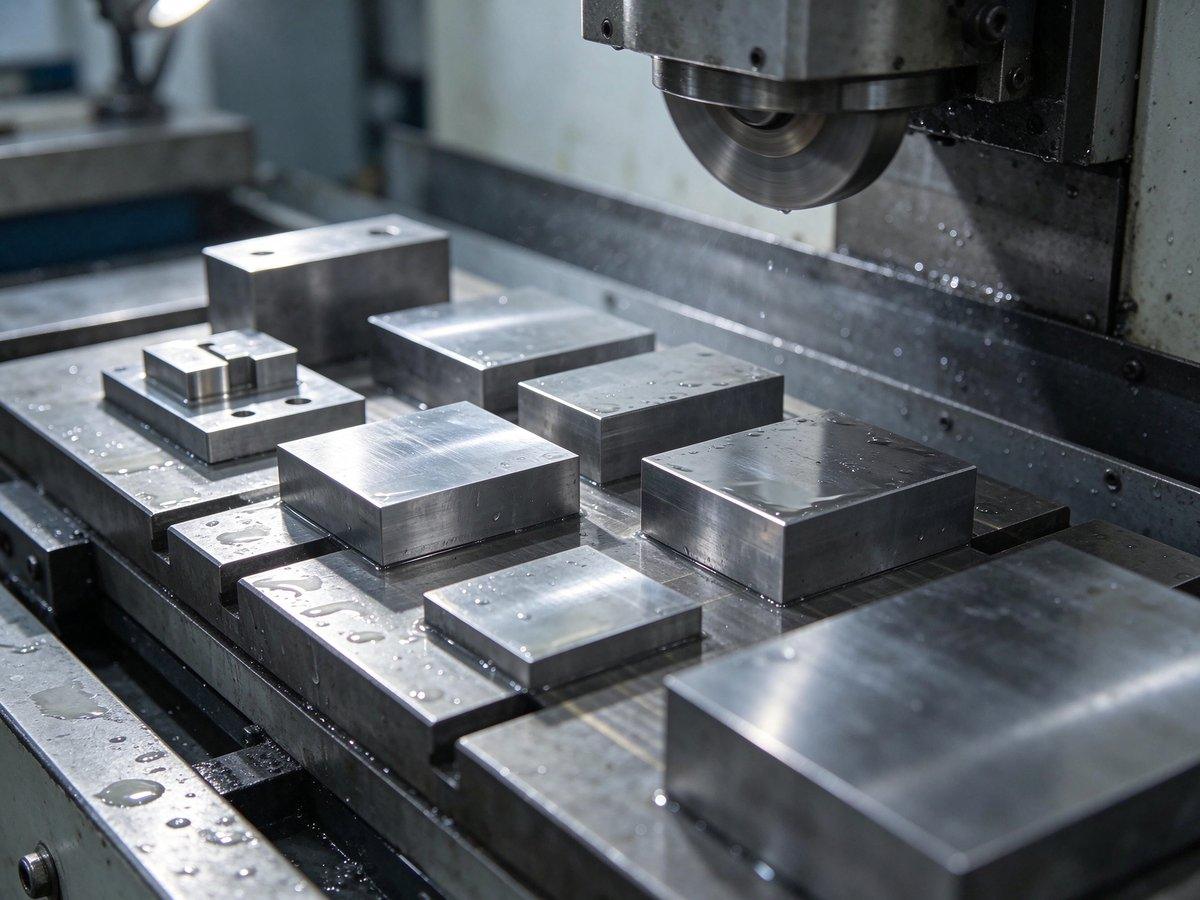
A Vietnamese mould shop replaced two worn manual grinders with a PSG-4080AH and a PSG-250AHR, cuttin...
Read more →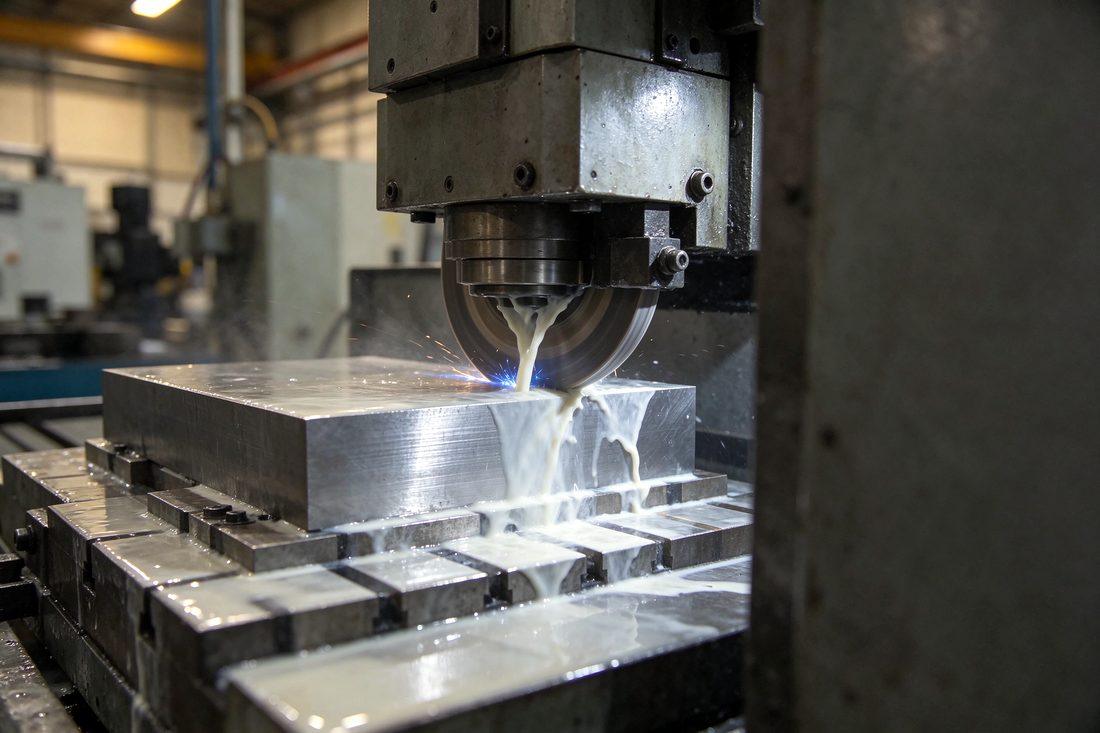
An Indonesian mould shop grinding 600 × 400 mm ejector plates cut plate-to-plate variation from 0.03...
Read more →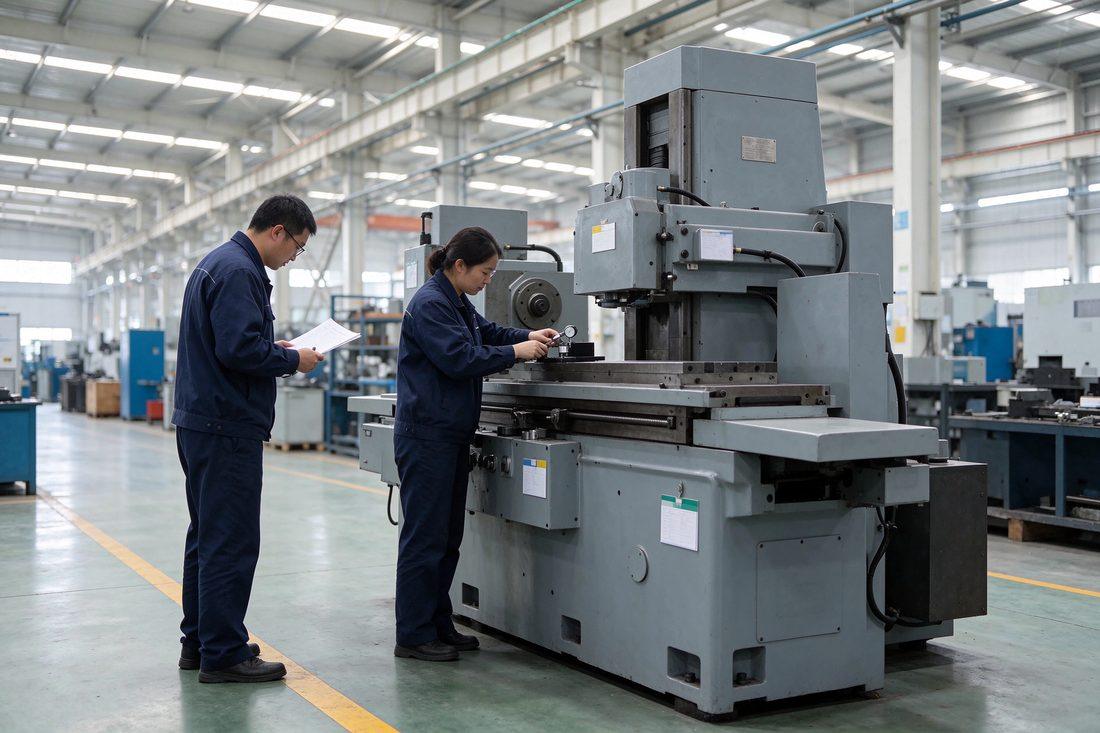
A Saudi metal fabricator grinding 2 m shear blades and slitter knives brought blade re-sharpening in...
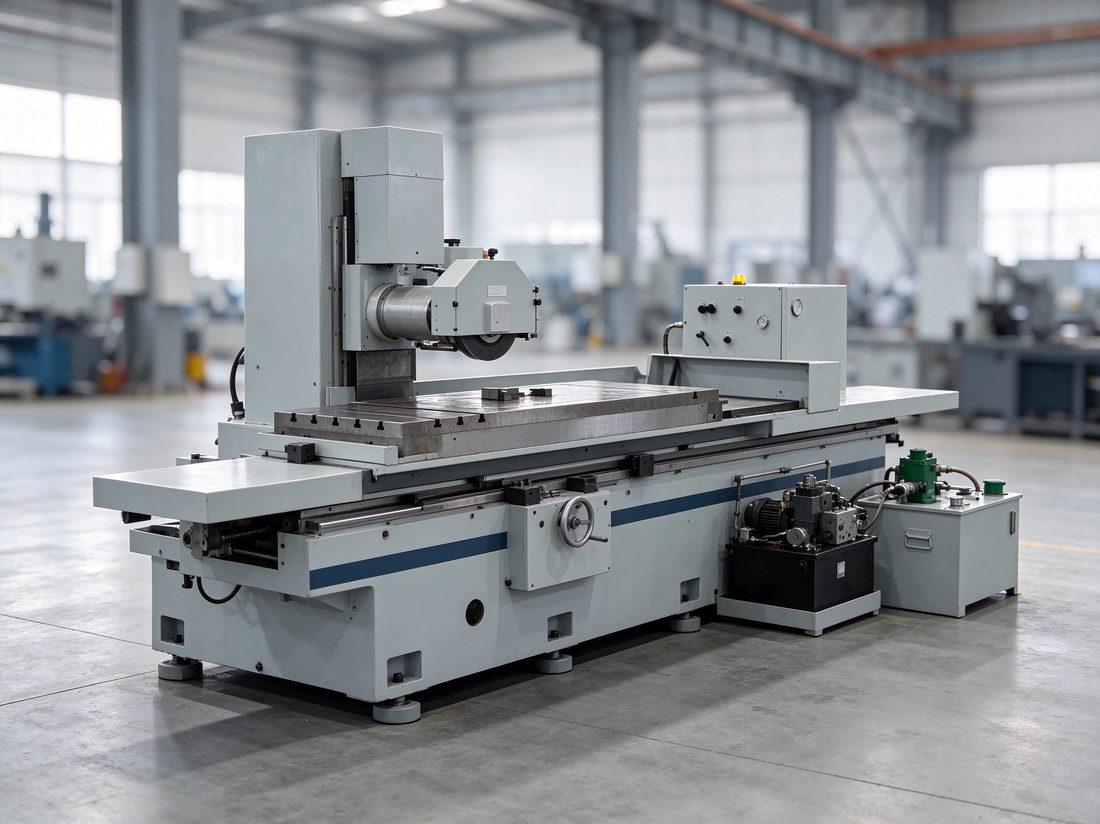
Read more →A 618 or 4080 hydraulic machine covers most die and mould work; add a PLC machine when the same job repeats and the operator becomes the variable.
It holds flatness well over large areas because the contact is an area rather than a line, but it cannot hold a sharp form the way a horizontal machine can.
