Plate flattening before welding at a UAE steel fabricator
A Sharjah fabricator was welding on plate that had been flattened by flame straightening. A gantry grind before welding cut distortion and rework.
Case at a Glance
The situation
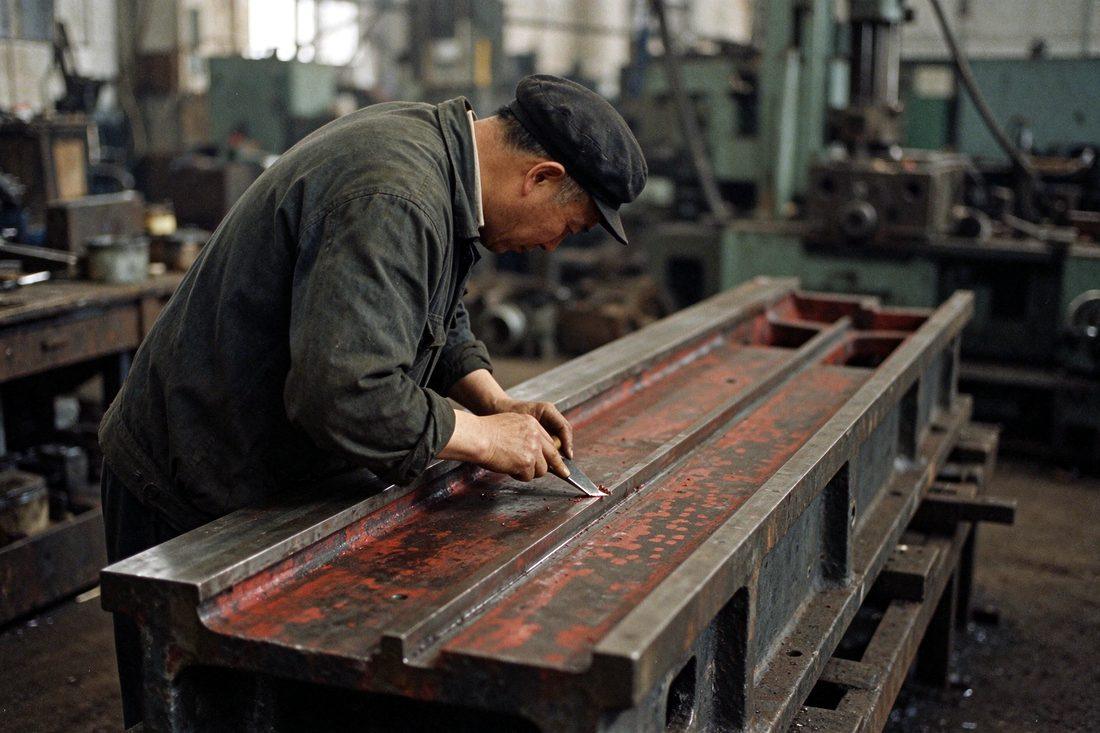
A steel fabricator in Sharjah builds skid-mounted equipment and structural frames from 12–25 mm plate. Plate arrives from the mill with residual stress, gets cut, and is then flame-straightened to remove bow. Welding on top of that heat-affected surface produced distortion in the finished assembly, and roughly a third of the frames needed post-weld correction — sometimes on-site, which is the expensive version.
What we specified
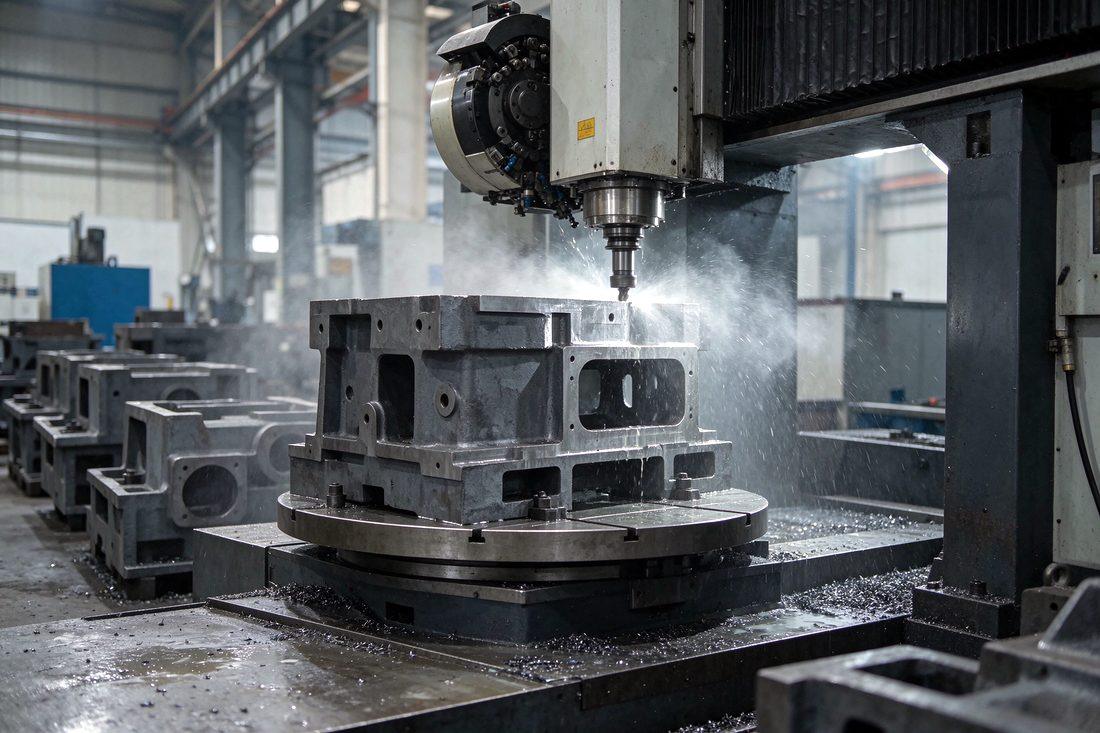
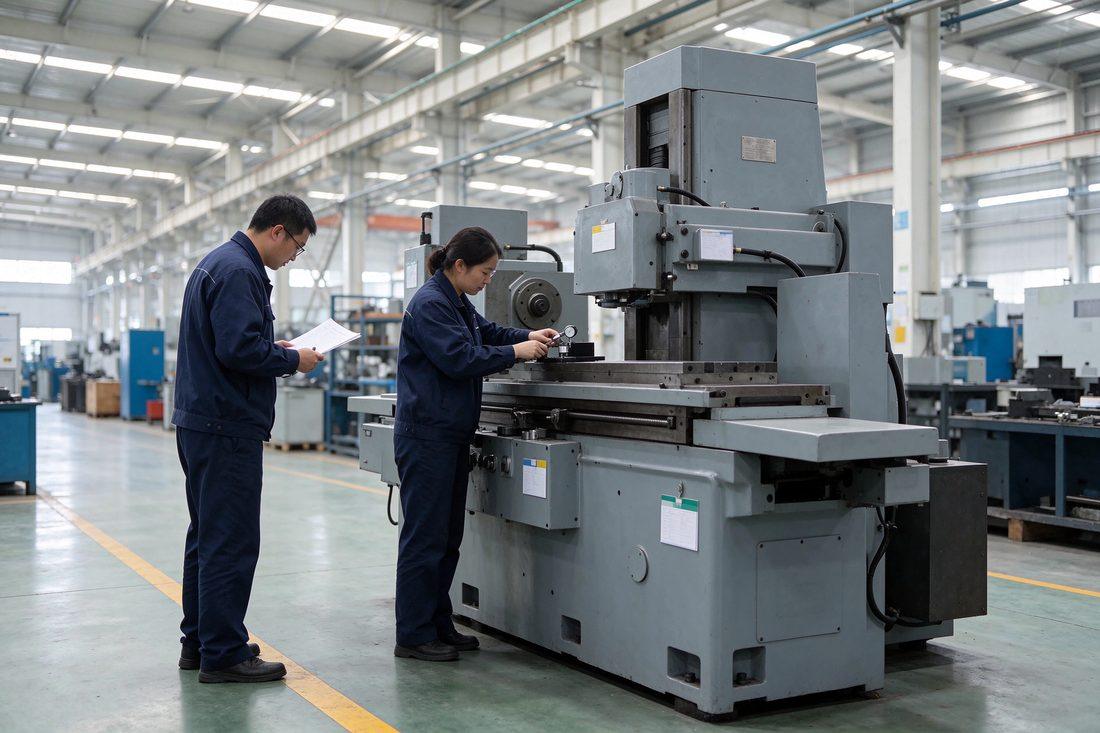
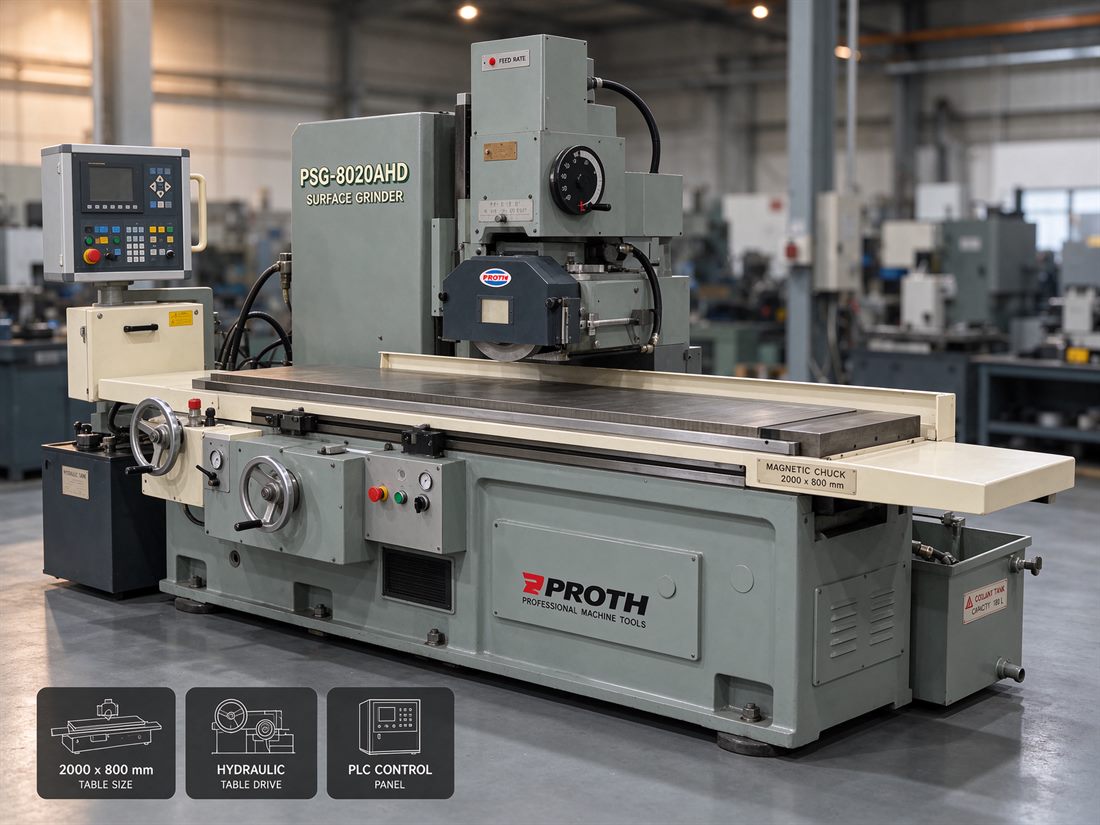
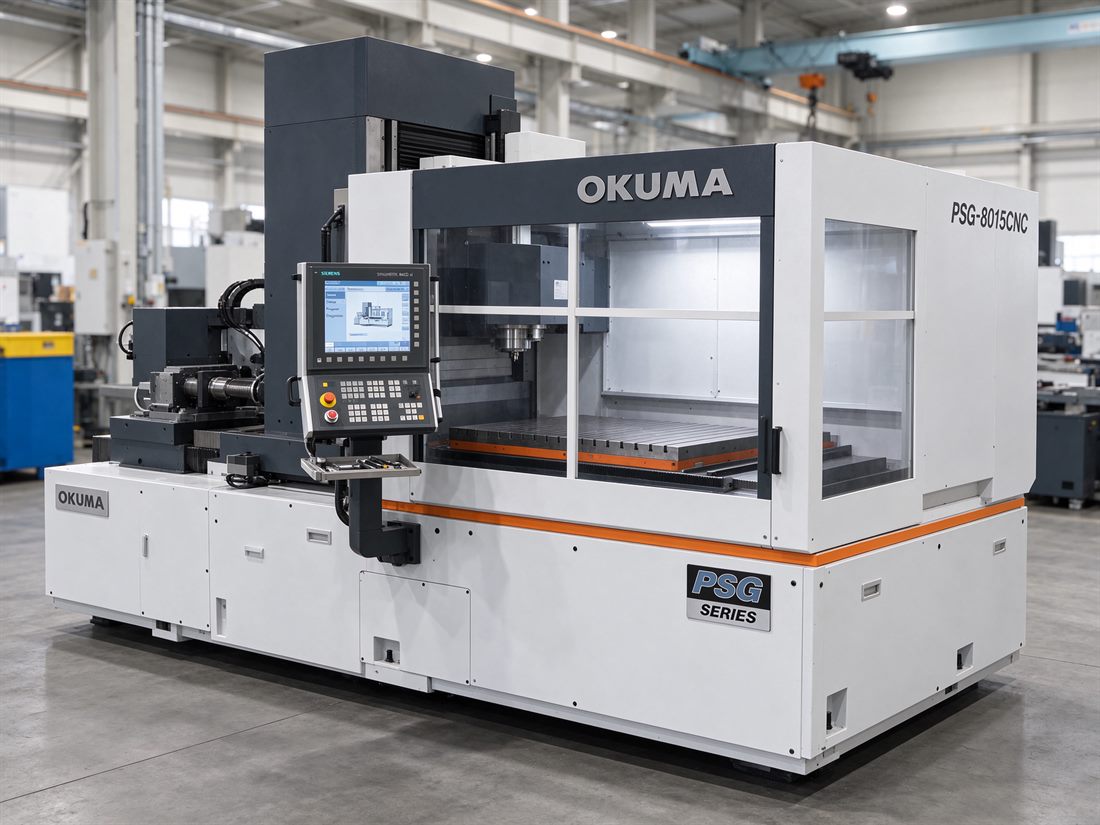
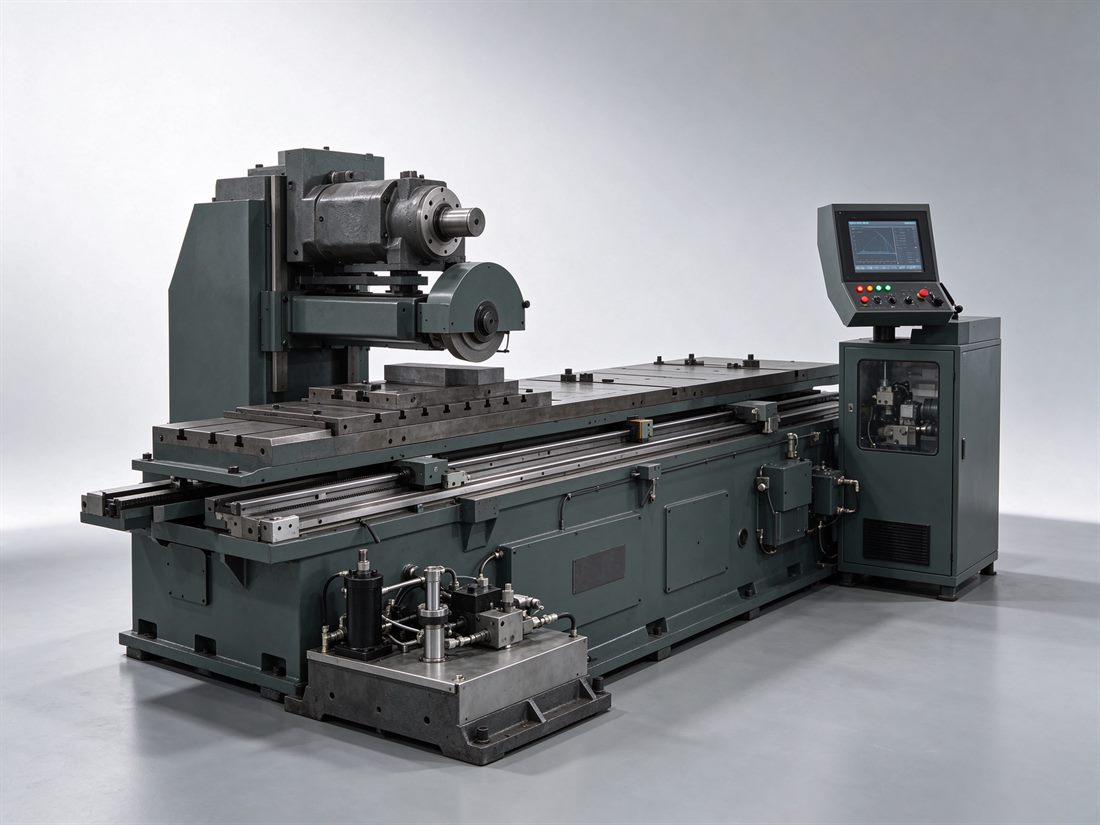
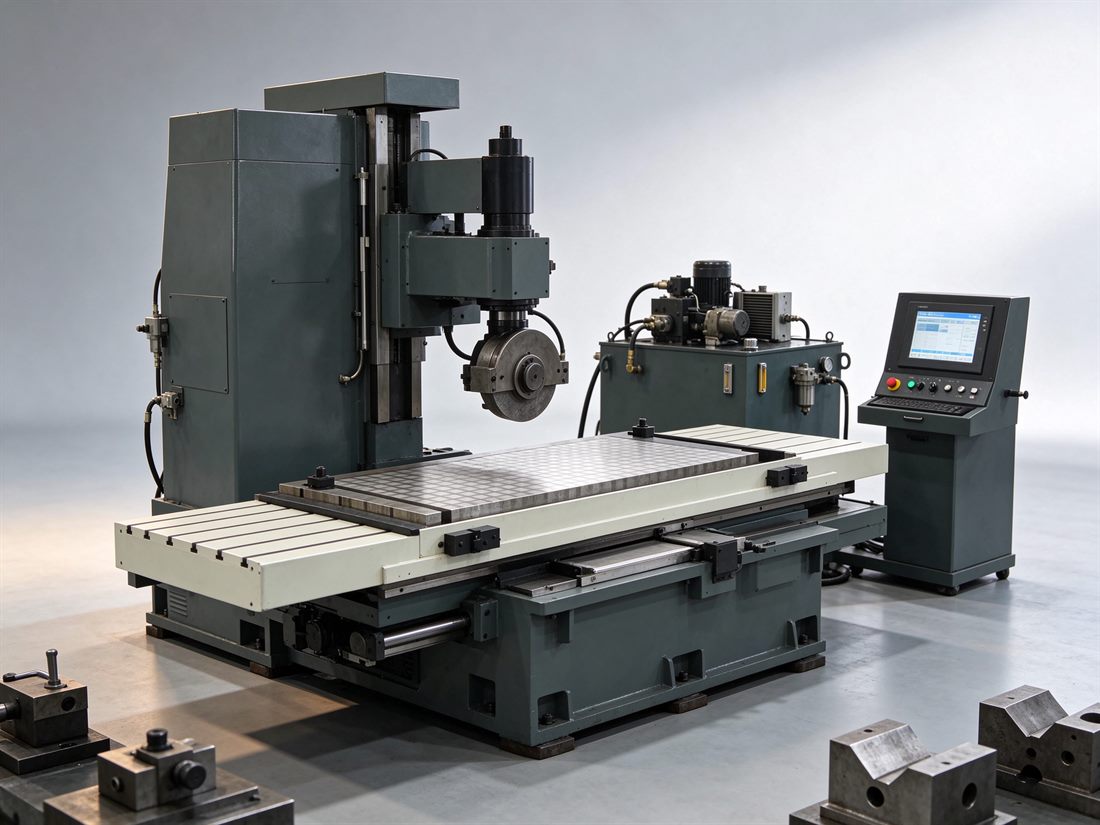
A PSG-20100GM double-column gantry with a 2000 × 1000 mm table: grind a 0.15–0.25 mm skin off the weld side after flame straightening, so the welding arc starts on clean, flat, stress-relieved metal instead of on an oxide layer and a bowed surface. The gantry format was chosen for clearance rather than for size — 800 mm of spindle-centre-to-table distance lets a frame with stiffeners already in place sit on the table.
Result
Frames needing post-weld correction dropped from about one in three to under one in ten across the first two quarters. The shop also stopped buying pre-ground plate: the gantry does in 40 minutes what the plate supplier charged a premium and a week of lead time for.
The detail that mattered most
Coolant. Grinding a 2 m plate in an open fabrication bay without coolant extraction fills the bay with mist and the operator with a reason to take shallower passes. We specified a coolant-through nozzle and a mist extraction hood on the wheelhead, and the shop reports that the passes now actually happen at the depth the process was written for.