Grinding Carbide and Ceramics with Diamond Wheels
Diamond needs a different wheel bond, a different coolant and a different pressure — and a machine that can hold it.
Three bonds, three behaviours
Diamond wheels come in resin, vitrified and metal bonds and they behave like different tools. Resin bond is soft and free-cutting: it suits carbide and gives a fine finish, but it wears and cannot hold a tight form. Vitrified bond is rigid and free-cutting, holds form well, and is what you want for ceramics and for profile work. Metal bond is the toughest and is normally used on a CNC machine with continuous dressing, because it does not self-sharpen.
| Bond | Work | Form holding | Typical finish |
|---|---|---|---|
| Resin | Carbide, PCD, CBN inserts | Fair | Ra 0.1–0.2 µm |
| Vitrified | Ceramics, carbide profiles | Good | Ra 0.2–0.4 µm |
| Metal | Production carbide, CNC with dressing | Best | Ra 0.15–0.3 µm |
Coolant: the rule that matters most
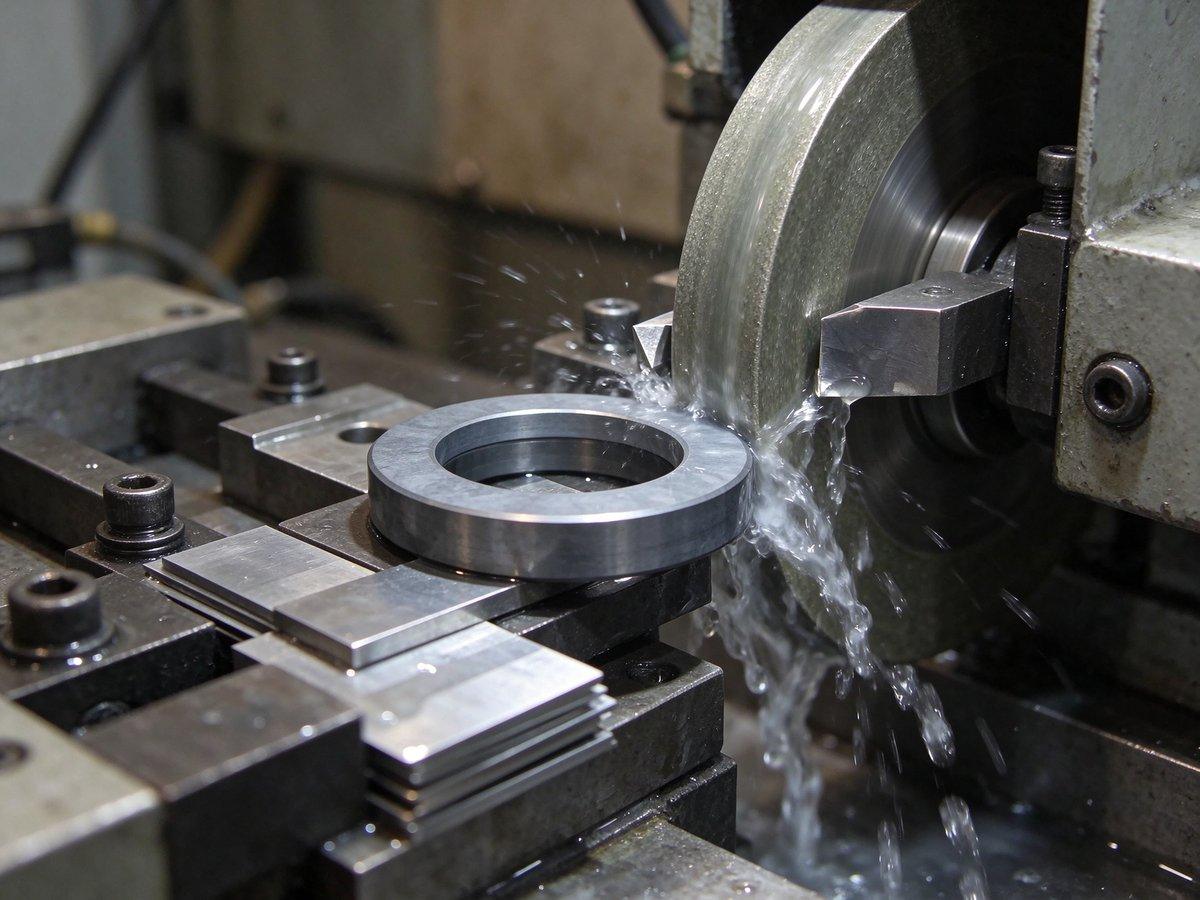
Diamond wears by graphitisation above roughly 700 °C at the contact point, and that temperature appears instantly when the coolant does not reach the cut. Use a straight or high-concentration synthetic coolant with good wetting, direct it at the contact zone from the leading side, and keep the flow high rather than intermittent. Grinding carbide dry with a diamond wheel is the fastest way to destroy the wheel and the work.
Pressure and depth
Diamond is hard but brittle as an abrasive, so the pass strategy is light and consistent: 0.01–0.03 mm per pass with a spark-out at the end. Forcing 0.1 mm passes on carbide produces micro-cracking under the surface that appears later as edge chipping — the part looks fine and fails in service.
What the machine must do
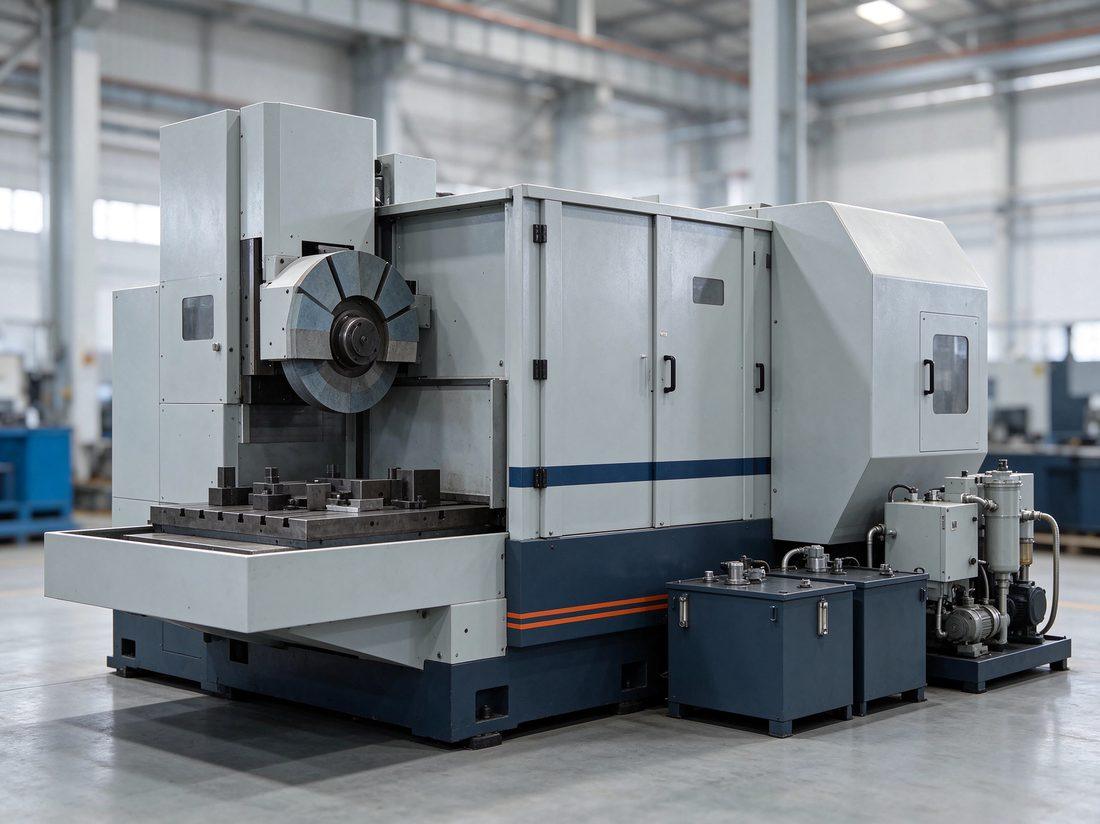
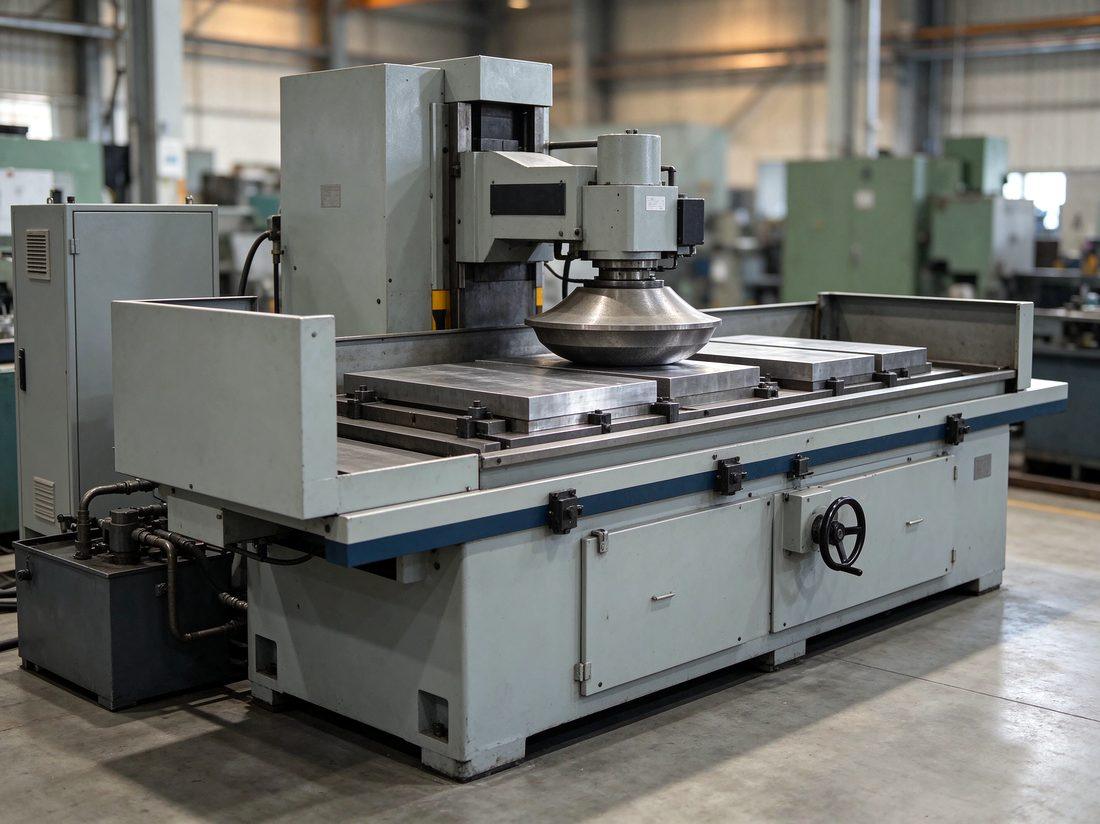
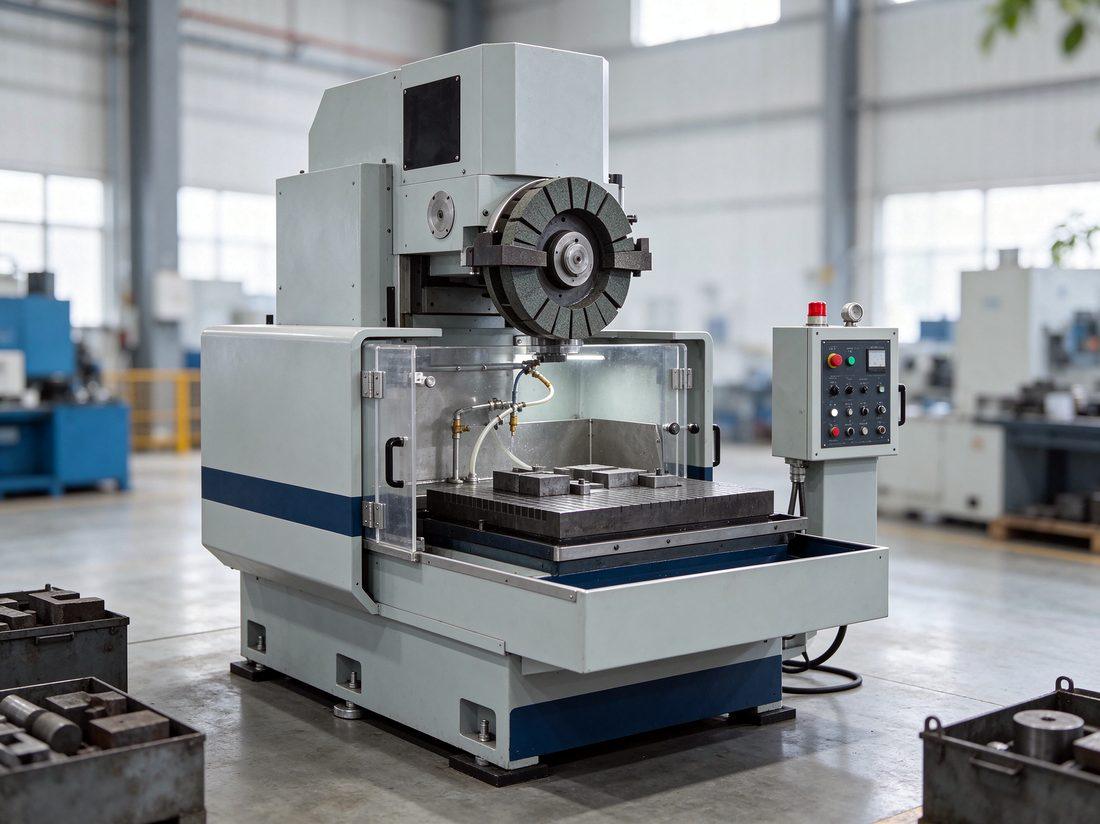
A diamond wheel needs a machine with low runout and a stiff wheelhead, because the wheel cannot absorb vibration. Runout above 5 µm shows up as a wavy finish on carbide almost immediately. Check the arbor and the flange as carefully as the wheel, and balance the wheel whenever it is mounted.
Dressing diamond wheels
Resin and vitrified diamond wheels are dressed with a silicon-carbide stick or an alumina stick, not with a diamond dresser — a diamond dresser will strip the wheel. Light, frequent dressing keeps the wheel open; heavy infrequent dressing glazes the bond and the wheel stops cutting. For metal-bond wheels, dress with a soft steel or alumina block, or use the machine's in-process dressing if it has one.
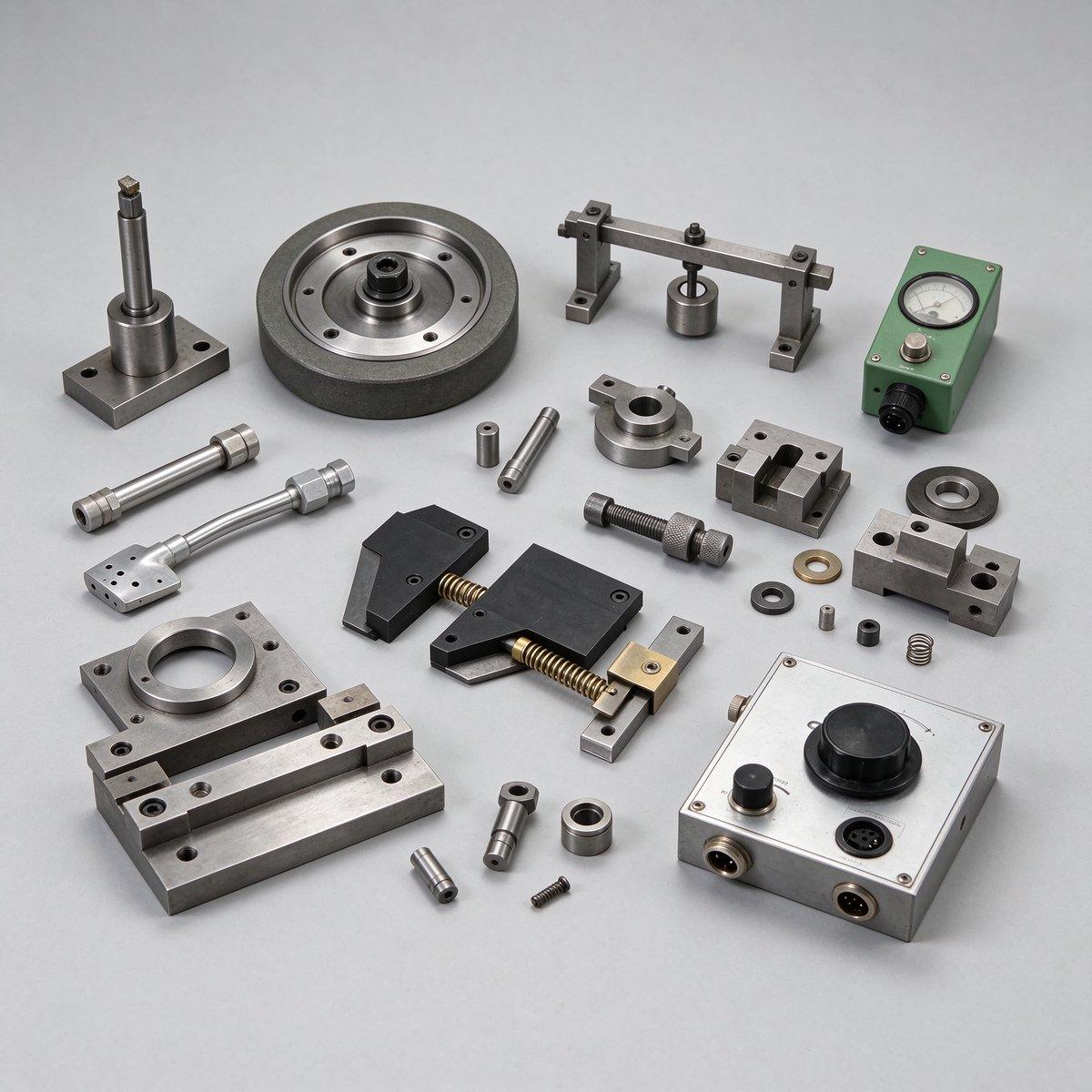
Diamond and CBN wheels are available in the sizes used by every machine we ship — see wheels and accessories, or ask our engineers for a grade recommendation.