What Actually Moves the Price of a Surface Grinder
Table size, control class, spindle and chuck: which options add cost, which add value, and where a quotation stops being comparable.
Four things set the price
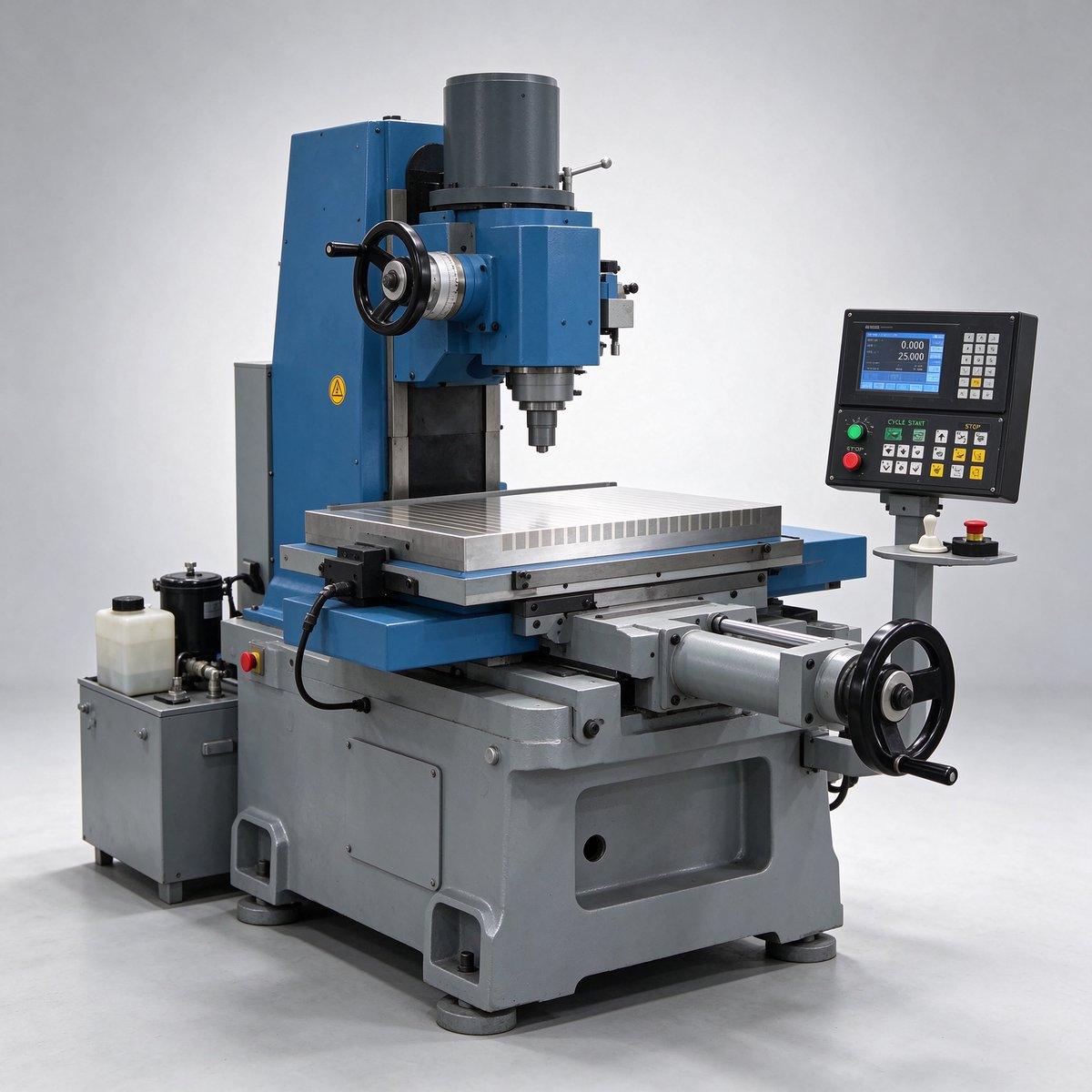
A surface grinder quotation is driven by table size, control class, spindle power and the accessories bundled with it. Everything else — paint, guarding, the shape of the handwheels — is noise. If you are comparing three quotes and the numbers are far apart, the difference is almost always sitting in one of those four, and usually in a line the quote does not spell out.
1. Table size: length first, width second
Length is cheap, width is expensive. Going from a 600 × 300 mm table to a 1000 × 300 mm table adds travel and a longer bed; going from 1000 × 300 to 1000 × 500 adds mass, a bigger wheelhead, a heavier column and a much larger chuck. In our own range the width step roughly doubles the machine price, while the length step adds about 25%.
The rule that follows: buy length for the part you will have next year, and buy width for the part you have now. The table-size guide works through the arithmetic.
2. Control class: manual, hydraulic, PLC, CNC
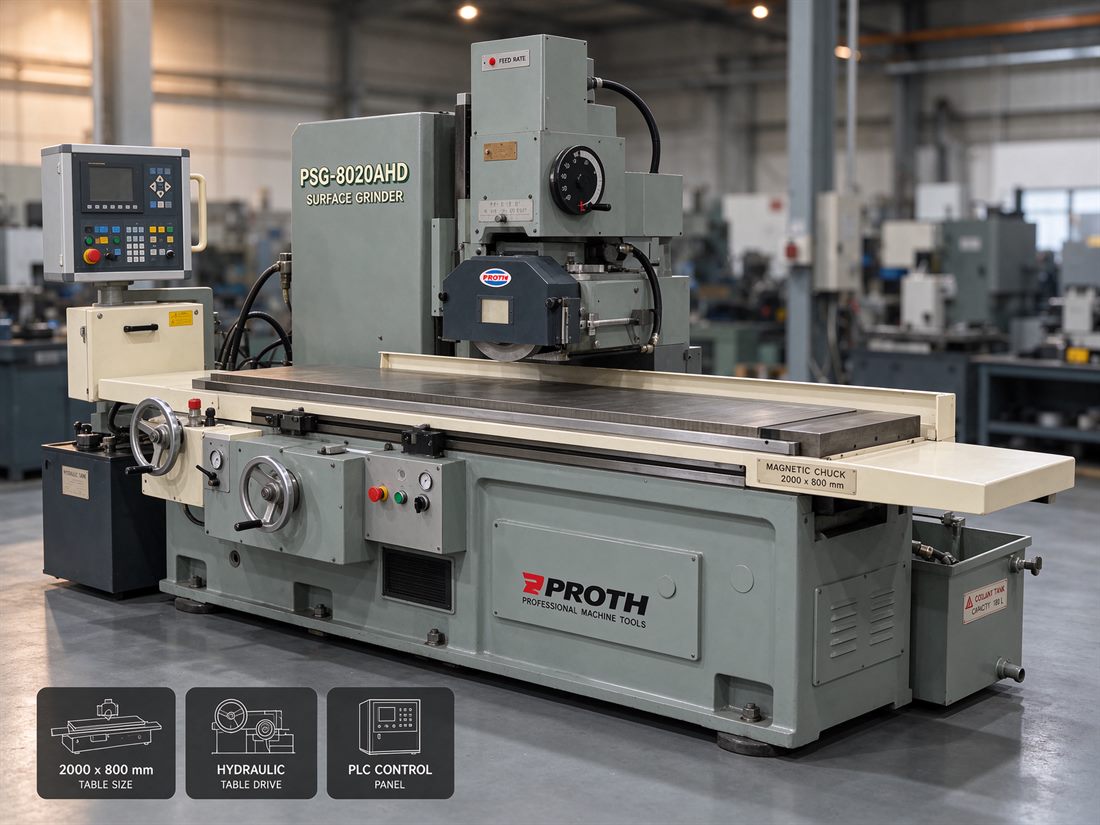
This is the biggest single lever. A manual machine and a CNC machine with the same table can differ by a factor of six. What you pay for going up the ladder is not motor power but repeatability: a hydraulic machine automates the table, a PLC automates the cycle, and a CNC automates the geometry.
| Class | What it automates | Where the money goes |
|---|---|---|
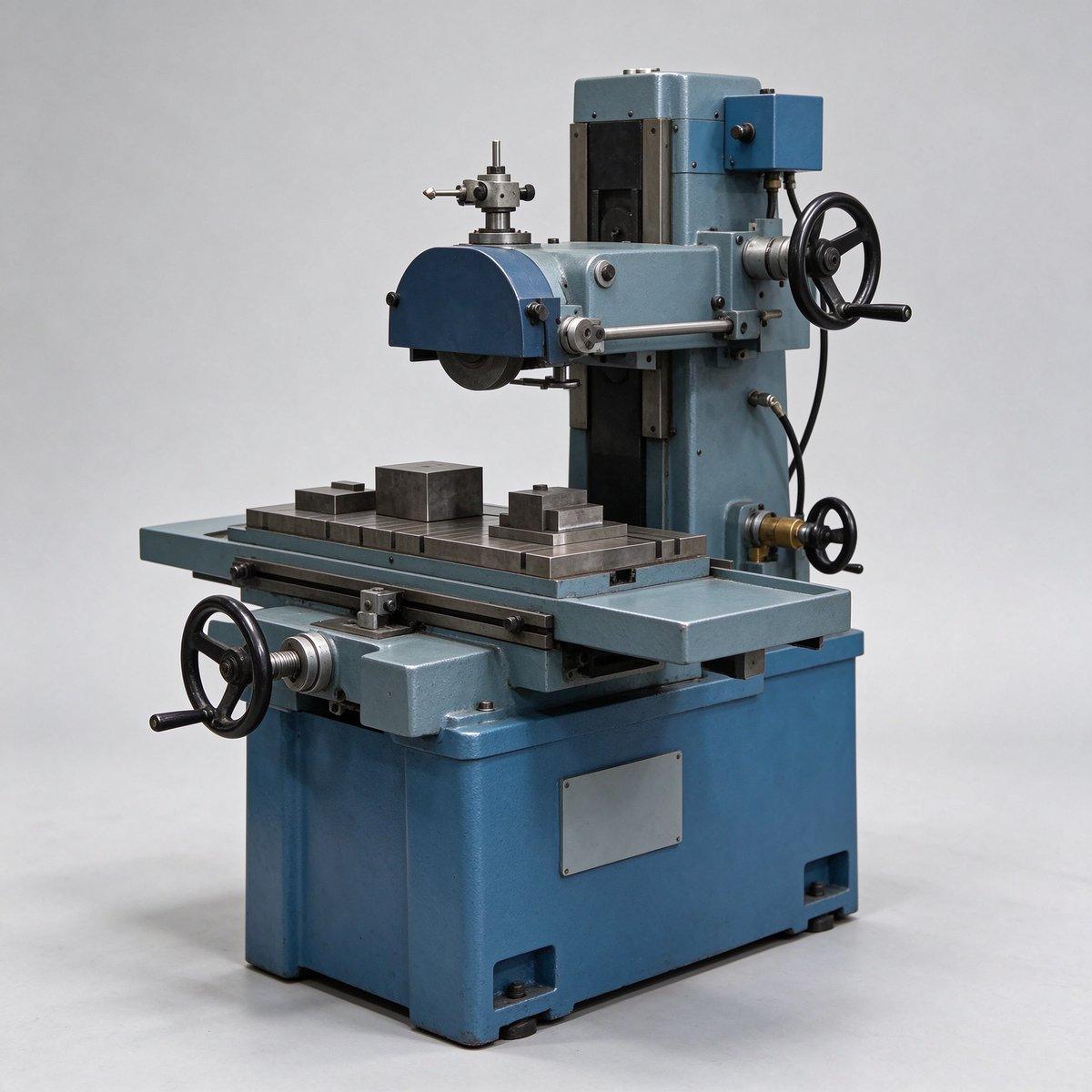
| Manual | Nothing — the operator feeds all three axes | Ways, spindle and casting quality |
| Hydraulic | Table traverse and cross-feed | Hydraulic power pack, valves, controls |
| PLC | The whole cycle, counted down-feed and spark-out | Servo down-feed, HMI, program memory |
| CNC | Geometry — profiles, steps, forms | Servo axes, glass scales, control, DXF import |
3. Spindle power and wheel size
Power is quoted in kilowatts, but the number that matters is depth of cut per pass. A 5.5 kW machine with a 350 mm wheel takes 0.15–0.2 mm on hardened plate; an 11 kW machine with a 400 mm wheel takes 0.4–0.5 mm. If your process is 90% finishing, extra power buys nothing and adds 200 kg of spindle mass to warm up.
4. Accessories: where quotes stop being comparable
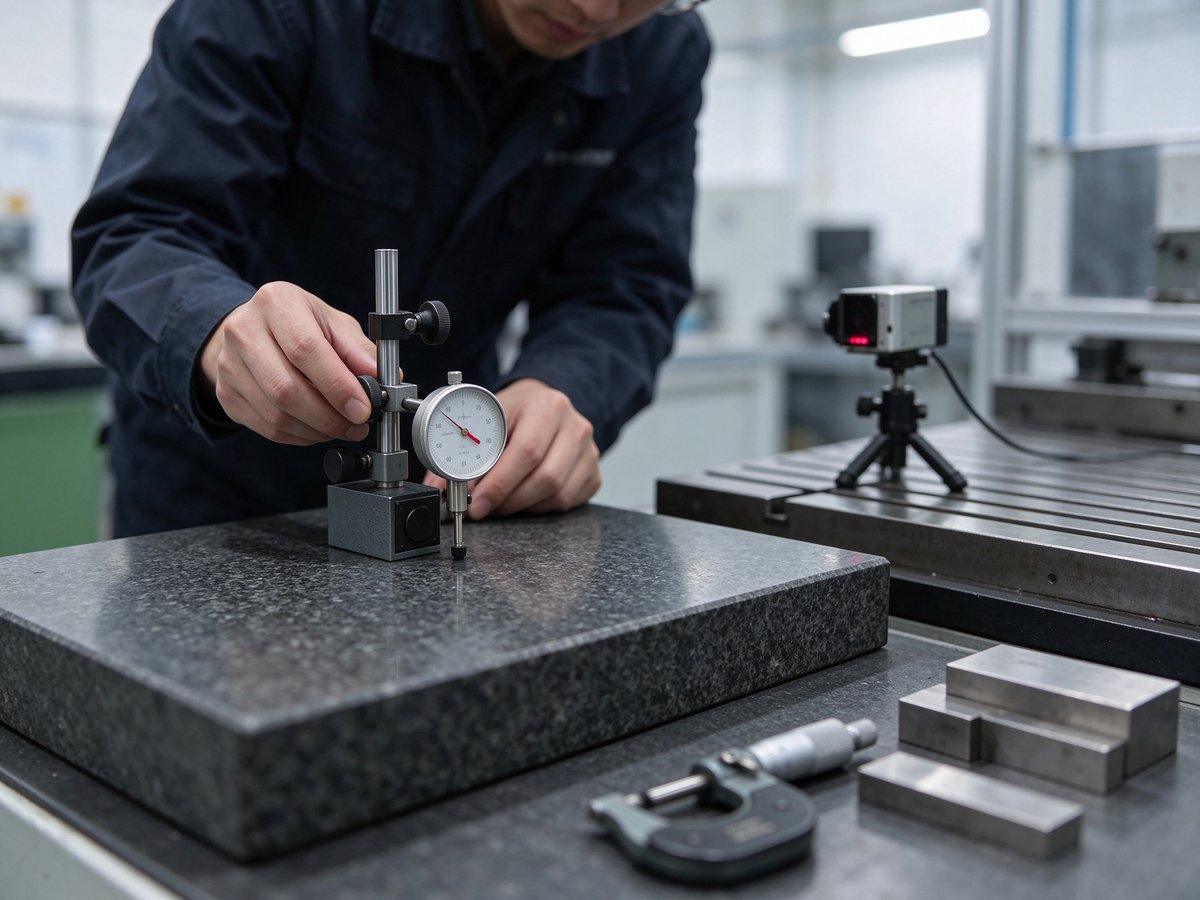
Ask specifically whether these are included: magnetic chuck and its controller, demagnetiser, coolant tank and filtration, wheel balancing arbor, dust or mist extraction, levelling pads, foundation plan, and the geometry inspection report. A quote that omits the chuck and filtration can look 20% cheaper and be 5% more expensive once they are added.
What we do not charge for
Every machine we ship includes the inspection report, an English manual, a wheel flange and balancing arbor, and commissioning support by video or on site. Ask the same question of every supplier — the answer tells you a lot about how the machine will arrive.
Send the part drawing, the tolerance and the batch size to our application engineers and we will price the configuration rather than the catalogue line.