

Surface Grinding vs Lapping: Which Gets It Flat?
Surface grinding versus lapping compared on flatness, finish, material removal, heat and cost, and h...
Read more →Table & Capacity · topic notes
Which parts fit a 1000 x 500 mm table, how much of the plate the wheel can reach and the machine class we point buyers to. no linked items yet filed under this topic.
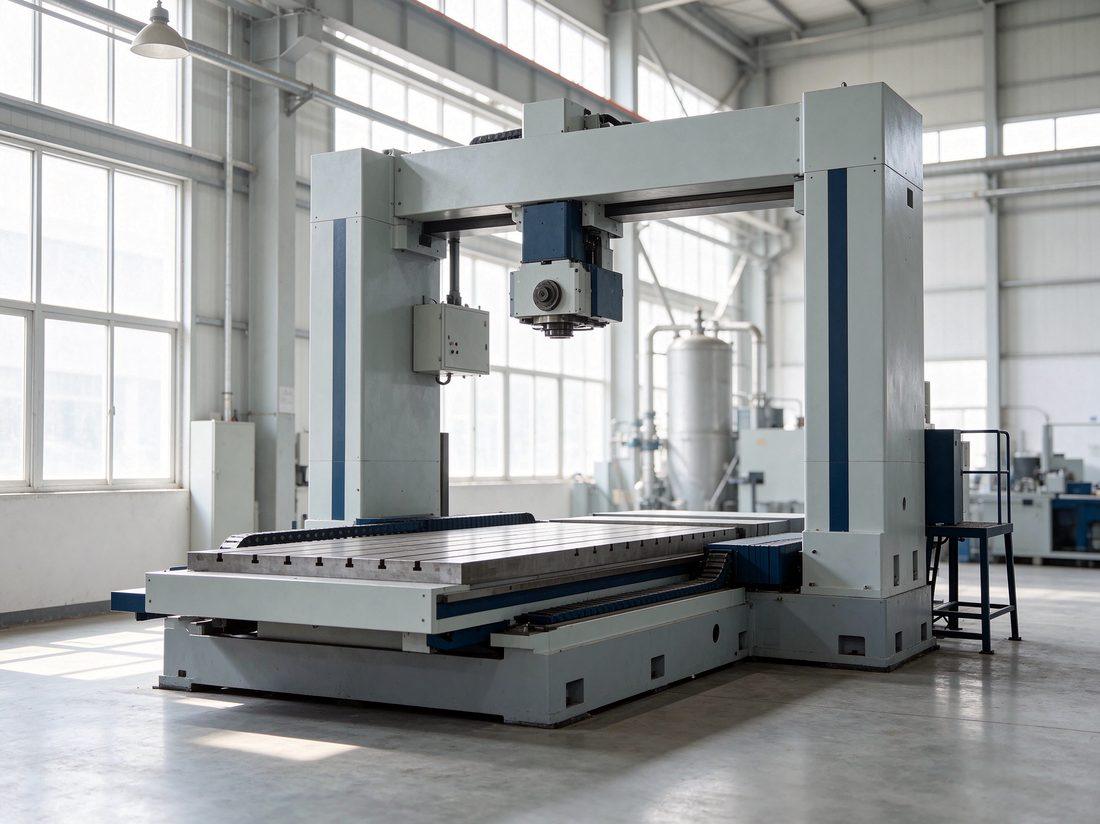
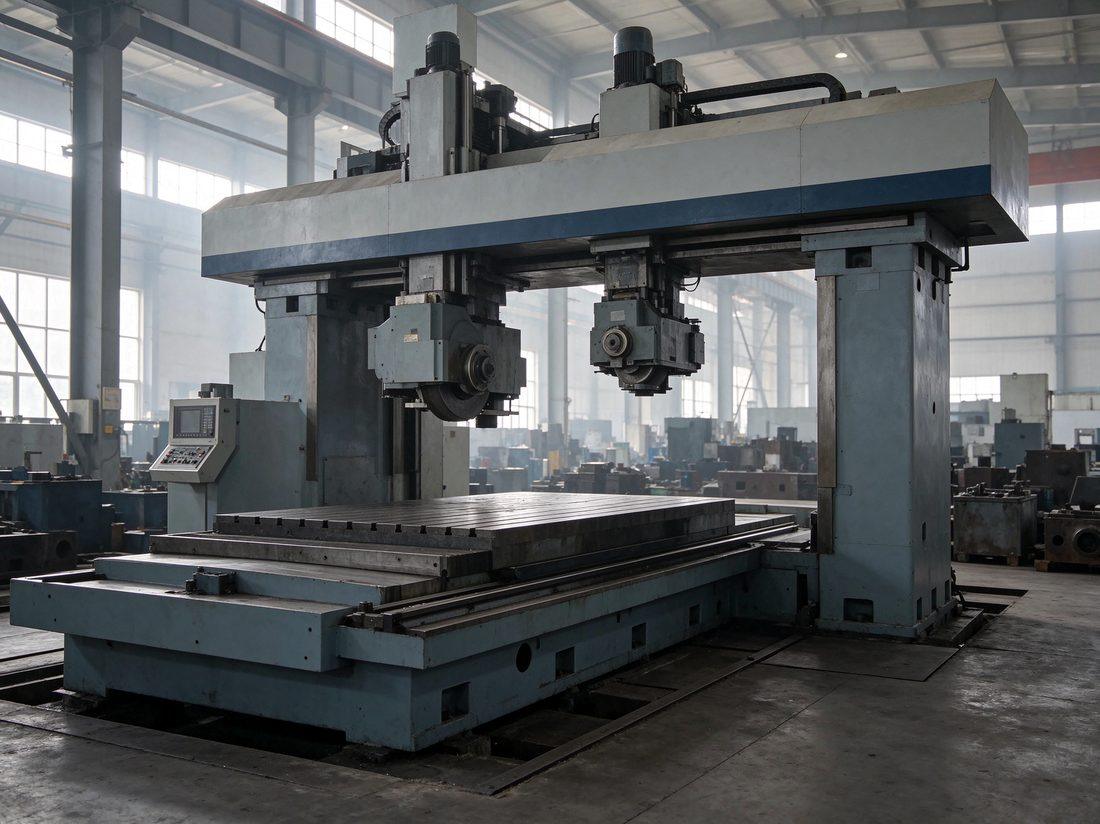
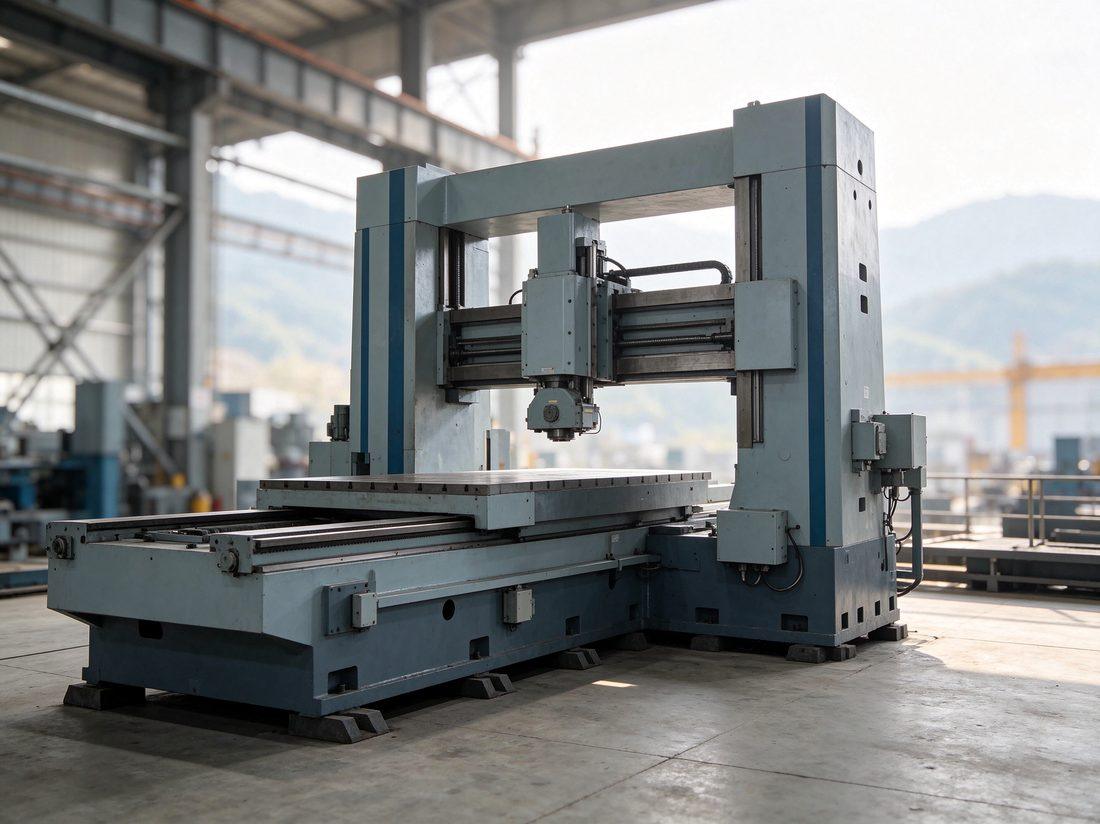
Capacity is not one number: usable length, usable width, height under the wheel and the wheel diameter itself all limit a job. A 1000 × 500 mm table grinds a plate of that size with the wheel width overlapping the ends, holds a diagonal part up to about 1118 mm across the corner, and leaves the column clearance as the limit on height once the chuck and the fixture are fitted.
A capacity question is answered with a drawing, not a description: send the part outline with the wheel diameter you intend to use and the answer is exact.
Topics in this vocabulary point to a machine line rather than to a single offer, so the answer stays useful when the model range changes. For table 1000 x 500 mm the closest line is gantry series surface grinders; the selection guide and the accuracy notes cover the neighbouring questions.
Machines filed under this topic, plus the closest models from the line it belongs to.
Surface grinding versus lapping compared on flatness, finish, material removal, heat and cost, and h...
Read more →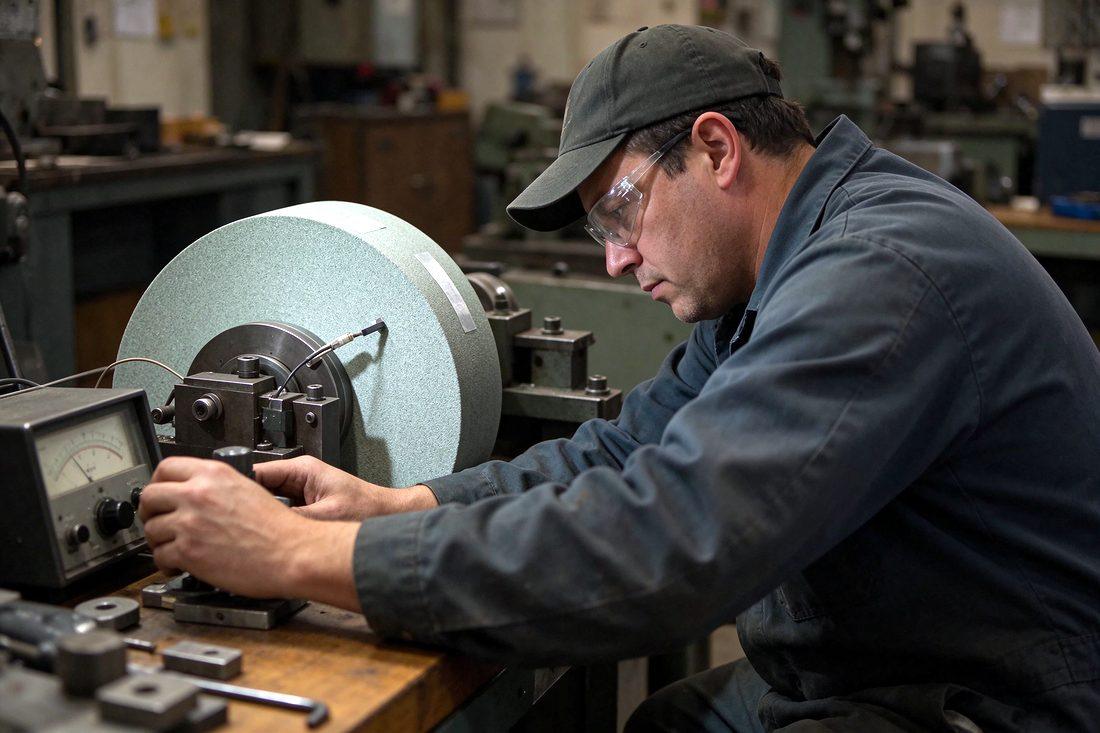
Static balancing a surface grinder wheel: the arbor method, how much imbalance is acceptable, why ma...
Read more →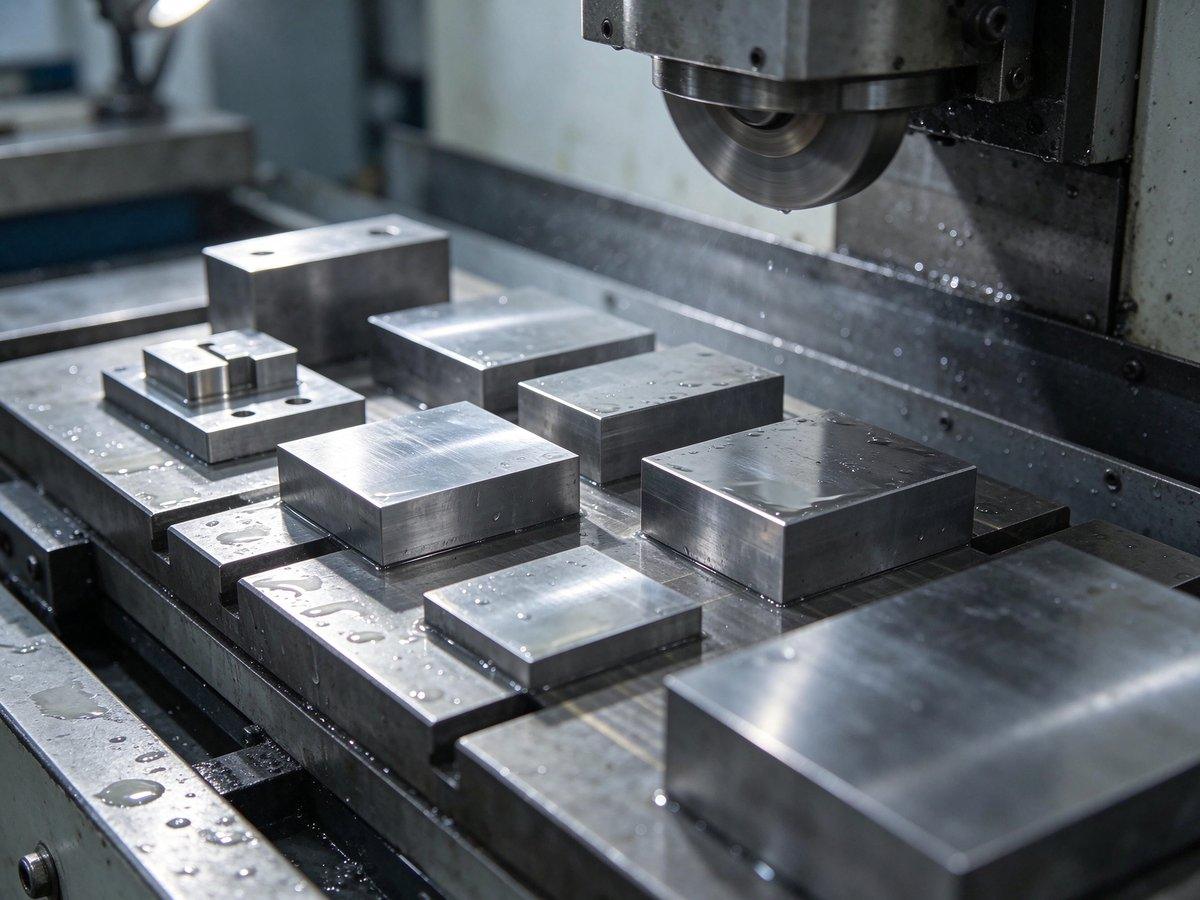
A Vietnamese mould shop replaced two worn manual grinders with a PSG-4080AH and a PSG-250AHR, cuttin...
Read more →Part length plus the wheel width plus a margin at each end. Grinding a 400 mm plate with a 350 mm wheel needs roughly 1,150 mm of travel for a clean edge-to-edge pass.
Yes. A 150 mm magnetic chuck, a fixture plate and the part stack up, and the height under a worn wheel is the figure that matters.
