
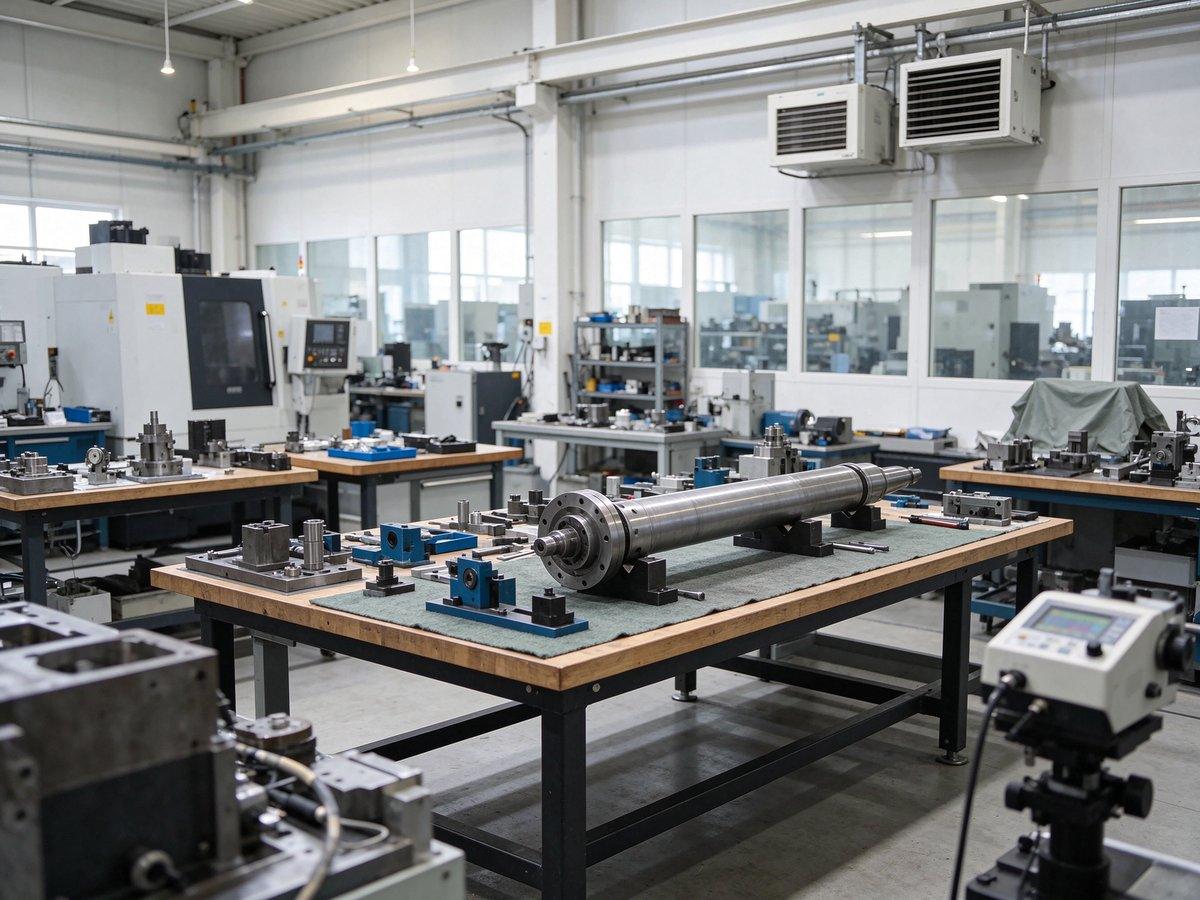
Coolant for Surface Grinding: Concentration, Flow and Filtration
Coolant concentration, flow rate, nozzle placement, filtration and change interval for precision surface grinding on steel, aluminium and carbide.
Insights, guides and industry news from our team
Coolant concentration, flow rate, nozzle placement, filtration and change interval for precision surface grinding on steel, aluminium and carbide.
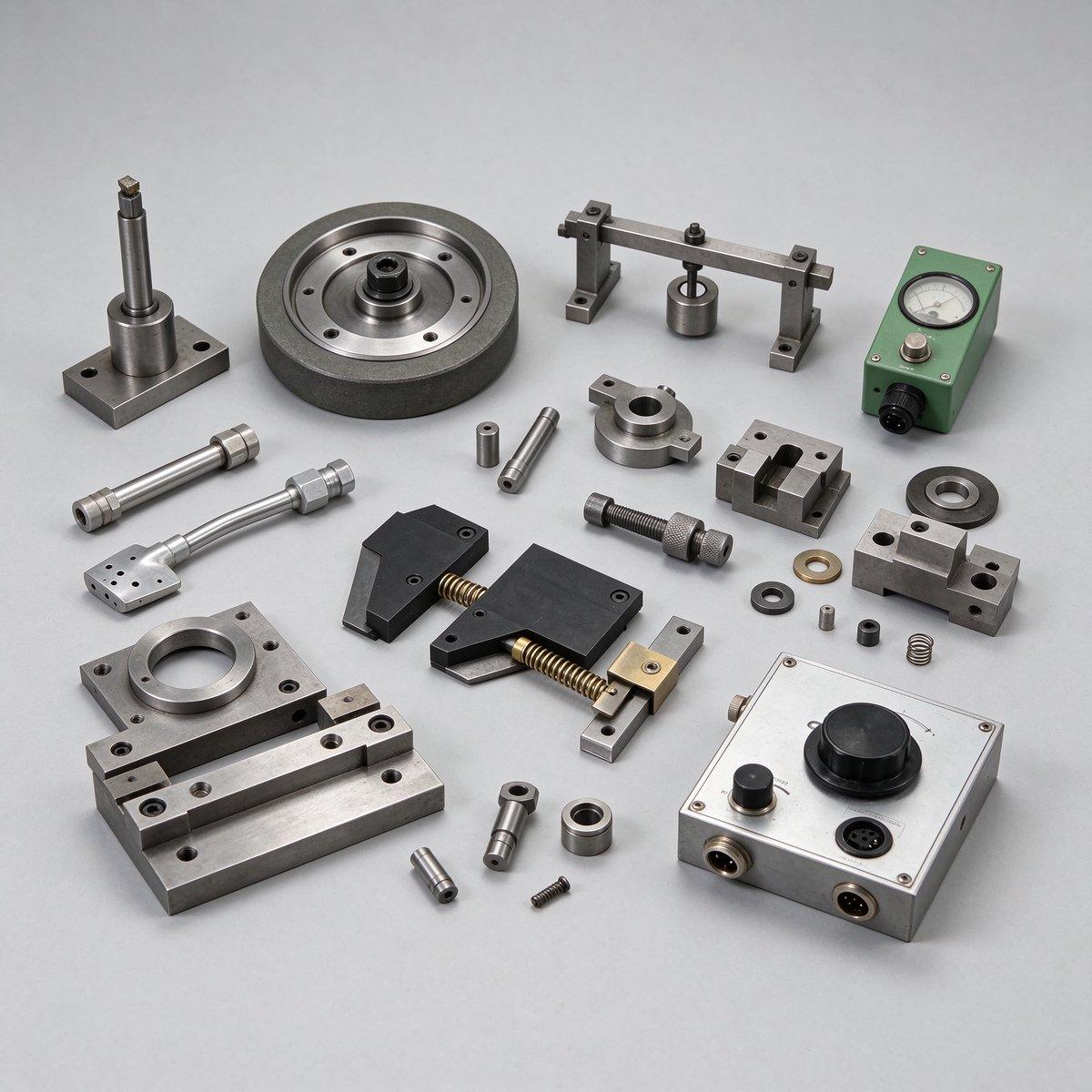
How to keep a surface grinder magnetic chuck flat and holding: stoning, demagnetizing, checking holding force and avoiding residual magnetism on thin parts.
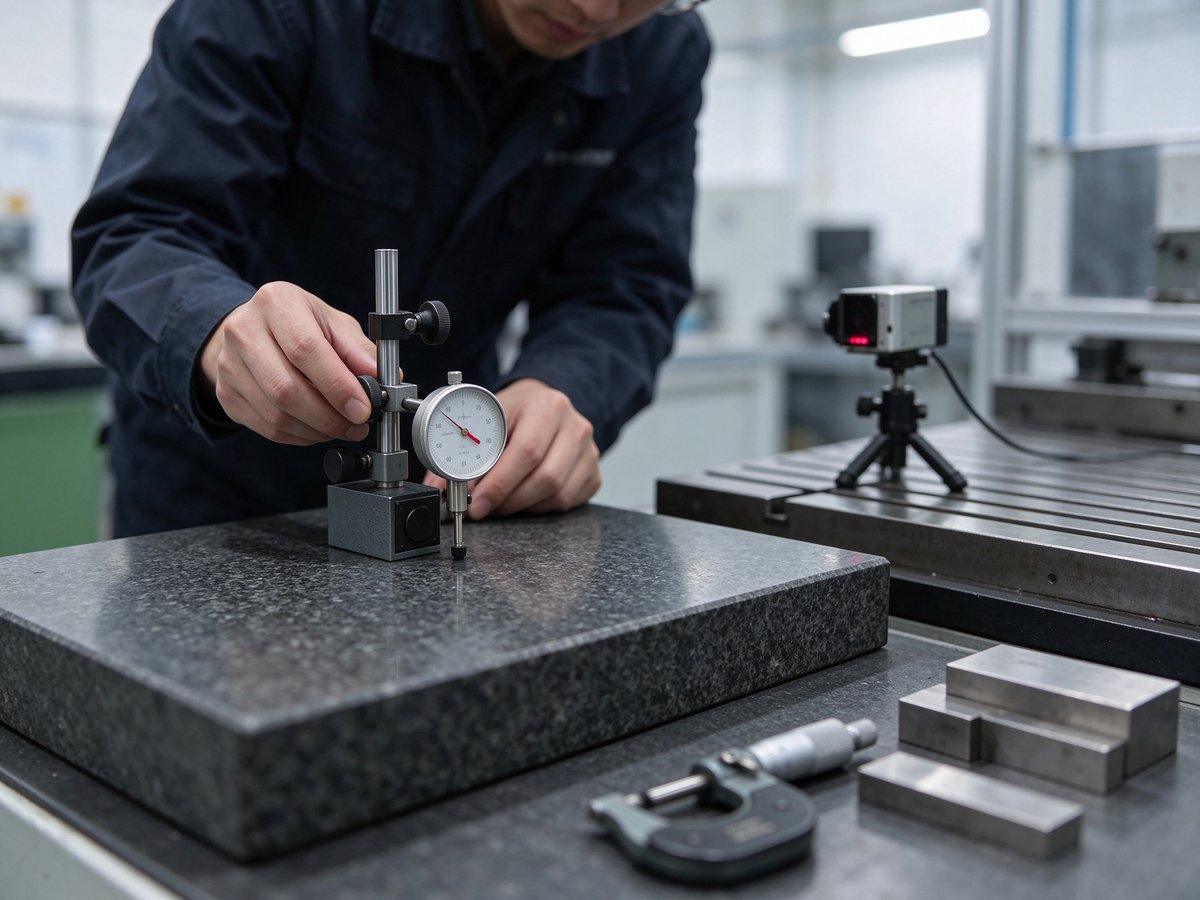
A practical maintenance schedule for surface grinders: daily way oil and wipers, weekly coolant and chuck checks, monthly spindle runout, yearly levelling.
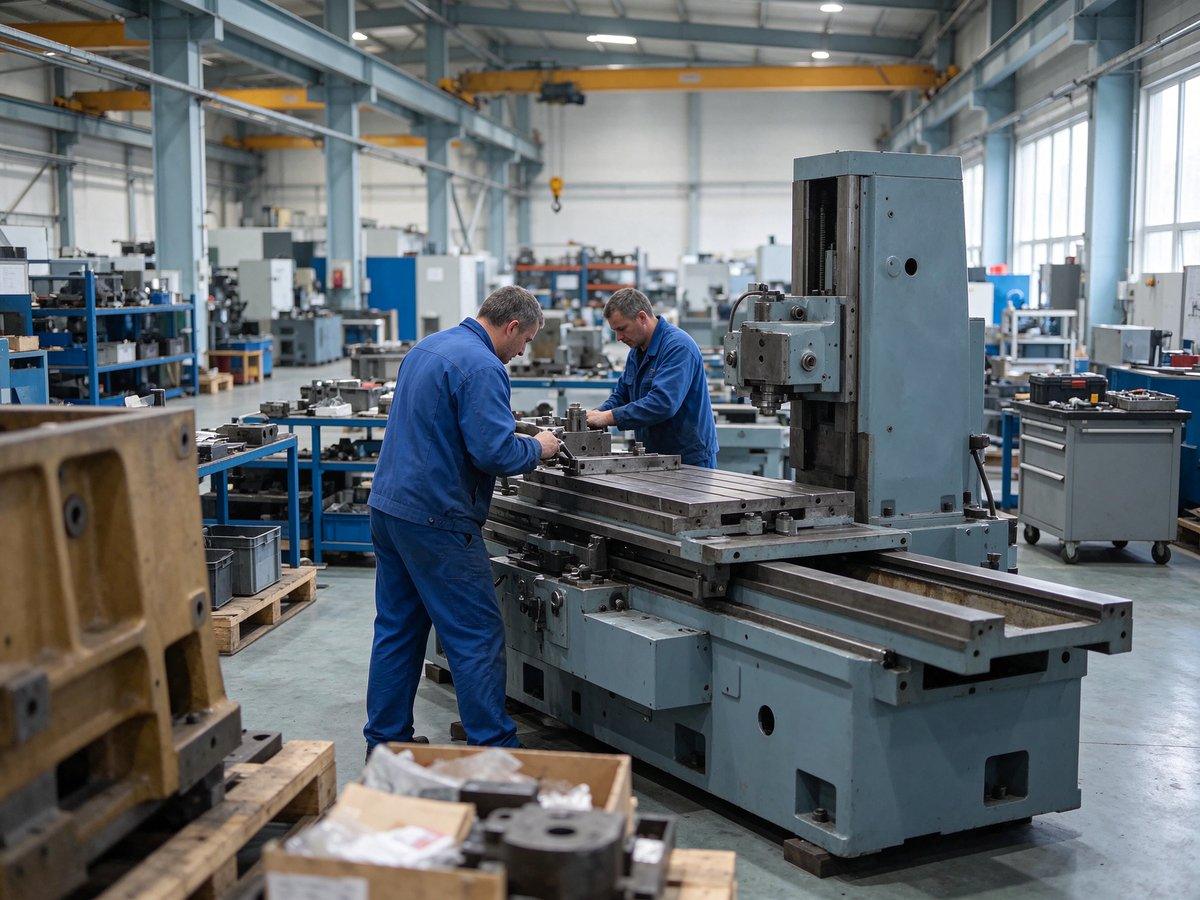
Installation procedure for a surface grinder: foundation, levelling pads, precision level checks, table and column alignment, and the test grind.
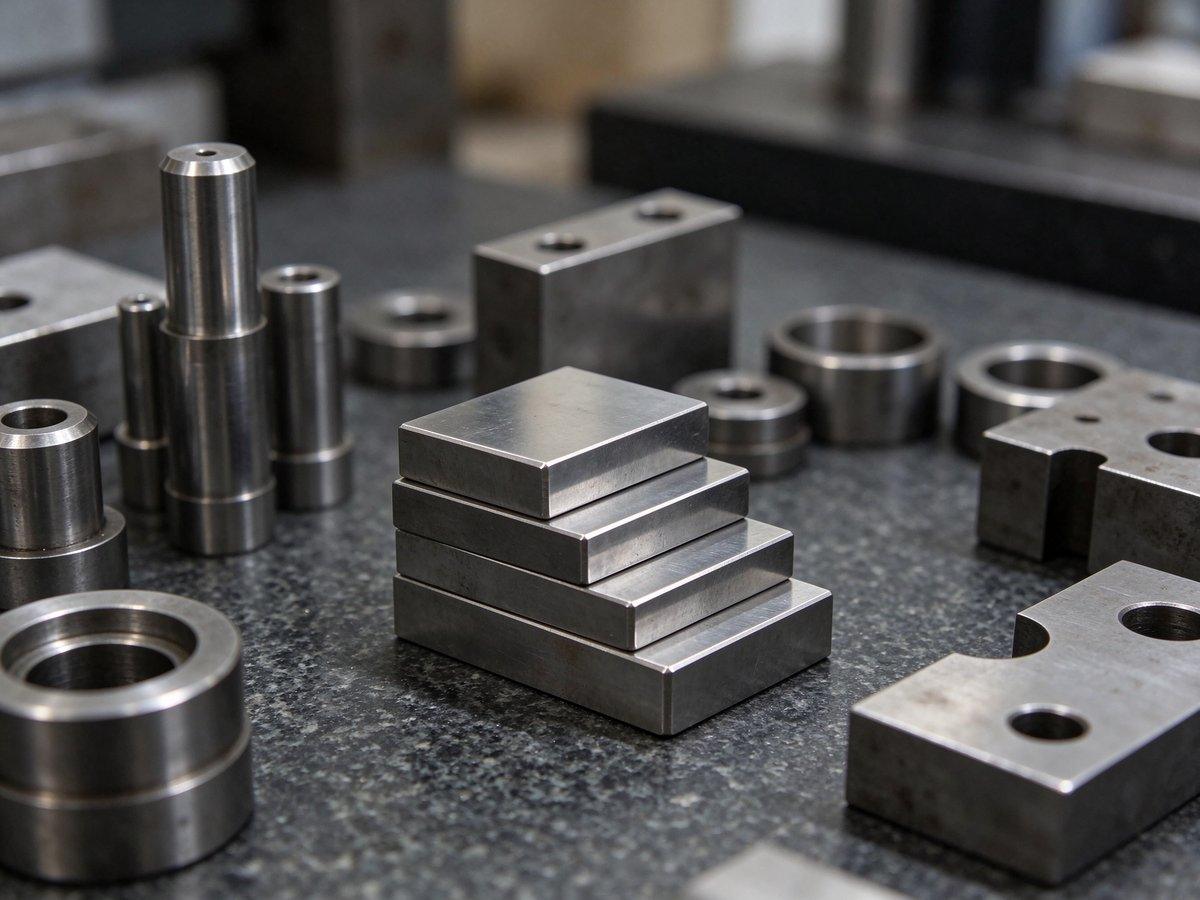
What Ra actually measures, which Ra values a surface grinder can achieve, and how wheel grit, dressing and depth of cut move the number.
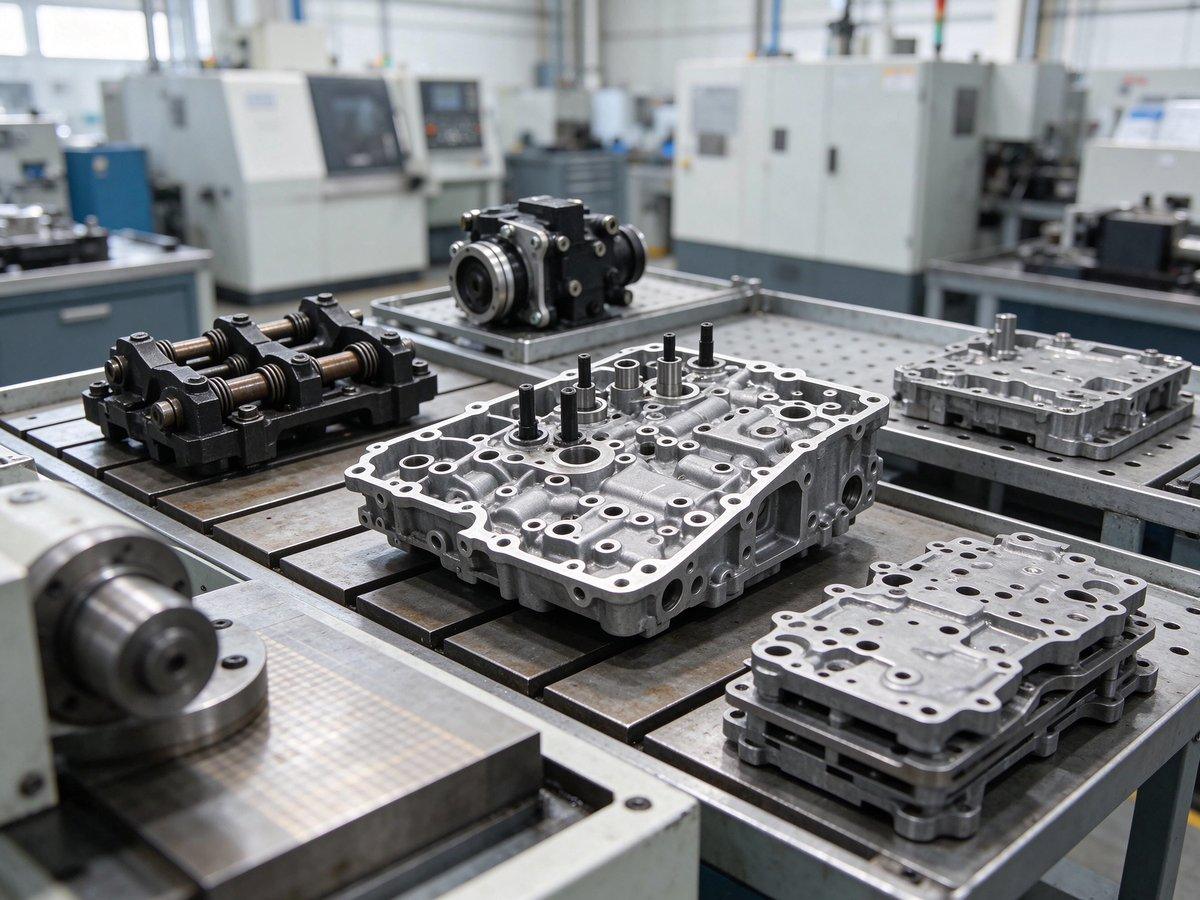
How to grind 0.5–3 mm plates flat: reduced chuck force, stepped fixtures, rough-finish separation and demagnetizing before measurement.
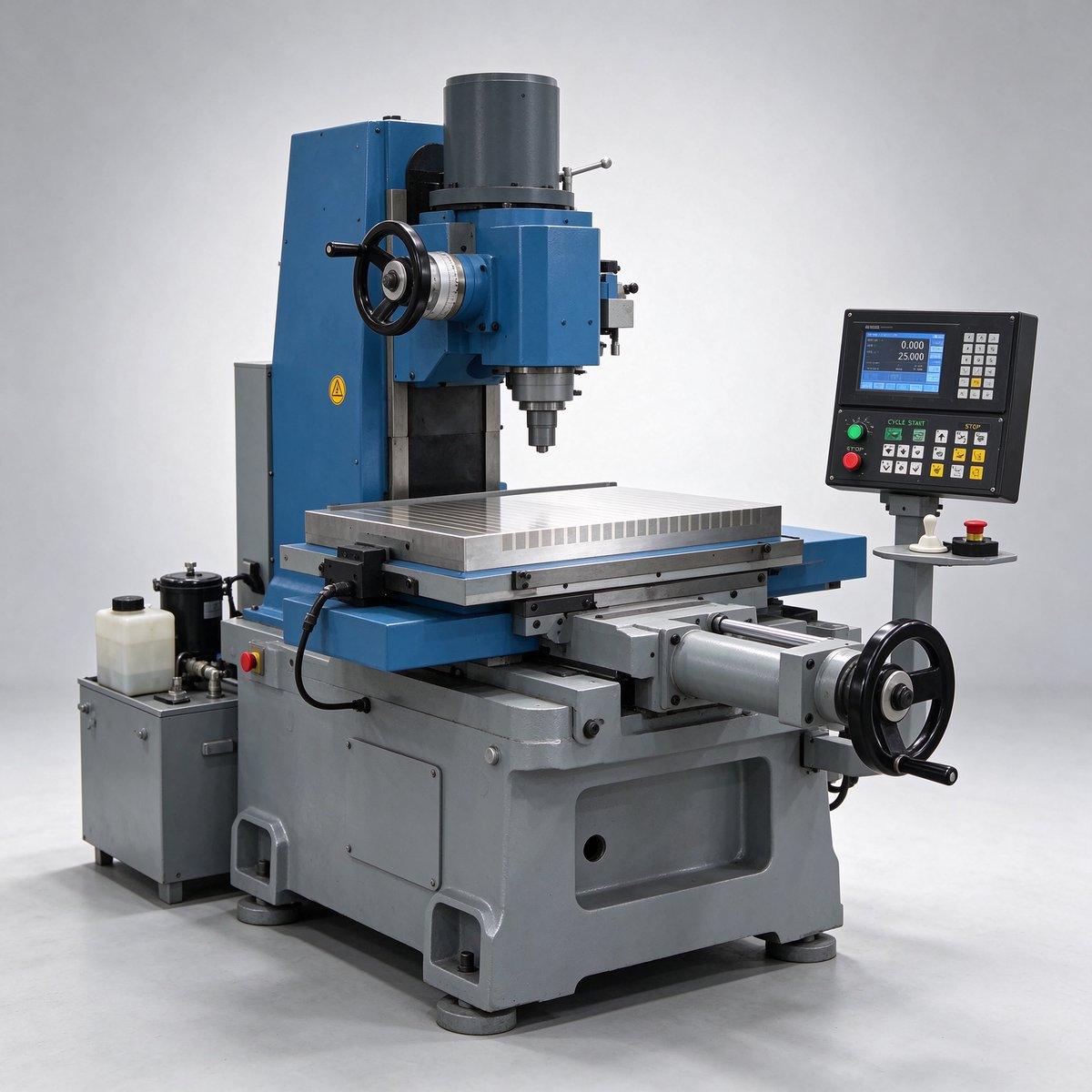
A side-by-side comparison of manual, hydraulic, PLC and CNC surface grinders: tolerance, operator skill, price band and when each level pays back.
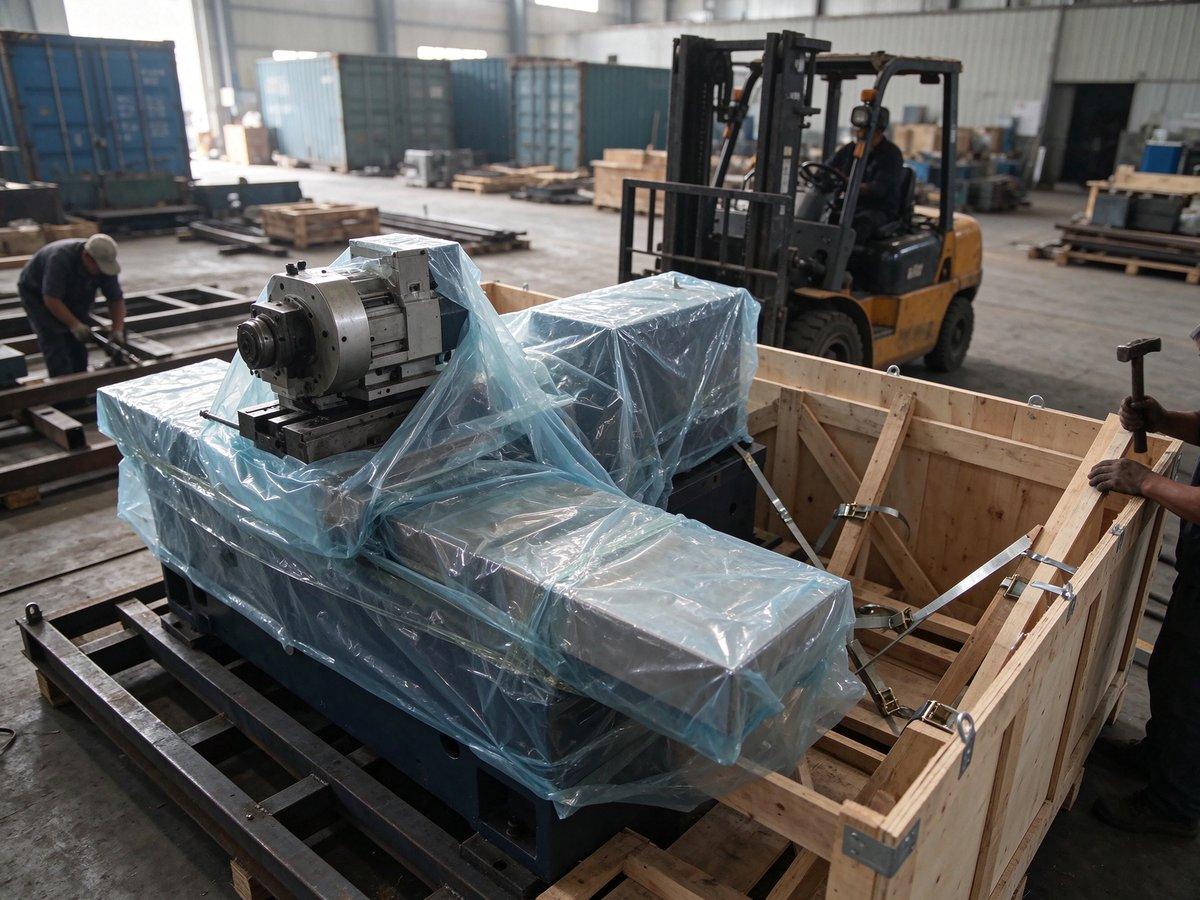
What to check before a surface grinder leaves the factory: packing, container type, documents, foundation planning and unloading.
Table size, control class, spindle and chuck: which options add cost, which add value, and where a quotation stops being comparable.
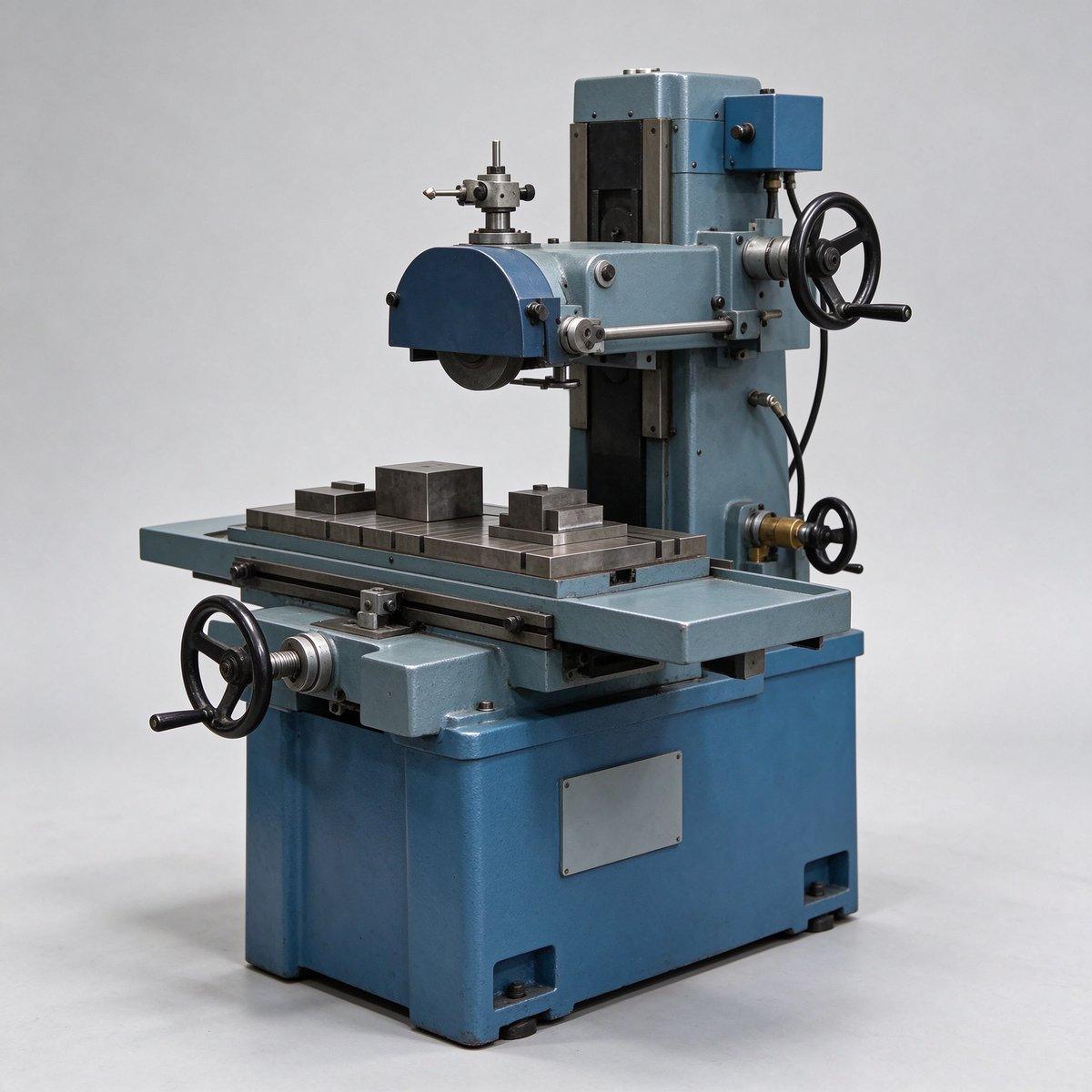
A used grinder is cheaper on the invoice and sometimes cheaper overall — the difference is in ways, spindle and parts availability.
What a machine shipment contains, which documents the buyer needs, and how long each stage actually takes door to door.
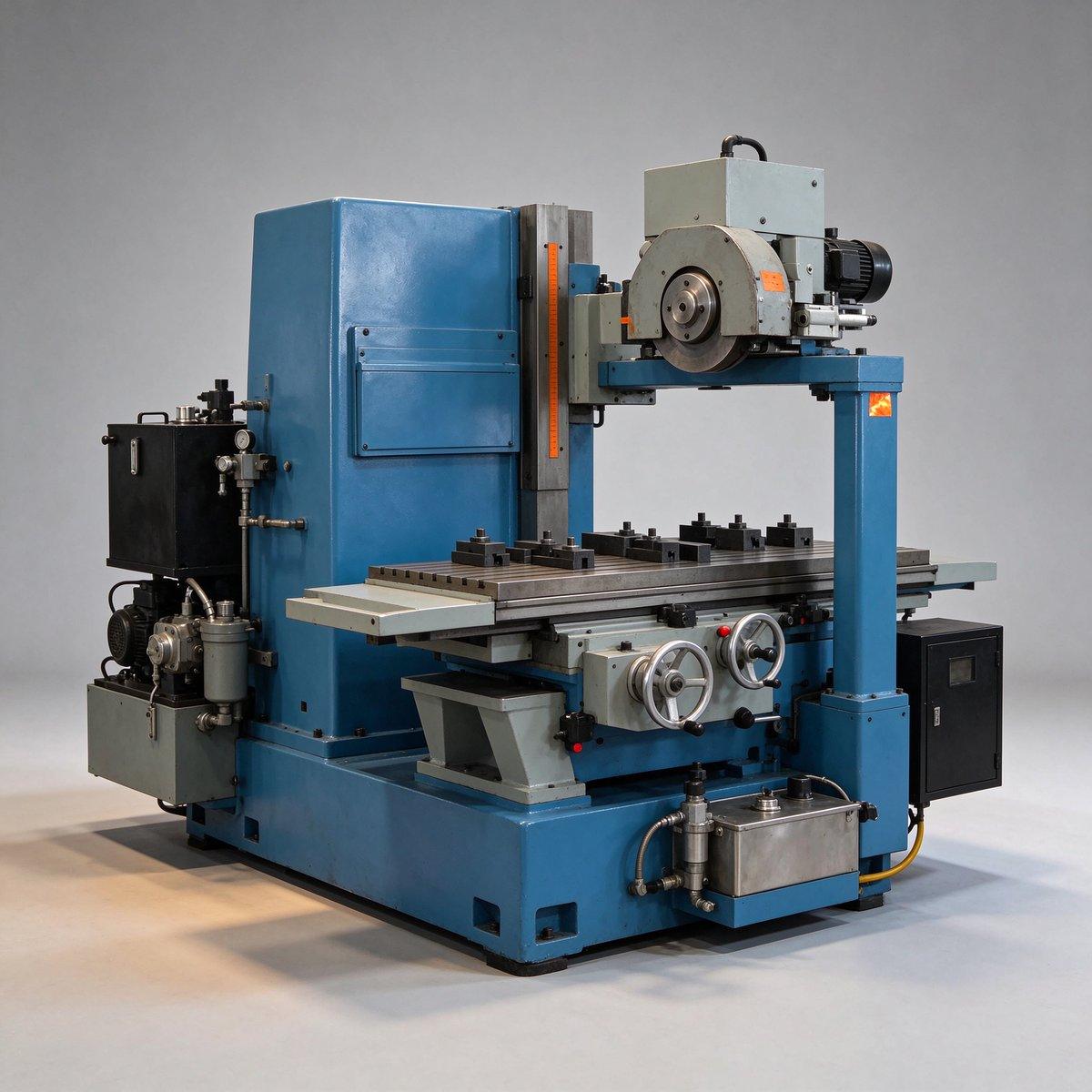
Depth of cut, wheel width and contact area decide the power you need — not the size of the part.
