

Surface Grinding vs Lapping: Which Gets It Flat?
Surface grinding versus lapping compared on flatness, finish, material removal, heat and cost, and h...
Read more →Machines · topic notes
What a production grinder is bought for, the table it carries, the tolerance it holds and who builds a comparable model. no linked items yet filed under this topic.
Machine types differ in how the wheel meets the work, and that single difference decides which parts each type grinds well.
The comparison that decides it: take one real part, ask two machine types for the same tolerance, and compare the cycle time and the operator attention each needs.
Topics in this vocabulary point to a machine line rather than to a single offer, so the answer stays useful when the model range changes. For production grinder the closest line is CNC precision surface grinders; the selection guide and the accuracy notes cover the neighbouring questions.
Machines filed under this topic, plus the closest models from the line it belongs to.
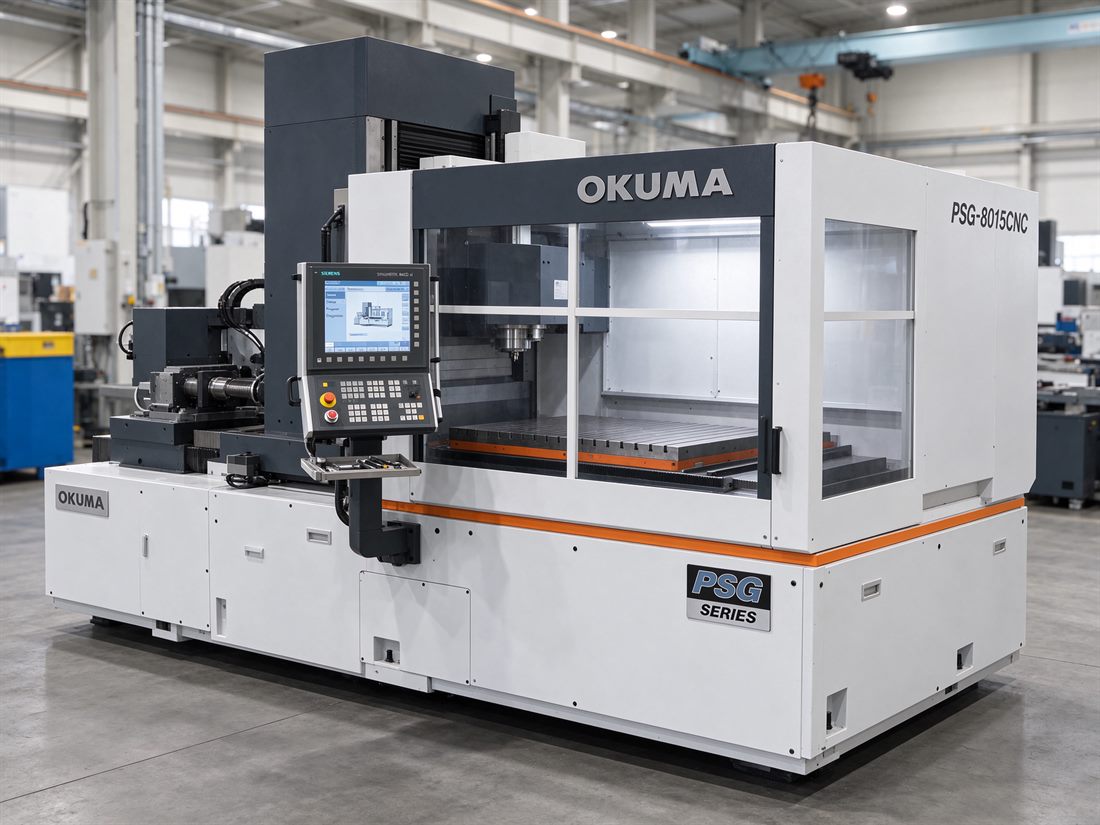
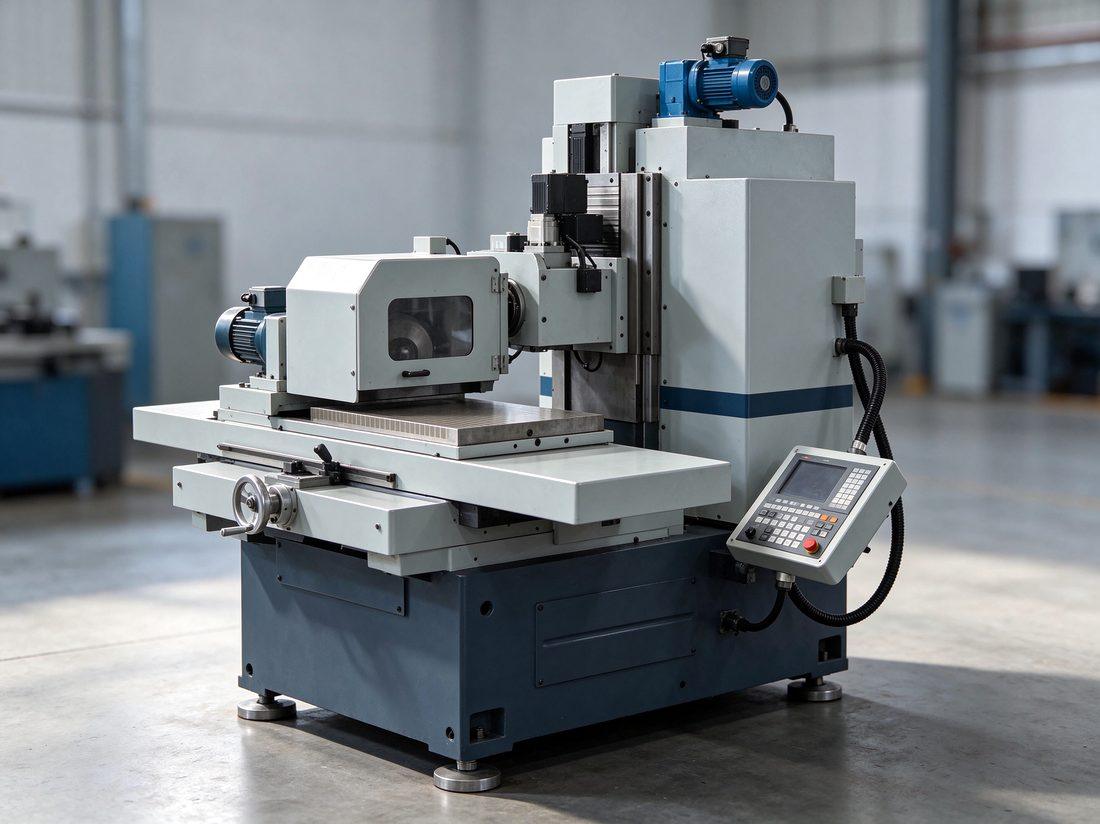
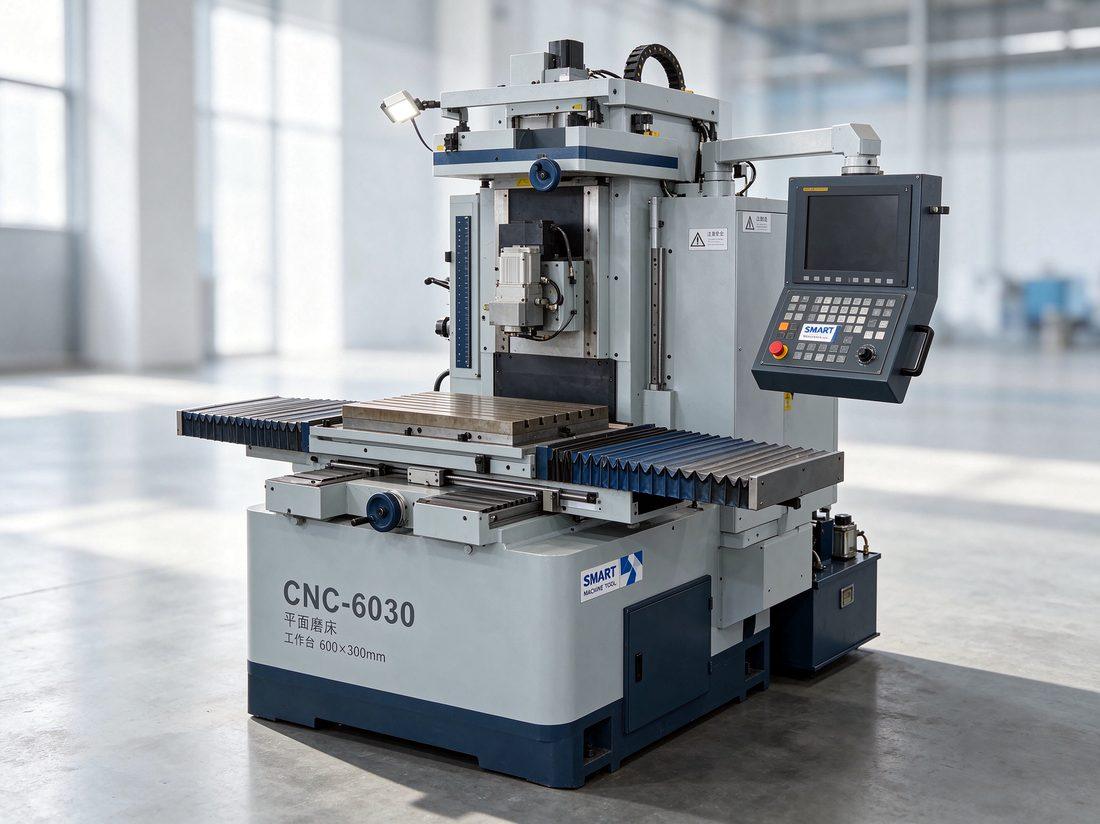
Surface grinding versus lapping compared on flatness, finish, material removal, heat and cost, and h...
Read more →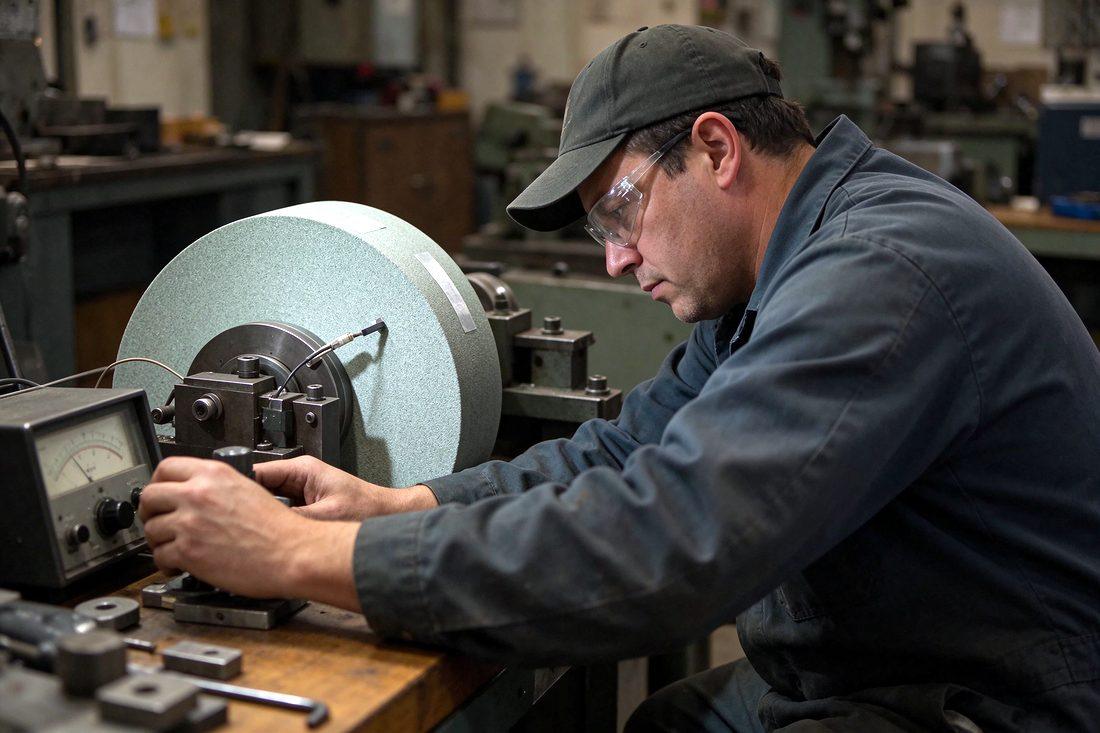
Static balancing a surface grinder wheel: the arbor method, how much imbalance is acceptable, why ma...
Read more →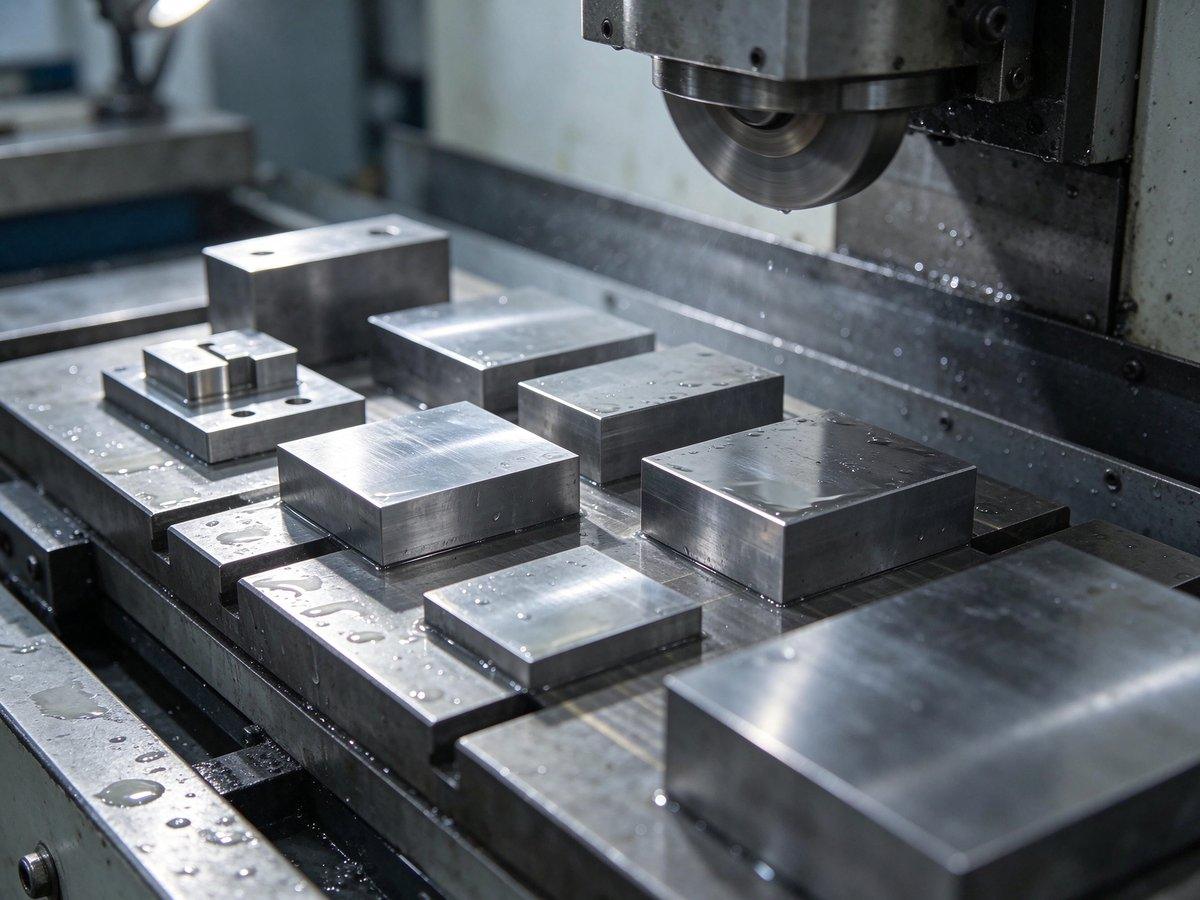
A Vietnamese mould shop replaced two worn manual grinders with a PSG-4080AH and a PSG-250AHR, cuttin...
Read more →A 618 or 4080 hydraulic machine covers most die and mould work; add a PLC machine when the same job repeats and the operator becomes the variable.
It holds flatness well over large areas because the contact is an area rather than a line, but it cannot hold a sharp form the way a horizontal machine can.
