Grinding Stamping Dies: Clearance, Sharpness and Rework
How die maintenance grinding decides punch-to-die clearance, when a die can be re-sharpened, and how to grind so it lasts.
Clearance is set by the die, measured on the part
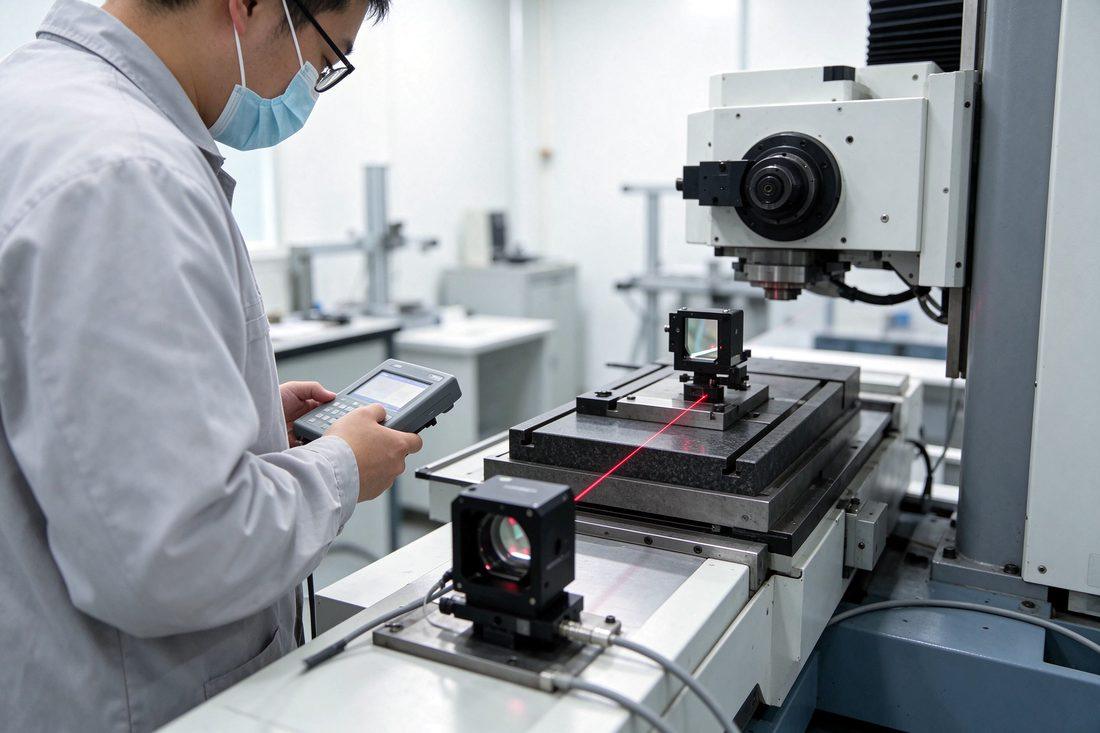
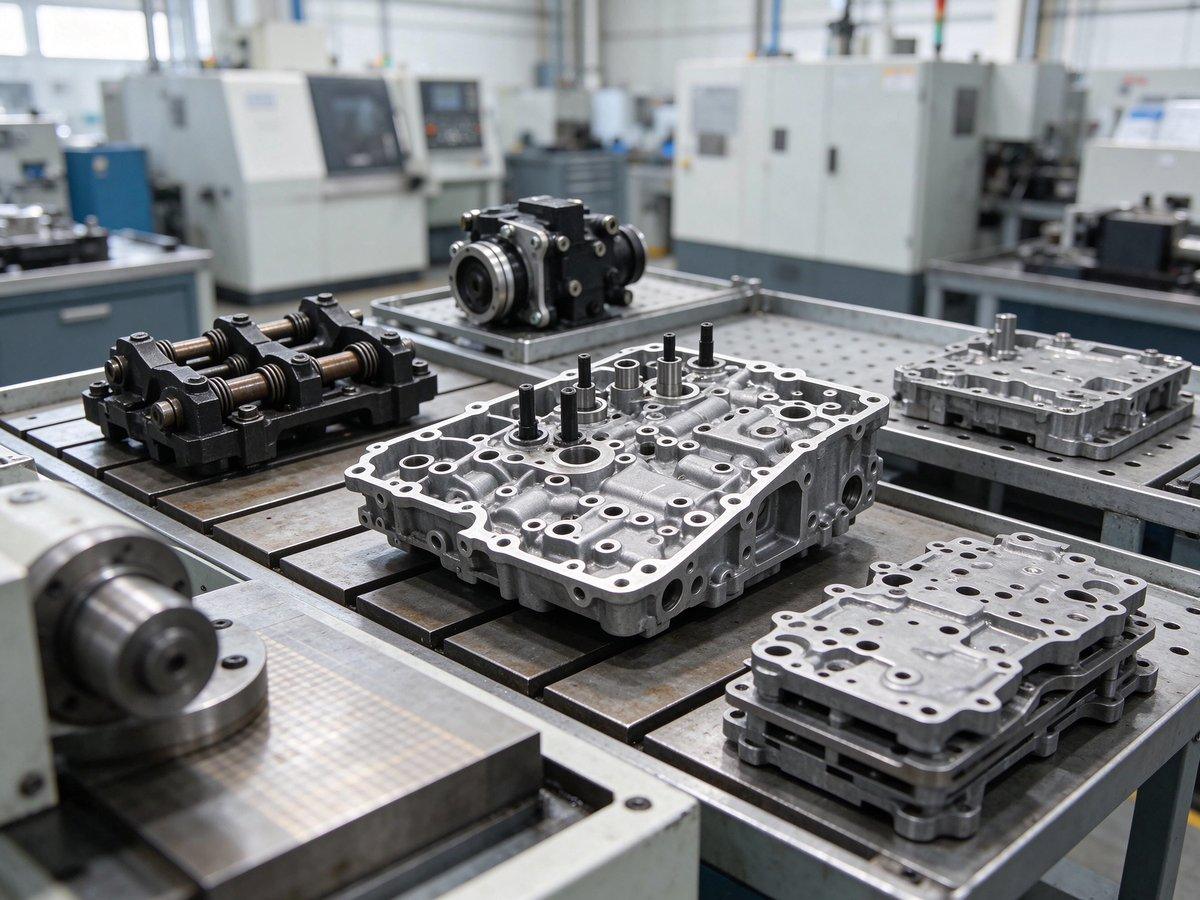
Punch-to-die clearance for mild steel is typically 5–8% of material thickness per side, less for stainless and more for aluminium. That clearance is built into the die, and grinding is what restores it after wear. The mistake in maintenance shops is to re-sharpen a punch and refit it without measuring the die opening: the punch comes back at nominal size, the die has worn 0.03 mm, and the clearance is now out of specification — which shows up as burring on the part and accelerated wear on the next run.
What grinding can restore, and what it cannot
Grinding restores the cutting edge, the punch face and the die land. It cannot restore a worn die opening or a rolled-over land without welding or replacing the insert. Decide before grinding: if the die land has lost more than about 0.05 mm per side, sharpening the punch will not bring the die back into clearance, and the money is better spent on the die.
| Wear pattern | Action |
|---|---|
| Punch edge rounded, die land intact | Re-grind punch face and edge; re-measure clearance |
| Die land worn 0.02–0.05 mm per side | Grind punch to suit the worn die, note the change in the die record |
| Die land worn beyond 0.05 mm | Replace or weld the insert; grinding the punch will not fix burring |
| Punch face dished | Grind the face flat before touching the edge |
Grinding the edge without softening it
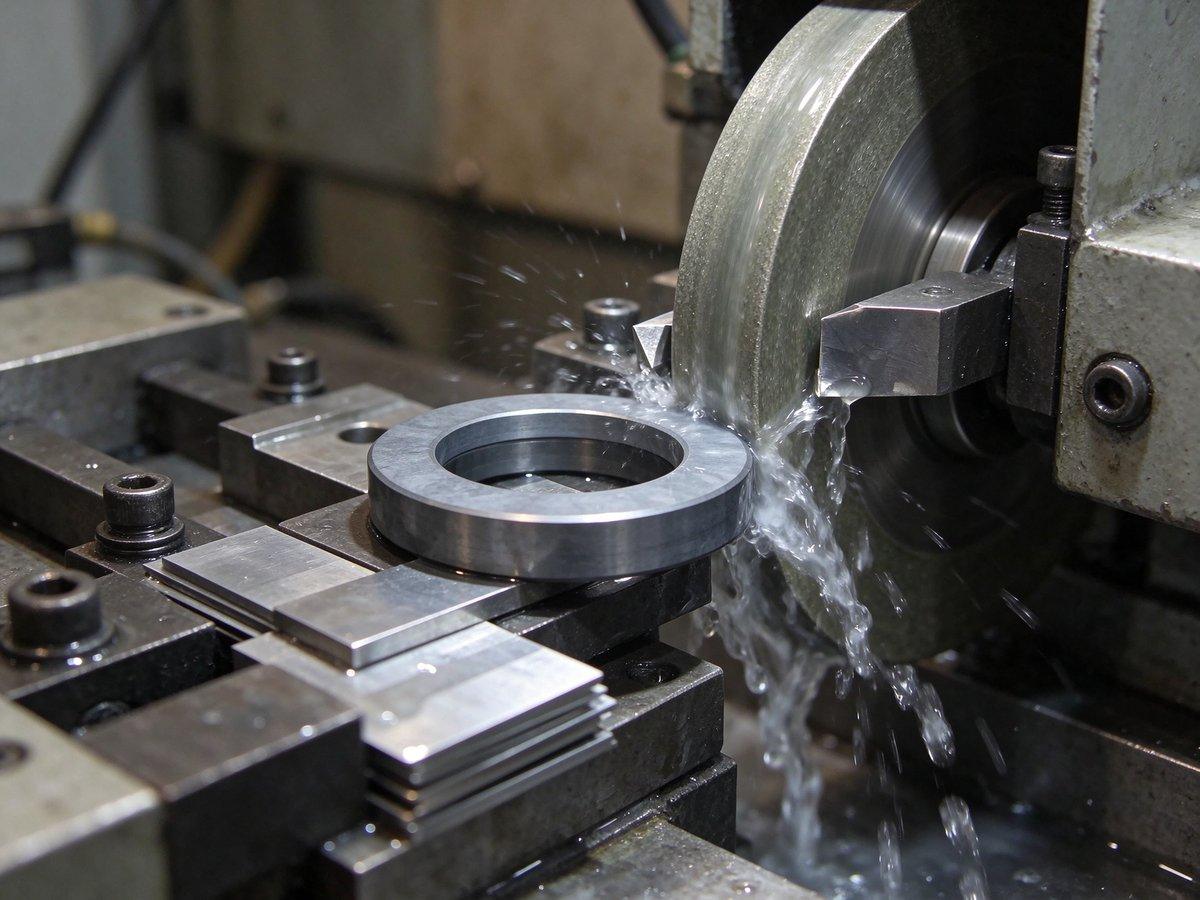
Punch edges are usually hardened to 58–62 HRC, and heat from a heavy pass will temper the very edge you are trying to restore. Use a soft-grade wheel, light passes (0.02 mm), high table speed and generous coolant. If the edge turns straw-coloured, the hardness has already dropped and the punch will wear prematurely — the colour is the warning, not the damage.
Record the numbers
Every die should carry a card with the punch size, the die opening, the calculated clearance and the last sharpening date. Without it, each re-sharpening is a guess and the clearance drifts in one direction until the die is scrapped. Maintenance grinding is the cheapest operation in a die shop and the one most able to waste the die.
Machine choice for die maintenance
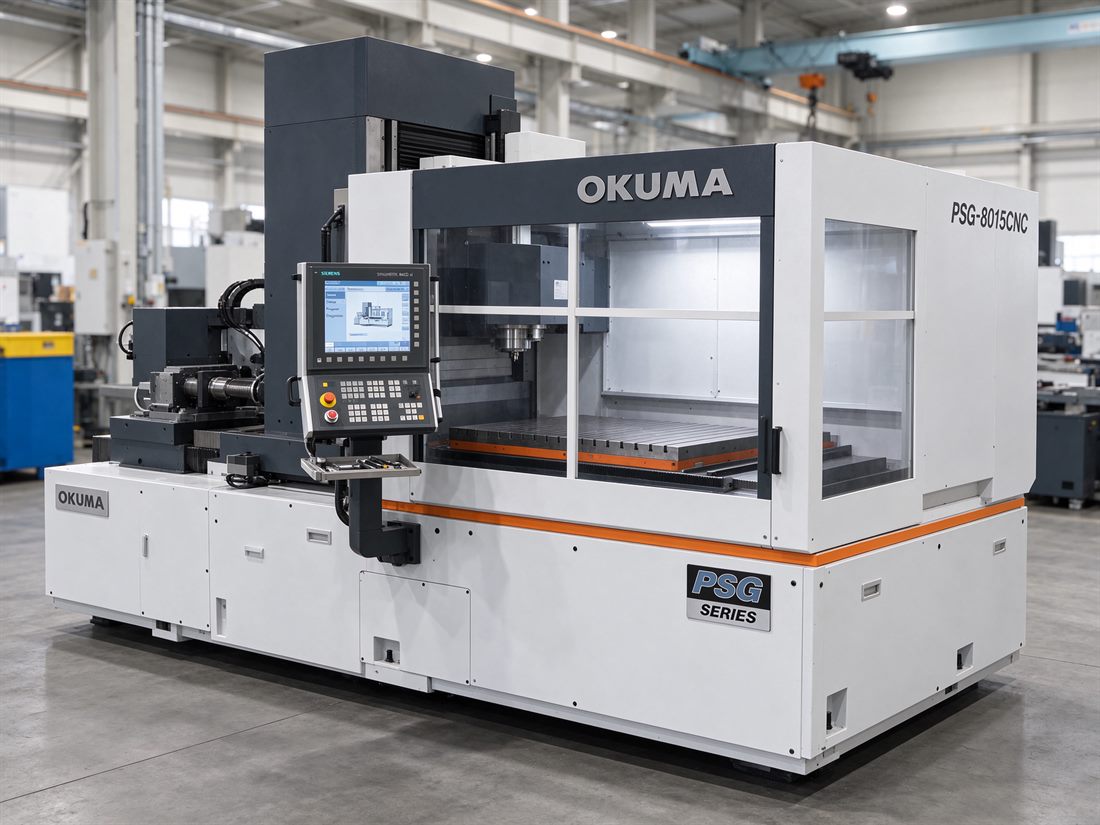
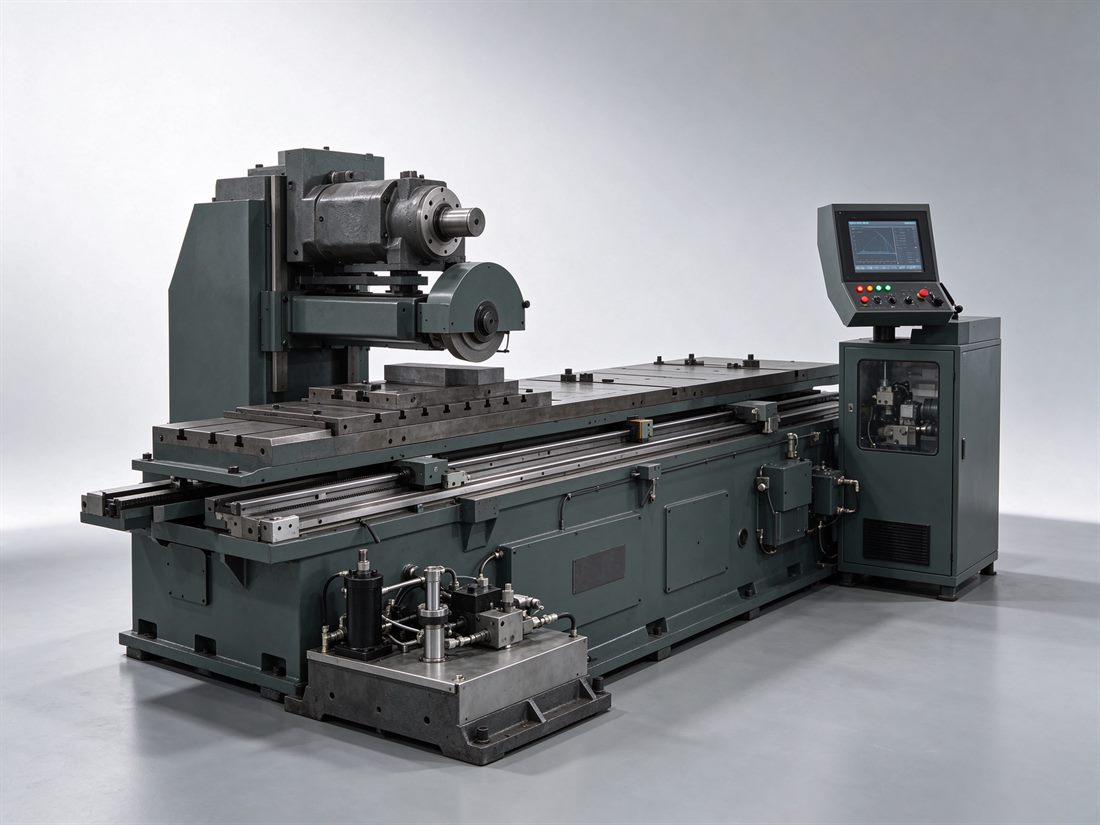
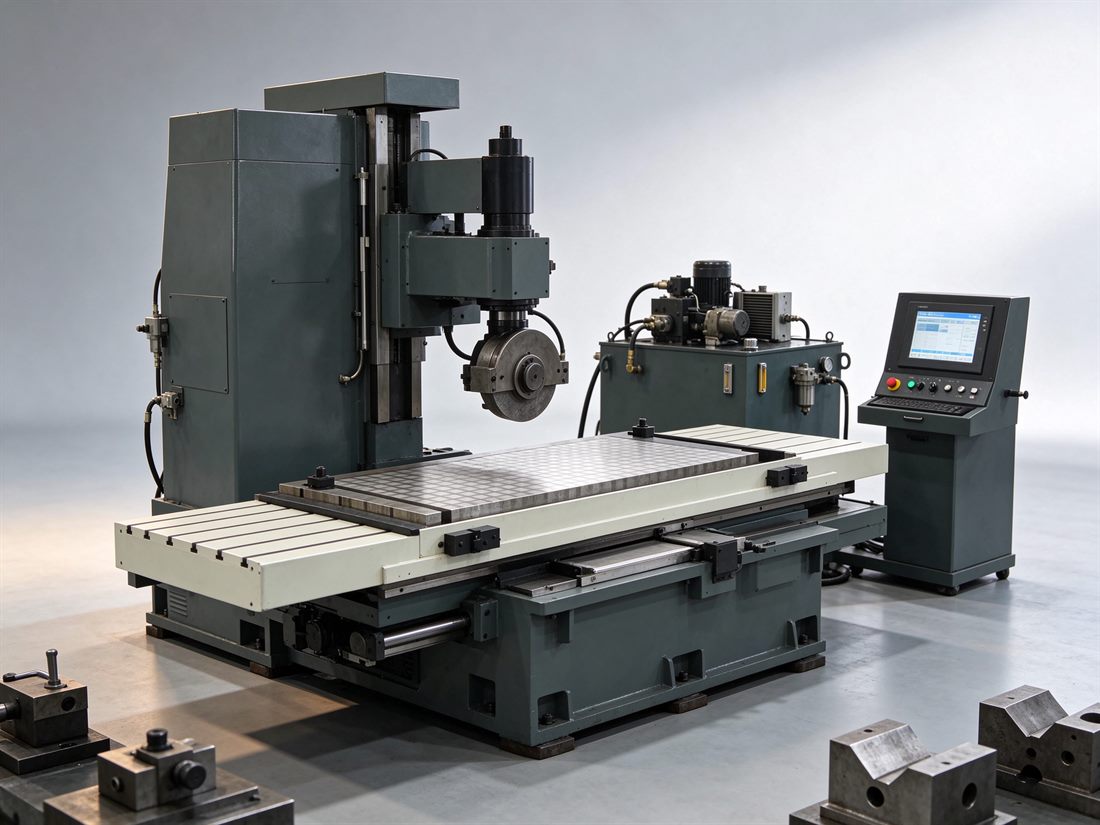
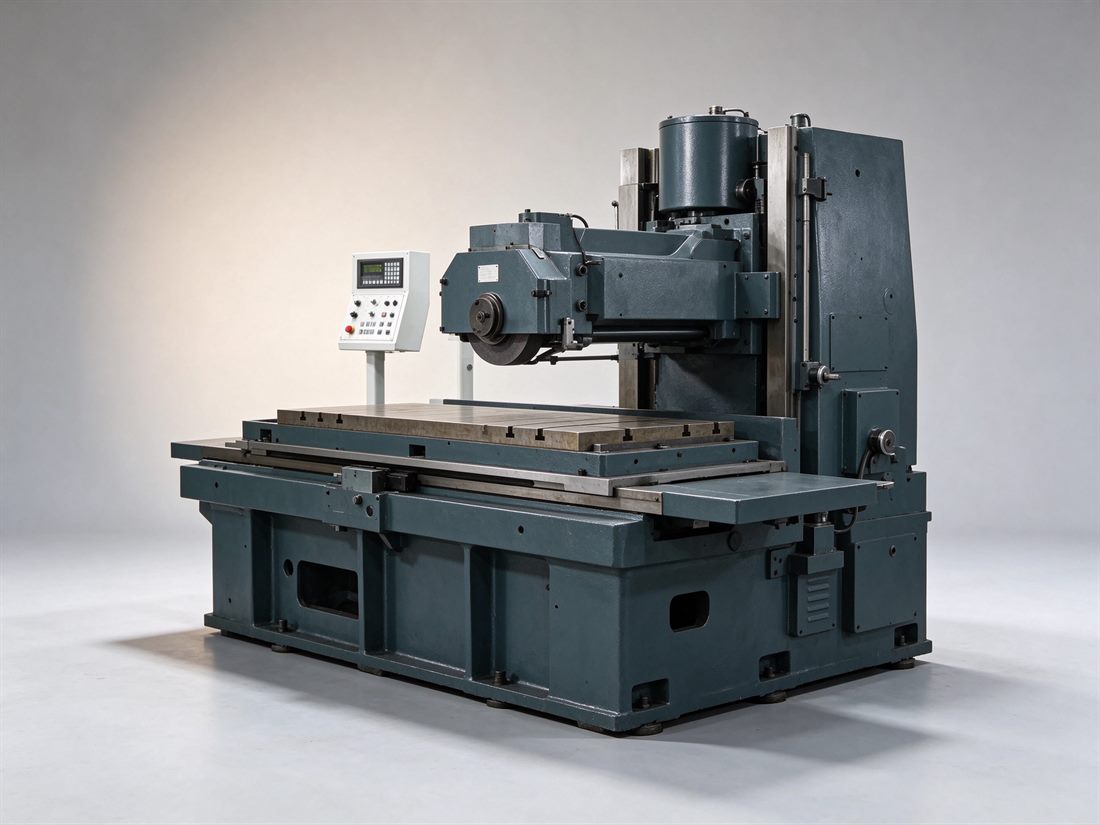
A manual or hydraulic machine handles most punch work, because the parts are small and the tolerance is met by the operator's care plus a good chuck. A CNC machine earns its place when the shop grinds the die face itself — a progressive die with several stations benefits from a program that holds depth across all of them.
Send a die drawing and the wear measurement to our application engineers and we will recommend whether to grind or replace.