Slot, Shoulder and Form Grinding on a Surface Grinder
When a surface grinder can replace a form grinder, and the wheel-and-dresser combinations that make it possible.
What a surface grinder can and cannot do
A surface grinder grinds flat, and everything else is geometry applied to flat. A slot is a flat face between two walls; a shoulder is a vertical face meeting a flat; a form is a shape carried by the wheel. All three are doable on a surface grinder if the machine has the axes and the operator has the dressing setup — and all three are painful if either is missing.
Slots: the wheel width sets the rule
A slot narrower than the wheel requires a narrow wheel, and a narrow wheel wears quickly and deflects under load. The practical approach is to grind the slot with a wheel at or just under the slot width, in light passes, with the wheel dressed on both sides. Check the wheel width after dressing rather than trusting the label: a 10 mm wheel dressed with a diamond usually measures 9.8 mm, and a 10.00 mm slot will not accept it.
Shoulders: watch the wheel corner
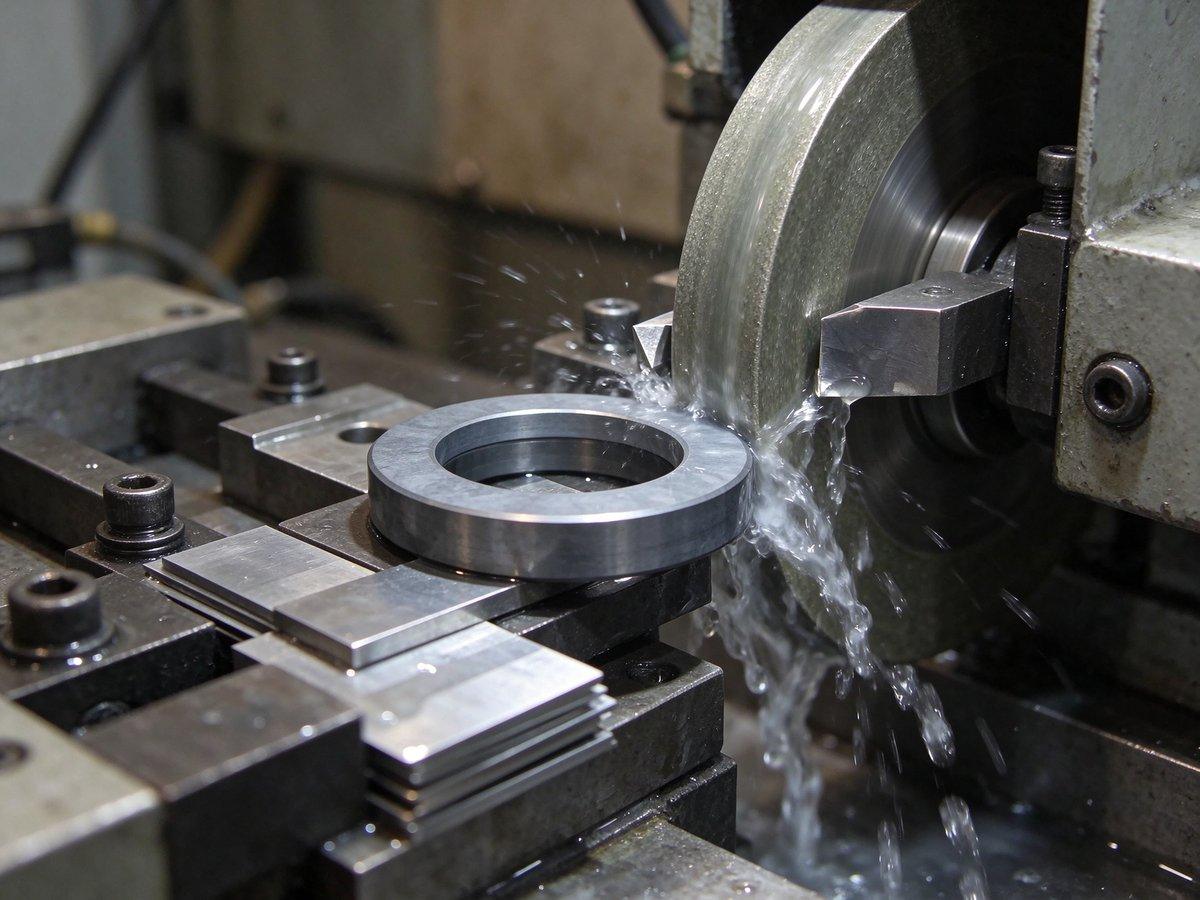
A shoulder is ground with the side of the wheel, which puts the load on the corner and produces the two classic complaints: a radius at the root and burn at the corner. Radius comes from wheel wear, so keep the wheel dressed and take a finishing pass with a freshly dressed corner. Burn comes from chip crowding in the corner, so direct coolant there and reduce the depth on the last pass rather than increasing the table speed.
Forms: dress once, grind many
For repeat work, the form is carried by the wheel and dressed with a radius or angle dresser held on the chuck or on a magnetic fixture. This is precise and slow, and it is the right answer for 20 parts or fewer. Above that, the calculation flips: a CNC machine importing a DXF and grinding the profile with a plain wheel removes the dressing step entirely and holds the profile across the batch.
| Quantity | Method | Why |
|---|---|---|
| 1–20 parts | Form dresser, manual or hydraulic machine | Cheap setup, no programming |
| 20–200 parts | CNC profile with plain wheel | No per-part dressing, holds tolerance |
| 200+ parts | CNC plus continuous dressing | Wheel stays open, cycle is fixed |
The setup detail that decides the result
Whether a shoulder comes out square depends far more on the fixture than the wheel. A part that rocks on three supports produces a shoulder that is square to the wrong datum. Locate on the finished face, clamp over the centre of the part rather than the edge, and check squareness on a granite plate before running the batch.
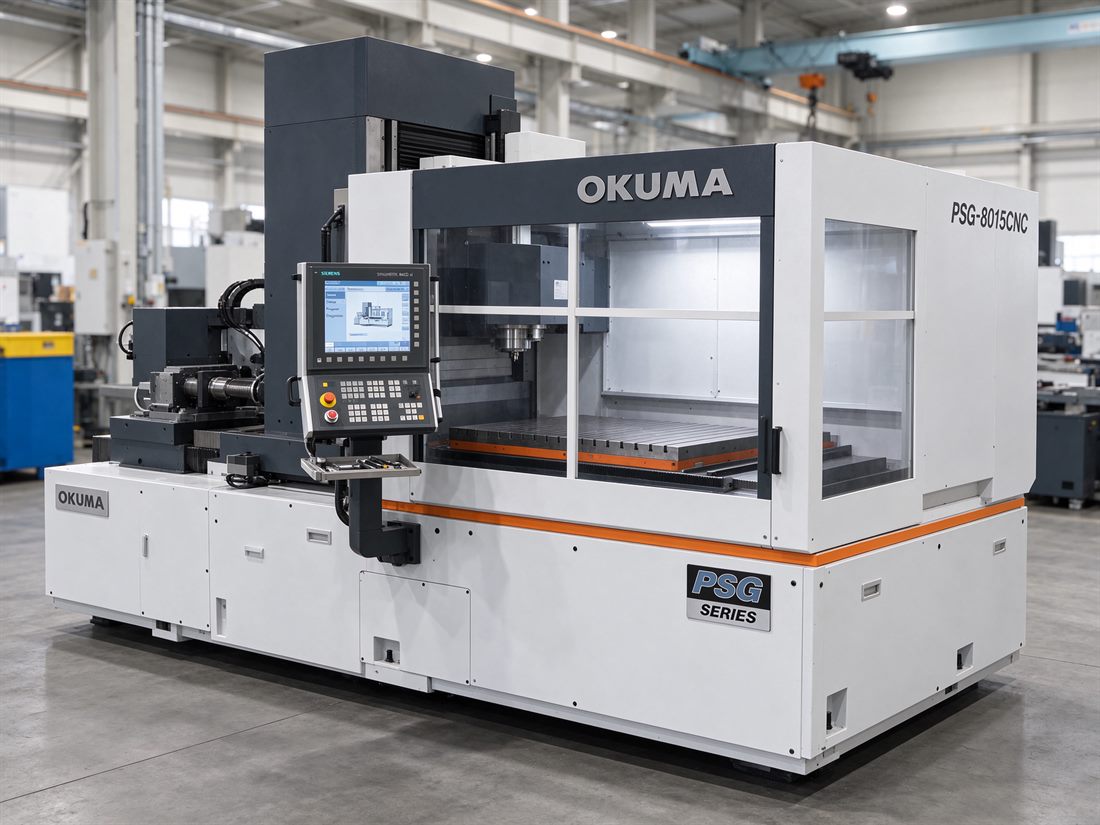
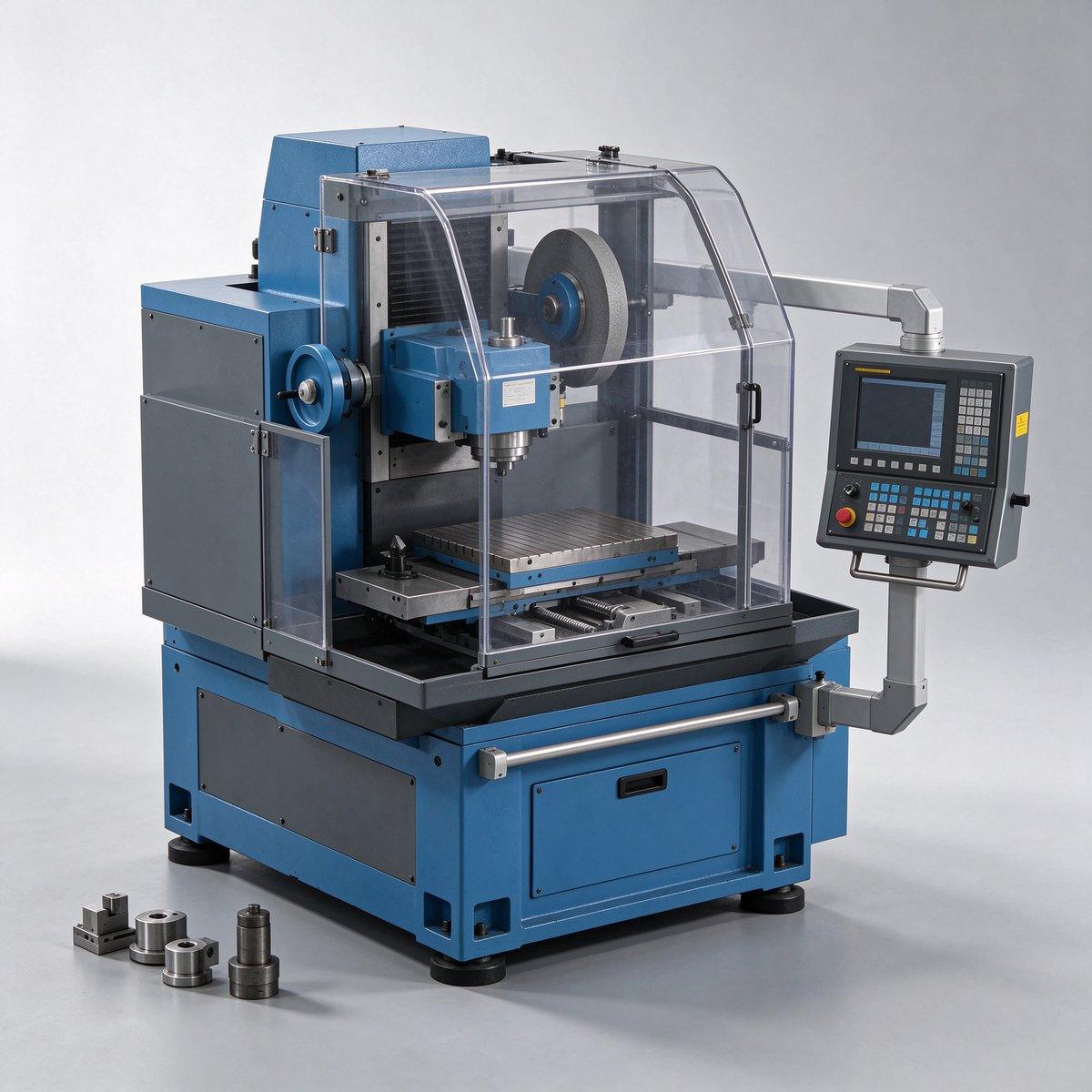
Profile work on a PSG-5010CNC takes DXF import and a plain wheel. Ask our engineers which route suits your batch size.