

Surface Grinding vs Lapping: Which Gets It Flat?
Surface grinding versus lapping compared on flatness, finish, material removal, heat and cost, and h...
Read more →Wheels & Coolant · topic notes
Choosing and maintaining a splash guard: what it changes in the cut and the signs it needs replacing. no linked items yet filed under this topic.
Dressing is not maintenance — it is the operation that keeps the wheel cutting instead of rubbing.
Burn marks and a glazed wheel are the same fault seen from two sides: redress, then check coolant flow and concentration before changing the wheel.
Topics in this vocabulary point to a machine line rather than to a single offer, so the answer stays useful when the model range changes. For splash guard the closest line is manual precision surface grinders; the selection guide and the accuracy notes cover the neighbouring questions.
Machines filed under this topic, plus the closest models from the line it belongs to.
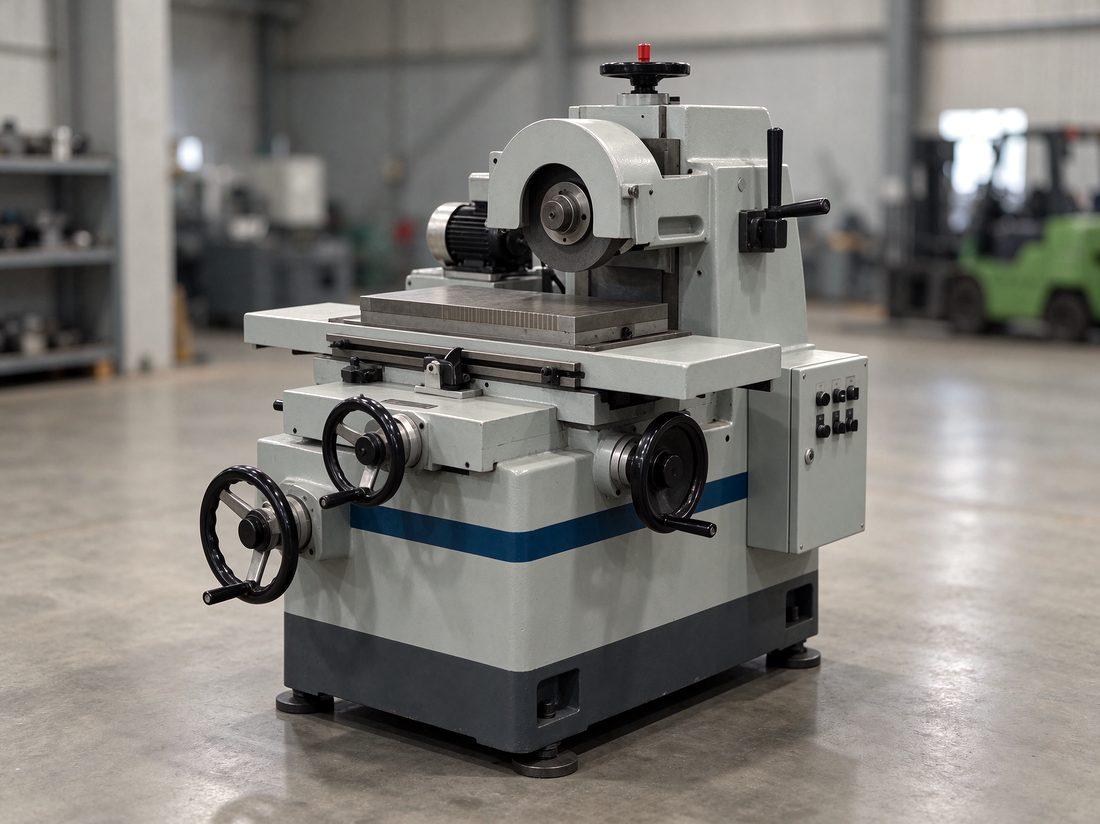
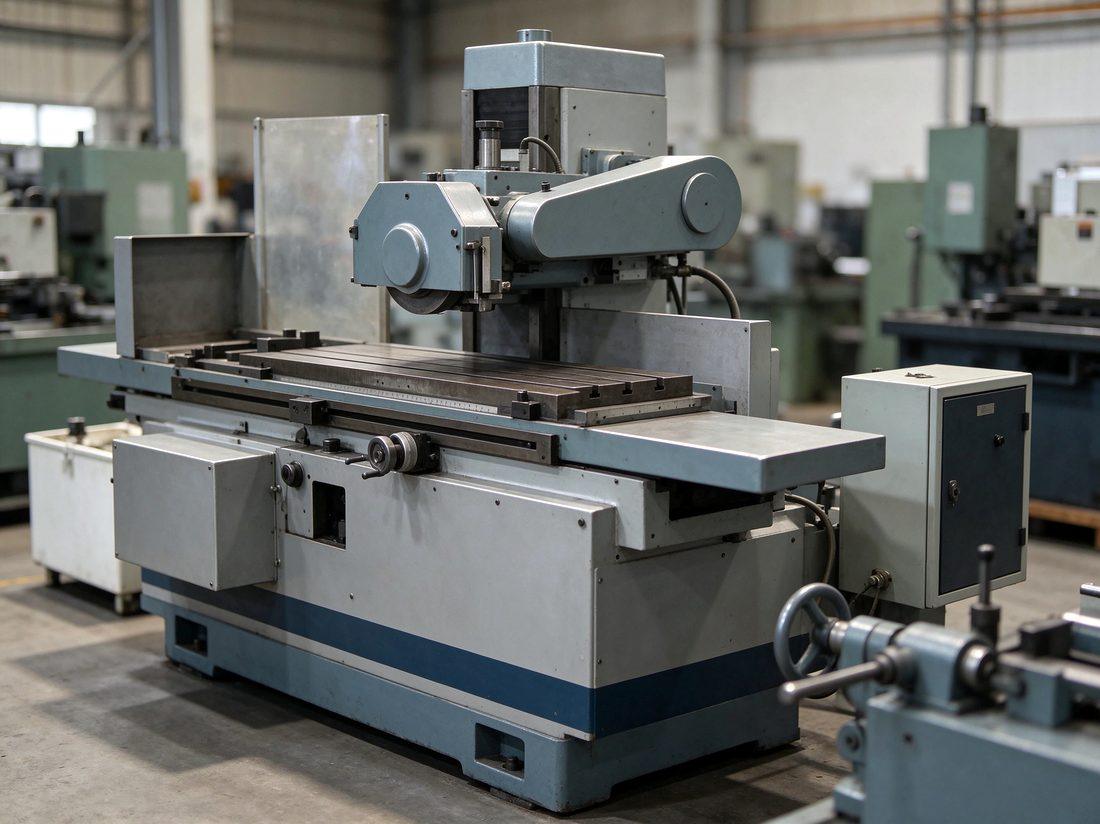
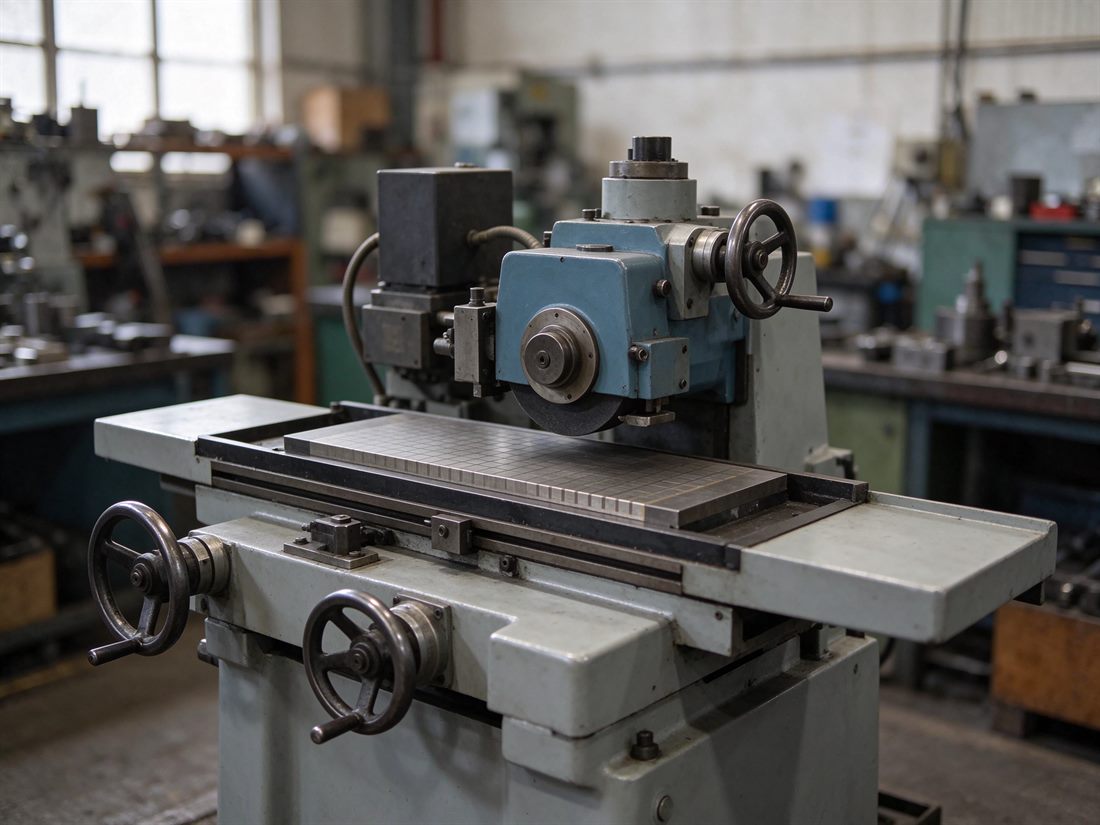
Surface grinding versus lapping compared on flatness, finish, material removal, heat and cost, and h...
Read more →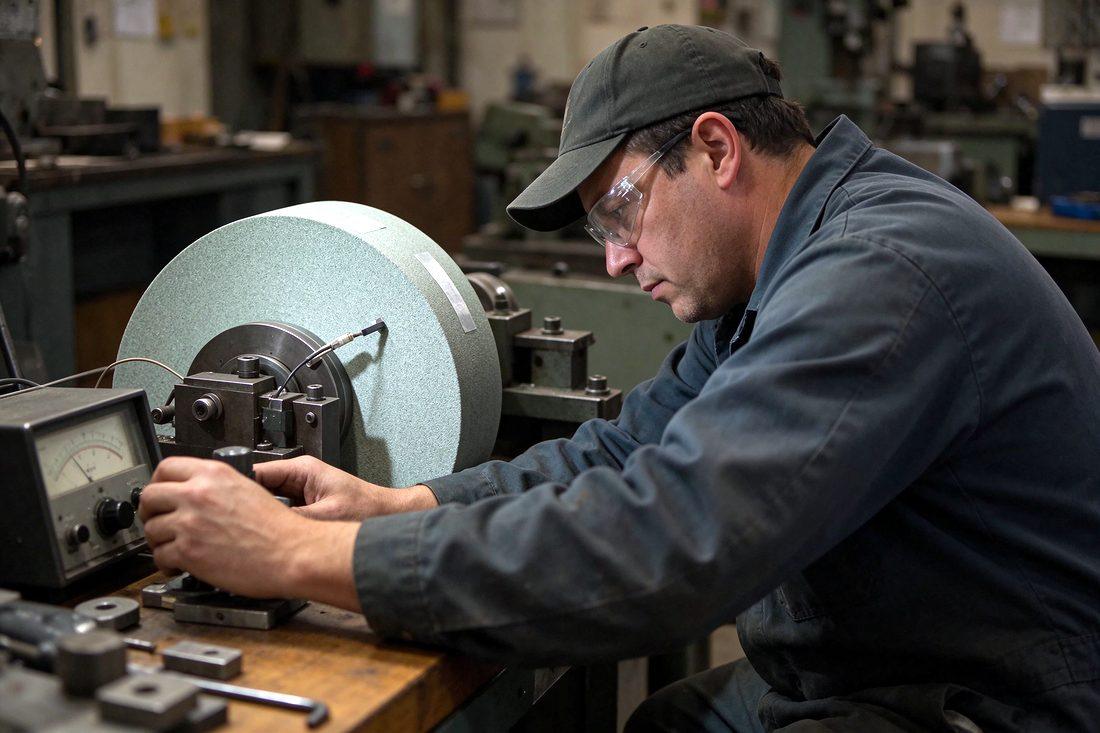
Static balancing a surface grinder wheel: the arbor method, how much imbalance is acceptable, why ma...
Read more →
A Vietnamese mould shop replaced two worn manual grinders with a PSG-4080AH and a PSG-250AHR, cuttin...
Read more →60 grit on a vitrified bond covers most die and mould work; move to 46 for stock removal and 120 when the drawing asks for a fine finish.
Every 20–30 minutes of cutting on steel, and immediately before any finishing pass. A glazed wheel raises the temperature, which is the start of burn and chatter.
