
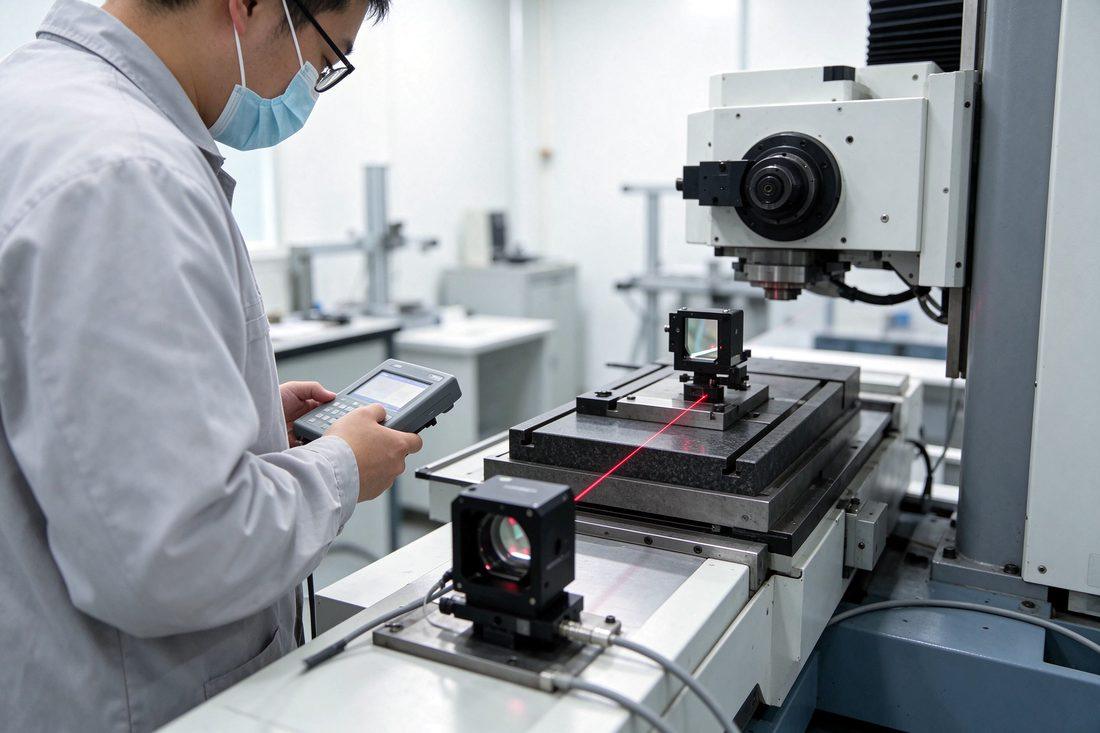
Surface Grinding vs Lapping: Which Gets It Flat?
Surface grinding versus lapping compared on flatness, finish, material removal, heat and cost, and h...
Read more →Precision · topic notes
Achievable flatness on hard facing, the burn risk behind it and the wheel and coolant that keep it flat. no linked items yet filed under this topic.
Precision here means two separate promises: what the process can hold on the part, and what the machine can prove on an inspection report.
The sequence that settles arguments: grind a test plate, measure with a straight edge and a 0.001 mm indicator on a surface plate, then repeat after the plate has cooled.
Topics in this vocabulary point to a machine line rather than to a single offer, so the answer stays useful when the model range changes. For hard facing flatness the closest line is CNC precision surface grinders; the selection guide and the accuracy notes cover the neighbouring questions.
Machines filed under this topic, plus the closest models from the line it belongs to.
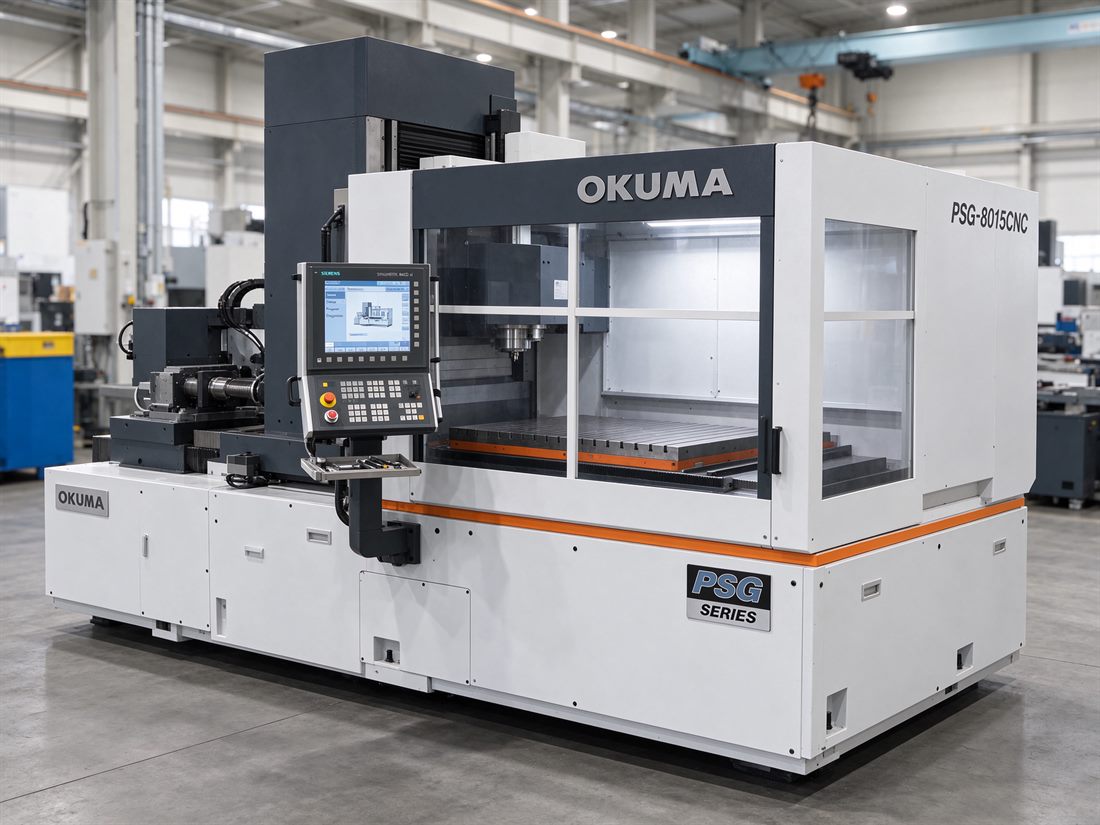
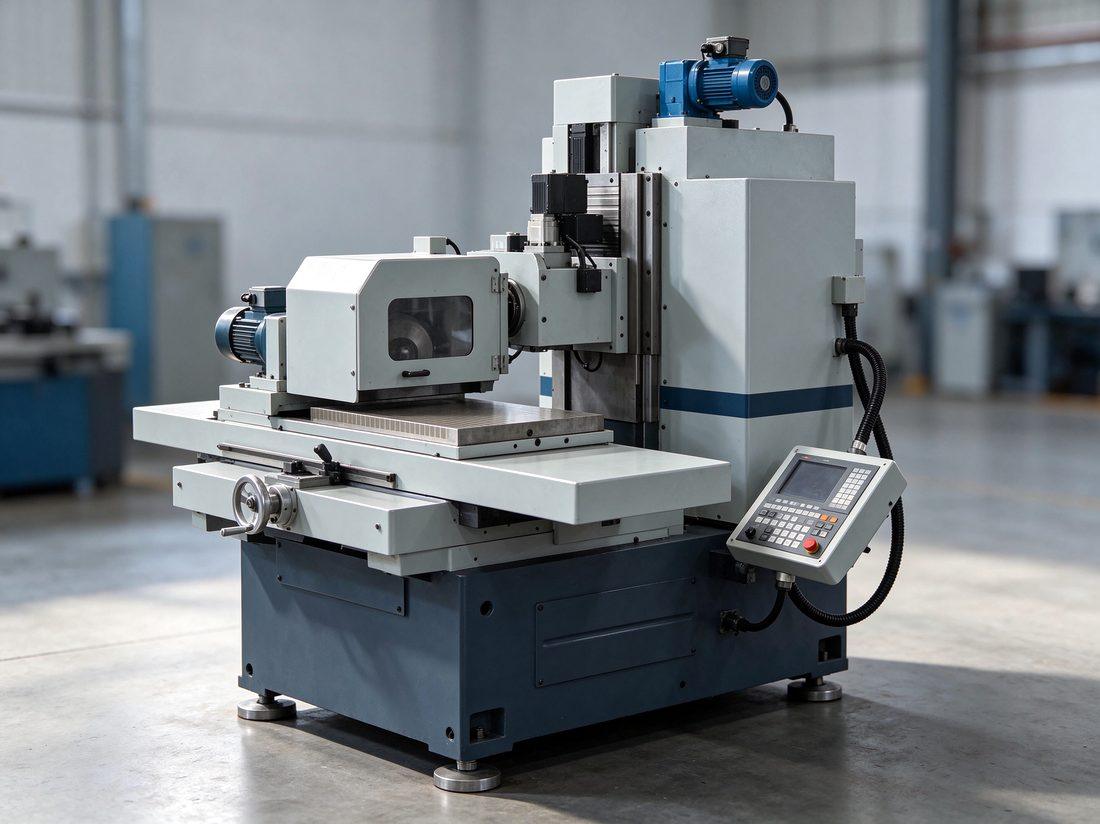
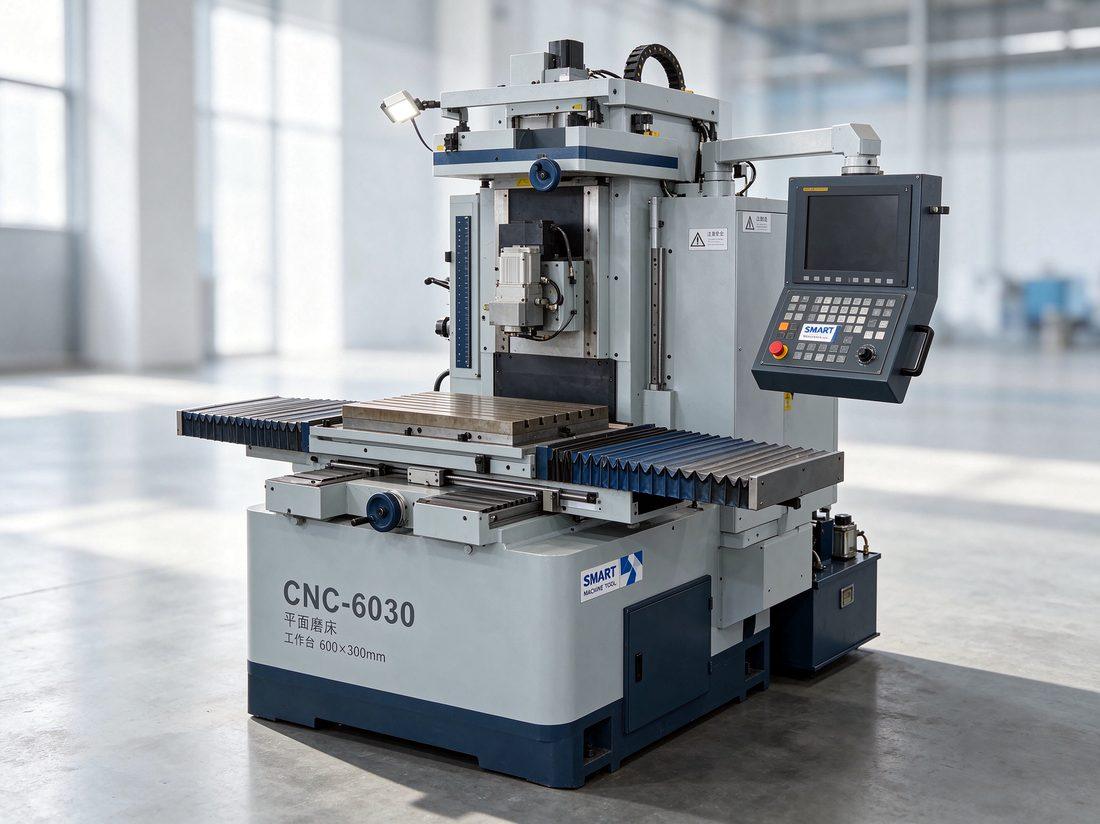
Surface grinding versus lapping compared on flatness, finish, material removal, heat and cost, and h...
Read more →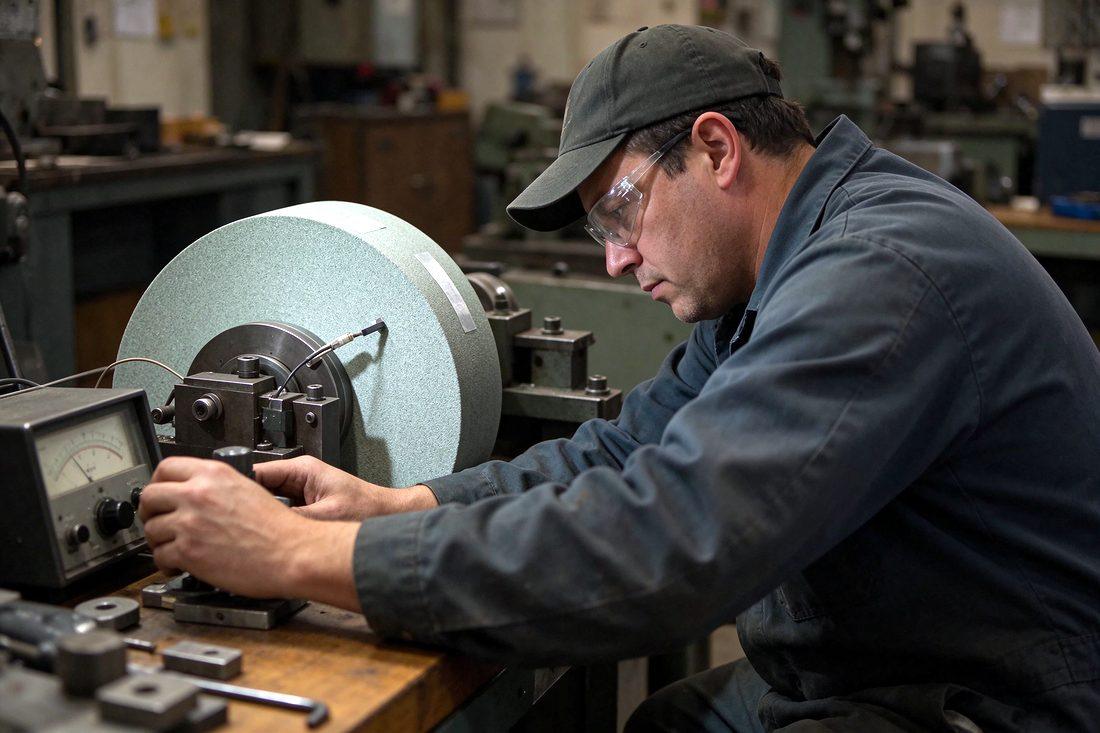
Static balancing a surface grinder wheel: the arbor method, how much imbalance is acceptable, why ma...
Read more →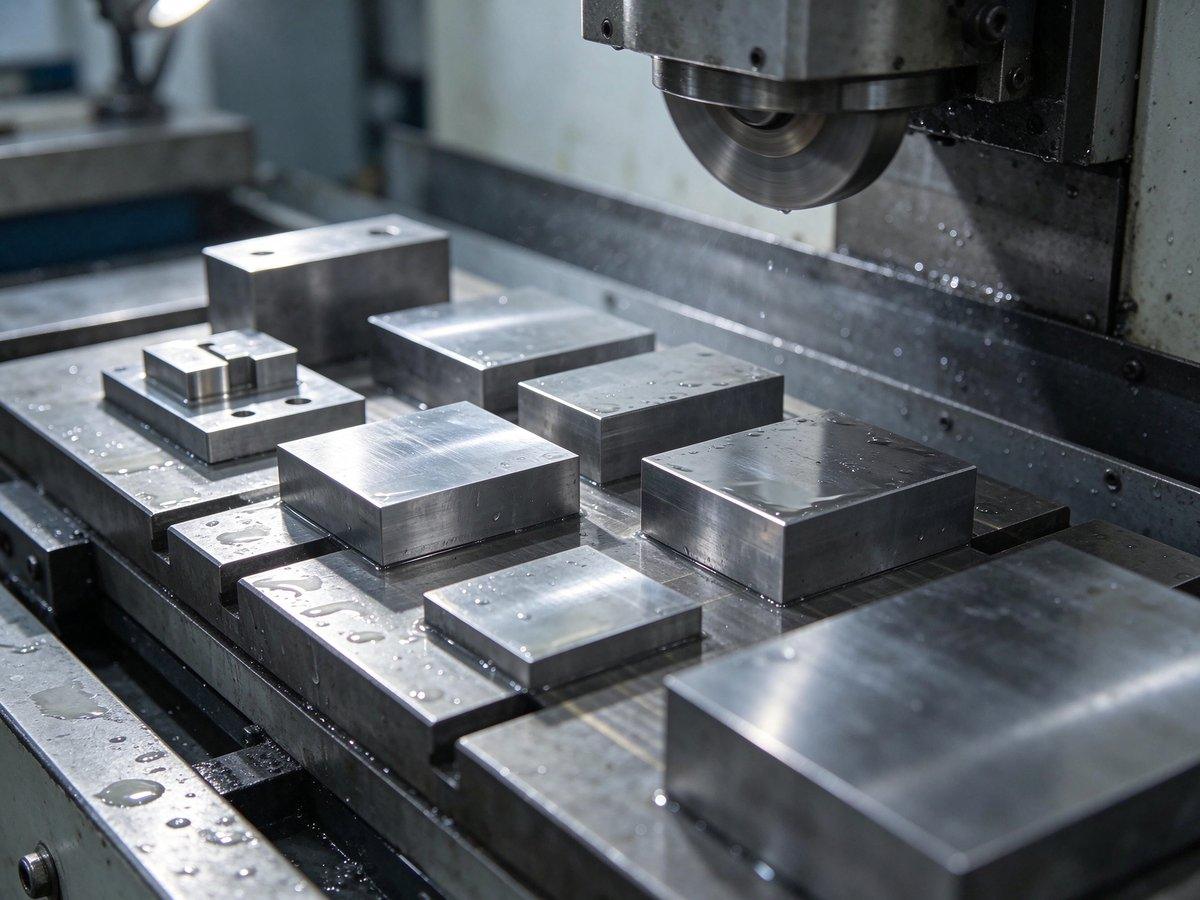
A Vietnamese mould shop replaced two worn manual grinders with a PSG-4080AH and a PSG-250AHR, cuttin...
Read more →0.005 mm over 500 mm is the normal commercial figure on a hydraulic machine, and 0.002 mm on a CNC or PLC machine with a temperature-stable setup.
A granite surface plate, a 0.001 mm indicator and a written record of the readings; on request a laser interferometer report is added for the geometry of the bed and column.
